Global 3PL Streamlines High-End Fashion Inventory with MingQ RFID Tunnel Solution
Leading E‑Commerce Platform Accelerates Flash-Sale Fulfillment and Boosts Warehouse Productivity with MingQ RFID Sorting Wall Solution
Global Automaker Elevates Component Kitting Accuracy with MingQ RFID Shelf‑Level Management Solution
Asia’s Largest Logistics Provider Enhances Warehouse Intelligence with RFID Pallet & Container Management Solution
RFID Application in Platform Vehicle Management
RFID Application in Logistics Sorting
RFID Application in Supply Chain Management
RFID Application for Workshop/Warehouse Tracking
TP‑Link Enhances Warehouse Inbound/Outbound Efficiency with MingQ RFID Dock‑Door Solution
RFID technology empowers port containers: a new direction for future logistics
RFID technology in forklift tracking and container bag identification
Real-Time Data, Secure Transportation: The Future Trends of Cold Chain Logistics
RFID Tool Management
RFID Application in Battery Factory Production
RFID Application in Production Line Rubber Box Management
RFID Application in Mold Management on Production Lines
RFID Application in Fiber Optic Cable Manufacturing
Smart Manufacturing
The medical industry uses RFID technology to make drug tracking more accurate
RFID technology helps beverage production and build an efficient supply chain
RFID technology helps car seat production lines: intelligent management improves efficiency and quality
RFID technology in the production of electronic appliances monitoring and tracing application
Use RFID technology to improve appliance management efficiency and security
RFID technology helps precise installation of headrests
Clean‑Energy Equipment Manufacturer Enhances Material Traceability with MingQ RFID Pallet Management Solution
You know, in today’s super fast-paced world of supply chains, getting things done efficiently is more crucial than ever. Embedded RFIDtechnology is really shaking things up, according to Dr. John Smith, who’s quite the expert in Rfid Solutions over at Tech Innovations Inc. Companies are feeling the heat to improve their logistics — and that’s where RFID can actually help, making processes smoother and giving companies a clearer picture of what’s happening at every step.
That said, not everyone’s having an easy time with it. Implementation can be tricky — there are often hiccups with integration and data management that pop up. This naturally leads some to wonder whether RFID’s really going to make a difference or just add another layer of complexity. It’s pretty important for businesses to tackle these challenges head-on, especially when they’re just starting out with this tech. Industry experts really recommend focusing on proper training and support during those early stages to keep things on track.
The perks are pretty obvious, but the road to getting there isn’t always smooth. With all the quirks and hurdles, companies need to be ready to work through the tough spots if they want a successful launch. If they do, they’ll likely see better inventory accuracy, lower costs, and a more streamlined supply chain overall. In the end, finding that sweet spot with Embedded Rfid can really take supply chain management to the next level — it’s just a matter of navigating the bumps along the way.
RFID technology plays a pivotal role in modern supply chain management. It enhances tracking and inventory management capabilities. By embedding RFID tags in products, businesses can gain real-time visibility into their inventory. This level of detail can help optimize processes and reduce losses. Understanding how RFID works is vital for any operation looking to stay competitive.
Implementing RFID requires careful planning. Here are a few tips to enhance efficiency. First, assess your current inventory systems. Identify gaps where RFID can bring the most benefit. Consider not just the technology but also staff training. Educating employees on RFID can improve adoption and effectiveness. Next, ensure that RFID readers are strategically placed. This optimizes scanning efficiency and accuracy.
One must continuously improve their use of RFID. Regularly review collected data for anomalies. This helps identify areas for improvement. Share insights with your team to foster a culture of innovation. Remember, the goal is not just to implement technology but to adapt and evolve.
Embedded RFID technology significantly enhances inventory tracking and management. In today's fast-paced supply chain, the ability to monitor stock levels in real-time is crucial. According to recent industry reports, companies implementing embedded RFID solutions have seen inventory accuracy improve by up to 30%. Such advancements reduce the risks of overstock and stockouts. Accurate data helps businesses make informed decisions swiftly.
The integration of Embedded Rfid Readers leads to automating inventory processes. Studies reveal that organizations that utilize this technology report a 50% decrease in time spent managing inventory. Automation minimizes human error and enhances operational efficiency. However, organizations must address the initial investment costs associated with deploying embedded RFID systems. Reflecting on these costs is essential for assessing the long-term benefits.
Moreover, while many firms extract significant value from embedded RFID, some still face challenges. Data security concerns arise as companies share information across networks. It's vital for organizations to develop robust strategies for protecting sensitive data. Frequent audits help maintain compliance and security. The effectiveness of embedded RFID in reshaping supply chains cannot be overlooked, yet there is a need for continuous improvement and reflection on existing practices.
Integrating RFID systems with existing supply chain software can streamline operations. The use of OEM Embedded Rfid Reader technology allows for real-time tracking of inventory and assets. This integration supports enhanced visibility, drastically reducing errors and inefficiencies.
However, challenges may arise during integration. Not all software may accommodate RFID technology seamlessly. As a result, additional customization might be needed. Teams must assess current systems to identify compatibility issues. Addressing these hurdles requires expertise, often necessitating consultations with specialists.
Training staff is another crucial aspect. Employees must understand how to utilize the new system effectively. Despite the benefits, some may resist changes due to uncertainty. Ongoing support and feedback are vital. This fosters a culture of adaptation, ensuring successful integration and maximizing the investment in RFID technology.
This chart illustrates the impact of integrating RFID systems with existing supply chain software on operational efficiency. The data showcases various benefits observed over different quarters, represented as the percentage increase in efficiency.
Implementing embedded RFID solutions can significantly enhance supply chain management. A recent industry report revealed that RFID technology can improve inventory accuracy by up to 99%, reducing stock discrepancies. This accuracy leads to better decision-making and significant cost savings.
To effectively integrate embedded RFID, consider these tips. First, focus on training employees. Without proper training, the technology may not be fully utilized. Set up clear protocols for using the Best Embedded Rfid Reader. This ensures consistency in operations. Additionally, choose the right software that complements your RFID hardware. This can streamline processes and improve data management.
Data privacy remains a concern. Organizations must implement security measures to protect sensitive information. Periodic audits can help identify vulnerabilities in the system. Regular feedback from employees utilizing the systems can uncover areas needing improvement. Balancing efficiency and security will ensure long-term success in RFID adoption.
Implementing RFID technology in supply chains comes with several challenges. One significant issue is the integration of RFID systems with existing supply chain processes. Many organizations struggle to combine new technologies with legacy systems. This often leads to disruptions and inefficiencies. Training staff to use RFID systems can be time-consuming. A lack of familiarity may result in underutilization of the technology's capabilities.
To address these challenges, companies should consider the following tips. Start by conducting a thorough assessment of current systems. Identify specific needs and gaps in the supply chain. Next, invest in training programs for staff. Employees should understand how RFID works and its benefits. Regularly update training materials to keep pace with technology advancements.
Another common challenge is the cost of RFID implementation. While it can lead to long-term savings, initial costs are high. Companies may need to carefully plan their budgets. Seek out opportunities for phased implementation to spread costs over time. Collaboration with supply chain partners can also reduce the financial burden. Sharing resources may lead to improved efficiency for all parties involved.
The integration of RFID technology in supply chain operations is transforming efficiency metrics. Various studies suggest that companies using RFID can achieve as much as a 50% reduction in inventory discrepancies. This can significantly impact overall operations, improving accuracy and customer satisfaction.
Evaluating the ROI of RFID involves analyzing both tangible and intangible benefits. According to the “Automated Identification and Data Capture Solutions” report, businesses that implement RFID see an average ROI of around 30%. This is particularly relevant for industries that rely on precise tracking, such as retail and logistics. For instance, the use of a China Embedded Rfid Reader in a warehouse boosts real-time visibility.
However, challenges persist. Some businesses report initial setup costs and training as major hurdles. It’s critical to remember that the full benefits of RFID often manifest over time, not overnight. Companies must evaluate their infrastructure and readiness to ensure that investment yields the desired results. Balancing immediate costs with long-term gains requires careful planning and reflection.
The future of RFID technology in supply chain and logistics management is rapidly evolving. With the global RFID market expected to reach approximately $40 billion by 2027, organizations are increasingly adopting this technology for efficiency. RFID systems enhance item tracking. They reduce errors and missing inventory incidents. Companies utilize RFID for real-time visibility, which can decrease operational costs by up to 30%.
Recent studies show that 78% of logistics firms now integrate RFID in their processes. This technology not only saves time but also improves accuracy in shipments. However, reliance on RFID can create challenges. For instance, data overload may overwhelm supply chain managers. They need effective filtering strategies to focus on key metrics.
Privacy concerns accompany widespread RFID usage. Companies must ensure data security to prevent leaks. Additionally, the initial setup cost can deter small firms from adopting this innovation. As the technology matures, support systems for these challenges may also evolve, leading to more sustainable solutions. Organizations should remain vigilant about these aspects as they capitalize on RFID's advantages.
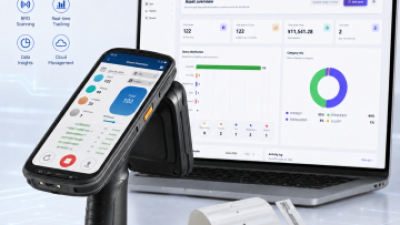
The integration of RFID technology into asset management is revolutionizing how organizations operate, significantly enhancing efficiency and accuracy. The RFID Asset Management System empowers users to conduct rapid inventories and retrieve assets swiftly, ensuring that organizations can maintain optimal operational flow. By utilizing RFID LED tags in conjunction with handheld terminals and visual management software, businesses can implement advanced features such as "light up and find" positioning and comprehensive asset location management.
One of the standout benefits of this system is its support for full lifecycle asset management. This functionality not only allows for the tracking of assets but also aids in user management and maintaining historical logs and reports. Such capabilities enhance asset visibility, helping enterprises to minimize losses and streamline operations. This system is versatile, finding applications across various sectors, from office environments to healthcare settings, where tools and medical equipment must be meticulously monitored and managed.
Moreover, the system's ability to improve data accuracy cannot be overstated. The seamless integration of RFID technology means that organizations can expect substantial reductions in errors associated with manual inventory processes. This results in better decision-making based on reliable asset data. By embracing RFID solutions, businesses can significantly boost operational efficiency while ensuring that assets are managed effectively throughout their entire lifecycle.
: RFID technology enhances tracking and inventory management in supply chains by providing real-time visibility into products.
Effective implementation involves assessing current inventory systems, training staff, and strategically placing RFID readers for optimal results.
RFID can reduce inventory discrepancies by up to 50%, improving overall accuracy and customer satisfaction in operations.
The ROI of RFID involves assessing both tangible and intangible benefits, often averaging around 30% in various industries.
Initial setup costs and staff training can pose significant challenges, requiring careful consideration before implementation.
No, the full benefits of RFID typically take time to manifest, and companies must be patient during this period.
Training employees on RFID improves adoption, effectiveness, and overall efficiency within the supply chain.
Regularly analyzing collected data for anomalies can identify areas for improvement and drive a culture of innovation.
The main goal is to not just implement technology but to adapt and evolve based on data and feedback.
Companies must balance immediate costs with potential long-term gains, ensuring their infrastructure is ready for RFID.
Embedded RFID technology is revolutionizing supply chain management by enhancing inventory tracking and management capabilities. By understanding the core principles of RFID technology, businesses can reap significant benefits, such as improved accuracy in inventory levels, reduced labor costs, and enhanced visibility of supply chain operations. Integrating embedded RFID systems with existing supply chain software allows for seamless data management and streamlined processes, making it a vital consideration for modern logistics.
However, implementing embedded RFID solutions does pose challenges, including the need for proper training and potential integration issues. Best practices suggest that organizations should thoroughly assess their supply chain requirements and develop a clear strategy for implementation. Measuring the ROI of embedded RFID initiatives is crucial to justify investments and demonstrate the technology's value. As trends evolve, the future of RFID in supply chain management looks promising, with advancements that will further enhance efficiency and reduce costs.