In today’s super busy business world, being efficient is more important than ever. An Embedded Rfid Readercould really change the game when it comes to managing inventory and logistics. I read somewhere that, according to Grand View Research, the global RFID market is projected to hit around $40 billion by 2025. That’s huge, and it just shows how important RFID tech is becoming in everyday operations.
John Smith, who’s the CEO of Tech Innovations and an industry veteran, was quoted saying, “The Embedded Rfid Reader isn’t just some gadget — it’s a must-have for modern business strategies.” Basically, it helps cut down human mistakes and makes tracking a whole lot easier. Companies that have adopted these readers have seen big drops in inventory errors. Of course, rolling out these systems isn’t a walk in the park — it takes some planning and getting everyone up to speed.
A lot of times, businesses might underestimate how tricky it can be to introduce new tech or change current processes. Sure, training staff and adjusting workflows can be a bit of a headache — but honestly, the long-term gains tend to make it all worthwhile. An Embedded RFID Reader doesn’t just boost efficiency; it can really help your business grow and stay ahead. So, yeah, it’s definitely time to jump on this technology and see what it can do for you.

Understanding Embedded RFID Readers: An Overview
Embedded RFID readers are becoming essential tools for businesses. These devices automate data collection, streamline operations, and enhance inventory management. According to a report from Grand View Research, the global RFID market is expected to reach $40 billion by 2025, highlighting a significant shift toward integration in various industries.
Understanding the complexities of embedded RFID readers is crucial. They offer seamless integration into existing systems. This is vital for businesses aiming to minimize disruptions. However, many organizations still overlook the importance of proper implementation. Studies indicate that 30% of RFID projects fail due to inadequate planning. This reflects a need for businesses to invest time in strategic deployment.
Moreover, embedded RFID readers support real-time tracking. This capability can lead to a 30% reduction in inventory costs. Businesses gain enhanced visibility into their operations. Yet, companies often underestimate the time required for employee training. Ensuring staff fully understand the technology can significantly boost efficiency.
Why Choose an Embedded RFID Reader for Your Business?
| Feature | Description | Benefits |
| Compact Design | Embedded RFID readers are designed to fit into devices and systems seamlessly. | Saves space and integrates easily, ideal for mobile applications. |
| Ease of Integration | Can be easily integrated into existing systems without significant changes. | Reduces downtime and costs associated with upgrading systems. |
| Cost-Effective | Typically, embedded solutions come at a lower price point than standalone units. | Provides a good ROI through reduced operational costs. |
| Versatility | Can be used in a variety of applications, from inventory management to access control. | Supports various business needs and enhances efficiency. |
| Durability | Designed to withstand harsh environments and heavy usage. | Increases longevity and reliability of operations. |
Key Benefits of Embedded RFID Readers for Business Operations
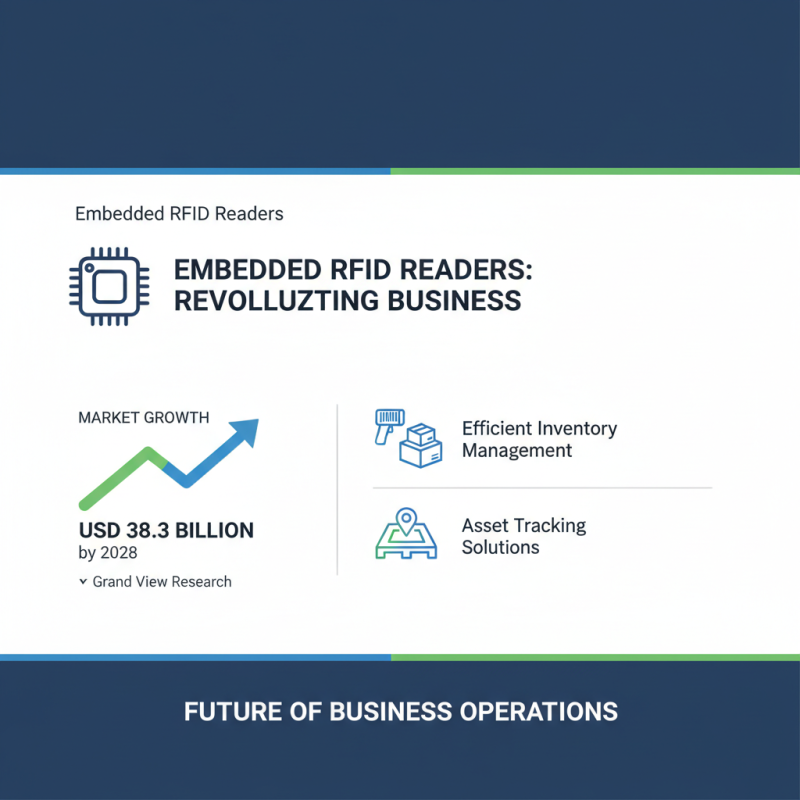
Embedded RFID readers are revolutionizing business operations. According to a report by Grand View Research, the RFID market is expected to reach USD 38.3 billion by 2028. This growth reflects the increasing need for efficient inventory management and Asset Tracking solutions.
One key benefit of embedded RFID readers is their ability to streamline processes. By integrating these devices directly into existing systems, businesses can automate data collection. For example, in warehouses, these readers can significantly reduce human errors like incorrect inventory counts. Additionally, a study from Harvard Business Review indicated that companies with RFID solutions can increase operational efficiency by over 20%. However, implementing such technologies can be challenging. Businesses must ensure they have the right infrastructure and training in place.
Another aspect to consider is cost savings. While the initial investment might seem high, the return on investment can be substantial. A report from AIM Inc. shows that businesses can save up to 30% on labor costs through improved accuracy and reduced manual handling. Yet, not all companies fully leverage these advantages. Many still face integration issues, leading to inefficiencies that could be easily addressed by adopting an OEM Embedded Rfid Reader. As the landscape continues to evolve, businesses must reflect on their strategies to stay competitive.
Comparison of Embedded RFID Readers vs. Traditional RFID Solutions
Embedded RFID readers are gaining popularity in various industries. They offer unique advantages compared to traditional RFID solutions. One of their main benefits is compact design. This allows for seamless integration into different devices and environments. Businesses can save space while enhancing functionality.
Traditional RFID systems often require substantial setup and maintenance. They can be bulky and complex. In contrast, the Best Embedded Rfid Reader offers a simple solution. Installation is easier, reducing labor costs. These readers are often more energy-efficient, leading to lower operating costs over time. This efficiency can be appealing for budget-conscious businesses.
When considering integration, focus on scalability. An embedded solution can grow with your business needs. However, it’s essential to evaluate your specific requirements before making a choice. Testing different setups can highlight potential pitfalls.
Tip: Always assess the environment where the reader will be used. Temperature extremes can affect performance. Another tip: compare the reading range of different devices. Some situations require longer ranges. This could impact the efficiency of your operations. Small adjustments can lead to significant gains in productivity.
Integration of Embedded RFID Readers in Existing Systems
Integrating embedded RFID readers into existing systems can significantly enhance operational efficiency. These devices offer seamless tracking and data collection without disrupting ongoing processes. Imagine a warehouse with RFID readers embedded in its inventory management system. This integration allows real-time visibility of stock levels. Staff can quickly locate items without manual searches.
Tips: Ensure compatibility with current systems before making a decision. It’s helpful to conduct a thorough assessment of your existing infrastructure. Consider how the new technology aligns with your workflow.
The transition to embedded RFID readers may present some challenges. Sometimes, existing systems can be outdated, making integration difficult. It is crucial to identify these issues early on. Not every system will adapt perfectly. Some staff may need additional training, which could slow down initial implementation. However, overcoming these hurdles can lead to improved productivity, particularly in environments like manufacturing or logistics. Businesses in regions like China are exploring these options to stay competitive. Embracing innovation while reflecting on integration challenges can pave the way for a more efficient future.
Use Cases: Industries That Benefit from Embedded RFID Technology
Embedded RFID technology is revolutionizing various industries. Retail benefits immensely. A recent report shows that RFID can increase inventory accuracy by up to 96%. Accurate tracking reduces stock discrepancies. This leads to improved customer satisfaction.
Manufacturing is another prime sector. With embedded RFID, businesses streamline their supply chains. An estimated 20% of production time can be saved by using real-time asset tracking. This boosts efficiency and reduces waste. However, companies must consider integration challenges. Balancing new tech with existing systems requires careful planning.
Tips: Start small when implementing RFID. Test in a single department first. Monitor how it performs before expanding. Also, train your staff thoroughly to ensure successful adoption. Finally, always collect data to refine processes over time.
Factors to Consider When Choosing an Embedded RFID Reader
When choosing an embedded RFID reader for your business, several factors require careful consideration. The reader's performance in specific environments is critical. For instance, while many readers claim high accuracy rates, reports indicate that the performance can vary dramatically in different physical settings. The choice of materials and technology influences the efficiency of the RFID system.
Cost is also significant. A Cheap Embedded Rfid Reader may seem appealing, but it often compromises reliability. Research indicates that investing in quality can reduce long-term operational costs. A reliable reader will require less maintenance and deliver better data accuracy. This can lead to improved inventory management and streamlined operations, which are essential for long-term success.
Tips: Assess the read range and speed of the reader. Look for real-world use cases that align with your needs. Also, consider the ease of integration into your existing systems. Each choice impacts your operations. Remember, not all options fit every business model. Avoid being lured solely by the price tag.
Future Trends in Embedded RFID Technology for Businesses
Embedded RFID technology is transforming business operations. As companies seek efficiency, these devices are crucial. They simplify inventory management and enhance security. More businesses are adopting them daily. With smaller sizes and lower costs, they become accessible. However, integration can be tricky. Some may struggle with existing systems.
Future trends indicate growth in smart features. RFID readers will incorporate AI for improved analytics. This will enable real-time decision-making. Increased data security protocols are also expected. Privacy concerns linger, and businesses must tread carefully. Finding a balance between efficiency and ethics is a challenge for many.
Additionally, wireless technology will push boundaries. The realm of automation could expand. There's potential for a connected ecosystem within industries. Yet, the journey won't be flawless. Companies must educate staff and adapt to new processes. As embedded RFID evolves, staying informed will be vital.
Optimizing File Cabinet Management with the 8-Channel UHF RFID Tag Reader RFly-R8: A Comprehensive Guide
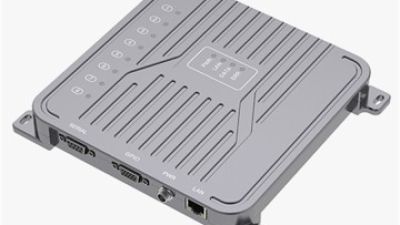
In the realm of efficient file cabinet management, leveraging advanced technology such as Radio Frequency Identification (RFID) systems can significantly enhance operational capabilities. The 8-Channel UHF RFID Tag Reader presents a transformative solution for organizations aiming to optimize their inventory tracking and management processes. With its high-performance features and excellent RF capabilities, this reader excels in accurate data collection, ensuring that every item within your file cabinets is tracked effectively.
The ability to manage multiple channels simultaneously allows for streamlined operations, whether you are in logistics, manufacturing, or any sector requiring meticulous inventory management. This versatile reader not only adapts to the diverse needs of different applications but also offers cost-effective solutions tailored to your specific requirements. Organizations can benefit from customized deployments that maximize efficiency and minimize errors, leading to improved productivity and a reduction in operational costs.
Furthermore, the commitment to providing high-quality products and responsive service ensures that businesses can depend on timely support and detailed product information. By investing in this powerful RFID reader, organizations can transform their file management practices, leading to enhanced accuracy, faster processing times, and greater overall efficiency in their operations.
FAQS
: Side effects can include nausea, headache, and dizziness. Some may experience stomach upset or skin irritation.
Keep in a cool, dry place. Avoid direct sunlight and moisture to maintain effectiveness.
Pregnant or nursing individuals should consult a doctor. Those with specific medical conditions should also be cautious.
Take it as soon as you remember. If it's close to the next dose, skip the missed one.
Some may require avoiding certain foods or alcohol. Always refer to specific guidelines for advice.
Use as directed or until symptoms improve. Prolonged use without guidance may lead to complications.
Yes, interactions can occur. Always inform your healthcare provider about all medications you are taking.
Symptoms can include rash, itching, or swelling. Seek medical attention for severe reactions immediately.
Check age guidelines. Consult a healthcare professional for safety and dosage recommendations for children.
Conclusion
Embedded RFID readers are becoming increasingly vital for businesses looking to streamline operations and enhance efficiency. These compact devices integrate seamlessly into existing systems, offering key benefits such as improved inventory management, better asset tracking, and enhanced data collection. When compared to traditional RFID solutions, embedded RFID readers often provide a more cost-effective and simpler deployment, making them ideal for various industries.
As businesses consider adopting this technology, it's essential to evaluate factors such as compatibility with current infrastructure, scalability, and specific use cases that align with operational goals. Industries such as retail, logistics, and manufacturing are already reaping the rewards of embedded RFID technology, which is projected to evolve further, introducing innovative features to meet the dynamic needs of modern businesses.

 Rotary HF RFID Tag Reader GRH-I40 Suitable for Assembly Lines
 Industrial-grade High-frequency Integrated Reader GRH-I65 Suitable for Asset Tracking
 With ESD Protection HF RFID Reader GRH-I68 Suitable for Progress Tracking
 Proximity HF RFID Reader GRH-M30 Suitable for Manufacturing Workshops
 Desktop HF RFID Scanner GRH-D80-HID Suitable for Card-issuing Applications
 High Frequency Medium Distance Reader GRH-I90 Suitable for Logistics Production Line
 UHF RFID Portals and Tunnel Machine RFly-AM3000 for Access Control
 Narrow RFID Portals Series TD-P20040-SS for Single Tag Entry and Exit Identification Scenario
 RFID Transmission Line Simple Identification Tunnel Machine (TD-T3050)
 Vision and RFID Tunnel Machine TD-T7692-RV for Logistics Sorting
 RFID Transmission Line Identification Tunnel Machine TD-T10090
 RFID Mobile Inventory Tunnel Machine TD-T65150 for Conveyor Belts
 High-Performance Far-Field Antennas for Broad Coverage.
 Multi-Purpose Antennas: Flexibility for Diverse Applications
 Near-Field Antennas for Short-Distance Tag Detection.
 Portals & Tunnel Antennas for Integrated RFID Series
 Slimline PCB Antennas for Warehousing and Logistics
 Miniaturized and Thin Antennas can Provide Good Performance in a Smaller Size.
 GPS Tracker for Vehicles, Car, Kids, Assets.
 CO2 Sensors Detect CO2 Gas through Alarms, Suitable for Offices, Planting Tents.
 Door Sensor, Detect Open and Closed Doors or Windows, Sends Alerts, Triggers Siren.
 Wireless Level Sensor Equipped with a 5-Meter Detection Line, Suitable for Water Tanks
 Real Time Monitoring of Air Quality Using PM2.5/PM10 Sensors.
 Smoke Sensor, Fire Alarm Smoke Detector with Test Button and Low Battery Reminder.
 Soil Stress Sensor,Bridge and Tunnel Monitors.
 Vibration Sensor Monitors Equipment, Like Conveyors and Motors, for Operational Status.
 E -Paper Display
 Smart Water Sensor Alarms, 1.2 M Detection Line.
 CO Sensor for Basements Home Office House Bedroom Living Room Car, Light Plug and Play.
 Temperature and Humidity Sensor
 Multi-sensor GD-ME
 Temperature Sensors Monitor the Surface Temperature of Various Heating Equipment.-1
 Signal Enhancement Terminal, Long Range Coverage.
 Multi-Protocol Communication Gateway, App Remote Control.
 Edge Vision Gateway can Access Various Mainstream Cameras, Suitable for Office, Factory.
 GBS-3550 Outdoor Sensor Gateway,LoRa, 2/3/4G Communication.
 Smart WiFi Gateway, Realize Remote Control.
 Ultra-Low-Power Solar-Powered Intelligent Gateway (Outdoor)
 IP67-protected Integrated RFID Reader Writer RFly-I165 for Supply Chain
 Long-range Distance UHF RFID Reader RFly-I195 for Inventory Management
 Small UHF RFID Tag Reader RFly-I300 for Cars
 Two-channel Compact Fixed RFID Reader RFly-F210 for Warehousing
 Four Channels Fixed UHF RFID Reader RFly-R6 for Supply Chain
 8-channel UHF RFID Tag Reader RFly-R8 for File Cabinet Identification
 Bluetooth Portable RFID Reader and Writer GRU-HBT100 for Inventory Management
 Industrial Grade Handheld UHF RFID Reader GRU-HC520 Suitable for Logistics
 RFID Gateway Networking System
 RFID Passive Temperature Measurement System
 RFID Tags for Container Turnover Management
 RFID Tags for Equipment O&M Management
 RFID Tags for Manufacturing Management
 RFID Tags for Tool Management
 A Kits for Equipment Condition Detection
 A Kits for Office Computer Room Environment Monitoring
 A Kits for Reservoir Environmental Monitoring
 A Kits for Storage Space Environment Monitoring
 A Kits for Stress Detection of Underground Tunnel
 A Kits for Urban Environment Monitoring
 Intelligent IoT Monitoring Platform
 Integrating Multiple Functional OTG Demo Software
 HF Demo Software
 UHF Demo Software