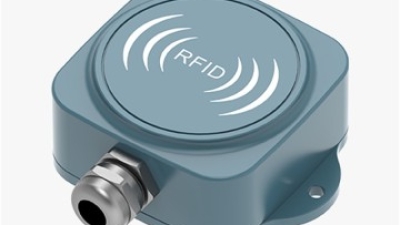
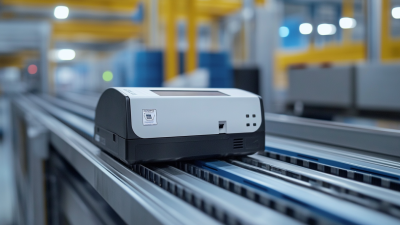
As more and more industries jump on the automation bandwagon and start leveraging advanced tech, the importance of Rfid Reader Writer devices really can’t be overstated. They’re pretty much the backbone of boosting efficiency and keeping data organized. I recently read that the global RFID market is expected to skyrocket—from around $10.2 billion in 2020 to approximately $24.5 billion by 2025, growing at about 19.2%a year. That’s a huge jump! The main reasons behind this boom? companies really need accurate inventory tracking and smoother supply chain operations, whether they’re in retail, logistics, or manufacturing. 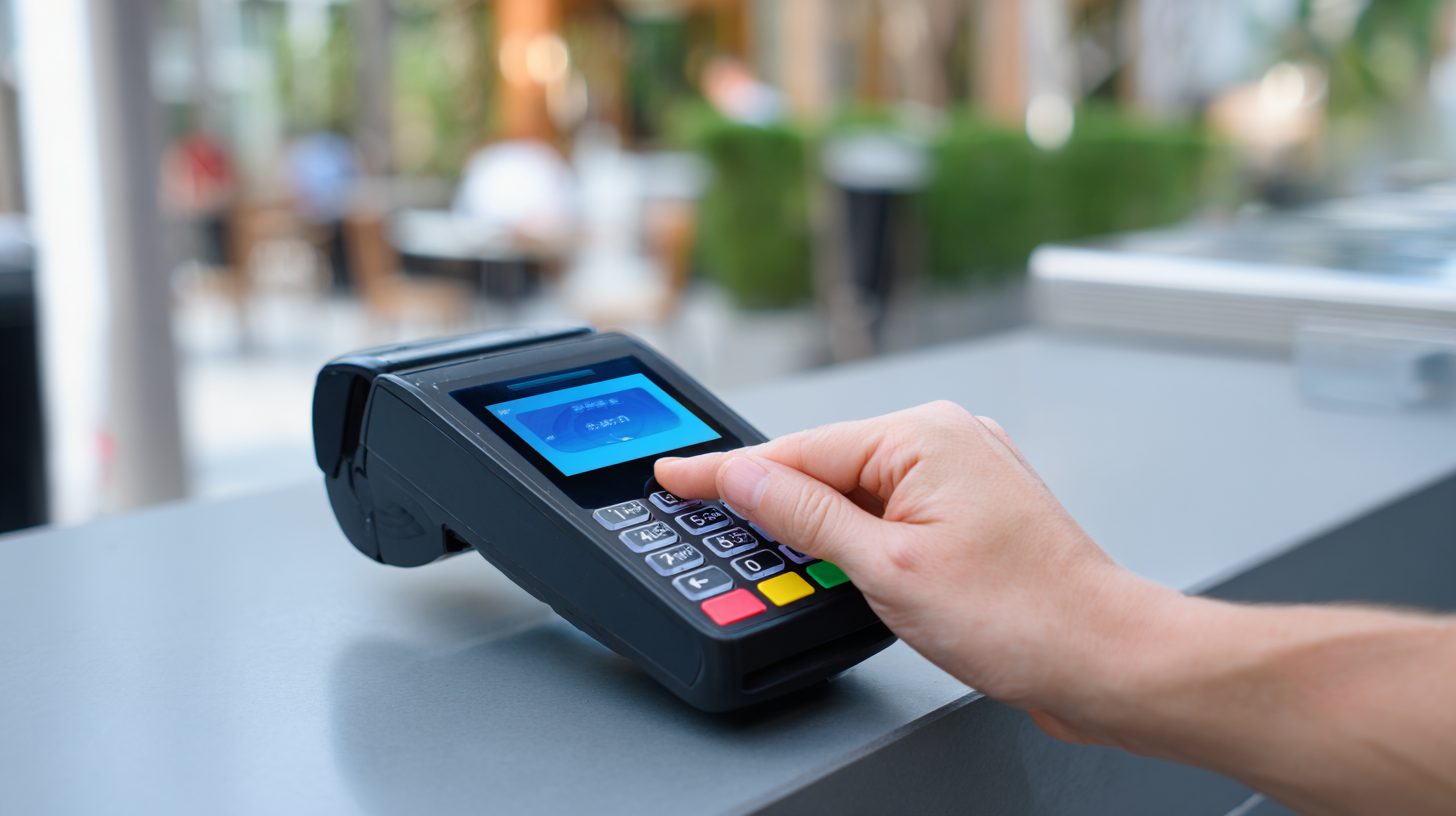 MingQ Technology Limited, by the way, is a pretty solid player in the IoT world—focusing on smart hardware and software solutions that combine information sharing, AI, and industrial IoT stuff. If you’re a business looking to get into RFID Reader Writer devices, I’ve put together some essential tips in this post to help you navigate the options. Basically, it’s all about helping your business run smarter, more efficient, and giving you a serious edge over the competition.
Key Factors to Consider When Choosing RFID Reader Writer Models
When you're out shopping for an RFID reader or writer, there are a few key things you should keep in mind—they can really make a difference in how well the device works and how smoothly it fits into what you've already got going on. I came across a recent report from MarketsandMarkets that said the RFID market is expected to double from around $11.66 billion in 2021 to over $22 billion by 2026. That kind of growth shows just how much these gadgets are becoming essential across different industries.
One of the main things to think about is the frequency of the RFID system. You’ve got low frequency (LF), high frequency (HF), and ultra-high frequency (UHF)—each has its own sweet spot when it comes to uses and how far the tags can be read. For example, UHF RFID systems can cover a much larger distance, making them really handy for keeping track of inventory in big warehouses. In fact, a study by the RFID Research Center found that using UHF RFID in retail helped improve inventory accuracy by up to 99%. Pretty impressive, right?
Another big factor is making sure the new RFID reader works well with what you already have. You don’t want to end up stuck with a device that doesn’t play nicely with your current software or hardware—that can get expensive fast. Also, it’s worth checking out how fast it can read data. A quicker reading speed can seriously boost your efficiency. Companies that have gone for high-performance RFID gear often see up to 30% savings in time when managing their logistics and supply chains. So, yeah, picking the right one really makes a difference!
Unlocking Efficiency with RFID Reader Writer Essential Tips for Global Buyers
| Model | Frequency | Read Range | Connectivity | Power Supply | Price (USD) |
| Model A | 13.56 MHz | 10 cm | USB, Bluetooth | Rechargeable Battery | 150 |
| Model B | 125 kHz | 5 cm | Wired | AC Adapter | 80 |
| Model C | 860-960 MHz | 100 cm | Wi-Fi, Ethernet | External Power Supply | 300 |
| Model D | 2.4 GHz | 20 cm | Bluetooth, NFC | Battery Operated | 200 |
A Comprehensive Comparison of RFID Reader Writer Technologies
In today’s fast-changing world of inventory management and Asset Tracking, using RFID technology has become more and more important. If you’ve seen reports from sources like Grand View Research, you’ll notice the global RFID market is expected to hit around $40.6 billion by 2026, growing at roughly 14.7% annually. This boom is largely thanks to recent advances in RFID reader and writer technology, which now do a better job of collecting and managing data than ever before.
When you’re comparing different RFID reader/writer tech, it’s really worth paying attention to their operating frequencies—LF (Low Frequency), HF (High Frequency), and UHF (Ultra High Frequency). Each one has its perks. For example, UHF RFID readers can reach out to about 12 meters, so they’re perfect for big-scale operations. On the flip side, LF systems are better in environments where security is a priority, even if they’re a bit slower. A study from IDTechEx points out that UHF systems are expected to take over more than half of the market by 2025, mainly because they’re great for quick, high-volume scanning and cover a wide range.
And things get even more interesting when you think about how RFID tech is mixing with cutting-edge stuff like IoT and AI. According to MarketsandMarkets, the market for IoT-enabled RFID is projected to blow past $10 billion by 2024. That kind of tech integration means real-time data insights—making it easier for businesses, whether in retail or logistics, to make smarter decisions and run more smoothly. As companies look for ways to streamline their processes, understanding the ins and outs of different RFID options is going to be key for everyone trying to stay ahead and improve efficiency worldwide.
Evaluating Cost-Effectiveness: Budgeting for RFID Solutions
Thinking about RFID solutions? One of the biggest things to keep in mind, especially for folks looking at things globally, is whether it's actually cost-effective. Honestly, the first step is to set a clear budget right from the get-go. This isn’t just about buying the RFID readers and writers — it also includes the costs for installation, ongoing maintenance, and training your team to use the new tech. Getting these numbers down early helps you avoid surprises and makes sure your investment pays off in the long run.
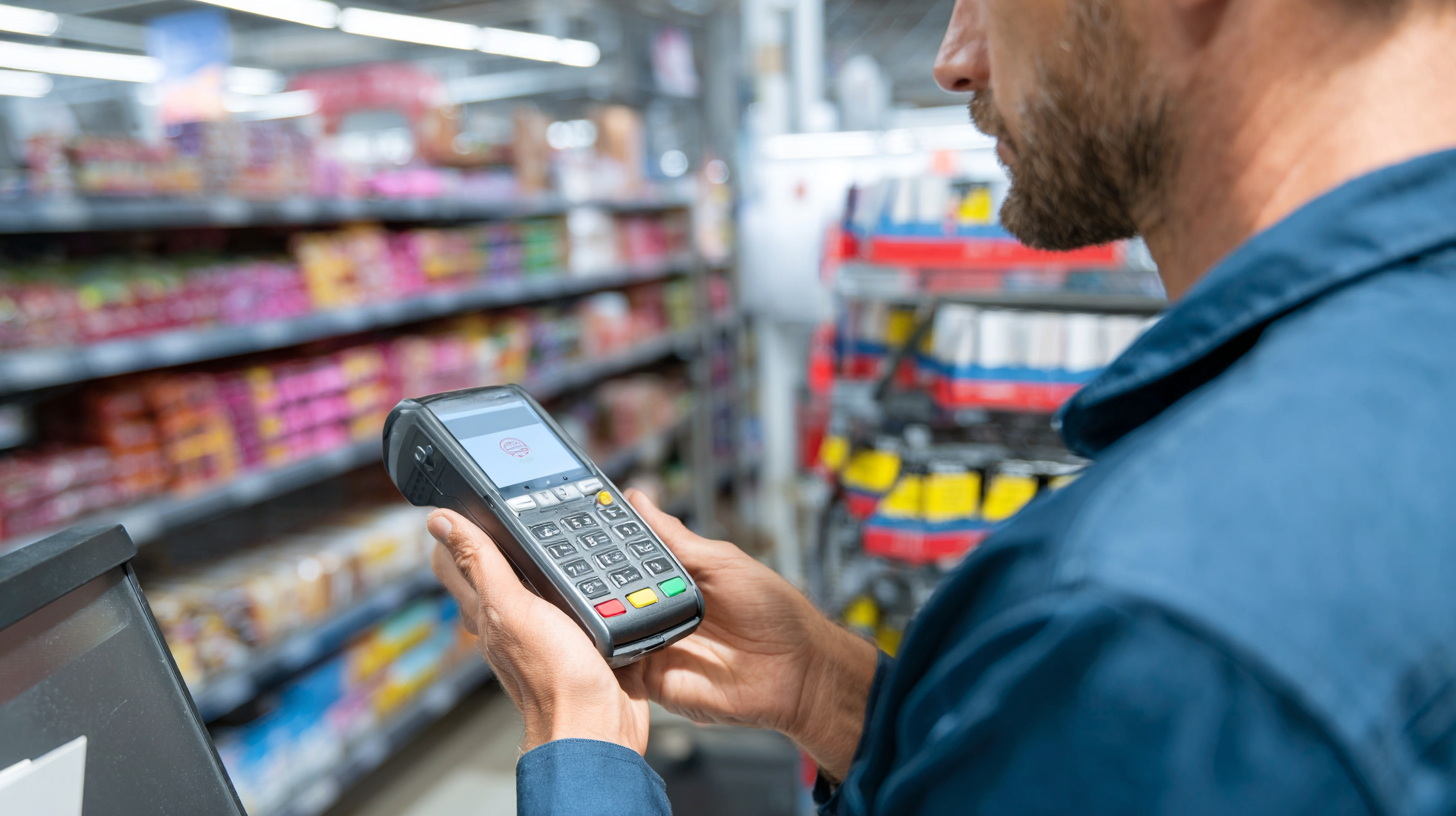 Plus, it’s really worth thinking about the savings RFID can bring down the line. Things like better inventory control, improved tracking of goods, and fewer errors can boost your efficiency big time. It’s good to analyze how RFID fits into your existing workflows and how it can cut down on manual work or mistakes. If you look at both the upfront costs and the potential savings, you’ll be in a better position to make smart decisions that match your company’s goals — and truly unlock what RFID is capable of doing for you.
Understanding Compatibility: Ensuring RFID Systems Work Together
Getting a good handle on how different RFID systems work together is super important, whether you're just a user or running a business trying to beef up security. When you’re setting up RFID tech, one thing that often trips people up is making sure all the devices—like the readers and tags—can talk to each other without a hitch. This can be a real pain, especially in places like office buildings or parking garages, where incompatible systems can cause head-scratching access issues. But if you get the systems to play nice together, it means smoother entry for everyone and a more efficient operation overall.
On top of that, the tech keeps evolving, with cool innovations like RFID blocking cards and embedded antennas that make these systems even more dependable. Not only do they shield against digital theft, but they also make the whole experience smarter and easier. As people around the world look for RFID solutions, it’s really smart to pick systems that can adapt and work seamlessly with what you already have. In the end, making well-informed choices about RFID gear pays off big time—giving you more secure, reliable access and peace of mind.
Real-World Applications: How Different Industries Use RFID Reader Writers
You know, RFID reader-writer tech is really shaking things up across a bunch of industries. It's making everything more efficient and way more accurate. I was just reading a recent report from Grand View Research — apparently, the global RFID market is expected to hit around $40 billion by 2027! That growth is mainly driven by sectors like retail, healthcare, and logistics. In retail, for example, RFID systems let stores track inventory in real-time, which cuts down stock errors by up to 25%. That’s a huge boost for supply chains and it makes customers happier, too.
Over in healthcare, these RFID devices are quite the game-changer. They’re used to keep tabs on equipment and manage patient records. A study published in the Journal of Healthcare Engineering found that hospitals using RFID saw a 30% drop in lost equipment and cut down almost half the time needed to find instruments during surgeries. Pretty impressive, right? It’s clear that RFID tech is really making a difference across the board.
**Quick tip:** If you’re thinking about jumping into RFID, it’s smart to look at the reading range and check if it works smoothly with your current systems — gotta make sure everything fits together without a hassle. And don’t forget, training your team on how to use RFID properly can make all the difference. When staff are on board and know what they’re doing, you’ll see operations running smoother and efficiency boosting overall.
Tips for Sourcing Reliable RFID Reader Writers from Global Suppliers
When you're looking for reliable RFID reader writers from suppliers around the world, the first thing you should do is some solid digging. It’s important to find trustworthy manufacturers who have a good reputation and a history of producing quality gear. Look for ones that have been around for a while and have positive reviews or case studies showing their tech really works. Checking whether they have certifications like ISO or other industry standards can give you a bit of peace of mind—it's a good sign that their products meet global quality requirements.

After that, think about what your specific needs are. Different RFID reader writers come with a bunch of features, so it’s key to find ones that fit your environment. Make sure to chat with potential suppliers about things like communication protocols, read ranges, and whether their stuff is compatible with your existing setup. And don’t be shy about asking for samples or demos first. Trying out a product before pulling the trigger helps you see how well it performs—and it also gives you a chance to gauge how responsive the supplier is, especially when it comes to customer support. That’s super important if you’re thinking long-term.
Finally, don’t forget to negotiate some clear terms. You want to make sure there’s a solid warranty and good after-sales support in place. Establishing open lines of communication with your supplier means issues can get sorted out quickly, which will save you a lot of headaches and make the whole process smoother.
Streamlining Asset Management: The Role of the Industrial-grade High-frequency Integrated Reader GRH-I65
In today's fast-paced industrial environment, effective asset management is crucial for optimizing operations and enhancing productivity. The emergence of advanced technologies has paved the way for innovations like the GRH-I65, an industrial-grade high-frequency integrated reader designed to streamline asset management processes. With its robust capabilities, the GRH-I65 stands out as a versatile tool that can simplify the way businesses track and manage their assets.
One of the key features of the GRH-I65 is its support for multiple communication options, including TCP/IP, RS485, and RS232. This flexibility allows users to choose the most suitable communication method based on their unique operational requirements, ensuring seamless integration into various existing systems. Whether you are implementing customized solutions or seeking general-purpose products, the GRH-I65 caters to a range of needs while enhancing compatibility across diverse environments.
Moreover, the commitment to high quality and cost-effective service sets the GRH-I65 apart from other asset management solutions. As organizations increasingly rely on technology to drive efficiency, having a robust HF reader like the GRH-I65 can significantly impact asset tracking and management strategies. With a dedicated support team ready to respond to inquiries and provide detailed product quotations, businesses can confidently invest in the GRH-I65 to elevate their asset management capabilities.
FAQS
: The main types of RFID systems are low frequency (LF), high frequency (HF), and ultra-high frequency (UHF). Each has unique applications and range capabilities, with UHF systems being ideal for inventory management due to their longer reading distances.
Compatibility is vital to ensure that the selected RFID reader writer integrates seamlessly with existing software and hardware systems, avoiding costly replacements or upgrades that could disrupt operations.
RFID technology can significantly improve inventory accuracy, with studies showing improvements of up to 99% in retail environments. This is largely due to enhanced tracking and reduced manual errors.
Buyers should establish a clear budget that includes initial purchases, installation, maintenance, and training costs. It's also important to consider potential long-term savings that RFID can bring through improved efficiency and reduced labor costs.
High-performance RFID solutions can enhance operational efficiency with faster read speeds, leading to time savings of up to 30% in logistics and supply chain operations, thereby improving overall productivity.
Ensuring compatibility among various RFID devices, such as readers and tags, allows for effective communication and seamless integration, which enhances security, especially in controlled environments like office buildings or parking garages.
Innovations such as advanced RFID blocking cards and embedded antennas enhance the reliability of RFID systems by preventing digital theft and ensuring better performance in security applications.
Organizations can assess the ROI of RFID investments by analyzing improvements in inventory management, better tracking of goods, and reductions in labor costs while considering both upfront costs and long-term savings for a comprehensive evaluation.
Conclusion
In today’s fast-moving business world, picking the right RFID reader and writer can make a big difference when it comes to making operations smoother and more efficient. If you’re a global buyer, this post is for you — I’ll share some key tips to help you out. We’ll talk about things like choosing the right model, comparing different technologies, and keeping costs in check. It's also super important to understand how different RFID systems work together — seamless integration really matters, especially when you’re applying this tech across various industries.
Here at MingQ Technology Limited, we're proud to offer top-quality IoT hardware and software products, including some pretty advanced RFID readers and writers. We focus on sourcing reliable components from all around the world, so businesses can get the most out of their RFID investments. This tech can be a real game-changer — helping you grow, boost productivity, and stay ahead of the curve. We’re here to help you make it happen!

 Rotary HF RFID Tag Reader GRH-I40 Suitable for Assembly Lines
 Industrial-grade High-frequency Integrated Reader GRH-I65 Suitable for Asset Tracking
 With ESD Protection HF RFID Reader GRH-I68 Suitable for Progress Tracking
 Proximity HF RFID Reader GRH-M30 Suitable for Manufacturing Workshops
 Desktop HF RFID Scanner GRH-D80-HID Suitable for Card-issuing Applications
 High Frequency Medium Distance Reader GRH-I90 Suitable for Logistics Production Line
 UHF RFID Portals and Tunnel Machine RFly-AM3000 for Access Control
 Narrow RFID Portals Series TD-P20040-SS for Single Tag Entry and Exit Identification Scenario
 RFID Transmission Line Simple Identification Tunnel Machine (TD-T3050)
 Vision and RFID Tunnel Machine TD-T7692-RV for Logistics Sorting
 RFID Transmission Line Identification Tunnel Machine TD-T10090
 RFID Mobile Inventory Tunnel Machine TD-T65150 for Conveyor Belts
 High-Performance Far-Field Antennas for Broad Coverage.
 Multi-Purpose Antennas: Flexibility for Diverse Applications
 Near-Field Antennas for Short-Distance Tag Detection.
 Portals & Tunnel Antennas for Integrated RFID Series
 Slimline PCB Antennas for Warehousing and Logistics
 Miniaturized and Thin Antennas can Provide Good Performance in a Smaller Size.
 GPS Tracker for Vehicles, Car, Kids, Assets.
 CO2 Sensors Detect CO2 Gas through Alarms, Suitable for Offices, Planting Tents.
 Door Sensor, Detect Open and Closed Doors or Windows, Sends Alerts, Triggers Siren.
 Wireless Level Sensor Equipped with a 5-Meter Detection Line, Suitable for Water Tanks
 Real Time Monitoring of Air Quality Using PM2.5/PM10 Sensors.
 Smoke Sensor, Fire Alarm Smoke Detector with Test Button and Low Battery Reminder.
 Soil Stress Sensor,Bridge and Tunnel Monitors.
 Vibration Sensor Monitors Equipment, Like Conveyors and Motors, for Operational Status.
 E -Paper Display
 Smart Water Sensor Alarms, 1.2 M Detection Line.
 CO Sensor for Basements Home Office House Bedroom Living Room Car, Light Plug and Play.
 Temperature and Humidity Sensor
 Multi-sensor GD-ME
 Temperature Sensors Monitor the Surface Temperature of Various Heating Equipment.-1
 Signal Enhancement Terminal, Long Range Coverage.
 Multi-Protocol Communication Gateway, App Remote Control.
 Edge Vision Gateway can Access Various Mainstream Cameras, Suitable for Office, Factory.
 GBS-3550 Outdoor Sensor Gateway,LoRa, 2/3/4G Communication.
 Smart WiFi Gateway, Realize Remote Control.
 Ultra-Low-Power Solar-Powered Intelligent Gateway (Outdoor)
 IP67-protected Integrated RFID Reader Writer RFly-I165 for Supply Chain
 Long-range Distance UHF RFID Reader RFly-I195 for Inventory Management
 Small UHF RFID Tag Reader RFly-I300 for Cars
 Two-channel Compact Fixed RFID Reader RFly-F210 for Warehousing
 Four Channels Fixed UHF RFID Reader RFly-R6 for Supply Chain
 8-channel UHF RFID Tag Reader RFly-R8 for File Cabinet Identification
 Bluetooth Portable RFID Reader and Writer GRU-HBT100 for Inventory Management
 Industrial Grade Handheld UHF RFID Reader GRU-HC520 Suitable for Logistics
 RFID Gateway Networking System
 RFID Passive Temperature Measurement System
 RFID Tags for Container Turnover Management
 RFID Tags for Equipment O&M Management
 RFID Tags for Manufacturing Management
 RFID Tags for Tool Management
 A Kits for Equipment Condition Detection
 A Kits for Office Computer Room Environment Monitoring
 A Kits for Reservoir Environmental Monitoring
 A Kits for Storage Space Environment Monitoring
 A Kits for Stress Detection of Underground Tunnel
 A Kits for Urban Environment Monitoring
 Intelligent IoT Monitoring Platform
 Integrating Multiple Functional OTG Demo Software
 HF Demo Software
 UHF Demo Software