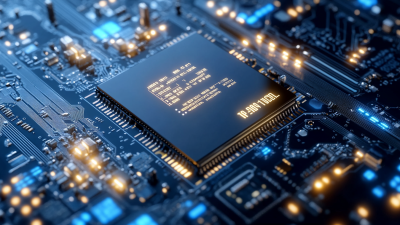
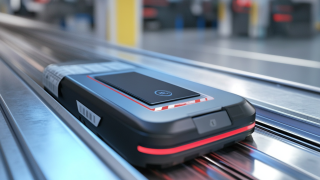
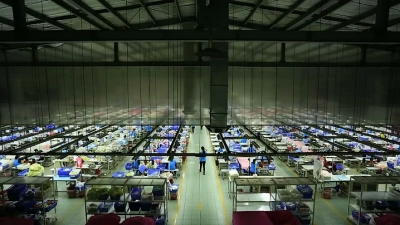
You know, in today's crazy fast-paced world of global supply chains, it's super important to keep everything running smoothly and accurately when it comes to tracking assets and inventory. That’s where Long Distance RFID Readers really shine! They’re a game changer for companies looking to boost their operations. With this tech, businesses can get real-time insights into what's happening throughout their supply chain, making it way easier to track goods from the manufacturing line all the way to distribution. This means fewer mistakes and a big lift in productivity. As supply chains get more and more complicated, bringing in high-tech solutions like Long Distance RFID Readers isn’t just a nice-to-have; it’s a must if you want to stay ahead in the game.
At MingQ Technology Limited, we’re all about helping businesses thrive with our state-of-the-art IoT solutions that ramp up efficiency. We’re pretty clued up on things like information communication, artificial intelligence, and industrial IoT, which puts us right at the cutting edge of tech innovation. By bringing Long Distance RFID Readers into the mix, we’re helping organizations really unlock their potential—driving not just efficiency but also smarter decision-making and happier customers. So, why not join us on this journey to see how these snazzy RFID technologies could redefine the future of global supply chain management?
The Growing Role of RFID Technology in Global Supply Chain Operations
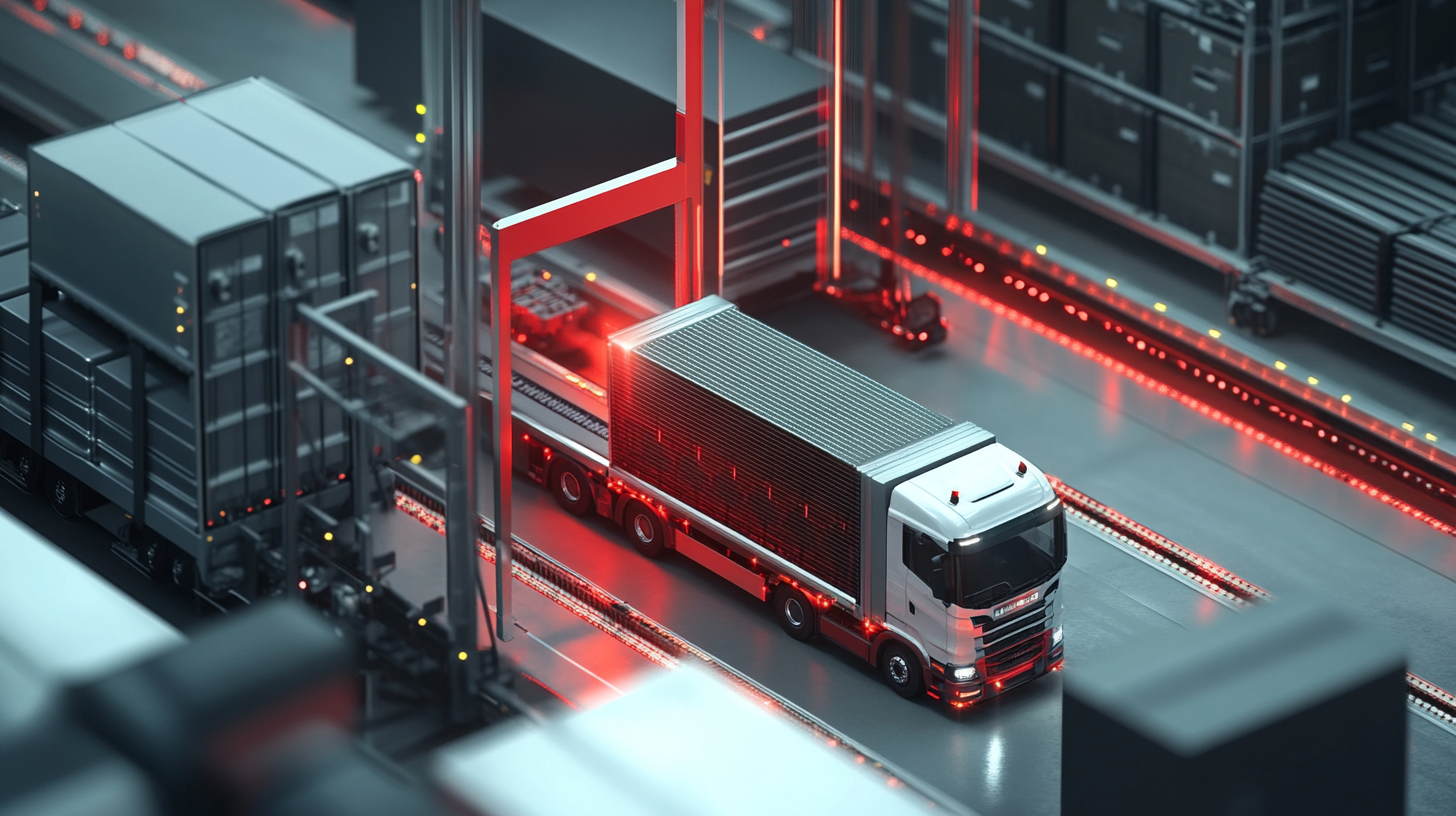
You know, RFID technology is really shaking things up in global supply chains these days. As companies look to boost their efficiency and get things right, this tech is proving to be pretty essential. So, what’s cool about Radio Frequency Identification (RFID) systems is that they let businesses track their inventory in real time, which seriously cuts down on the chances of human error. By putting RFID Tags on products and shipping containers, companies can keep tabs on their stuff from the moment it leaves the warehouse to when it lands at its final destination. It really helps them maintain a clear overview of what's happening in their supply chain. In today’s fast-paced market, you really can't afford to be slow on the uptake. That’s where RFID technology comes in handy. It helps businesses quickly figure out inventory levels and how products are moving, which makes things like order fulfillment a whole lot smoother. This is especially important when dealing with tangled global supply chains that include different players and regulations. With long-distance RFID readers, companies can get better visibility into their operations, enabling them to make decisions on the fly and tackle any hiccups that might pop up. Plus, integrating RFID technology isn’t just about tracking; it opens the door to better data analytics too. Companies can dive into insights about inventory trends, how efficient their shipping is, and even how well their suppliers are performing. This kind of information can make a huge difference in strategic decision-making. As RFID systems keep advancing, their uses are becoming more varied — think automated replenishment systems or even predictive inventory management. Not only does all this improve how businesses run their operations, but it also helps strengthen collaboration across the supply chain. In the end, this gives companies a leg-up in today’s competitive global landscape.
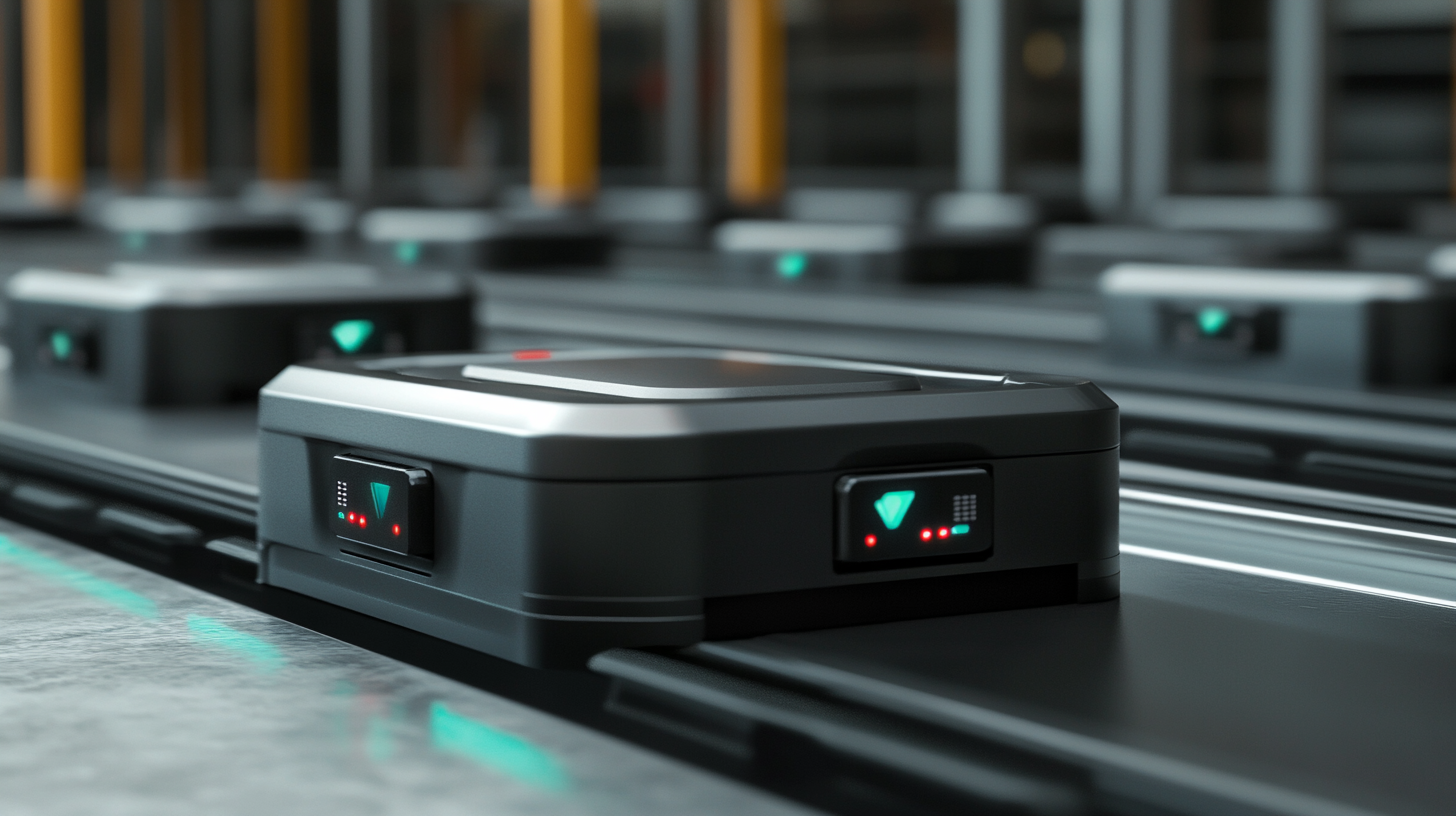
Efficiency Gains with Long Distance RFID Readers: A Statistical Overview
You know, long-distance RFID technology is seriously changing the game when it comes to supply chain management. It's pretty amazing how it boosts efficiency and accuracy. For instance, a report from RFID Journal mentioned that companies using RFID systems have their inventory accuracy shoot up to over 95%! That’s a huge jump compared to the about 63% you get with traditional barcode systems. I mean, in the world of global supply chains, even the smallest errors can really cost a company big time and create a mess.
But there’s more! It’s not just about accuracy; the operational perks are really something to talk about. According to the Aberdeen Group, organizations that use RFID for tracking inventory can slice their order cycle times by as much as 50%. That’s especially crucial for businesses that deal on a global scale where getting products delivered on time can totally set them apart from the competition. Plus, the fact that these RFID systems can read tags from over 100 meters away means companies can streamline their processes, cut down on manual handling, and really amp up their team’s productivity.
And let’s talk about money for a second. The financial benefits of going for long-distance RFID technology are hard to ignore. A study from the University of Arkansas found that it can actually help lower labor costs by up to 20%! As supply chains keep expanding worldwide, diving into RFID tech is an awesome chance for businesses to fine-tune their operations, save some cash, and keep customers happy. Honestly, all these stats show that long-distance RFID isn’t just better for managing inventory; it seriously cranks up the overall efficiency of the supply chain.
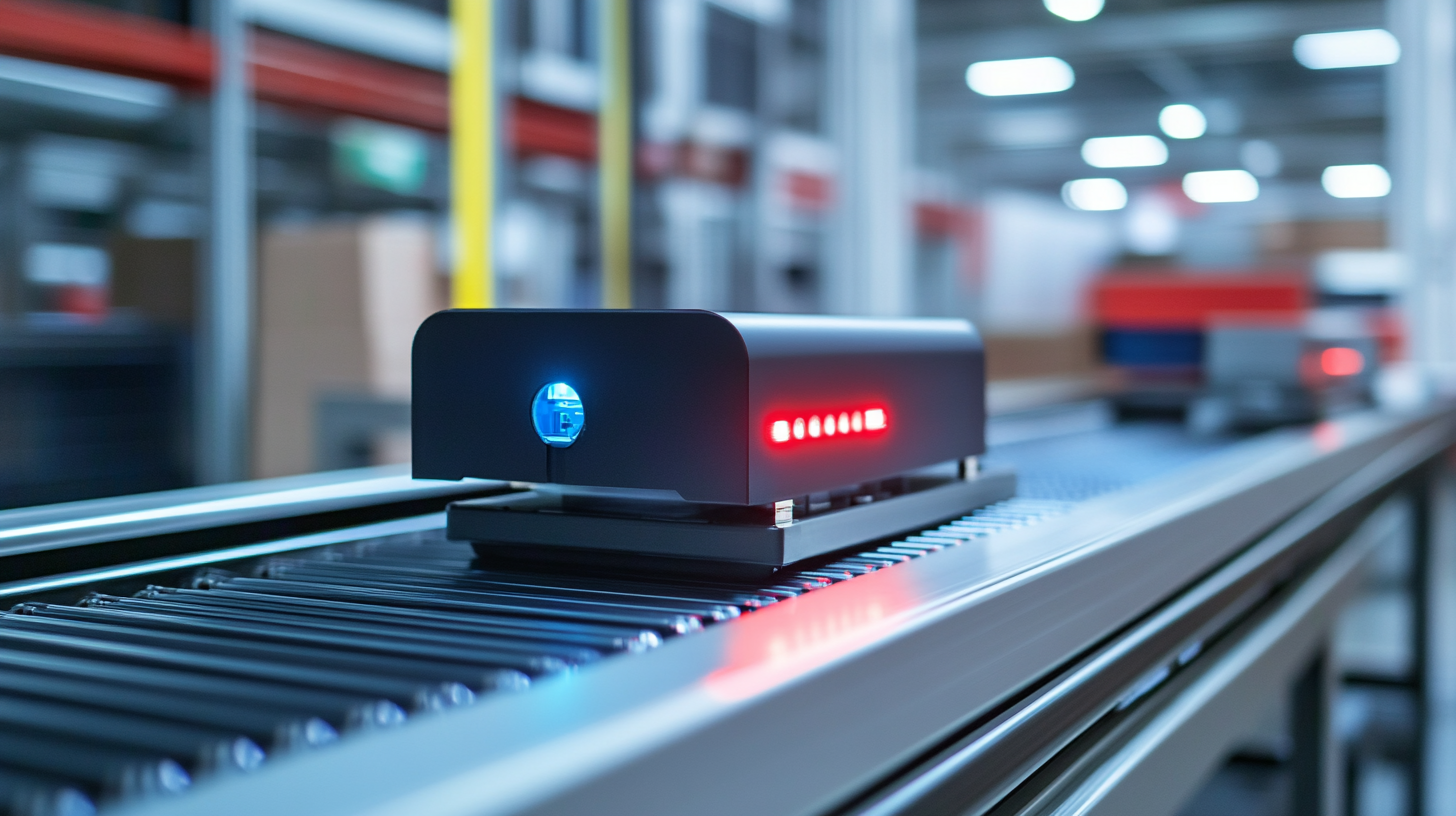
Real-Time Inventory Tracking: Impact on Operational Costs and Accuracy
You know, long-distance RFID readers are really shaking things up in global supply chain management, especially when it comes to tracking inventory in real time. These nifty gadgets give businesses an eye on their stock levels no matter how far apart they are, which is a game changer for efficiency. With real-time data at their fingertips, companies can keep an eye on their inventory all the time, which helps them avoid those pesky overstock and stockout situations that can really hurt their bottom line. This means they can fine-tune their logistics and keep their inventory turning over nicely, ultimately saving a good chunk of change.
And let’s not forget about the cool stuff that comes with blending advanced tech like AI and Iot Sensors with RFID systems. These tools crank out predictive analytics that can nail down demand patterns a lot better, letting businesses tweak their inventory strategies on the fly. This kind of foresight helps them cut down on waste and makes their supply chains way more agile. The combo of being able to track stuff in real time and having smart analytics really boosts accuracy and sharpens decision-making, which means better resource management and happier customers.
As supply chains get more tangled and complicated, using long-distance RFID tech along with real-time data analysis can give companies a serious leg up. Those who jump on this innovative bandwagon can achieve a level of visibility and efficiency that totally changes how they operate. The effect on operational costs is huge, as businesses not only rein in excess inventory but also get faster at responding to market swings. In this fast-paced world we live in, keeping up with tech trends is essential to staying on top of their game.
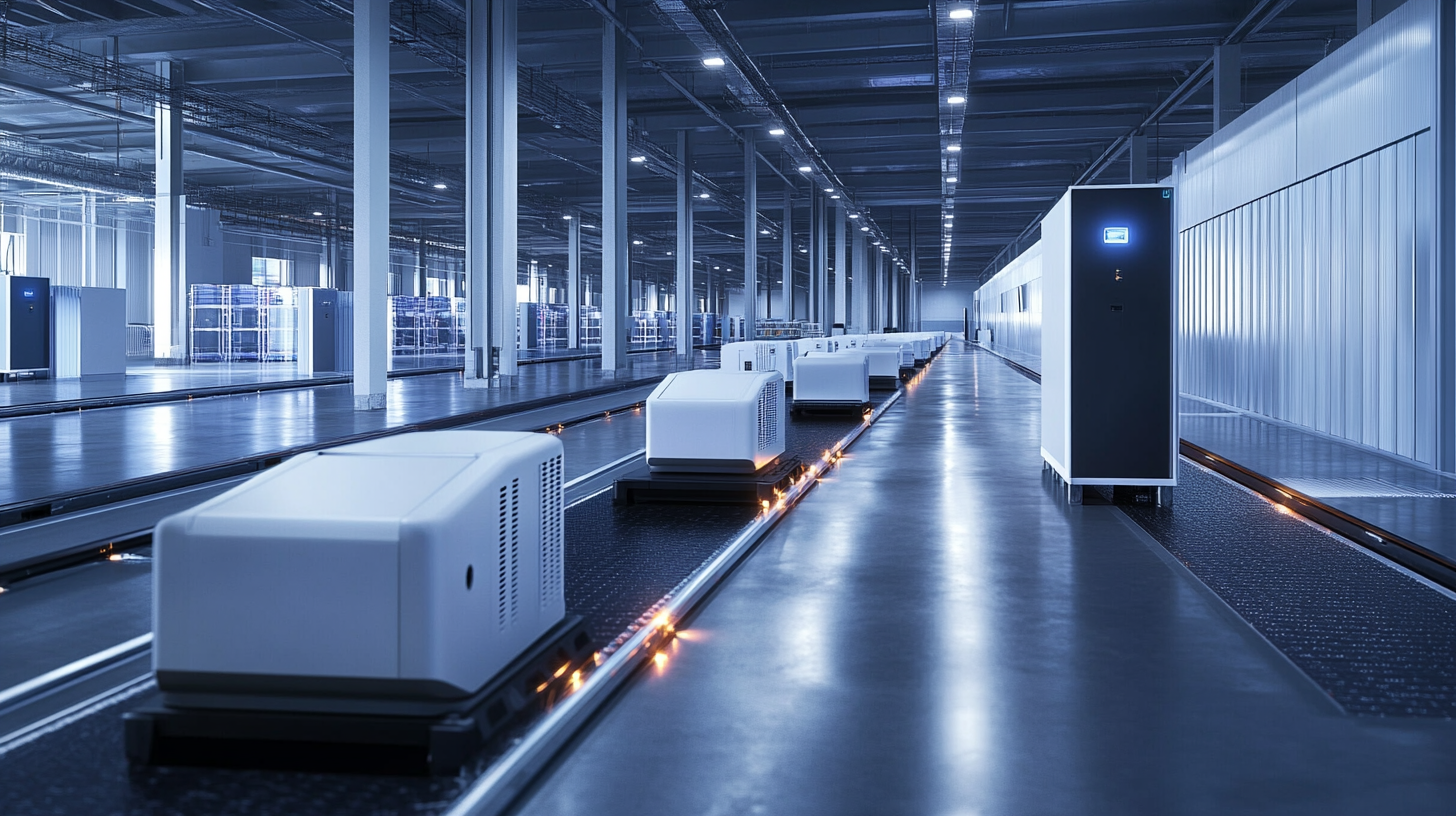
Case Studies: Successful Implementation of RFID in Supply Chains
When it comes to global supply chain management, RFID technology—short for Radio-Frequency Identification—has really shaken things up. You look at various case studies across different industries, and it’s clear that companies are using long-distance RFID readers to boost their operational efficiency big time. Take Inditex-Zara, that popular Spanish fast fashion retailer, for example. They've embraced a super agile supply chain model that leverages RFID to keep an eye on their inventory in real-time. This means they're able to restock faster and avoid stockouts. Pretty neat, right? This agility not only smooths out their operations but also slashes their logistics costs quite a bit.
Plus, we’re seeing a similar trend in other areas, like food supply chains, where RFID adoption is really taking off. Research shows that various factors—think tech, organizational structure, and the broader environment—are super important in this transition. Companies that manage to navigate these complexities often report some serious savings and way better transparency in their supply chains. One major food distributor shared a case study where they saw a significant drop in spoilage rates and a more efficient recall process—all thanks to RFID. It really shows how this tech can help cut costs and improve management.
All of these examples highlight just how transformative RFID technology can be in today’s supply chains. It’s helping companies stay competitive in a fast-moving market. By using those long-distance RFID readers, businesses aren’t just fine-tuning their operations; they’re also building resilience against potential supply chain hiccups.
Enhancing Visibility and Transparency in Global Logistics through RFID
You know, in our crazy fast-paced world of logistics, having good visibility and transparency is absolutely crucial for managing supply chains effectively. One of the game-changing technologies in this space is RFID, or Radio Frequency Identification. A report from Grand View Research suggests that the RFID market could hit a whopping $40 billion by 2027, which really shows how more and more sectors, logistics included, are jumping on this bandwagon. By using long-distance RFID readers, companies can seriously boost their tracking capabilities throughout the supply chain, which means they can gather and analyze data in real-time—not too shabby, right?
With these long-distance RFID readers, businesses can keep an eye on their inventory from quite a distance, and they don’t even need a clear line of sight! This is huge, especially for global operations where products are all over the place. An IBM study found that companies using RFID could nail their inventory accuracy by up to an astonishing 99.9%. That kind of accuracy isn't just nice to have; it really helps businesses cut down on losses from misplaced items and fine-tune their stock levels, making resource allocation way more efficient.
Plus, the visibility boost from RFID technology isn’t just about the numbers—it also helps with compliance and being more sustainable. The GS1 Global Data Synchronization Network shared that organizations using RFID can offer up solid data to stakeholders, which adds that much-needed transparency regarding sourcing and environmental impact. As consumers are really starting to care about accountability in supply chains, companies that have RFID tech in their corner are better positioned to meet these growing expectations, building trust and loyalty with their customers. So, by embracing this innovative technology, businesses can not only survive but really thrive in a tough market while sticking to the principles of visibility and transparency.
Comparative Analysis: RFID vs. Traditional Tracking Technologies
When it comes to global supply chain management, keeping track of goods efficiently is super important. Lately, the rise of Radio Frequency Identification (RFID) systems has made a lot of folks sit up and rethink the traditional tracking methods we’ve relied on for so long. Sure, barcodes and manual entry have been the go-to options in inventory management, but let’s face it—they come with their own set of hassles regarding speed and accuracy. On the other hand, RFID can read multiple tags at once without needing a direct line of sight, which is a game-changer for boosting operational efficiency.
Take a step back and compare. Traditional methods often demand a lot of manual work for scanning and data entry. This can lead to human errors and annoying delays. RFID systems, especially those long-distance readers, really help ease those pains by allowing real-time data capture over large areas. This isn't just about making the tracking of assets easier; it also gives businesses clearer visibility into their supply chains. With more information at their fingertips, companies can make smarter decisions and better allocate their resources.
Plus, while barcodes can only be scanned one at a time, RFID has got the upper hand by letting you identify a bunch of items in one go. This nifty advantage means quicker turnaround times and lower labor costs. As supply chains get more complicated globally, it’s pretty clear that RFID technology is a step up from the old-school methods. It’s becoming a must-have for any company looking to streamline their operations and really make the most of their efficiency.
Future Trends in RFID Technology and Supply Chain Management
You know, the future of RFID technology is really gonna shake things up in supply chain management. It’s all about making things more efficient and accurate when it comes to tracking goods around the globe. Thanks to some pretty cool advancements in long-distance RFID readers, businesses can now keep an eye on their inventory in real-time. Imagine getting instant updates and smoothing out logistics like never before! It’s a game-changer that slashes those pesky errors in stock management and helps companies cut down on operational costs by optimizing how they use their resources.
As RFID keeps developing, we’re also seeing it get cozy with artificial intelligence and the Internet of Things (IoT). These partnerships really crank up data analytics, helping organizations predict what customers are gonna want and tackle any bumps in the supply chain more effectively. And let’s not forget about blockchain. When it teams up with RFID, it’s a win for transparency and traceability, which is super important for building trust among everyone involved.
One more thing to consider is how environmental sustainability is becoming a big player in the future of RFID and supply chain management. With companies getting serious about reducing their carbon footprints, we’re likely to see a shift towards RFID tags that don't waste resources and energy-efficient readers. This green commitment not only helps them stay compliant with regulations but also catches the eye of eco-conscious consumers.
Challenges and Solutions in Deploying Long Distance RFID Systems
Deploying long distance RFID systems in global supply chains can definitely be a bit tricky. There are a ton of challenges out there that companies really need to figure out if they want to harness all the amazing potential this technology has to offer. One big hurdle? The environmental conditions can be super unpredictable, and these fluctuating conditions might end up impacting how well RFID systems actually perform. A recent report from MarketsandMarkets suggests that the RFID market is projected to hit a whopping $30.8 billion by 2025. That really shows there’s a growing demand for systems that can work well, no matter the circumstances.
Then there’s the issue of interoperability. You know, a lot of businesses are operating within pretty complex environments where multiple vendors and technologies are at play. This can lead to some serious headaches when it comes to integrating different RFID technologies and standards. According to a study from the International Journal of Production Economics, making sure these systems can work together is essential and could even cut operational costs by up to 20%. So, it’s super important for companies to pick flexible RFID solutions that can mesh well with their current systems, making data exchange along the supply chain a breeze.
And, let’s not forget about security! As businesses start relying more on RFID technology, they really need to get a handle on potential security vulnerabilities. A report from ABI Research points out that half of the organizations encountered security breaches related to RFID systems—yikes! These breaches can put sensitive information at risk and throw a wrench in operations. To tackle this, companies should definitely establish strong security protocols, like using encryption and regularly conducting audits, to ensure their long distance RFID systems are not just efficient but also secure as they expand across supply chains.
FAQS
RFID technology plays a vital role in global supply chain operations by enabling real-time tracking and management of inventory, significantly reducing human error and improving operational efficiency.
RFID tags affixed to products and shipping containers allow companies to monitor their assets from origin to destination, providing a clear view of inventory levels and product movements, which streamlines order fulfillment processes.
Responsiveness is crucial as it enables organizations to quickly identify inventory levels and product movements, helping them adapt swiftly to changing market demands and potential supply chain disruptions.
RFID technology facilitates improved data analytics by providing insights on inventory trends, shipping efficiency, and supplier performance, which supports informed strategic decision-making.
Inditex-Zara is an example of a company that has successfully implemented RFID technology, leading to faster replenishment cycles, reduced stockouts, and lower logistics costs through real-time inventory tracking.
The adoption of RFID in food supply chains is increasing, as it has been shown to reduce spoilage rates and enhance recall processes, contributing to cost savings and improved supply chain transparency.
Long-distance RFID readers enhance operational visibility, enabling proactive decision-making and immediate responses to potential disruptions within the supply chain.
Innovations such as automated replenishment systems and predictive inventory management are emerging from more sophisticated RFID systems, further enhancing operational efficiency in supply chains.
RFID technology fosters stronger collaboration across the supply chain network, which ultimately drives competitive advantage by improving communication and coordination among multiple stakeholders.
Technological, organizational, and environmental factors play a crucial role in the shift towards RFID adoption, impacting how companies navigate complexities and achieve supply chain efficiencies.

 Rotary HF RFID Tag Reader GRH-I40 Suitable for Assembly Lines
 Industrial-grade High-frequency Integrated Reader GRH-I65 Suitable for Asset Tracking
 With ESD Protection HF RFID Reader GRH-I68 Suitable for Progress Tracking
 Proximity HF RFID Reader GRH-M30 Suitable for Manufacturing Workshops
 Desktop HF RFID Scanner GRH-D80-HID Suitable for Card-issuing Applications
 High Frequency Medium Distance Reader GRH-I90 Suitable for Logistics Production Line
 UHF RFID Portals and Tunnel Machine RFly-AM3000 for Access Control
 Narrow RFID Portals Series TD-P20040-SS for Single Tag Entry and Exit Identification Scenario
 RFID Transmission Line Simple Identification Tunnel Machine (TD-T3050)
 Vision and RFID Tunnel Machine TD-T7692-RV for Logistics Sorting
 RFID Transmission Line Identification Tunnel Machine TD-T10090
 RFID Mobile Inventory Tunnel Machine TD-T65150 for Conveyor Belts
 High-Performance Far-Field Antennas for Broad Coverage.
 Multi-Purpose Antennas: Flexibility for Diverse Applications
 Near-Field Antennas for Short-Distance Tag Detection.
 Portals & Tunnel Antennas for Integrated RFID Series
 Slimline PCB Antennas for Warehousing and Logistics
 Miniaturized and Thin Antennas can Provide Good Performance in a Smaller Size.
 GPS Tracker for Vehicles, Car, Kids, Assets.
 CO2 Sensors Detect CO2 Gas through Alarms, Suitable for Offices, Planting Tents.
 Door Sensor, Detect Open and Closed Doors or Windows, Sends Alerts, Triggers Siren.
 Wireless Level Sensor Equipped with a 5-Meter Detection Line, Suitable for Water Tanks
 Real Time Monitoring of Air Quality Using PM2.5/PM10 Sensors.
 Smoke Sensor, Fire Alarm Smoke Detector with Test Button and Low Battery Reminder.
 Soil Stress Sensor,Bridge and Tunnel Monitors.
 Vibration Sensor Monitors Equipment, Like Conveyors and Motors, for Operational Status.
 E -Paper Display
 Smart Water Sensor Alarms, 1.2 M Detection Line.
 CO Sensor for Basements Home Office House Bedroom Living Room Car, Light Plug and Play.
 Temperature and Humidity Sensor
 Multi-sensor GD-ME
 Temperature Sensors Monitor the Surface Temperature of Various Heating Equipment.-1
 Signal Enhancement Terminal, Long Range Coverage.
 Multi-Protocol Communication Gateway, App Remote Control.
 Edge Vision Gateway can Access Various Mainstream Cameras, Suitable for Office, Factory.
 GBS-3550 Outdoor Sensor Gateway,LoRa, 2/3/4G Communication.
 Smart WiFi Gateway, Realize Remote Control.
 Ultra-Low-Power Solar-Powered Intelligent Gateway (Outdoor)
 IP67-protected Integrated RFID Reader Writer RFly-I165 for Supply Chain
 Long-range Distance UHF RFID Reader RFly-I195 for Inventory Management
 Small UHF RFID Tag Reader RFly-I300 for Cars
 Two-channel Compact Fixed RFID Reader RFly-F210 for Warehousing
 Four Channels Fixed UHF RFID Reader RFly-R6 for Supply Chain
 8-channel UHF RFID Tag Reader RFly-R8 for File Cabinet Identification
 Bluetooth Portable RFID Reader and Writer GRU-HBT100 for Inventory Management
 Industrial Grade Handheld UHF RFID Reader GRU-HC520 Suitable for Logistics
 RFID Gateway Networking System
 RFID Passive Temperature Measurement System
 RFID Tags for Container Turnover Management
 RFID Tags for Equipment O&M Management
 RFID Tags for Manufacturing Management
 RFID Tags for Tool Management
 A Kits for Equipment Condition Detection
 A Kits for Office Computer Room Environment Monitoring
 A Kits for Reservoir Environmental Monitoring
 A Kits for Storage Space Environment Monitoring
 A Kits for Stress Detection of Underground Tunnel
 A Kits for Urban Environment Monitoring
 Intelligent IoT Monitoring Platform
 Integrating Multiple Functional OTG Demo Software
 HF Demo Software
 UHF Demo Software