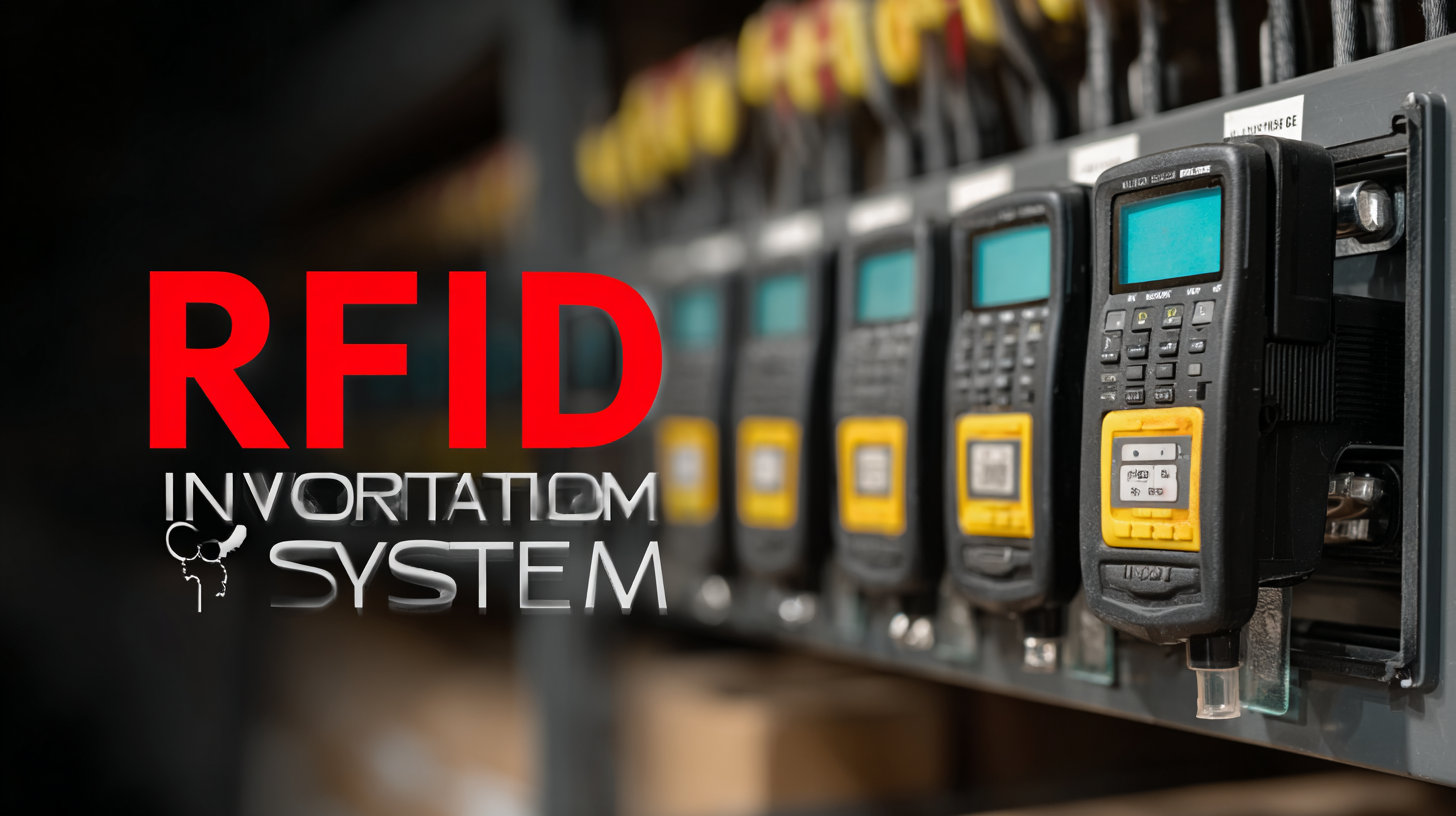
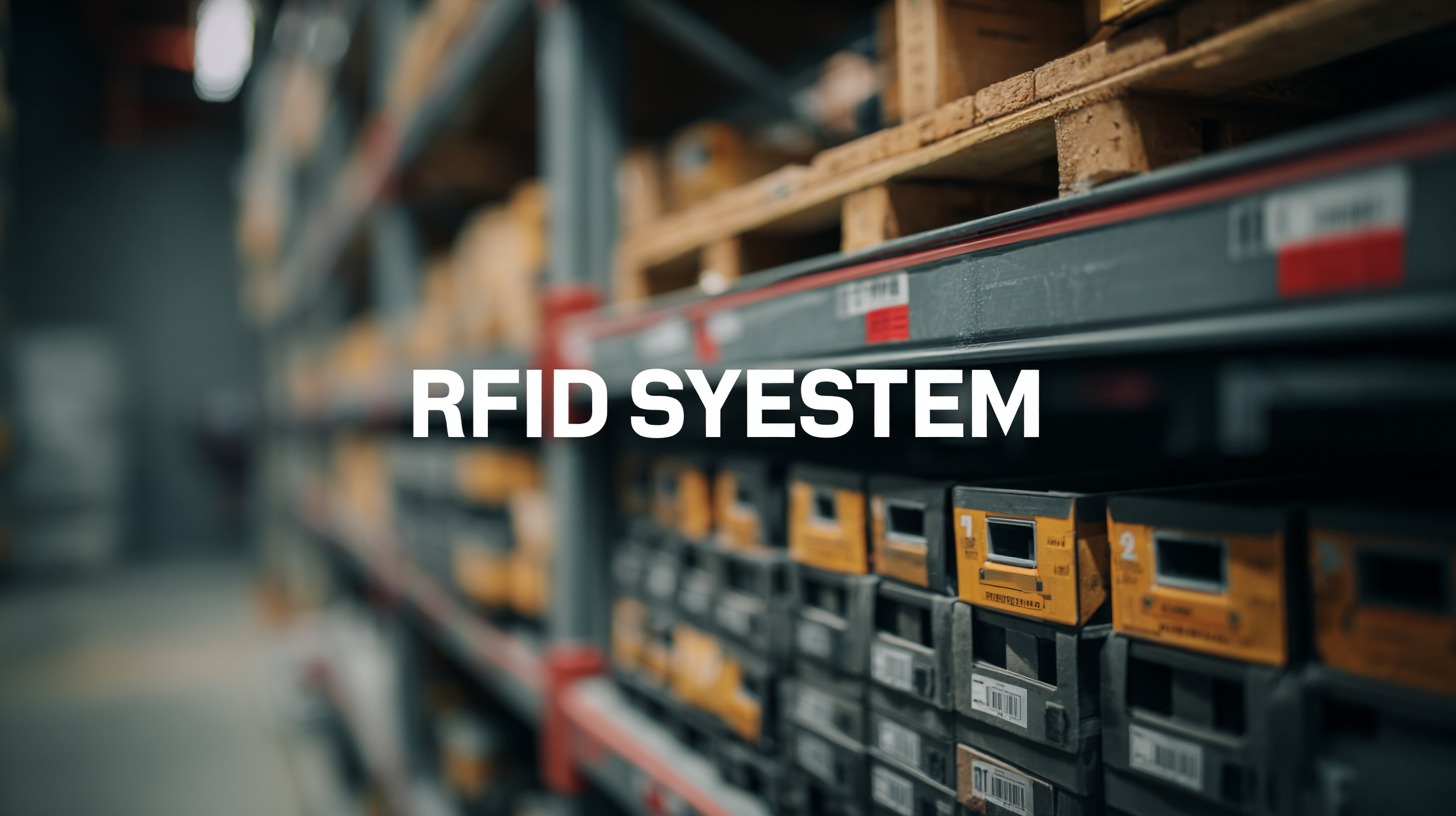
Hey there! You know, with how fast everything moves in the business world these days, getting a grip on inventory management is super important—more than ever, really. That’s where the Rfid Inventory Systemcomes into play, and honestly, it’s a total game-changer. As we dive into the world of digital innovations, it’s crucial to see how bringingRFID tech into the mix can really streamline operations, boost accuracy, and even cut down costs in managing inventory.
Check out MingQ Technology Limited—they're doing some impressive stuff in this space. They specialize in IoT software and hardware and are really killing it with solutions in information communication and artificial intelligence for diverse industries. By using top-notch RFID systems, businesses can get way better visibility and control over their inventory, which is key to staying competitive in such a quickly changing market. So, stick with us as we explore ten must-have digital innovations that’ll help take your RFID Inventory System to the next level, paving the way for a smarter and more connected future!
You know, RFID technology, or Radio-Frequency Identification if you want to get technical, has really changed the game when it comes to managing inventory. It’s not just faster; it’s way more accurate too. So here’s the scoop: RFID uses these electromagnetic fields to automatically pinpoint and track tags that are stuck onto various objects. Each of these tags has an electronic chip packed with data, and RFID readers can pick that up. This means businesses can get real-time info about how much inventory they have, where it's located, and even its status. With RFID in the mix, companies can cut down on the time and effort that goes into those tedious manual inventory counts, which ultimately leads to better resource allocation and smoother operations.
Now, a solid tip if you're looking to set up an RFID inventory system is to make sure you’re tagging everything properly. Pick the right type of tags—whether they’re passive or active—based on what you need for tracking. Trust me, this can really cut down on losses and boost data accuracy. And don’t forget to keep your RFID systems updated; you want to stay in step with the latest tech advancements.
Oh, and let’s talk integration. Connecting RFID with your existing inventory management software can really amp up your insights and analytics. This is the kind of synergy that helps businesses make smarter choices. And hey, be sure to train your staff on using those RFID tools effectively so everybody’s on the same page with how the technology works and the processes involved.
You know, having an effective RFID inventory system is super important for businesses that want to step up their inventory game. One standout feature is real-time tracking—it’s like having your goods on a digital leash! This awesome capability helps companies keep an eye on where their stuff is at all times, which really cuts down on those annoying cases of misplaced items. Plus, it gives you accurate inventory counts, which means better decision-making and smoother operations. Oh, and when you combine RFID systems with cloud software? That’s just a game changer. It makes accessing and analyzing data a breeze, letting businesses tweak things on the fly using data-driven insights.
And let’s not forget about automated inventory audits! These bad boys make stock-taking so much easier by getting rid of all that manual work. Thanks to RFID tech, you can scan items quickly without needing a straight line of sight. Seriously, it saves a ton of time on those inventory checks. On top of that, with advanced analytics tools working with RFID systems, you can actually predict stock levels and spot trends ahead of time. That way, you can stay ahead of the game in your inventory management. Overall, all these cool features make RFID inventory systems pretty much essential for any business that wants to optimize its supply chain and boost productivity!
You know, in today’s crazy fast-paced business world, tapping into the latest RFID solutions is a must if you want to keep things running smoothly and keep your inventory in check. So, RFID, which stands for Radio Frequency Identification, lets you track your inventory in real-time across different industries. It’s a game changer, really! Businesses can easily stay on top of their stock levels, which helps cut down losses. Plus, when companies integrate RFID systems, they can really automate the whole inventory process. That means faster data collection and a lot less chance for those pesky human errors.
One of the coolest things about RFID tech these days is the rise of smart tags. These babies don’t just identify stuff; they can also give you info about the environment, like temperature and humidity. That’s super helpful in places like food services and pharmaceuticals—monitoring those conditions can really help avoid spoilage and keep everything within safety regulations. And when you mix advanced analytics with RFID systems, it’s like hitting the jackpot! Businesses can dive deeper into their supply chain dynamics, leading to smarter decisions and better resource use. Embracing these new tools doesn’t just help with inventory control; it also boosts overall agility, which is fantastic for driving profits and keeping customers happy.
You know, the whole mix of RFID technology with the Internet of Things (IoT) is really shaking things up in inventory management. When you pair those nifty RFID tags with smart devices and sensors, businesses are actually getting a whole new level of visibility and accuracy when it comes to tracking inventory. Each RFID tag grabs essential product data, and then the IoT devices send all that info to central systems in real-time. This means you get instant updates about stock levels, where things are, and how they're moving around.
But it's not just about being fast; this tech really helps cut down on human errors that come with doing inventory manually. Companies can set up automatic reordering, keep tabs on items as they travel through the supply chain, and even gather insights into what customers are buying and how quickly inventory is turning over. So, in a nutshell, they get to save money and offer better service by making sure they have the right products at the right time. The way RFID and IoT work together totally changes the game, turning traditional inventory systems into smart inventories and really paving the way for businesses to be more connected and responsive.
| Innovation | Description | Benefits | Integration with IoT |
|---|---|---|---|
| Real-time Location Tracking | Utilizing RFID tags to track the precise location of inventory items. | Increased visibility, reduced loss, streamlined operations. | Connected devices send updates about item locations instantly. |
| Automated Stock Management | Using RFID for automatic stock level monitoring and reordering. | Reduced inventory pressure, minimized stockouts. | IoT systems analyze usage patterns for dynamic inventory control. |
| Smart Shelves | Shelves equipped with sensors that read RFID tags automatically. | Improved organization, efficient space utilization. | Data sent to IoT platforms to track shelf availability in real-time. |
| Enhanced Data Analytics | Leveraging data collected from RFID systems for analytics. | Better forecasting and decision-making. | Integration allows for predictive analytics based on real-time data. |
| Mobile Inventory Management | Using mobile devices to scan RFID tags for inventory updates. | Increased flexibility, faster inventory counts. | IoT-enabled mobile apps provide real-time updates and alerts. |
| Drone-assisted Inventory Checks | Using drones equipped with RFID readers for stock counting. | Faster inventory checks, reduced labor costs. | Drones send data to IoT networks for consolidated inventory views. |
| Integrated Supply Chain Visibility | Full visibility of inventory throughout the supply chain. | Better tracking, timely deliveries, reduced delays. | IoT connects all stakeholders for seamless data sharing. |
| Predictive Maintenance | Monitoring RFID-enabled equipment for maintenance needs. | Reduced downtime, lower repair costs. | Data analytics predict when maintenance should occur based on usage. |
| Customer Insights and Engagement | Using RFID data to understand customer behavior and preferences. | Targeted marketing, improved customer satisfaction. | IoT systems analyze customer data for tailored experiences. |
| Blockchain for Inventory Security | Using blockchain to secure RFID data within the inventory process. | Enhanced security, accountability, and transparency. | IoT systems facilitate secure data transactions in real-time. |
You know, in today’s fast-paced retail and warehousing world, data analytics really is a game-changer for optimizing RFID inventory systems. By using some pretty cool analytical tools, businesses can tap into deeper insights about their inventory levels, how items are moving around, and what customers are actually looking for. This real-time data isn’t just some fancy tech talk; it helps companies make smart decisions that boost efficiency and trim down on excess stock. For example, predictive analytics can seriously help in spotting trends, so you can have the right products on hand when customers want them—no one likes losing sales because of being overstocked or running out of popular items!
And let’s not forget about those robust reporting capabilities that really amp up the performance of RFID systems. Businesses can whip up reports that give a clear picture of inventory status and patterns across different locations. This kind of visibility doesn’t just make things more accountable; it also helps to smooth out operations by shining a light on areas that might need a little love or tweaking. By making the most of these analytics and reporting tools, organizations can seriously refine their inventory management game, cut down on costs, and ultimately provide a way better experience for customers with products always available when they need them.
As businesses increasingly turn to technology to optimize their operations, the advancements in RFID (Radio Frequency Identification) are paving the way for more sophisticated inventory management solutions. According to a report by Grand View Research, the global RFID market is expected to reach $40 billion by 2025, growing at a compound annual growth rate (CAGR) of 14.5%. This growth indicates a strong trend towards integrating RFID with emerging technologies such as the Internet of Things (IoT) and artificial intelligence (AI), enabling real-time tracking and analytics that enhance decision-making processes.
One of the standout innovations in RFID technology is the incorporation of blockchain for improved supply chain transparency. A study by the International Data Corporation (IDC) reveals that businesses employing blockchain solutions alongside RFID can enhance their inventory accuracy by up to 30%. Furthermore, these technologies together can significantly reduce losses due to theft and misplacement. As these innovations continue to evolve, companies must stay abreast of the latest trends to harness the full potential of RFID, ensuring they remain competitive in an increasingly digital marketplace.
: RFID (Radio-Frequency Identification) technology uses electromagnetic fields to automatically identify and track tags attached to objects, significantly improving the efficiency and accuracy of inventory management by reducing manual counting time and labor.
The two types of RFID tags are passive and active. Choosing the right type depends on your tracking needs, with passive tags being cost-effective for short-range tracking and active tags suitable for long-range identification.
Integrating RFID systems with existing inventory management software provides businesses with comprehensive insights and analytics, facilitating informed decision-making and improved inventory management practices.
A key feature is real-time tracking, allowing businesses to instantly monitor the movement of goods, reducing the chances of misplaced items and enhancing operational efficiency.
RFID technology enables automated inventory audits by allowing quick scans without line-of-sight requirements, significantly reducing the time and effort involved in stock-taking.
Smart tags provide identification and environmental data, such as temperature and humidity, which is crucial in sectors like food services and pharmaceuticals for ensuring compliance and preventing spoilage.
Training staff on how to effectively use RFID tools maximizes the benefits of the technology and ensures that everyone is aligned with the processes involved.
By providing real-time monitoring and automated tracking capabilities, RFID technology minimizes the chances of loss through enhanced visibility and data accuracy.
Advanced analytics can predict stock levels, identify trends, and provide deeper insights into supply chain dynamics, enabling proactive inventory management and better resource allocation.
Embracing innovative RFID solutions optimizes inventory control and enhances overall operational efficiency, leading to increased profitability and improved customer satisfaction.