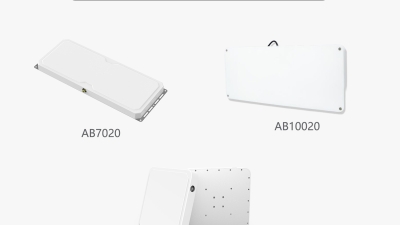
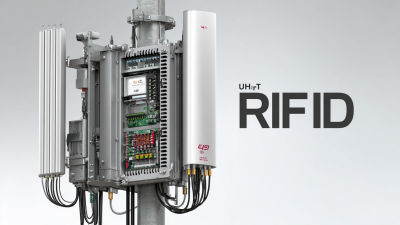
 Hey there! If you’re keeping up with the fast-paced world of IoT tech, you probably already know how important it is to get a handle on the ins and outs of Rfid Antenna Range. It’s a game-changer for businesses looking to streamline their operations. Here at MingQ Technology Limited, we’re all about helping you out with IoT software and hardware solutions. Our mission is to provide you with insights that will help you make smart, informed choices.
In this guide, we're diving deep into the performance of top RFID antennas. We’ll break down their range capabilities and give you a side-by-side comparison to highlight the best options out there. But we won't stop at just the specs—we're also going to consider the benefits ofafter-sales support and maintenance costs for different choices.
That way, you’re not just investing in solid products, but you're also ensuring you have reliable support for the long haul. So, let’s explore the world of RFID antenna range together, and arm your business with the knowledge it needs to succeed in today’s competitive scene.
Understanding RFID Technology: The Basics and Its Importance in Various Industries
You know, RFID technology, which stands for Radio Frequency Identification, has really changed the game for a bunch of industries when it comes to managing inventory and keeping track of assets. It uses electromagnetic fields to automatically identify and track these little tags attached to all sorts of objects. This means no more manual scanning, and you get real-time data access, which is pretty awesome! This technology is super important for supply chain management, but it’s also making waves in places like healthcare, retail, and logistics.
What’s really cool about RFID is how versatile it is and how it helps improve accuracy in data handling. Take healthcare, for instance: RFID Tags can keep tabs on medical equipment and medications, making sure that the right stuff is available just when it’s needed. In the retail world, RFID helps streamline inventory management and keeps stock accuracy on point, which leads to happier customers. As more industries hop on the digital transformation train, being clued up on the basics of RFID can really help global buyers make smarter decisions about rolling out these systems. It’s all about boosting productivity and sparking some serious innovation.
Key Factors Influencing RFID Antenna Range Performance: A Comprehensive Breakdown
When evaluating RFID antenna ranges, several critical factors influence their performance. Frequency is one of the foremost elements; antennas that operate at UHF frequencies (typically 860-960 MHz) are known to have longer read ranges than those operating at HF (13.56 MHz). According to a recent study by IDTechEx, UHF RFID can achieve ranges of up to 12 meters, while HF ranges are generally confined to less than a meter. This distinction dramatically affects applications such as inventory management and supply chain visibility, where extended read distances can improve efficiency and accuracy.
Another significant factor is antenna design. Directivity and gain play essential roles in range performance. Research indicates that antennas with higher gain and those designed for specific applications (such as linear vs. circular polarization) can provide better results in terms of distance and reliability. In environments with obstacles, a well-placed high-gain directional antenna can outperform a standard omnidirectional antenna significantly, highlighting the importance of application-specific considerations.
Tips: When selecting an RFID antenna, consider your operational environment. If you're dealing with obstacles, a high-gain directional antenna may yield better outcomes. Additionally, always test antennas in real-world conditions to gauge their performance, as theoretical ranges can vary significantly based on actual site conditions.
Top RFID Antenna Models: An In-Depth Comparison of Performance Metrics
Let's talk about RFID technology for a second. Choosing the right antenna can really make a huge difference in how well your system performs. We’ve done a thorough comparison of some top RFID antenna models, looking at various performance factors like range, sensitivity, and how they adapt to different environments. It's super important for buyers around the globe to really grasp these factors so they can find the best solutions that fit their specific needs.
With new advancements in tech like deep learning and machine learning, we can now evaluate these antennas in all sorts of conditions much more effectively. Take, for example, comparing deep learning models to figure out angle of arrival estimation — it really sheds light on how different algorithms stack up in real-life situations. These comparisons are key to building solid solutions for industrial IoT settings, and they help boost communication and improve data transmission efficiency.
Here at MingQ Technology Limited, we’re all about pushing the envelope with innovative IoT software and hardware solutions, which keeps us ahead in the RFID game. Our expertise makes it easier for clients to navigate the sometimes tricky business of picking the right RFID antennas, helping them hit top performance levels in their unique scenarios. Whether you’re integrating RFID into a smart logistics system or working on a manufacturing process, knowing the ins and outs of antenna performance is crucial for nailing your project.
Global Sourcing Strategies: How to Choose the Right RFID Supplier
Picking the right RFID supplier is super important if you want to make the most out of your inventory management systems. When you’re diving into global sourcing strategies, the first step is really to take a good look at what you actually need. Different applications come with their own antenna frequencies and ranges, which can really affect how well things perform. Knowing what you need will definitely help you pick suppliers that have the right tech and experience for your industry.
A little tip: When you’re checking out potential suppliers, don’t hesitate to ask for samples of their RFID antennas to see if they play nice with your systems. Plus, it’s a good idea to chat with them about how they manufacture their products and what kind of quality control they have in place — these factors can hugely impact how reliable their antennas are.
It’s also smart to look for suppliers who have a solid track record in the area you’re focusing on. A bit of digging into their market reputation and some customer reviews can give you valuable clues about what they’re capable of and whether you can rely on them. A well-established supplier won’t just meet your immediate needs; they can also provide support and innovation as your tech needs evolve.
Another tip: Keep an eye out for suppliers willing to offer technical support and training. This can really boost your team’s skills in using RFID technologies effectively. Last but not least, don’t forget to look into their logistics and delivery setups to make sure you can get products when you need them.
Case Studies: Successful Implementations of RFID Solutions Worldwide
You know, RFID technology is really changing the game these days. When you look at the success stories from around the globe, it’s pretty clear just how much of an impact it can make in different industries. For example, a recent report by ABI Research showed that companies using RFID have seen efficiency boosts of up to 30%! A prime example is a top logistics firm that rolled out RFID systems to get a better handle on inventory management. They can now track over a million items in real-time, which is pretty impressive, and it really helps them speed up turnover and cut down on surplus stock.
In the healthcare sector, RFID is making waves too. Hospitals that have jumped on the RFID bandwagon report a massive 50% drop in lost equipment, and staff productivity has shot up by 25% thanks to their more streamlined workflows. It’s really incredible! And let’s not forget about MingQ Technology Limited—they’re all about IoT and industrial IoT solutions and are here to help businesses embrace RFID tech. By offering hardware and software that fit right into what companies already have going on, MingQ is paving the way for organizations to tap into the full potential of RFID, driving innovation and excellence like never before. It’s an exciting time for the industry, for sure!
Future Trends in RFID Technology: Innovations Shaping the Industry
You know, RFID technology is really shaking things up in the industry lately. A report I stumbled upon from Research and Markets shows that the global RFID market is expected to skyrocket from about $12 billion in 2021 to more than $30 billion by 2026. That’s a mind-blowing compound annual growth rate (CAGR) of 20%! It’s all thanks to some cool innovations in antenna design that really boost the read range and accuracy of RFID systems. With these new ultra-high frequency (UHF) and passive RFID antennas popping up, businesses in retail, logistics, and healthcare are finding fresh ways to manage their stock and streamline their supply chains. Pretty neat, right?
And get this—the way IoT is being integrated with RFID is changing the game big time. A study from Grand View Research reveals that around 30% of businesses are jumping on the IoT and RFID bandwagon to supercharge their real-time tracking. This combination not only helps in gathering and analyzing data better, but it also opens up new avenues for predictive analytics. Companies are gaining a competitive edge with these smart RFID systems! The trend toward automation and efficiency, especially with the rise of AI-driven applications, is really shaking up industry standards and practices. It’s an exciting time to be in the tech world!
Exploring Portals and Tunnel Antennas: Enhancing RFID Integration for Seamless Tracking Solutions
In the realm of RFID technology, the integration of portals and tunnel antennas is revolutionizing how we approach tracking solutions. These advanced antennas are specifically designed for large-scale RFID applications, providing users with the capability to achieve long recognition distances while eliminating blind spots during scanning. This means that electronic tags can be quickly identified from any angle, greatly enhancing operational efficiency in various environments.
Our commitment to delivering high-quality, cost-effective products is unwavering. Whether you are looking for customized RFID solutions tailored to your specific needs or general-purpose antennas, our offerings stand out in the market. We understand that seamless integration is crucial for effective tracking, and our antennas are engineered to meet the demands of diverse applications, ensuring reliable performance and accuracy.
Should you have any inquiries or wish to place an order, we are here to assist you. Our team is prepared to provide detailed product quotations and respond promptly to your needs, allowing you to implement RFID technology that streamlines your processes. Embrace the future of tracking with our innovative solutions and make your RFID integration a success.
FAQS
: Organizations leveraging RFID have seen efficiency improvements of up to 30%.
A leading logistics company integrated RFID systems for real-time tracking of over 1 million items, enhancing turnover rates and reducing excess stock.
Hospitals that use RFID have noted a 50% reduction in equipment loss and a 25% increase in staff productivity due to streamlined workflows.
The global RFID market is projected to grow from $12 billion in 2021 to over $30 billion by 2026.
Innovations in antenna design, including ultra-high frequency (UHF) and passive RFID antennas, are enhancing read range and accuracy, driving market growth.
Around 30% of businesses are incorporating IoT with RFID solutions to enhance real-time tracking capabilities and facilitate better data collection and analysis.
Future trends include the integration of AI-driven applications and the move towards smart RFID systems, which indicate a strong shift towards automation and efficiency in various sectors.
RFID technology has led to significant advancements in asset management, improving patient safety, and reducing equipment loss in hospitals.
MingQ Technology Limited supports organizations in adopting RFID technology by providing tailored hardware and software that seamlessly integrates with existing systems.
The integration allows for predictive analytics and provides companies with a competitive edge by enhancing real-time tracking and improving operational efficiency.

 Rotary HF RFID Tag Reader GRH-I40 Suitable for Assembly Lines
 Industrial-grade High-frequency Integrated Reader GRH-I65 Suitable for Asset Tracking
 With ESD Protection HF RFID Reader GRH-I68 Suitable for Progress Tracking
 Proximity HF RFID Reader GRH-M30 Suitable for Manufacturing Workshops
 Desktop HF RFID Scanner GRH-D80-HID Suitable for Card-issuing Applications
 High Frequency Medium Distance Reader GRH-I90 Suitable for Logistics Production Line
 UHF RFID Portals and Tunnel Machine RFly-AM3000 for Access Control
 Narrow RFID Portals Series TD-P20040-SS for Single Tag Entry and Exit Identification Scenario
 RFID Transmission Line Simple Identification Tunnel Machine (TD-T3050)
 Vision and RFID Tunnel Machine TD-T7692-RV for Logistics Sorting
 RFID Transmission Line Identification Tunnel Machine TD-T10090
 RFID Mobile Inventory Tunnel Machine TD-T65150 for Conveyor Belts
 High-Performance Far-Field Antennas for Broad Coverage.
 Multi-Purpose Antennas: Flexibility for Diverse Applications
 Near-Field Antennas for Short-Distance Tag Detection.
 Portals & Tunnel Antennas for Integrated RFID Series
 Slimline PCB Antennas for Warehousing and Logistics
 Miniaturized and Thin Antennas can Provide Good Performance in a Smaller Size.
 GPS Tracker for Vehicles, Car, Kids, Assets.
 CO2 Sensors Detect CO2 Gas through Alarms, Suitable for Offices, Planting Tents.
 Door Sensor, Detect Open and Closed Doors or Windows, Sends Alerts, Triggers Siren.
 Wireless Level Sensor Equipped with a 5-Meter Detection Line, Suitable for Water Tanks
 Real Time Monitoring of Air Quality Using PM2.5/PM10 Sensors.
 Smoke Sensor, Fire Alarm Smoke Detector with Test Button and Low Battery Reminder.
 Soil Stress Sensor,Bridge and Tunnel Monitors.
 Vibration Sensor Monitors Equipment, Like Conveyors and Motors, for Operational Status.
 E -Paper Display
 Smart Water Sensor Alarms, 1.2 M Detection Line.
 CO Sensor for Basements Home Office House Bedroom Living Room Car, Light Plug and Play.
 Temperature and Humidity Sensor
 Multi-sensor GD-ME
 Temperature Sensors Monitor the Surface Temperature of Various Heating Equipment.-1
 Signal Enhancement Terminal, Long Range Coverage.
 Multi-Protocol Communication Gateway, App Remote Control.
 Edge Vision Gateway can Access Various Mainstream Cameras, Suitable for Office, Factory.
 GBS-3550 Outdoor Sensor Gateway,LoRa, 2/3/4G Communication.
 Smart WiFi Gateway, Realize Remote Control.
 Ultra-Low-Power Solar-Powered Intelligent Gateway (Outdoor)
 IP67-protected Integrated RFID Reader Writer RFly-I165 for Supply Chain
 Long-range Distance UHF RFID Reader RFly-I195 for Inventory Management
 Small UHF RFID Tag Reader RFly-I300 for Cars
 Two-channel Compact Fixed RFID Reader RFly-F210 for Warehousing
 Four Channels Fixed UHF RFID Reader RFly-R6 for Supply Chain
 8-channel UHF RFID Tag Reader RFly-R8 for File Cabinet Identification
 Bluetooth Portable RFID Reader and Writer GRU-HBT100 for Inventory Management
 Industrial Grade Handheld UHF RFID Reader GRU-HC520 Suitable for Logistics
 RFID Gateway Networking System
 RFID Passive Temperature Measurement System
 RFID Tags for Container Turnover Management
 RFID Tags for Equipment O&M Management
 RFID Tags for Manufacturing Management
 RFID Tags for Tool Management
 A Kits for Equipment Condition Detection
 A Kits for Office Computer Room Environment Monitoring
 A Kits for Reservoir Environmental Monitoring
 A Kits for Storage Space Environment Monitoring
 A Kits for Stress Detection of Underground Tunnel
 A Kits for Urban Environment Monitoring
 Intelligent IoT Monitoring Platform
 Integrating Multiple Functional OTG Demo Software
 HF Demo Software
 UHF Demo Software