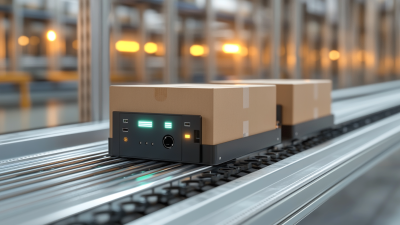
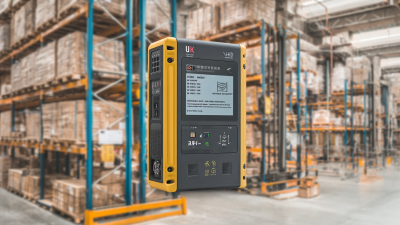
Hey, with technology moving at breakneck speed these days, more and more businesses are jumping on the bandwagon with cool innovations likeUhf Rfid Readers. They're really helping companies get smarter about their operations and manage data more smoothly. I recently came across some industry stats — turns out, the global RFID market is expected to hit around $40.3 billion by 2025! A big part of that growth comes from UHF RFID tech, mainly because it can capture data quickly over longer distances.
Picking the right UHF RFID Reader isn’t just a small decision; it’s pretty important if your goal is to ride the wave of IoT and make your processes more efficient. And hey, MingQ Technology Limited is kinda leading the charge here, offering top-notch IoT hardware and software solutions — they've got the expertise to help businesses like yours find what works best.
Once you get a good grasp on what your operations need and understand what UHF RFID Readers can do, you'll probably notice improvements in things like inventory counting, tracking assets, and a lot more. It’s pretty exciting stuff if you ask me!
Understanding UHF RFID Technology and Its Applications
Getting a good grasp of UHF RFID tech is pretty important for businesses that want to boost their efficiency. You see, UHF RFID can send data quickly over longer distances, which makes it perfect for stuff like keeping track of inventory, streamlining supply chains, or even healthcare tracking. Recently, there’ve been some cool innovations, like the spider web-shaped RFID antennas inspired by nature — these really highlight how flexible the tech is, especially in IoT setups and healthcare where being able to monitor data easily is a big deal.
And it’s not just that — more and more, UHF RFID is making its way into smartphones and even agriculture. Imagine embedding RFID into your phone — it could really revolutionize how businesses move around data on the go. Plus, pairing RFID with blockchain tech helps ensure that food products are traced securely, making things more transparent and trustworthy for everyone involved. As this tech keeps expanding, understanding what it can do and where it’s heading will really help businesses pick the right solutions for their unique needs.
UHF RFID Reader Performance Comparison
This chart compares the read range performance of different UHF RFID readers, providing insights on which reader may best suit your business needs based on their capabilities.
Key Factors to Consider When Selecting a UHF RFID Reader
When you're choosing a UHF RFID reader for your business, there are a few important things to keep in mind to make sure it really fits your needs. First off, think about the range you’ll need – different situations call for different distances. For example, some industries might only need short-range readers for inventory checks, while others might require longer-range options for tracking assets. Getting a clear idea of your environment will help you pick a reader that works well in those specific conditions.
Another key point is making sure the reader plays nice with your existing systems. You want something that can smoothly connect with your current software and network without a hassle. That way, data flows seamlessly, and things run more smoothly overall. Oh, and don’t forget about durability — you’ll want a model that can stand up to challenging environments if needed. Finding that sweet spot between performance, toughness, and affordability is what’ll really help you hit your business targets without breaking the bank.
Different Types of UHF RFID Readers and Their Features
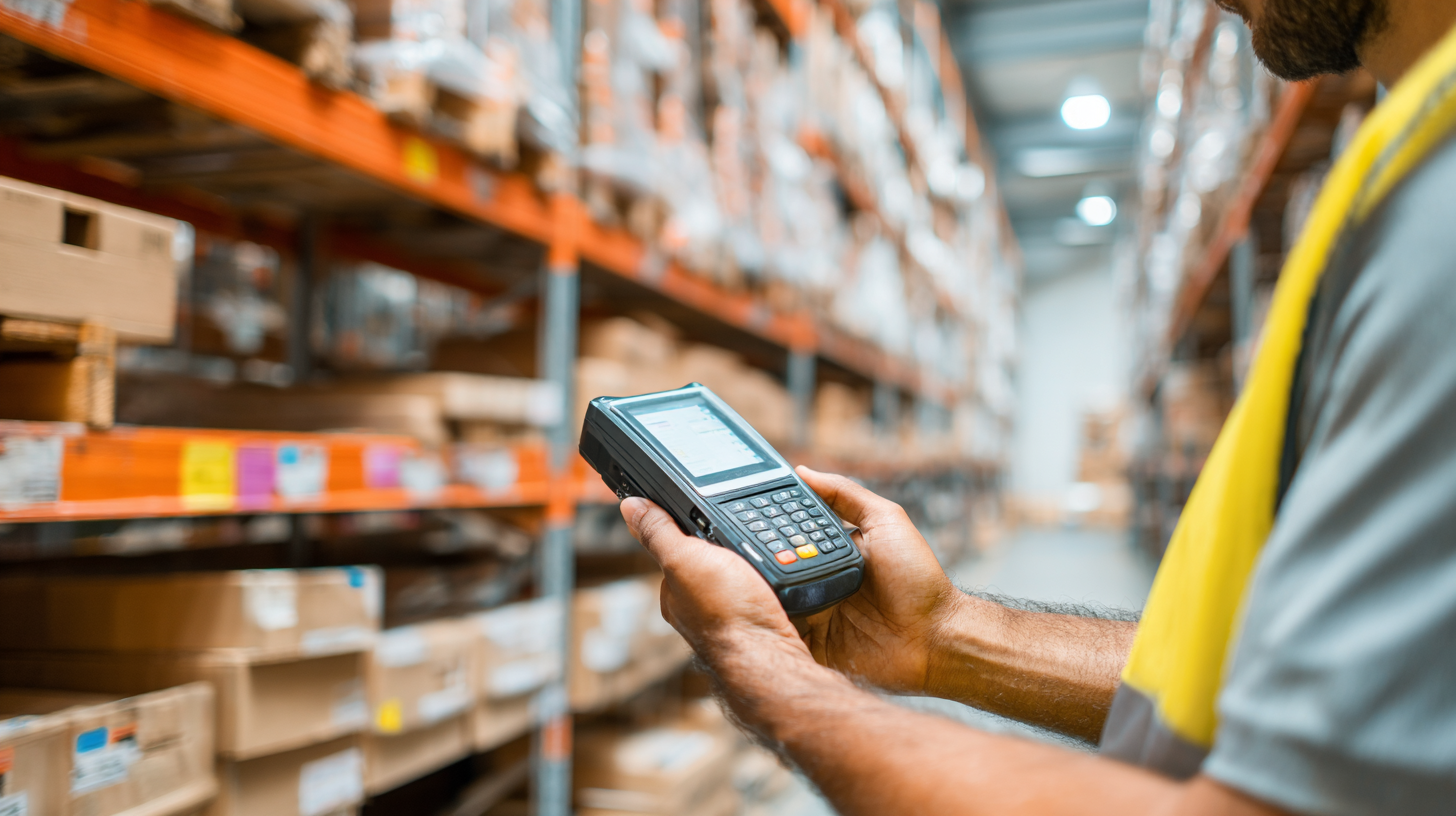
When you're choosing a UHF RFID reader, it’s a good idea to get a feel for the different types out there and what sets them apart. For instance, handheld RFID readers are super handy—they're portable and flexible, so they’re perfect for taking inventory or tracking assets in all sorts of environments. Usually, they come with a built-in screen and a rechargeable battery, which means you can easily use them even where there’s no power nearby. They’re especially great for fieldwork or when you need quick data on the move.
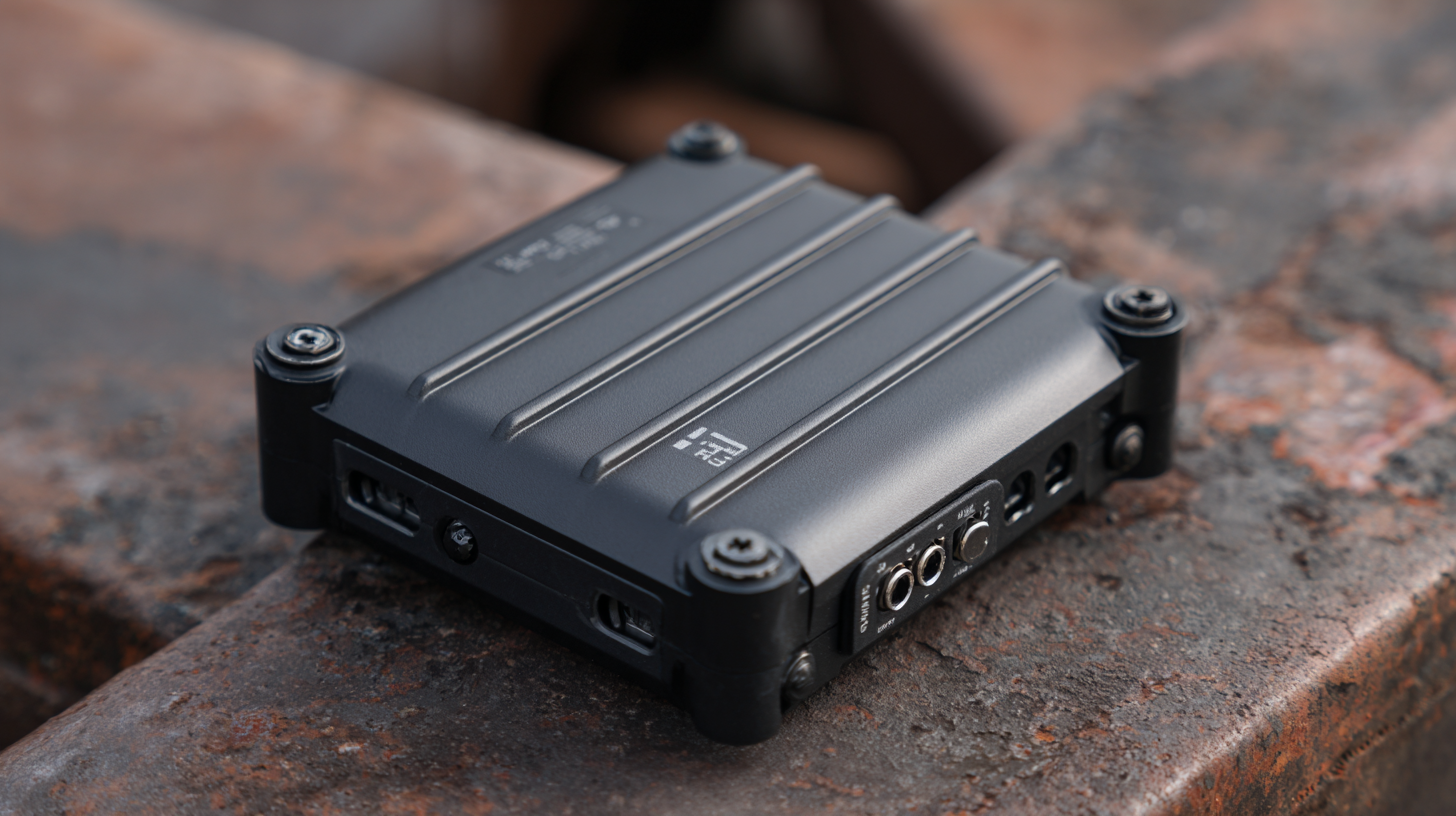
On the flip side, fixed RFID readers are built to stay put—they’re meant for installations where they’ll be stationed, like in supply chain setups or for controlling access. These guys can scan multiple tags at once and often come with antennas built right in, making them reliable in busy, high-volume settings. Some even have smart features like acting as gateways, so they can smoothly connect with your existing systems. Figuring out what your specific needs are will really help you pick the right type of RFID reader for your business—that way, you’re not just guessing, and you get what works best for you.
How to Choose the Right UHF RFID Reader for Your Business Needs
| Reader Type | Frequency Range | Read Range | Interface | Special Features |
| Handheld UHF RFID Reader | 860 MHz to 960 MHz | 1 - 10 meters | USB, Bluetooth, Wi-Fi | Portable, battery-operated |
| Fixed UHF RFID Reader | 860 MHz to 960 MHz | 3 - 15 meters | Ethernet, RS232 | High-performance, multi-tag reading |
| Integrated UHF RFID Reader | 860 MHz to 960 MHz | 2 - 5 meters | USB, GPIO | Compact design, suited for OEM applications |
| RFID Desktop Reader | 860 MHz to 960 MHz | 1 - 5 meters | USB, Wi-Fi | Ideal for retail, inventory management |
Evaluating Performance Metrics for UHF RFID Readers
When you're looking at performance metrics for UHF RFID readers, it's pretty important to keep a few key things in mind—stuff that actually matters when using them in the real world. For starters, the read range is a big deal; it tells you how far the reader can pick up data from RFID tags. If you're working in a huge space or need things to move fast, then a longer read range might be a must. 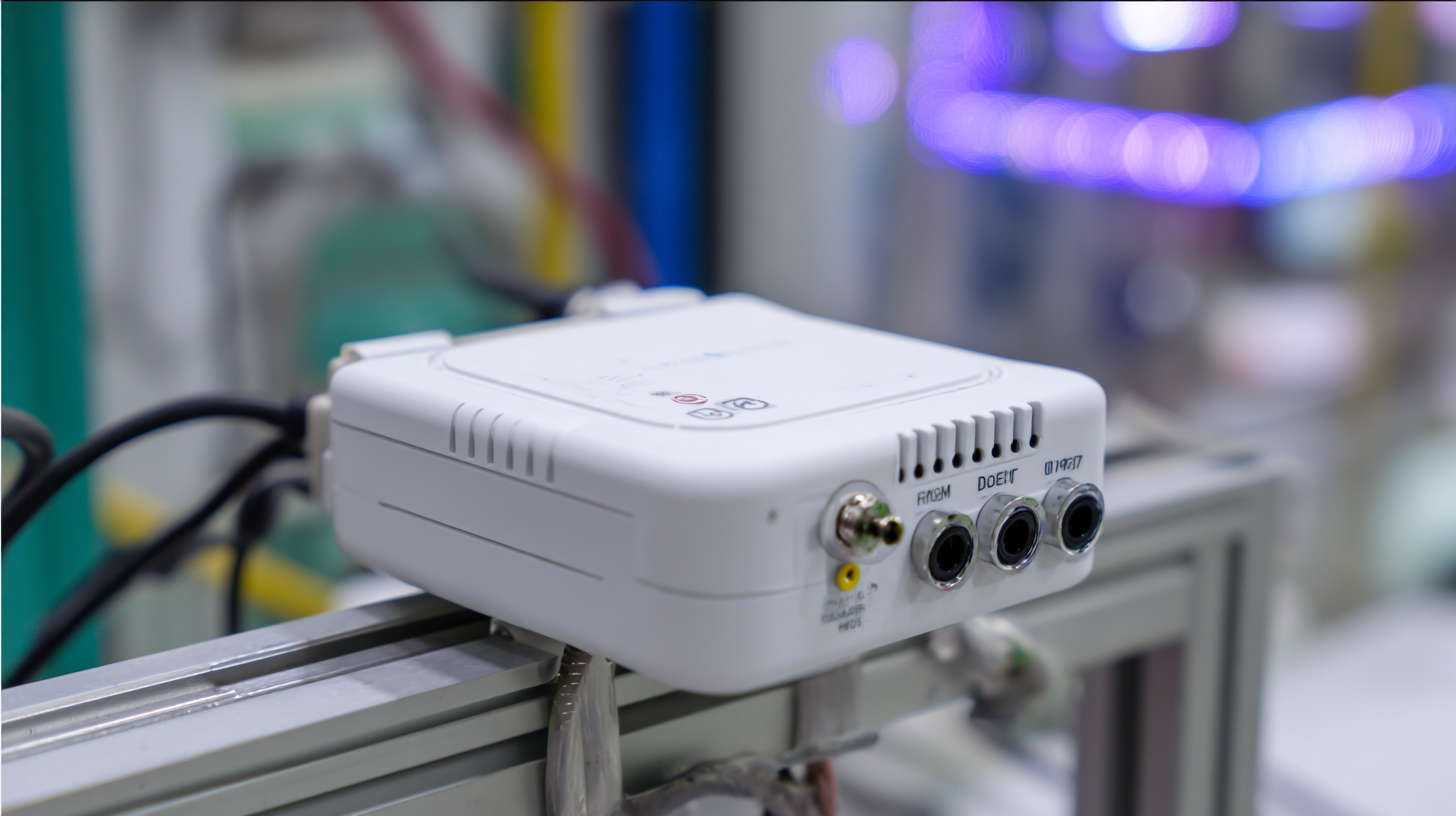 On the flip side, for smaller, enclosed areas, a shorter range may do just fine. And don’t forget about the maximum read rate—it’s all about how many tags the device can handle in a certain amount of time. That really impacts how efficient it’ll be, especially during busy periods.
Another thing that’s super important is the environment where you'll be using the reader. Things like metal surfaces, other radio signals, or even weather conditions like heat and humidity can mess with performance. Picking a UHF RFID reader that's built to handle these interference issues will make a big difference in reliability and accuracy. Plus, if you're in an industrial setting, durability and following industry standards are crucial—nobody wants a device that falls apart or doesn’t stand up to tough conditions. Paying attention to these factors should help you make a smarter choice, and in the end, it'll make your operations run smoother and more efficiently.
Budgeting for UHF RFID Readers: Cost vs. Value Analysis
Thinking about getting UHF RFID readers for your business? Well, one of the biggest things to keep in mind is your budget. The global RFID market’s expected to more than double, going from around $12.6 billion in 2025 to roughly $25.2 billion by 2033. With numbers like that, it’s super important to really understand the costs involved versus the actual value you’re gonna get. Investing in RFID tech can seriously boost efficiency and cut down costs — especially if you’re in healthcare, where it can make things run smoother and help with inventory management.
I’ve read some recent analyses pointing out that it’s pretty crucial to do a proper cost-benefit check when rolling out RFID in hospitals. Basically, you want to weigh the upfront costs against what you’ll save in the long run. If you focus on the features and benefits that really matter to your business, you can make smarter decisions that fit your specific needs and budget. Just a heads up — some cheaper options might seem attractive at first, but they could end up costing you more over time because of higher operating expenses. So, it’s really worth doing a full cost-of-ownership assessment before picking the right UHF RFID reader — one that works well now and down the line.
Conclusion
Picking out the right UHF RFID reader for your business isn't just about the tech specs — it’s about understanding how it fits into your overall operations. With all the buzz around IoT and AI advancements these days, choosing a UHF RFID reader means taking a good look at its features, how it performs, and whether it plays nicely with your existing systems. There are different types out there, each with their own perks tailored for specific needs, so honestly, it’s really important to think about what your business actually requires and what your budget allows.
When you're weighing your options, don’t forget to do a proper cost-benefit check. The goal is making sure your investment actually makes sense for the long haul. And here’s the good news — companies like MingQ Technology Limited are there to help out. They've got the know-how in IoT stuff and can guide you towards picking the perfect RFID reader to boost your efficiency and keep things running smoothly.

 Rotary HF RFID Tag Reader GRH-I40 Suitable for Assembly Lines
 Industrial-grade High-frequency Integrated Reader GRH-I65 Suitable for Asset Tracking
 With ESD Protection HF RFID Reader GRH-I68 Suitable for Progress Tracking
 Proximity HF RFID Reader GRH-M30 Suitable for Manufacturing Workshops
 Desktop HF RFID Scanner GRH-D80-HID Suitable for Card-issuing Applications
 High Frequency Medium Distance Reader GRH-I90 Suitable for Logistics Production Line
 UHF RFID Portals and Tunnel Machine RFly-AM3000 for Access Control
 Narrow RFID Portals Series TD-P20040-SS for Single Tag Entry and Exit Identification Scenario
 RFID Transmission Line Simple Identification Tunnel Machine (TD-T3050)
 Vision and RFID Tunnel Machine TD-T7692-RV for Logistics Sorting
 RFID Transmission Line Identification Tunnel Machine TD-T10090
 RFID Mobile Inventory Tunnel Machine TD-T65150 for Conveyor Belts
 High-Performance Far-Field Antennas for Broad Coverage.
 Multi-Purpose Antennas: Flexibility for Diverse Applications
 Near-Field Antennas for Short-Distance Tag Detection.
 Portals & Tunnel Antennas for Integrated RFID Series
 Slimline PCB Antennas for Warehousing and Logistics
 Miniaturized and Thin Antennas can Provide Good Performance in a Smaller Size.
 GPS Tracker for Vehicles, Car, Kids, Assets.
 CO2 Sensors Detect CO2 Gas through Alarms, Suitable for Offices, Planting Tents.
 Door Sensor, Detect Open and Closed Doors or Windows, Sends Alerts, Triggers Siren.
 Wireless Level Sensor Equipped with a 5-Meter Detection Line, Suitable for Water Tanks
 Real Time Monitoring of Air Quality Using PM2.5/PM10 Sensors.
 Smoke Sensor, Fire Alarm Smoke Detector with Test Button and Low Battery Reminder.
 Soil Stress Sensor,Bridge and Tunnel Monitors.
 Vibration Sensor Monitors Equipment, Like Conveyors and Motors, for Operational Status.
 E -Paper Display
 Smart Water Sensor Alarms, 1.2 M Detection Line.
 CO Sensor for Basements Home Office House Bedroom Living Room Car, Light Plug and Play.
 Temperature and Humidity Sensor
 Multi-sensor GD-ME
 Temperature Sensors Monitor the Surface Temperature of Various Heating Equipment.-1
 Signal Enhancement Terminal, Long Range Coverage.
 Multi-Protocol Communication Gateway, App Remote Control.
 Edge Vision Gateway can Access Various Mainstream Cameras, Suitable for Office, Factory.
 GBS-3550 Outdoor Sensor Gateway,LoRa, 2/3/4G Communication.
 Smart WiFi Gateway, Realize Remote Control.
 Ultra-Low-Power Solar-Powered Intelligent Gateway (Outdoor)
 IP67-protected Integrated RFID Reader Writer RFly-I165 for Supply Chain
 Long-range Distance UHF RFID Reader RFly-I195 for Inventory Management
 Small UHF RFID Tag Reader RFly-I300 for Cars
 Two-channel Compact Fixed RFID Reader RFly-F210 for Warehousing
 Four Channels Fixed UHF RFID Reader RFly-R6 for Supply Chain
 8-channel UHF RFID Tag Reader RFly-R8 for File Cabinet Identification
 Bluetooth Portable RFID Reader and Writer GRU-HBT100 for Inventory Management
 Industrial Grade Handheld UHF RFID Reader GRU-HC520 Suitable for Logistics
 RFID Gateway Networking System
 RFID Passive Temperature Measurement System
 RFID Tags for Container Turnover Management
 RFID Tags for Equipment O&M Management
 RFID Tags for Manufacturing Management
 RFID Tags for Tool Management
 A Kits for Equipment Condition Detection
 A Kits for Office Computer Room Environment Monitoring
 A Kits for Reservoir Environmental Monitoring
 A Kits for Storage Space Environment Monitoring
 A Kits for Stress Detection of Underground Tunnel
 A Kits for Urban Environment Monitoring
 Intelligent IoT Monitoring Platform
 Integrating Multiple Functional OTG Demo Software
 HF Demo Software
 UHF Demo Software