Leave Your Message
0%

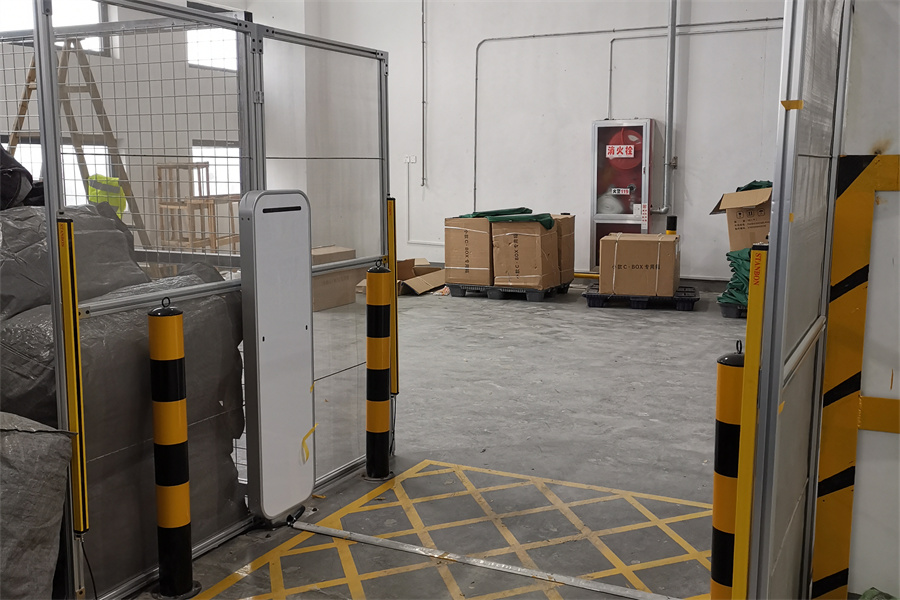
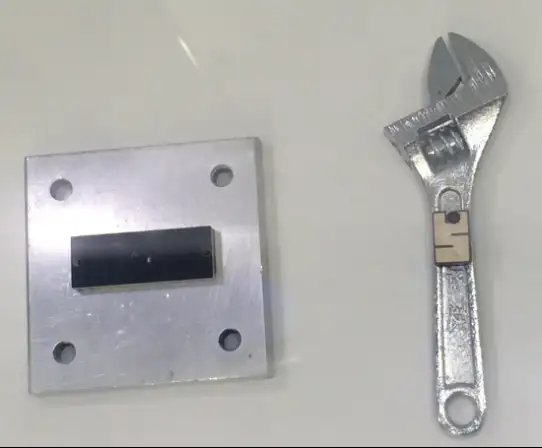
Picking out an RFID Reader and Writer in 2026 isn't just about comparing how far they can read or what they cost. You’ve got to think about where you’re planning to use them—warehouse aisles, retail shelves, hospital cabinets—they all have different radio environments. And don’t forget, metal surfaces tend to reflect signals, while liquids can actually weaken them. So, a reader that’s perfect in a lab might not perform so well right next to a busy loading dock.

It's pretty clear why this stuff really matters, especially with industry forecasts pointing to solid growth. MarketsandMarkets says the global RFID market is set to keep growing strongly through 2030, mainly because businesses need better inventory visibility, automated supply chains, and Asset Tracking. Meanwhile, the RAIN Alliance keeps reporting more deployments and more tags being used in retail, logistics, healthcare, and manufacturing. But here’s the thing—just because the numbers are up doesn’t mean any project is a slam dunk. As Mark Roberti from RFID Journal says, “RFID isn’t just a technology project; it’s a business project.” That’s still solid advice in 2026.

So, a good RFID Reader and Writer shouldn’t just be powerful or cheap—it needs to match your actual environment, the types of tags you’re using, your antenna setup, your software, and the rules you need to follow. Sometimes, an integrated RFID Reader and Writer that fits in tight spaces can make life easier during installation—no doubt about it. But keep in mind, integrating everything might limit your options for future upgrades. It’s a bit of a trade-off worth thinking about. Also, look for units that perform reliably even when there are tons of tags, have adjustable power settings, encode data consistently, and offer handy diagnostic tools. Don't forget to check out the SDK and API docs, warranty details, and vendor support. Picking a cheap device might seem like a save now, but if it ends up costing you hours of troubleshooting because of missed reads, that’s not cheap at all. Usually, the best choice isn’t the most powerful model; it’s the one that gives you accurate, dependable data in real-world conditions and actually adds value to your business.

How to Choose an RFID Reader Writer in 2026?

Define the RFID Application, Tag Types, and Reading Environment

How to Choose an Rfid Reader Writer in 2026?

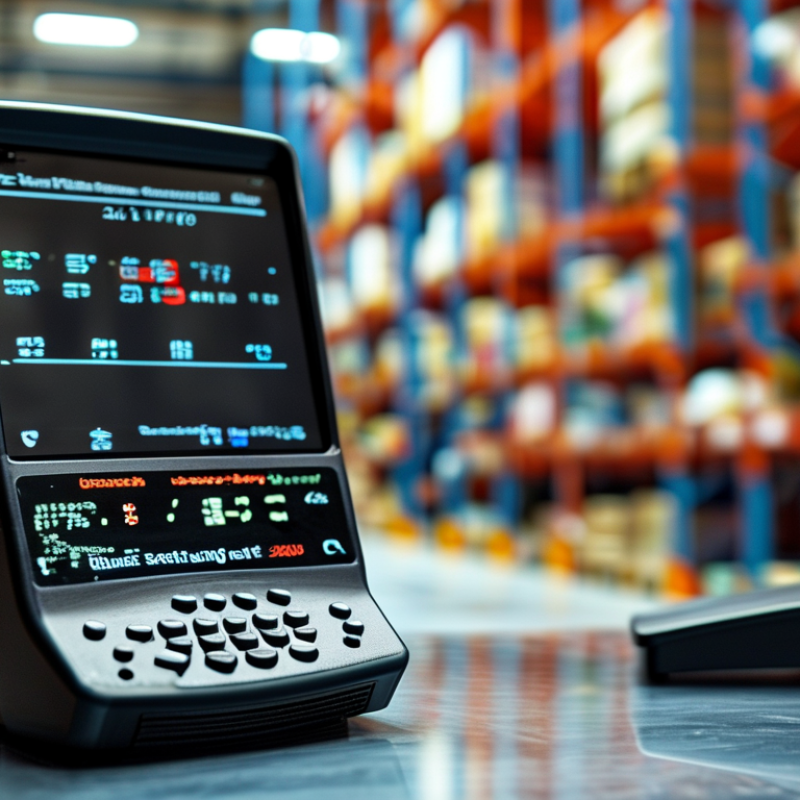
Choosing an Rfid Reader Writer starts with the application, not the device specification. Define what must be identified, recorded, or updated. A warehouse may need fast portal reading, while a service desk may require controlled tag writing. Start with the workflow. Measure first. Note read distance, tag movement, and daily scan volume. I once tested a reader on a clean bench and trusted the results too quickly. The same setup struggled near a metal shelf.

Tag type affects nearly every decision. UHF tags suit longer-range item tracking, while HF or NFC tags often support closer, deliberate interactions. Check memory size, writable areas, encoding standards, and whether the tag is reusable. Some tags perform poorly on liquids or curved surfaces. Test the actual label, not only its data sheet. That matters.

The reading environment deserves careful inspection. Metal, water, electrical noise, and nearby readers can change performance. Walk through the real installation area with sample tags and the intended mounting position. Record missed reads, false reads, and writing time. A writer should also verify data after encoding. For sensitive inventory records, use access controls and audit logs. Do not assume maximum power is best; excessive range can capture unwanted tags. A smaller read zone may be more reliable. Review the results with operators, because their practical feedback can expose problems that technical tests miss.

Match Reader Frequency, Protocol, and Regional Compliance Requirements

How to Choose an RFID Reader Writer in 2026?

Frequency is the first practical filter. LF systems commonly use 125–134.2 kHz for short-range identification. HF operates at 13.56 MHz and supports ISO/IEC 14443 or ISO/IEC 15693. UHF offers longer read distances through EPC Gen2v2 and ISO/IEC 18000-63. In 2023, the RAIN RFID Alliance reported approximately 44.8 billion RAIN tag-chip shipments worldwide. That scale supports UHF growth, but it does not make UHF suitable for every application.

Protocol matching matters as much as frequency. Check tag memory, encoding, collision handling, and authorized write controls. A reader supporting only an older command set may fail with newer secure tags. I have seen clean specification sheets hide this gap. Test real tags, not only laboratory samples.

Regional compliance can change the purchase decision. Europe commonly follows ETSI EN 302 208, including the 865–868 MHz band. The United States generally uses FCC Part 15 rules across 902–928 MHz. Japan applies different channel and power requirements. Choose firmware with selectable regional profiles, channel limits, and configurable output power. The wrong setting can reduce range or create compliance problems. Verify national requirements before deployment, because imported hardware is not automatically approved everywhere. A 2024 GS1 RFID implementation report also emphasizes interoperability, consistent data structures, and controlled testing across supply-chain environments.

Compare Reader Writer Features, Encoding Methods, and Data Capacity

How to Choose an RFID Reader Writer in 2026?

Compare Reader Writer Features, Encoding Methods, and Data Capacity

Choosing an RFID reader writer starts with the tag type, operating distance, and daily workflow. The right device should read consistently near metal, plastic, and stacked items. A workshop test can reveal more than a specification sheet. Place tags at different angles and measure failed reads. Small details matter.

Encoding methods also require careful comparison. Some systems write simple identification numbers, while others support structured memory blocks. Common formats include EPC, NDEF, and application-specific data fields. Check whether the device supports password protection and read-only settings. These controls reduce accidental changes. Firmware quality matters too. An excellent reader with unstable software becomes frustrating quickly.

Data capacity affects both cost and performance. A tag with 96 bits may suit basic tracking, but it cannot hold detailed records. Larger memory can store maintenance dates, product references, or inspection notes. However, more data may increase writing time and error risks. Confirm the usable memory, not only the advertised capacity. I have seen evaluations overlook reserved memory and leave less space than expected. That mistake is easy to repeat. Test real tags with real data before purchasing, and record read distance, write speed, failed attempts, and recovery behavior.

Evaluate Read Range, Speed, Antenna Options, and Connectivity

Choosing an Rfid Reader And Writer in 2026 requires practical testing, not impressive specifications alone. The RAIN Alliance’s 2024 industry report estimated over 50 billion RAIN RFID inlays shipped in 2023, showing how widely UHF systems are deployed. For a fixed doorway, test a 3–10 meter read range with real cartons, metal shelves, and liquid containers. Laboratory distance can mislead.

Speed matters when hundreds of tagged items pass within seconds. Compare read rates using your actual tag orientation and conveyor speed. A reader claiming 1,000 reads per second may perform differently near dense packaging. Antenna options deserve equal attention. Circular polarization handles varied tag angles, while linear polarization can deliver stronger performance in controlled layouts. Use two or four antenna ports when coverage changes across a portal.

Connectivity affects installation and maintenance. Ethernet supports stable fixed deployments, while Wi-Fi or cellular links help mobile teams. USB can simplify local testing, but it may limit scaling. GS1 EPC/RFID guidance stresses consistent encoding and reliable data exchange across systems. Security and access controls should be tested early. The RAIN Alliance data confirms strong adoption, but it does not guarantee every reader fits every workflow. I would record missed reads, false reads, and recovery time during a full shift. My first test plan was too clean. Real warehouses are not.

How to Choose an RFID Reader Writer in 2026? — Evaluate Read Range, Speed, Antenna Options, and Connectivity

Reader Type Typical RFID Frequency Common Standards Typical Read Range Typical Read Speed Antenna Options Connectivity Power and Portability Best-Fit Applications Key Selection Consideration
NFC / HF Desktop Reader-Writer 13.56 MHz ISO/IEC 14443, ISO/IEC 15693, NFC Forum formats Up to approximately 10 cm, depending on tag size, antenna, and tuning Usually 20–100 tags per second; protocol and software settings affect throughput Integrated antenna; some models provide an external antenna connector USB; selected models may support serial, Ethernet, or Bluetooth USB-powered or low-voltage DC; generally compact and stationary Access cards, payment-related development, product authentication, document tracking, and desktop encoding
HF Industrial Fixed Reader 13.56 MHz ISO/IEC 15693, ISO/IEC 14443, application-specific HF protocols Approximately 10–80 cm with a suitable external antenna and tag Typically 50–200 tags per second in optimized installations One or more external antennas; antenna impedance and placement require careful tuning Ethernet, RS-232, RS-485, USB, and sometimes industrial fieldbus gateways External DC supply; designed for continuous operation and enclosure mounting Industrial work-in-process tracking, library systems, medical items, and smart shelving
UHF Fixed Reader 860–960 MHz, region dependent EPCglobal Class 1 Gen 2 / ISO/IEC 18000-63 Approximately 3–15 m with standard passive tags; environment and antenna gain can significantly change results Up to several hundred tags per second under favorable conditions; real-world rates are usually lower Commonly 1–4 external antennas; linear or circular polarization options are available Ethernet, USB, RS-232, GPIO, and optional wireless interfaces External DC or Power over Ethernet on supported hardware; fixed installation Warehouse portals, inventory shelves, conveyor lines, asset tracking, and shipment verification
UHF Integrated Reader 860–960 MHz, region dependent EPCglobal Class 1 Gen 2 / ISO/IEC 18000-63 Approximately 1–8 m, depending on transmit power, antenna design, and tag orientation Typically 50–300 tags per second in practical deployments Built-in antenna; usually limited external antenna flexibility USB, Ethernet, serial, Bluetooth, or Wi-Fi depending on configuration DC, USB, or battery-powered variants; easier to deploy than multi-antenna systems Retail inventory, compact workstations, tool cabinets, and small stockrooms
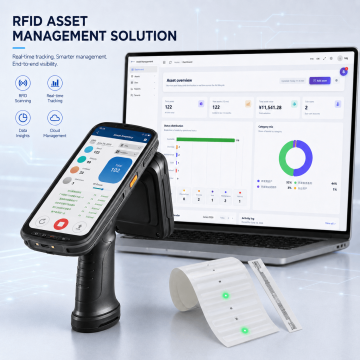
UHF Handheld Reader 860–960 MHz, region dependent EPCglobal Class 1 Gen 2 / ISO/IEC 18000-63 Approximately 1–15 m; actual range depends strongly on the trigger, tag, and operating environment Often 50–500 tags per second during batch inventory operations Integrated pistol-grip or sled antenna; some units accept interchangeable antenna modules Wi-Fi, Bluetooth, USB, and cellular connectivity on selected configurations Rechargeable battery; commonly supports several hours of active scanning per charge Cycle counting, field service, warehouse picking, retail audits, and asset location checks
Rugged Mobile Computer with RFID Usually UHF at 860–960 MHz; some devices also include HF/NFC EPCglobal Class 1 Gen 2 / ISO/IEC 18000-63; NFC standards where supported Approximately 1–12 m for UHF; NFC is normally limited to a few centimeters Typically 50–300 tags per second for UHF inventory workflows Integrated or detachable UHF sled antenna; NFC antenna is generally integrated Wi-Fi, Bluetooth, USB, cellular, GNSS, and application-level APIs Replaceable or high-capacity rechargeable battery; designed for mobile operations Connected warehouse operations, delivery verification, route service, and enterprise inventory applications
USB Desktop UHF Reader-Writer 860–960 MHz, region dependent EPCglobal Class 1 Gen 2 / ISO/IEC 18000-63 Approximately 0.3–3 m with an integrated near-field or compact far-field antenna Usually 10–100 tags per second, depending on antenna design and software control Integrated antenna; limited or no external antenna support USB, with driver or software development kit support USB-powered; compact desktop form factor Tag commissioning, laboratory testing, point-of-use verification, and small-batch encoding
Embedded RFID Module HF at 13.56 MHz or UHF at 860–960 MHz Depends on the module; commonly ISO/IEC 14443, ISO/IEC 15693, or ISO/IEC 18000-63 Approximately 2 cm–10 m, depending on frequency, antenna, power, and enclosure design Protocol-dependent; commonly 20–300 tags per second External antenna selected and designed by the equipment manufacturer UART, USB, SPI, I²C, Ethernet, GPIO, or custom interface Integrated into the host product; power budget and thermal design must be verified Smart cabinets, vending equipment, robotics, medical devices, kiosks, and custom machinery
Multi-Antenna Portal System Usually UHF at 860–960 MHz, region dependent EPCglobal Class 1 Gen 2 / ISO/IEC 18000-63 Approximately 3–15 m across a controlled passage; coverage depends on portal width and antenna placement Commonly hundreds of tag reads per second when tuned correctly Multiple directional or circularly polarized antennas; may include presence sensors and GPIO Ethernet, industrial I/O, serial, and warehouse-management-system interfaces Fixed AC or industrial DC supply; permanent installation is typical Dock doors, vehicle gates, pallet tracking, inbound receiving, and outbound shipping verification
Typical figures are planning ranges rather than guaranteed specifications. Read distance and throughput vary with regional regulations, tag sensitivity, antenna gain and polarization, reader power, reader firmware, mounting materials, interference, and tag orientation.

Check Software Compatibility, Security Controls, and Integration Support

How to Choose an RFID Reader Writer in 2026?

Software compatibility deserves attention before hardware specifications. An Rfid Tag Reader And Writer should support your operating system, development language, and existing database tools. Ask for current SDK documentation, API examples, and firmware update procedures. Test the device with actual tags, not only sample files. A reader may perform well in a quiet office but struggle near metal shelves or electronic equipment. I once underestimated this interference during a warehouse trial. The installation required extra testing and better antenna positioning.

Security controls should be visible and practical. Check whether the device supports encrypted communication, user permissions, secure firmware updates, and detailed activity logs. These features help teams identify unexpected writes or repeated access attempts. Confirm that passwords are not shared across every unit. Review how keys are stored and changed. Small gaps matter. Also examine tag-locking options and write-protection settings, especially when product records must remain accurate. Avoid systems that describe security vaguely without showing configuration screens or audit examples.

Integration support can determine the real cost of ownership. Look for stable APIs, common data formats, remote diagnostics, and clear error messages. The reader should connect smoothly with inventory, access, or production software. Request a short pilot using your normal workflow. Measure reading speed, failed writes, recovery time, and operator training needs. Vendor support is useful, but internal documentation matters too. A system that works only when one technician is available may create operational risk. Some compatibility assumptions may still prove wrong after deployment, so leave time for revision.

Assess Durability, Scalability, Total Cost, and Supplier Reliability

How to Choose an RFID Reader Writer in 2026?

Durability should match the environment, not the product brochure. In a warehouse, dust, vibration, cold floors, and repeated cable movement can quickly expose weak construction. Check the enclosure rating, operating temperature, connector strength, and drop resistance. An Uhf Rfid Reader Writer should maintain stable reads near metal racks and moving equipment. Test it during a full work shift. Short demonstrations can hide overheating or connection problems.

Scalability matters when one reader becomes twenty. Review supported antennas, network interfaces, power options, and software integration methods. A flexible device can support new workstations without forcing a complete system replacement. Measure read accuracy with your actual tags, spacing, and conveyor speed. Lab results are useful, but they are not the whole story. I have seen strong samples perform poorly after installation because reflective surfaces were ignored.

Calculate total cost beyond the purchase price. Include mounting parts, cables, software licenses, training, maintenance, energy use, and replacement time. A cheaper reader may become expensive after frequent service calls. Supplier reliability also deserves evidence. Ask for repair procedures, spare-part availability, firmware support, and response times in writing. Request references from similar operating environments. Promises sound reassuring. Contracts are better. Still, no checklist is perfect; suppliers can change staff, and your usage may grow faster than expected. Recheck assumptions before signing.

RFID Transmission Line Identification Tunnel Machine TD-T10090: Insights from IDTechEx RFID Forecasts 2024–2034 & GS1 RFID Guidelines

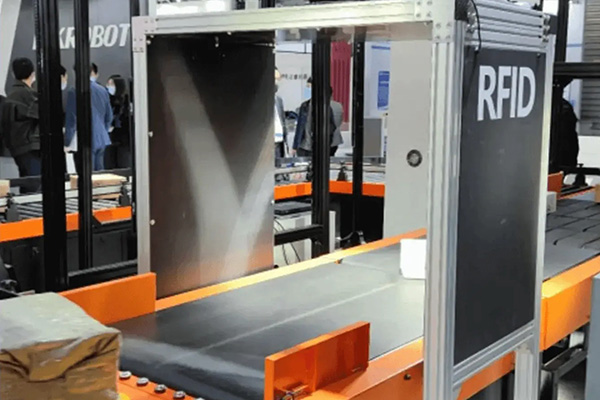
RFID adoption is moving from selective tracking to continuous, automated identification across manufacturing, logistics, retail, and healthcare. The *RFID Forecasts, Players and Opportunities 2024–2034* report estimates that the global RFID market could grow from approximately US$14–17 billion in the mid-2020s to more than US$40 billion by 2034. This expansion highlights the need for reliable high-speed read performance, especially where products are closely spaced, labels face different directions, and packaging varies in size or shape.

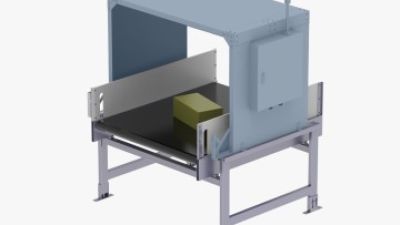
The RFID Transmission Line Identification Tunnel Machine TD-T10090 is designed for these demanding production-line conditions. Its enclosed tunnel structure helps control the reading environment and reduce tag collision, enabling more consistent identification of multiple items moving rapidly through the line. In line with international RFID implementation guidelines, effective deployment depends on suitable tag placement, reader configuration, data filtering, and verification of read accuracy under real operating conditions. The system can therefore support traceability, sorting, counting, and quality-control workflows without slowing production.

For manufacturers seeking a more tailored solution, ODM cooperation can adapt tunnel dimensions, conveyor integration, antenna layout, software interfaces, and data-handling functions to specific production requirements. This approach helps address collision challenges while optimizing line performance for high-speed manufacturing environments.

FAQS

How should I choose an RFID reader writer for my workflow?

Start with the task, not the specification sheet. Define what needs identification, recording, or updating. A warehouse may need fast portal scans. A service desk may need controlled writing. Measure distance, tag movement, and daily volume first.

Which tag type should I use?

UHF tags often suit longer-range tracking. HF or NFC tags fit close, deliberate interactions. Check memory, writable areas, encoding format, and reusability. Test the actual label. Data sheets can mislead.

Can metal or liquid affect RFID performance?

Yes. Metal, water, electrical noise, and stacked items can reduce reliability. Curved surfaces may also cause trouble. Walk through the real installation area with sample tags. Record missed and false reads.

Is maximum reading power always best?

No. Excessive range may capture nearby tags unintentionally. A smaller reading zone can work better. This surprised me during testing. Position the antenna carefully, then compare results with operators.

What encoding features should I compare?

Compare simple identification fields with structured memory blocks. Check support for EPC, NDEF, or suitable application fields. Password protection and read-only settings can reduce accidental changes. Verify written data after encoding.

How much tag memory do I need?

Basic tracking may need only a small identifier. Larger memory can hold maintenance dates or inspection notes. Confirm usable memory, not advertised capacity. Reserved areas may leave less space than expected.

What software checks matter before purchase?

Confirm operating-system support, development-language support, APIs, and database compatibility. Request current SDK documents and firmware procedures. Test actual tags with real software. A quiet office test is not enough.

Which security and integration controls are useful?

Look for encrypted communication, user permissions, secure updates, and activity logs. Check tag locking and write protection. Review how passwords are stored and changed. Ask for a short pilot. Measure failed writes, recovery time, and training needs.

Conclusion

Choosing the right Rfid Reader Writer in 2026 begins with clearly defining the application, tag type, required data functions, and operating environment. Consider whether the system will be used for inventory, access management, asset tracking, or another authorized purpose, then match the reader’s frequency, communication protocol, and regional compliance requirements with the selected tags and installation location. It is also important to compare encoding methods, memory capacity, supported tag standards, and writer functionality to ensure reliable data management.

A complete evaluation should include read range, processing speed, antenna choices, and connectivity options such as wired or wireless interfaces. Check software compatibility, security controls, APIs, and integration support before deployment. Finally, assess durability, scalability, maintenance needs, total ownership cost, technical support, delivery capability, and supplier reliability. A well-selected reader writer should provide stable performance, secure operation, flexible expansion, and efficient long-term value.

Clara

Clara

Clara is a dedicated marketing professional at Shenzhen Jinruiming Technology Co., Ltd., where she excels in promoting the company's innovative products and services. With a deep understanding of the technology industry, Clara regularly updates the company’s professional blog, sharing insightful......
Previous How to Choose a USB RFID Reader in 2026?