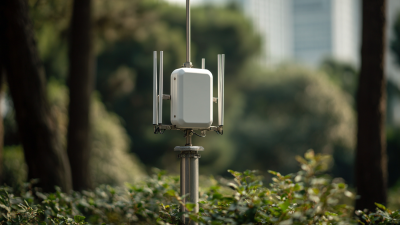
Picking the right Rfid Reader Antenna isn’t something to take lightly if you want your system to run smoothly. With so many differentrfid reader antenna options out there, it’s easy to get a little overwhelmed. Every type has its own purpose and works better for certain setups, so getting a handle on what you actually need can really help narrow things down.
Think about what you’re trying to achieve with your RFID tech. Are you mainly tracking inventory, or maybe managing assets across a big space? The environment you’re working in makes a difference too—sometimes, a more powerful antenna is the way to go for warehouses, while a smaller, sleeker one might suit a retail store better.
Don’t forget to consider some potential hurdles, like the install process. Choosing the wrong antenna could mean hassles down the line with poor results. It’s a good idea to test out a few options to see what works best for your setup. At the end of the day, a well-chosen RFID antenna can seriously boost your system’s reliability and efficiency — it really makes all the difference!
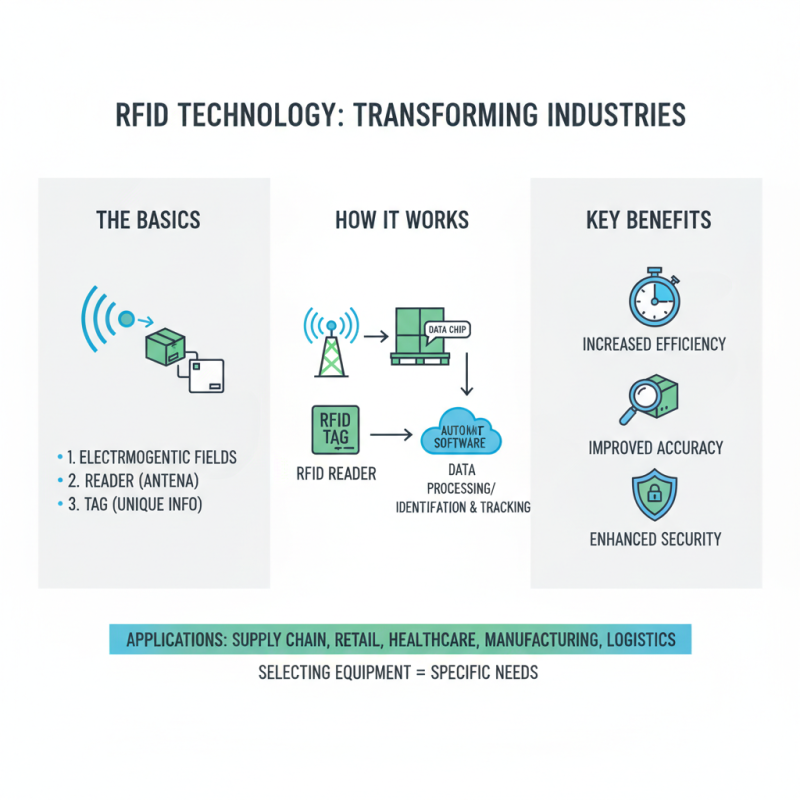
RFID technology is transforming various industries by enabling automatic identification. At its core, RFID uses electromagnetic fields to detect and track tags attached to objects. These tags contain unique information that can be read by RFID readers through antennas. Understanding this concept is vital for selecting the right equipment for specific needs.
Different applications harness RFID's capabilities. For instance, in a retail setting, RFID can improve inventory management. Readers scan items quickly, reducing checkout times. In logistics, tracking shipments becomes seamless. However, not all RFID systems are equal. The range, frequency, and environment impact performance. Antennas, for instance, vary in design and function. A poorly chosen antenna can lead to inefficiencies. Thus, considering the specific use case is crucial.
Challenges exist when integrating RFID technology. Overlapping signals and distance can hinder effectiveness. Users often face confusion over technical specifications. The learning curve can be steep. It requires ongoing evaluation and adjustments. Although RFID simplifies operations, the implementation journey has its hurdles. Understanding these aspects is essential for successful adoption.
When choosing an RFID reader antenna, understanding the types available is crucial. There are several categories of antennas, each designed for specific functions. For instance, a linear polarized antenna works well in environments with consistent orientation of tags. It offers a good performance for applications like inventory management in retail.
Conversely, circular polarized antennas can read tags from multiple angles. This feature is beneficial in dynamic settings, such as warehouse environments where tags may shift positions frequently. Another option is the patch antenna, which provides a focused reading area. This is helpful in applications where space is limited, like in small kiosks.
Selecting the right antenna also requires reflection on your needs. Will you be reading tags at a distance or in close proximity? Are the tags moving quickly? The answers to these questions shape your choice. Trying different configurations can reveal insights about performance gaps. It’s essential to experiment and analyze various setups. Adjustments may lead to better results over time.
When selecting an Rfid Reader Antenna, several factors are crucial. Frequency compatibility is essential; antennas operate at different frequencies. Typically, antennas function at low, high, or ultra-high frequencies. Choosing the right frequency ensures optimal performance. A mismatch can lead to poor read range and efficiency errors, impacting your operations.
Coverage area matters as well. Antennas vary in their range and beam pattern. An antenna designed for a narrow beam may provide accuracy in specific areas. However, it might not cover expansive zones effectively. According to industry data, choosing the right antenna can increase read accuracy by up to 50%. Understanding your spatial requirements will guide your decision.
Tips: Assess the environment where the RFID Reader Antenna will be used. Interference from metal or liquids can disrupt signals. A durable antenna can withstand such conditions, ensuring longevity. Finally, always consider the mounting options, as installation affects performance. Avoid overlooking these elements, as they are critical for achieving the best results.
| Factor | Description | Importance Level |
|---|---|---|
| Frequency Range | Choose an antenna that matches your need for low (LF), high (HF), or ultra-high frequency (UHF) applications. | High |
| Antenna Gain | Higher gain antennas improve read distance but may have a narrower beam width. | Medium |
| Beam Width | Consider how wide a reading area you need; wider beams may catch more tags but reduce distance. | Medium |
| Operating Environment | Select antennas suitable for indoor or outdoor use, considering factors like moisture and temperature. | High |
| Form Factor | Choose the physical shape and size of the antenna based on installation constraints. | Medium |
| Connector Type | Ensure compatibility with the RFID reader's connectors for seamless integration. | High |
| Cost | Evaluate your budget and consider the overall cost-benefit in relation to performance. | Medium |
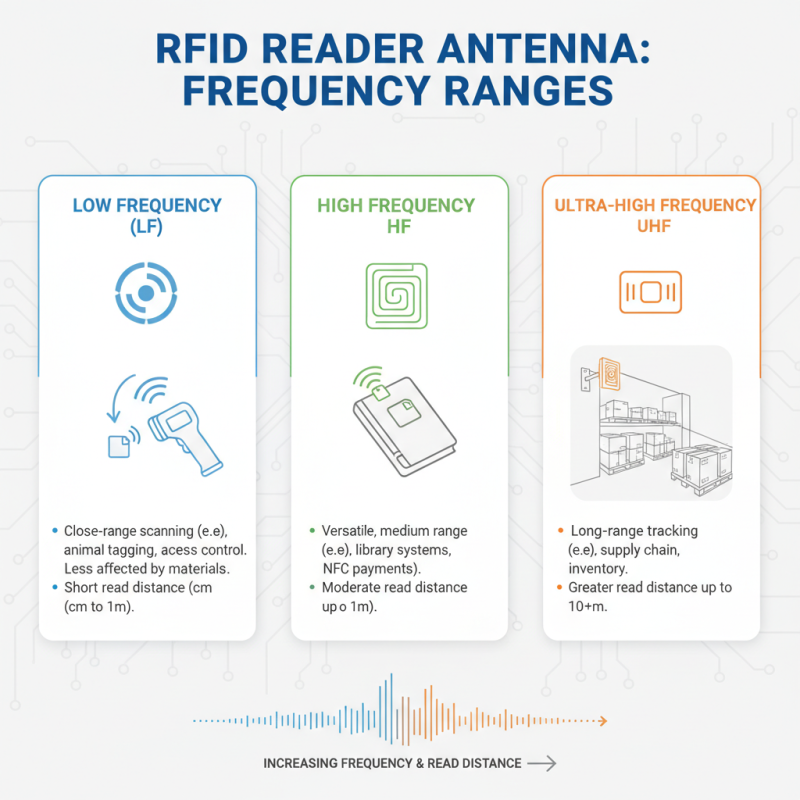
Choosing the right RFID reader antenna begins with understanding your frequency range. RFID systems operate mainly in three ranges: low, high, and ultra-high frequency. Each range has unique characteristics. For instance, low frequency (LF) works well for close-range scanning. It is less affected by the materials around it. High frequency (HF) is versatile, effective over distances up to one meter. On the other hand, ultra-high frequency (UHF) provides longer read distances, often exceeding 10 meters.
When selecting an antenna, consider the environment. Obstacles like metal and water can interfere with signal strength. UHF antennas might struggle in such conditions. Testing different antennas in your specific setting is vital. Performance can vary significantly. Take time to assess how well each antenna meets your needs. Don't hesitate to experiment with various options.
Deciding on frequency is not always straightforward. Assessing all factors can feel overwhelming. Sometimes, your choice may not fit perfectly. This is normal in technology selection. Reflect on your findings and adjust your strategy as necessary. The right antenna will align with both your operational requirements and the environment. Keep working through your options. Find the best fit for your RFID system.
When selecting an RFID reader antenna, understanding antenna gain and coverage area is crucial. Antenna gain, measured in decibels (dB), indicates how effectively an antenna can transmit and receive signals. Higher gain usually means a longer range, but it can also result in a narrower beamwidth. For example, a 9 dB gain antenna can cover large areas, but its focus might limit performance in tight spaces.
Analyzing the coverage area is equally important. Some applications require wide coverage for many tags, while others may need precise tracking. According to industry reports, antennas with 4 dB gain are often adequate for short-range applications. In contrast, solutions requiring longer ranges might need at least 9 dB gain. This choice impacts the design and layout of an RFID system significantly.
It’s not just about numbers. Overlooking these details can lead to challenges. A high-gain antenna in a small room might cause erratic readings. Misalignment or improper placement can lead to dead zones, affecting efficiency. Every Rfid Reader And Antenna setup needs careful consideration of the environment and the specific needs of operations to avoid potential pitfalls.
When selecting an RFID reader antenna, environmental conditions play a crucial role. The placement of the antenna directly affects its performance. Consider factors like humidity, temperature, and physical obstructions. High humidity can impact signal strength, while extreme temperatures may affect the reader's electronics.
For optimal performance, avoid areas with metal surfaces. These can reflect signals, leading to interference. Instead, look for open spaces where the antenna can transmit efficiently. Testing different locations might be necessary. Some placements work better than others.
Don't overlook the importance of height as well. An antenna mounted too low can struggle with signal transmission. Conversely, positioning it too high might hinder accessibility for maintenance. Observing how the environment changes throughout the day can also inform better positioning choices. Always think about your specific needs. Understanding the relationship between Rfid Antenna And Reader is essential for maximizing efficiency.
Integrating RFID reader antennas with existing systems can enhance efficiency. Many businesses seek seamless integration for improved tracking and data collection. The right choice of Uhf Rfid Reader Antenna is crucial in this process. A mismatch can lead to performance issues, and understanding specific needs is essential.
Data from industry reports indicate that over 60% of companies experience challenges when integrating new RFID technology. This often stems from a failure to align antenna capabilities with existing setups. For instance, urban environments can pose unique challenges for signal propagation. Some antennas may perform poorly in dense settings or when faced with interference.
Furthermore, user feedback highlighted the importance of adaptability. A rigid system can hinder growth and adaptation. Thus, a flexible Uhf Rfid Reader Antenna that can be fine-tuned to the operational environment can be invaluable. Regular assessments and adjustments ensure optimal performance and sustained efficiency. Emphasizing continuous improvement can overcome initial integration hurdles.
: Think about your needs and budget. Assess the features that matter most to you.
Research user reviews and ratings. Look for detailed descriptions and comparisons.
Products may not meet expectations. Size or color mismatches often lead to returns.
Read multiple reviews and seek expert opinions. Compare similar items for better insights.
Contact customer service immediately. Take photos to document the issue clearly.
Shipping times can vary. Check the estimated delivery date when you order.
Always check for additional charges. Taxes and shipping fees can sneak up on you.
Look for secure payment options. Check for contact information and customer service availability.
Not seeing an item in person can lead to disappointment. Colors might not match online images.
Ensure the website uses encryption. Look for “https” in the URL for security.
Choosing the right RFID reader antenna is crucial for effective data capture and communication in various applications. Understanding RFID technology and the diverse types of antennas available helps users identify the best fit for their specific needs. There are several factors to consider when selecting an RFID reader antenna, including the frequency range required for optimal performance, the antenna gain, and the coverage area necessary for your particular setup.
Additionally, evaluating environmental conditions where the antenna will be placed can impact its efficiency and longevity. Finally, integrating the RFID reader antenna with existing systems is essential for seamless operation. By carefully assessing these elements, one can ensure the selected RFID reader antenna meets both current requirements and future scalability.