Picking the right Hf Rfid Reader for your business isn’t just a technical choice—it can really make a difference in how smoothly things run. As tech keeps advancing, more and more companies are turning to high-frequency RFID systems to help speed things up, keep track of inventory more easily, and boost overall productivity. HF RFID Readers come with a bunch of features that fit different needs—whether you’re keeping tabs on assets or managing supply chains. The trick is understanding exactly what your business needs so you can pick a reader that not only fits your operations but also won’t break the bank.
In this guide, I’ll walk you through some of the key factors to think about when choosing an HF RFID Reader. Things like whether it works well with your current setup, how far it can read, how it handles data, and whether it can handle the environment it’ll be in. Taking these into account will help you make smarter choices so you get better performance and a good bang for your buck. At the end of the day, the right RFID reader can give your business the boost it needs—streamlining workflows, improving data accuracy, and helping you stay competitive out there.

Understanding HF RFID Technology: Key Concepts and Applications
High Frequency (HF) RFID technologyoperates at 13.56 MHz and is widely used across various industries for its efficiency in inventory management, access control, and Asset Tracking. One of the key concepts of HF RFID is its ability to facilitateshort-range communication between the reader and the tags, typically within a distance of up to ten centimeters. This feature is particularly beneficial in environments where theft and loss prevention are critical. According to a recent study by IDTechEx, the HF RFID market is expected to grow significantly, projecting a rise from $3 billion in 2021 to over $6 billion by 2026, driven by increased adoption in retail and healthcare sectors.
The applications of HF RFID extend beyond simple tracking; they also provide real-time data that enhances supply chain transparency. For instance, the technology allows retailers to maintain accurate stock levels, reducing out-of-stock situations by up to 30%, as reported in a study by GS1. Furthermore, HF RFID plays a vital role in healthcare by streamlining patient management and improving the tracking of medical equipment. The combination of these functionalities illustrates the importance of selecting the right HF RFID reader tailored to specific business requirements, ensuring not only operational efficiency but also improved customer satisfaction and safety.
Assessing Your Business Requirements for HF RFID Readers
When evaluating the right HF RFID reader for your business needs, it's essential to first assess your specific requirements. Factors such as the operating environment, the volume of items to be tracked, and the distance of communication play a crucial role in determining the perfect solution. Recent industry reports, such as the one from Allied Market Research, indicate that the global HF RFID market is projected to reach $5.3 billion by 2025, emphasizing the growing importance of this technology across various sectors.
Tips for assessment include examining your existing workflow and identifying critical pain points that RFID can address. Consider if you need a reader with a handheld option for mobility or a fixed reader for stationary applications. Understanding the protocols and data processing capabilities of potential readers can also enhance efficiency. According to a recent study by Grand View Research, businesses that efficiently integrate RFID solutions have seen an average increase of 30% in operational productivity due to better inventory management and tracking capabilities.
Furthermore, think about integration with current systems and future scalability. As your business evolves, your RFID needs may change, making it important to invest in a reader that can adapt to new technologies and increased demand. Collectively, these considerations will guide you in making an informed decision that aligns with your organizational goals while maximizing your investment in RFID technology.
Evaluating RFID Reader Performance: Frequency, Range, and Sensitivity
When evaluating RFID reader performance, three critical factors come into play: frequency, range, and sensitivity. Frequency determines how well the RFID reader can communicate with tags. There are different frequency bands available, and understanding the unique characteristics of low, high, and ultra-high frequency (UHF) readers is essential for selecting the right one for your specific applications. Lower frequency readers, for instance, typically have shorter read distances but can penetrate materials better, while UHF readers are better suited for longer ranges but may struggle in environments with physical obstacles.
Range is another vital aspect to consider when choosing an RFID reader. This is the distance within which the reader can successfully communicate with RFID tags. Depending on your business needs—whether it's tracking inventory in a warehouse or managing assets in a retail environment—different ranges will be more effective. Ensure that the reader you select meets the required distance to maintain optimal operation without unnecessary errors.
**Tips:** When assessing sensitivity, think about the environment in which the RFID reader will operate. High sensitivity can enable the reader to pick up weak or distant signals, crucial for spaces where tags may be obstructed. Always test the reader in conditions similar to its intended use to evaluate its performance accurately. Additionally, consider conducting a layer of testing with various tag types to determine the best combination for your business needs.
How to Choose the Right Hf Rfid Reader for Your Business Needs
| Model | Frequency (MHz) | Range (m) | Sensitivity (dB) | Compatibility |
| Model A | 13.56 | 0.5 | -75 | ISO 14443, ISO 15693 |
| Model B | 13.56 | 1.0 | -70 | ISO 15693 |
| Model C | 13.56 | 0.8 | -80 | ISO 18000-3 |
| Model D | 13.56 | 1.2 | -65 | ISO 14443 |
Comparative Analysis of HF vs. Other RFID Frequencies: Pros and Cons
When considering RFID technology for business applications, understanding the distinctions between high-frequency (HF) RFID and other frequency ranges is crucial. HF RFID operates at 13.56 MHz and is widely known for its short-range capabilities, typically up to 1 meter. A report from the RFID Journal highlights that three main RFID frequency categories—low-frequency (LF), HF, and ultra-high frequency (UHF)—have distinct advantages that cater to different industry needs. For instance, while LF RFID may penetrate liquids and metal effectively at shorter ranges, UHF RFID offers longer read ranges and faster tag reading capabilities, making it suitable for larger inventory management operations.
However, HF RFID shines in environments requiring data security and reliability. With encryption options available, it is favored in applications like access control and contactless payments. According to a study by ABI Research, the HF RFID market has shown a stable growth rate of 10% annually due to increased adoption in sectors such as healthcare and retail. The report noted that HF systems can read numerous tags with relatively low power consumption, which is advantageous for battery-operated devices. Therefore, businesses must align their operational needs with the strengths and limitations of HF RFID versus its counterparts, ensuring optimal performance and cost-efficiency.
Comparative Analysis of RFID Frequencies: HF vs. Others
Key Features to Look for in an HF RFID Reader
When selecting the right HF RFID reader for your business, it's crucial to focus on specific features that align with your operational requirements. One key attribute to consider is the reader's frequency range, typically operating at 13.56 MHz for HF RFID systems. This frequency not only determines the communication range but also influences the compatibility with various RFID tags. Understanding the working distance is essential, as it impacts the reader's performance in your specific environment.
Another important feature is the availability of various communication interfaces. A versatile RFID reader should offer multiple connectivity options such as USB, Ethernet, and wireless protocols. This flexibility allows for seamless integration with existing systems, enhancing data transmission efficiency. Additionally, consider the reader's ability to support various tag types and protocols, ensuring it can handle your current and future tagging needs.
Durability and design are also critical factors, especially for businesses operating in demanding environments. A rugged reader can withstand harsh conditions, ensuring reliable operation over time. Ergonomic design elements can facilitate ease of use for personnel, contributing to overall productivity. By assessing these features, you can select an HF RFID reader that not only meets but exceeds your operational expectations.
Cost Considerations: Budgeting for Your RFID Reader Investment
When budgeting for an HF RFID reader investment, it’s essential to first assess your specific business needs and usage scenarios. This involves evaluating the application range, required read distances, and the volume of items to be processed. Understanding these factors will help determine the features you need, which can significantly influence the overall costs. While more advanced readers with extensive capabilities can command higher prices, these features may not be necessary for every business. Therefore, a careful analysis of your operational requirements is paramount in avoiding overspending on unnecessary technology.
Next, consider the total cost of ownership beyond just the initial purchase price. This includes installation costs, maintenance expenses, and potential software or integration costs. Training employees to effectively use the RFID system is another cost to factor in. It’s important to estimate these ongoing costs to ensure a true reflection of your financial commitment. Additionally, explore various financing options or incentives available that may help with upfront costs. By doing so, you can create a more comprehensive budget that aligns closely with your business strategy and ensures a beneficial return on investment in your RFID technology.
Industry Case Studies: Successful HF RFID Implementations
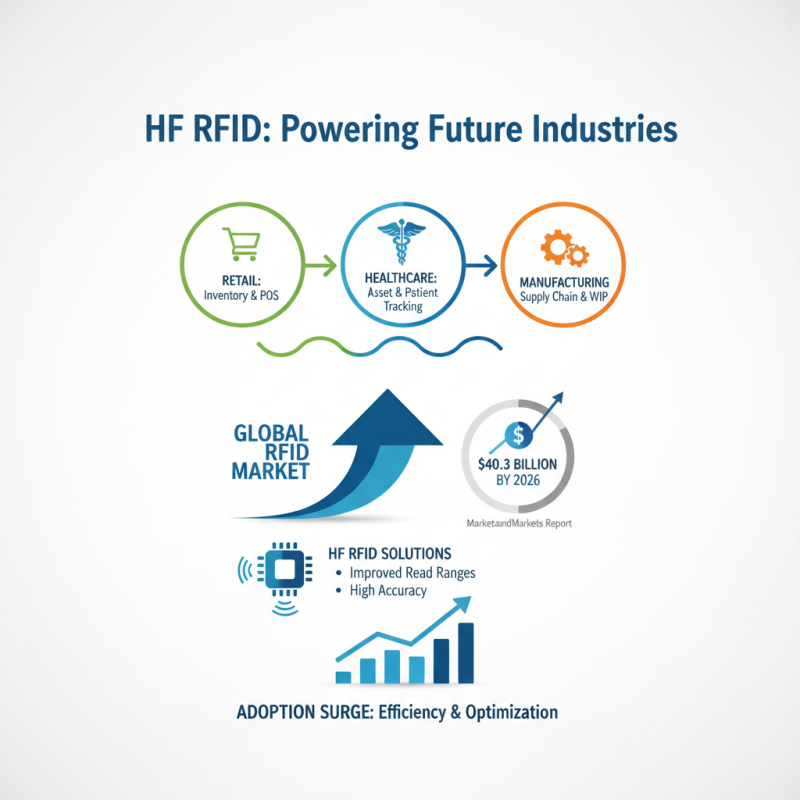
In recent years, the adoption of high-frequency (HF) RFID technology has surged across various industries, showcasing its versatility and efficiency in inventory management, asset tracking, and supply chain optimization. A report from MarketsandMarkets indicates that the global RFID market is projected to reach $40.3 billion by 2026, with HF RFID solutions playing a significant role due to their accuracy and improved read ranges. This technology has been successfully implemented in sectors such as retail, healthcare, and manufacturing, demonstrating substantial operational benefits.
For instance, a case study within the healthcare industry revealed that a leading hospital implemented HF RFID systems for tracking surgical instruments and supplies. As a result, they reported a reduction in inventory discrepancies by over 30%, significantly decreasing the time spent on locating assets and improving overall patient care. Similarly, a retail company utilized HF RFID to enhance its inventory visibility, achieving a 99% accuracy rate in stock counts, which directly contributed to higher customer satisfaction and reduced out-of-stock situations. These examples underline the importance of selecting the right HF RFID reader tailored to specific business requirements, maximizing the potential of this robust technology.
Innovative Solutions for Streamlined Logistics: Introducing the Vision and RFID Tunnel Machine TD-T7692-RV
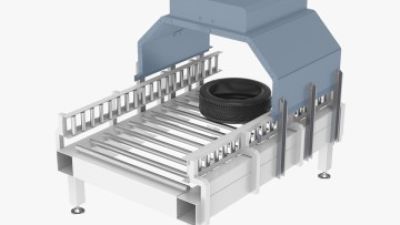
The innovative Vision and RFID tunnel machine TD-T7692-RV represents a significant advancement in streamlining logistics through enhanced identification and tracking capabilities. Designed for high-speed production environments, this machine excels at swiftly reading a variety of 1D and 2D codes, even when items are in rapid motion. This efficiency ensures that businesses can maintain a continuous flow of operations without interruptions, allowing for seamless integration into existing processes.
Moreover, the remarkable sensitivity of the machine in capturing UHF RFID tag data provides a comprehensive solution for asset tracking and inventory management. This feature is particularly crucial in today’s fast-paced market where accuracy in tracking goods is paramount. By implementing these cutting-edge technologies, companies can achieve higher levels of efficiency and reliability, ensuring that every item is precisely accounted for in real-time.
Through tailored OEM and ODM services, this technology empowers businesses to develop innovative solutions that cater specifically to their needs. By partnering with experts in the field, organizations can explore scalable and efficient hardware solutions that enhance their operational capabilities, driving success and adaptation in the digital age. The Vision and RFID tunnel machine stands at the forefront of this evolution, facilitating a smarter, more connected logistics infrastructure.
FAQS
: HF RFID technology operates at 13.56 MHz and is used for applications such as inventory management, access control, and asset tracking.
The typical communication range for HF RFID technology is up to ten centimeters.
HF RFID technology enhances inventory management by providing real-time data, helping maintain accurate stock levels and reducing out-of-stock situations by up to 30%.
The critical factors include frequency, range, and sensitivity. Frequency affects communication with tags, range determines the distance of communication, and sensitivity impacts the reader's ability to detect weak signals.
Key features include frequency range compatibility, multiple communication interfaces (like USB and Ethernet), support for various tag types, durability for demanding environments, and ergonomic design for ease of use.
Testing the reader in similar conditions helps evaluate its performance accurately and ensures it meets operational requirements without unnecessary errors.
In healthcare, HF RFID technology streamlines patient management and improves the tracking of medical equipment, contributing to overall efficiency and safety.
Selecting the right RFID reader can improve operational efficiency, leading to better inventory management and asset tracking, which in turn enhances the overall customer experience.
Conclusion
Choosing the right HF RFID reader for your business involves a comprehensive understanding of HF RFID technology and its applications. Initially, businesses should assess their specific requirements, including the required performance metrics such as frequency, range, and sensitivity. A comparative analysis between HF and other RFID frequencies can shed light on the advantages and disadvantages of each technology, helping organizations make an informed decision.
Key features to consider when selecting an HF RFID reader include durability, user-friendliness, and compatibility with existing systems. Additionally, budgeting for the investment is crucial, as costs can vary widely based on features and performance. Real-world industry case studies can provide valuable insights into successful HF RFID implementations, highlighting best practices and the potential benefits of integration within various business operations.

 Rotary HF RFID Tag Reader GRH-I40 Suitable for Assembly Lines
 Industrial-grade High-frequency Integrated Reader GRH-I65 Suitable for Asset Tracking
 With ESD Protection HF RFID Reader GRH-I68 Suitable for Progress Tracking
 Proximity HF RFID Reader GRH-M30 Suitable for Manufacturing Workshops
 Desktop HF RFID Scanner GRH-D80-HID Suitable for Card-issuing Applications
 High Frequency Medium Distance Reader GRH-I90 Suitable for Logistics Production Line
 UHF RFID Portals and Tunnel Machine RFly-AM3000 for Access Control
 Narrow RFID Portals Series TD-P20040-SS for Single Tag Entry and Exit Identification Scenario
 RFID Transmission Line Simple Identification Tunnel Machine (TD-T3050)
 Vision and RFID Tunnel Machine TD-T7692-RV for Logistics Sorting
 RFID Transmission Line Identification Tunnel Machine TD-T10090
 RFID Mobile Inventory Tunnel Machine TD-T65150 for Conveyor Belts
 High-Performance Far-Field Antennas for Broad Coverage.
 Multi-Purpose Antennas: Flexibility for Diverse Applications
 Near-Field Antennas for Short-Distance Tag Detection.
 Portals & Tunnel Antennas for Integrated RFID Series
 Slimline PCB Antennas for Warehousing and Logistics
 Miniaturized and Thin Antennas can Provide Good Performance in a Smaller Size.
 GPS Tracker for Vehicles, Car, Kids, Assets.
 CO2 Sensors Detect CO2 Gas through Alarms, Suitable for Offices, Planting Tents.
 Door Sensor, Detect Open and Closed Doors or Windows, Sends Alerts, Triggers Siren.
 Wireless Level Sensor Equipped with a 5-Meter Detection Line, Suitable for Water Tanks
 Real Time Monitoring of Air Quality Using PM2.5/PM10 Sensors.
 Smoke Sensor, Fire Alarm Smoke Detector with Test Button and Low Battery Reminder.
 Soil Stress Sensor,Bridge and Tunnel Monitors.
 Vibration Sensor Monitors Equipment, Like Conveyors and Motors, for Operational Status.
 E -Paper Display
 Smart Water Sensor Alarms, 1.2 M Detection Line.
 CO Sensor for Basements Home Office House Bedroom Living Room Car, Light Plug and Play.
 Temperature and Humidity Sensor
 Multi-sensor GD-ME
 Temperature Sensors Monitor the Surface Temperature of Various Heating Equipment.-1
 Signal Enhancement Terminal, Long Range Coverage.
 Multi-Protocol Communication Gateway, App Remote Control.
 Edge Vision Gateway can Access Various Mainstream Cameras, Suitable for Office, Factory.
 GBS-3550 Outdoor Sensor Gateway,LoRa, 2/3/4G Communication.
 Smart WiFi Gateway, Realize Remote Control.
 Ultra-Low-Power Solar-Powered Intelligent Gateway (Outdoor)
 IP67-protected Integrated RFID Reader Writer RFly-I165 for Supply Chain
 Long-range Distance UHF RFID Reader RFly-I195 for Inventory Management
 Small UHF RFID Tag Reader RFly-I300 for Cars
 Two-channel Compact Fixed RFID Reader RFly-F210 for Warehousing
 Four Channels Fixed UHF RFID Reader RFly-R6 for Supply Chain
 8-channel UHF RFID Tag Reader RFly-R8 for File Cabinet Identification
 Bluetooth Portable RFID Reader and Writer GRU-HBT100 for Inventory Management
 Industrial Grade Handheld UHF RFID Reader GRU-HC520 Suitable for Logistics
 RFID Gateway Networking System
 RFID Passive Temperature Measurement System
 RFID Tags for Container Turnover Management
 RFID Tags for Equipment O&M Management
 RFID Tags for Manufacturing Management
 RFID Tags for Tool Management
 A Kits for Equipment Condition Detection
 A Kits for Office Computer Room Environment Monitoring
 A Kits for Reservoir Environmental Monitoring
 A Kits for Storage Space Environment Monitoring
 A Kits for Stress Detection of Underground Tunnel
 A Kits for Urban Environment Monitoring
 Intelligent IoT Monitoring Platform
 Integrating Multiple Functional OTG Demo Software
 HF Demo Software
 UHF Demo Software