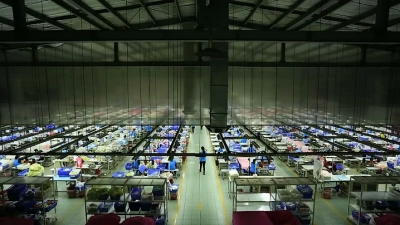
Global 3PL Streamlines High-End Fashion Inventory with MingQ RFID Tunnel Solution
Leading E‑Commerce Platform Accelerates Flash-Sale Fulfillment and Boosts Warehouse Productivity with MingQ RFID Sorting Wall Solution
Global Automaker Elevates Component Kitting Accuracy with MingQ RFID Shelf‑Level Management Solution
Asia’s Largest Logistics Provider Enhances Warehouse Intelligence with RFID Pallet & Container Management Solution
RFID Application in Platform Vehicle Management
RFID Application in Logistics Sorting
RFID Application in Supply Chain Management
RFID Application for Workshop/Warehouse Tracking
TP‑Link Enhances Warehouse Inbound/Outbound Efficiency with MingQ RFID Dock‑Door Solution
RFID technology empowers port containers: a new direction for future logistics
RFID technology in forklift tracking and container bag identification
Real-Time Data, Secure Transportation: The Future Trends of Cold Chain Logistics
RFID Tool Management
RFID Application in Battery Factory Production
RFID Application in Production Line Rubber Box Management
RFID Application in Mold Management on Production Lines
RFID Application in Fiber Optic Cable Manufacturing
Smart Manufacturing
The medical industry uses RFID technology to make drug tracking more accurate
RFID technology helps beverage production and build an efficient supply chain
RFID technology helps car seat production lines: intelligent management improves efficiency and quality
RFID technology in the production of electronic appliances monitoring and tracing application
Use RFID technology to improve appliance management efficiency and security
RFID technology helps precise installation of headrests
Clean‑Energy Equipment Manufacturer Enhances Material Traceability with MingQ RFID Pallet Management Solution
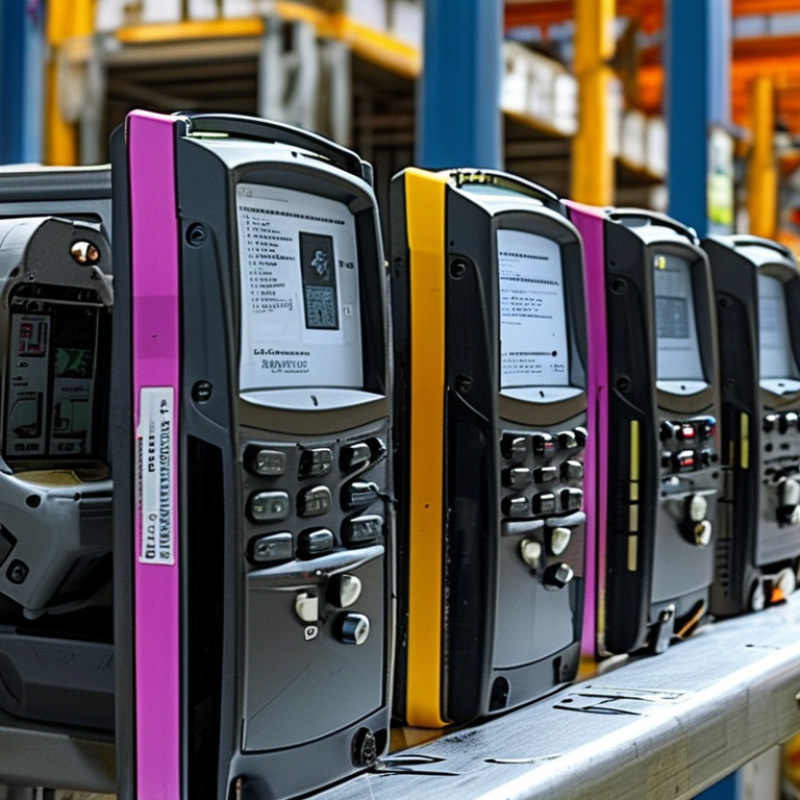
Picking the right RFID reader and writerisn't just a small detail — it's actually pretty important, especially depending on what you need them for. These gadgets are super helpful for stuff like managing inventory, controlling access, or collecting data. The trick is, before you buy, you really gotta understand what your specific needs are. Stuff like how far the signal reaches, whether it's compatible with your existing systems, and how user-friendly it is should all be on your radar.
There are a bunch of companies out there offering all sorts of Rfid Devices. But here's the thing — not all of them are made equal. Some might not hold up well under tough conditions, and others could have software that doesn't talk nicely with your other tools. That's why it’s a smart move to dig into reviews and do some research. Checking out what other users say about reliability and performance can save you headaches down the line.
Spending a bit extra on a good-quality RFID reader and writer can really make a difference in how smoothly your operations run. But, at the same time, you wanna keep an eye on your budget. Sometimes, the most expensive option isn’t necessarily the best fit for what you need, right? Think about which features are really deal-breakers and which ones are just nice to have. That way, you can pick the device that’s just right for your setup without breaking the bank or ending up with stuff you don’t really need.
RFID technology is transformative. It utilizes electromagnetic fields to automatically identify and track tags attached to objects. An RFID tag consists of a microchip and an antenna. The chip stores information, while the antenna enables communication with RFID readers. This technology finds applications in various sectors. For example, it's widely used in inventory management, supply chain logistics, and access control systems.
Selecting an Rfid Tag Reader And Writer requires an understanding of specific needs. Communication range and data storage capabilities are vital factors. Compatibility with different tag types is essential too. Some organizations struggle with the integration of RFID systems into existing processes. This can lead to inefficiencies and frustration. Therefore, assessing infrastructure before purchasing is crucial. Knowing whether you need a handheld or fixed reader can also influence your decision.
It's easy to overlook the importance of environmental factors. For instance, metal surfacescan interfere with signal transmission. If your business operates in such conditions, specialized equipment may be necessary. Testing different systems in real-world settings can offer valuable insights. This practical approach can help identify potential issues and refine system selection. Ultimately, making an informed choice about an Rfid Tag Reader and writer can significantly impact operational efficiency and accuracy.
When choosing an RFID reader and writer, identifying specific needs is crucial. Different applications require unique features. For instance, inventory management systems may need long-range capabilities. Conversely, access control applications often require compact, portable devices. According to a report by the International Data Corporation (IDC), 50% of companies value compatibility with existing systems as a top priority. Knowing your environment is essential for effective decision-making.
Consider the frequency of operation as well. RFID systems operate at low, high, or ultra-high frequencies. Each offers various ranges and read speeds. A study from the RFID Journal indicates that UHF systems are preferred for large-scale operations due to their longer read ranges. Therefore, it's critical to analyze your specific requirements. Some businesses might prioritize price over functionality, risking effectiveness. The emphasis should be on long-term benefits rather than immediate cost savings.
Performance metrics matter. Look for data on read/write speed, accuracy, and durability. These details provide insight into efficiency. Accurate device specifications can improve operational flow. In a robust market like China, the demand for reliable RFID solutions is rising. Companies seeking "China Rfid Reader And Writer" options must assess whether these products align with their operational goals and field environments.
When evaluating different types of RFID readers and writers, it's essential to understand their key features. Passive RFID systems require less power and are generally more cost-effective. They can read tags from a distance of a few centimeters to several meters. Active RFID systems, on the other hand, are powered by batteries and can transmit data over greater distances. This makes them suitable for tracking high-value assets.
Compatibility is another critical factor. Some readers only work with specific frequencies or tags. Be sure to check if the reader supports the tag types your operation uses. Additionally, consider the environment where the reader will be used. Outdoor conditions may require more rugged and weather-resistant designs, while indoor environments may need devices that offer precision tracking in tight spaces.
User interface and ease of integration are often overlooked. A complex interface may lead to errors and frustration. Choose equipment that aligns with your team's technical skills. While it's tempting to select the latest technology, consider how well it fits into your current workflow. Take time to reflect on these aspects before making a decision, as it can save considerable time and resources later on.
When selecting an RFID device, understanding key features is essential. The technology’s range, speed, and compatibility affect performance. Consider the read range of the device. A longer range is useful for wide-area applications. However, certain environments can hinder performance. You may find that urban settings with many obstacles slow down read speeds significantly.
Another crucial aspect is the compatibility of the OEM Rfid Reader And Writer. Ensure the reader can process the tags you intend to use. Some readers work with specific frequencies, while others provide broader support. This compatibility impacts your overall system efficiency. It is vital to assess your specific needs.
Tip: Look for devices that offer flexible integration options. This adaptability allows for easier upgrades as technology evolves. Also, pay attention to the durability of the RFID device. Environments can vary, and some readers may not withstand harsh conditions. Research thoroughly, as inadequate durability can lead to frequent breakdowns and unnecessary costs.
When selecting an RFID reader and writer, exploring various brands and models becomes essential. According to recent industry reports, the global RFID market is projected to grow at a compound annual growth rate (CAGR) of over 14% from 2023 to 2030. This growth indicates that there are numerous options available, but not all devices meet the required standards.
In comparing brands, consider their read range, frequency compatibility, and data transfer speeds. Some models excel in short-range applications, while others perform better at longer distances. It's vital to assess the specific needs of your business. Data from leading industry analysts suggest that a significant portion of RFID users prioritize ease of integration and support services. Many report frustration with setups that lack sufficient technical documentation.
Choosing a Wholesale Rfid Reader And Writer offers cost advantages, but it also introduces potential shortcomings. Bulk purchases may lead to acquiring subpar devices that don't align with your operational needs. Exploring customer reviews and conducting thorough research on compatibility and performance could mitigate these risks. It's crucial to ensure that the selected equipment can adapt to future technological advancements. An informed decision today can prevent inefficiencies down the line.
When selecting an RFID reader and writer, ensuring compatibility with your RFID tags and systems is crucial. According to a report from RFID Journal, more than 78% of businesses cite compatibility as a primary concern when integrating RFID technology. Different types of RFID systems operate at varying frequencies: low-frequency (LF), high-frequency (HF), and ultra-high-frequency (UHF). Each type has distinct applications. For instance, UHF systems often excel in inventory tracking, while LF systems are used in access control.
Understanding the specifications of your RFID tags is vital. Not all readers work with every tag type. Some readers are designed for specific frequencies, which can limit their application. The International Organization for Standardization (ISO) provides standards for RFID technology, ensuring a level of consistency. However, in practice, hardware from different manufacturers may still face integration challenges. A mismatch can lead to inefficient operations.
It’s also essential to consider the environment in which the RFID system will operate. Factors like distance, interference, and tag orientation can affect performance. A study by Grand View Research highlights that environmental challenges account for nearly 30% of RFID deployment issues. It serves as a reminder to test your chosen reader in real-world scenarios. Understand your unique needs, and don’t assume that one size fits all in RFID solutions.
When selecting an RFID reader and writer, assessing your budget is essential. The initial investment can vary significantly. Reports indicate that RFID implementation costs can range from $10,000 to over $1 million, depending on business size and requirements. Thus, understanding your budget constraints helps inform your options.
Look for solutions that balance performance and cost. Some readers offer advanced features at a premium price. However, determining if these features align with your needs is crucial. Opt for basic models if your applications are straightforward. The average cost of a basic RFID reader is around $500, while high-end options could exceed $3,000.
Consider total cost of ownership (TCO) as well. TCO includes maintenance, software, and integration costs over time. A cheaper upfront solution may lead to higher TCO later. Investing in comprehensive solutions can prove cost-effective long-term. Engaging with industry experts can provide insights into previously overlooked costs.
Tip: Always examine warranty and support services before making a purchase. These factors can significantly impact reliability. Additionally, stay informed about market trends to avoid premature investments. A thorough evaluation can prevent costly mistakes down the line.
In today’s fast-paced environment, enhancing card management efficiency is paramount for organizations across various sectors. The integration of RFID technology plays a crucial role in streamlining this process. By adopting RFID systems, businesses can achieve quicker reading times and reduce manual errors, significantly improving the overall accuracy of card management. This advancement not only saves time but also offers a more organized approach to handling identification and access control cards.
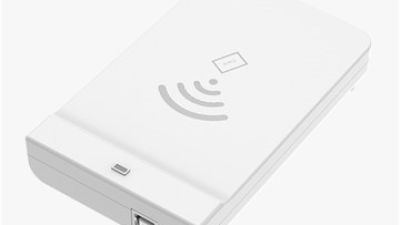
One notable solution in the realm of RFID technology is a compact desktop reader that supports USB connectivity. This device is designed for effortless plug-and-play operation, allowing users to connect it directly to a USB port without requiring additional drivers or complex installation processes. The simplicity and user-friendliness of this technology make it an attractive option for organizations looking to enhance their card management systems efficiently. Whether businesses need tailored solutions or versatile products, there is a commitment to delivering high-quality and cost-effective options, ensuring quick deployment and ease of use. This approach facilitates rapid implementation, thereby enhancing operational efficiency in card management tasks.
: Identify your specific needs based on your application, like inventory or access control.
About 50% of companies prioritize compatibility for better integration and efficiency.
RFID systems operate at low, high, or ultra-high frequencies, affecting range and speed.
UHF systems are preferred for large-scale operations due to their longer read ranges.
Read/write speed, accuracy, and durability are crucial for maintaining efficiency.
Prioritizing price over functionality may risk effectiveness and lead to higher costs later.
Urban settings with many obstacles can slow down read speeds significantly.
Consider the read range, compatibility with tags, and flexible integration options.
The right durability prevents frequent breakdowns and saves on unnecessary costs.
Inadequate planning and ignoring key features can lead to subpar performance.
When choosing the best RFID Reader and Writer, it's essential to first understand RFID technology and its diverse applications across various industries. Identifying your specific reading and writing needs is crucial, as different scenarios may require distinct capabilities. Evaluating various types of RFID readers and writers helps in narrowing down options, while key features such as read range, data transfer speed, and user interface are vital to consider to ensure optimal performance.
Additionally, compatibility with RFID tags and existing systems is a critical factor to verify, as it impacts the overall effectiveness of your solution. Budgeting and assessing cost-effectiveness are necessary to find a balance between quality and expense, ensuring that your investment in an RFID Reader and Writer meets both current and future organizational needs. By following these guidelines, you can make an informed decision that enhances operational efficiency and meets your specific RFID requirements.