These days, with everyone really pushing for more efficiency and accuracy to stay ahead, UHF RFID technology is seriously changing the game when it comes to managing supply chains and keeping track of inventory. I came across a report from Grand View Research that mentioned the global UHF RFID market was worth about $8.29 billion back in 2020, and it’s expected to keep growing at a pretty impressive rate of around 14.5% annually until 2028. That’s a clear sign that more and more industries—like retail, healthcare, and logistics—are embracing this tech because real-time tracking and spot-on data make all the difference.
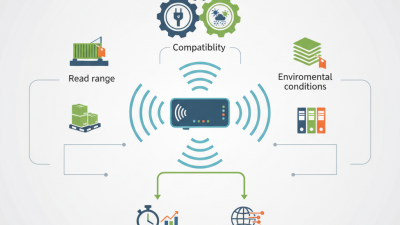
But here’s the thing: picking the right UHF Rfid Solution for your business can really make a difference in how smoothly your operations run and how much you save. Of course, with so many options out there, you’ve got to think about things like how far the tags can be read, how quickly data gets transferred, and whether it plays nicely with what you’re already using. A study from Zebra Technologies found that a huge 93% of organizations using RFID saw better inventory accuracy and cut labor costs pretty noticeably. So, it’s really important to understand what your specific needs are and how UHF RFID can help meet them. When you start looking into which solution works best, just remember to keep your business goals in mind. It’s all about making tech work for you, not the other way around.

Understanding Ultra High Frequency (UHF) RFID Technology
Ultra High Frequency (UHF) RFID technology operates in the frequency range of 300 MHz to 3 GHz, though most commercial applications utilize 860-960 MHz. This range allows for faster reading speeds and longer read distances, making UHF RFID an ideal choice for various business sectors, including retail, logistics, and manufacturing. According to a report by IDTechEx, the UHF RFID market is projected to reach $9.3 billion by 2026, driven by advancements in technology and increased adoption by enterprises looking to enhance inventory management and supply chain efficiency.
When considering UHF RFID solutions for your business, it's essential to understand the impact of various environmental factors on performance. UHF signals can be impeded by Water and metals, which may affect read rates in specific applications. Furthermore, the choice of antennas and readers plays a crucial role; for instance, phased array antennas can significantly improve read accuracy in dense environments.
Tip: Assess your operational environment and consider conducting a pilot test to evaluate UHF RFID performance before full implementation.
Additionally, successful integration of UHF RFID requires consideration of data management systems. Companies must ensure that they have robust software in place to capture, analyze, and utilize the data collected from RFID systems effectively. According to a study by Avery Dennison, organizations report a 30% reduction in operational costs when RFID is paired with effective data management practices.
Tip: Collaborate with IT and operations teams early in the UHF RFID implementation process to ensure seamless integration with existing technologies.
Evaluating the Benefits of UHF RFID for Your Business Needs
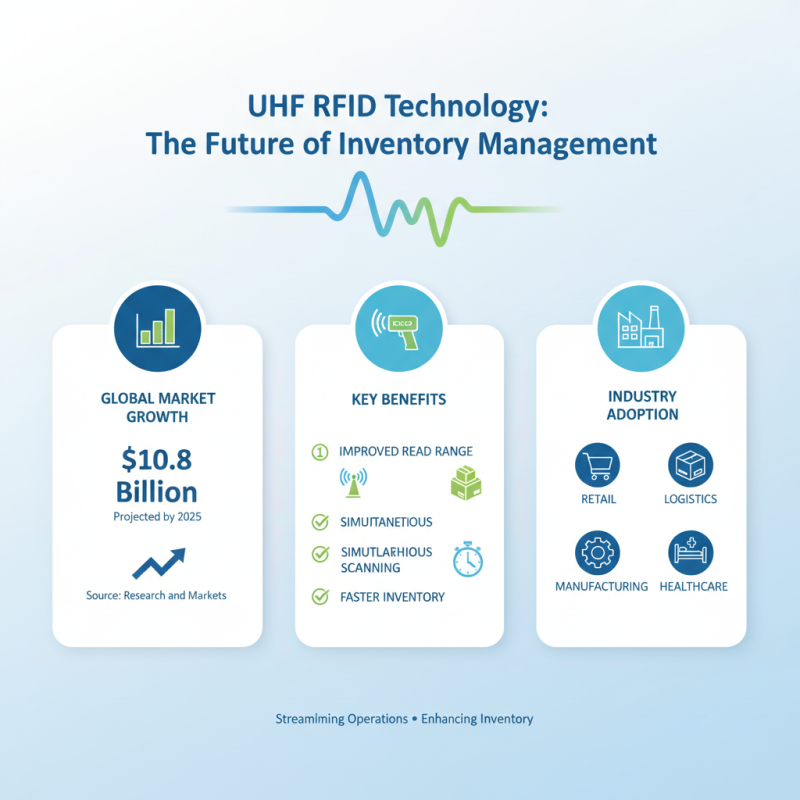
Ultra High Frequency (UHF) RFID technology has gained significant traction in various industries due to its ability to streamline operations and enhance inventory management. According to a study by Research and Markets, the global UHF RFID market is projected to reach $10.8 billion by 2025, highlighting the growing recognition of its benefits across businesses. UHF RFID solutions offer improved read ranges, allowing for the simultaneous scanning of multiple items, which can drastically reduce the time spent on inventory checks and asset tracking.
One of the primary advantages of UHF RFID systems is their capability to provide real-time data, which can significantly enhance decision-making processes. A report by the RFID Journal indicates that organizations implementing UHF RFID solutions have experienced inventory accuracy improvements of up to 99%. This accuracy not only aids in minimizing stock discrepancies but also promotes better customer satisfaction, as businesses can ensure the availability of products. Additionally, UHF RFID can automate various processes, leading to increased efficiency, reduced labor costs, and ultimately, improved profitability.
Moreover, UHF RFID technology is well-suited for diverse applications, including supply chain management, retail, and manufacturing. The flexibility of these solutions enables businesses to adapt the technology to their specific needs. As highlighted by a report from the International Data Corporation (IDC), businesses that leverage UHF RFID not only see enhanced operational visibility but also gain a competitive edge by effectively managing their resources and optimizing their supply chains.
Identifying Key Features of UHF RFID Solutions
When choosing the right Ultra High Frequency (UHF) RFID solutions for your business, it's essential to identify key features that align with your operational needs. One critical aspect is the read range capability. UHF RFID systems typically offer a longer read range compared to other frequencies, which can be beneficial for tracking items over larger distances. Understanding the specific read range required for your application helps ensure that the selected solution can effectively cover the intended operational area.
Another important feature to consider is the data transfer rate. UHF RFID is known for its fast data capture, which is crucial for environments where numerous items need to be scanned in a short time frame. Assessing the speed at which the system can read multiple tags simultaneously can enhance efficiency in processes such as inventory management or asset tracking. Additionally, the interoperability of devices is vital. Ensure that the chosen RFID solution can easily integrate with your existing systems for seamless operation and data management. These features collectively contribute to a robust UHF RFID solution, tailored to improve your business's efficiency and accuracy.
Assessing Compatibility with Existing Systems and Infrastructure
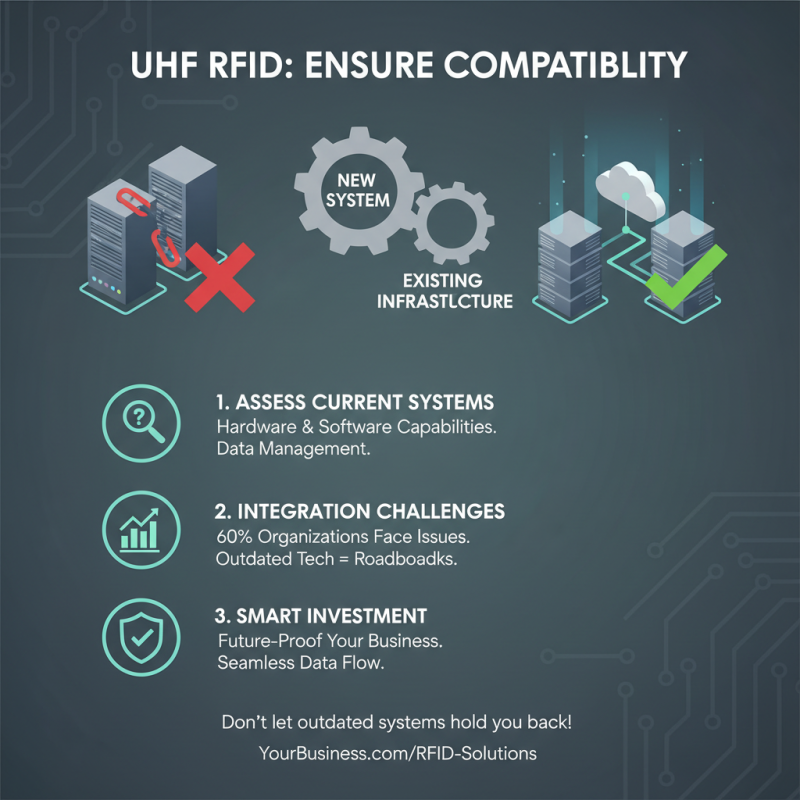
When selecting the right Ultra High Frequency (UHF) RFID solution for your business, one of the most critical factors to consider is compatibility with your existing systems and infrastructure. According to recent industry reports, over 60% of organizations face integration challenges when adopting new technologies, primarily due to outdated systems that cannot support the latest RFID advancements. Thus, it is essential to evaluate your current hardware and software capabilities before making a significant investment in RFID technology.
You may want to conduct a thorough assessment of the existing IT architecture, including databases and network capabilities. For instance, ensuring that your RFID readers, antennas, and tags can seamlessly communicate with your enterprise resource planning (ERP) or inventory management systems will streamline operations and reduce potential disruptions. Additionally, consider the scalability of the RFID solution; as your business grows, your technology should be able to expand accordingly without requiring a complete overhaul.
**Tips:**
- Engage with your IT team to identify any potential compatibility issues early in the process.
- Reference compatibility reports from RFID technology providers to understand integration capabilities better.
- Pilot new UHF RFID systems in a controlled environment to assess how well they integrate with existing infrastructure before full deployment.
Cost Considerations for Implementing UHF RFID Solutions
When considering the implementation of Ultra High Frequency (UHF) RFID solutions, cost is a critical factor that can significantly influence a business's decision-making process. It's essential to evaluate both the initial investment and the long-term expenses associated with these technologies. The upfront costs may include hardware such as RFID tags and readers, software solutions for inventory management, and installation fees. Businesses should also consider the scalability of these systems; opting for a solution that can grow with the business may involve higher initial costs, but can lead to better value over time.
In addition to the hardware and software expenses, operational costs should be factored into the decision. This includes training employees to use the new systems, ongoing maintenance of RFID equipment, and potential subscription fees for software updates or data management services. It's also wise to analyze the return on investment (ROI) by estimating how UHF RFID can enhance efficiency, reduce labor costs, and minimize errors in inventory tracking. A comprehensive cost analysis will help to ensure that the chosen UHF RFID solution aligns with the business's budgetary constraints and operational goals.
How to Choose the Right Ultra High Frequency RFID Solutions for Your Business - Cost Considerations for Implementing UHF RFID Solutions
| Consideration | Low-Cost Solutions | Mid-Range Solutions | High-End Solutions |
| Initial Setup Cost | $1,000 - $5,000 | $5,000 - $20,000 | $20,000+ |
| Maintenance Costs (Yearly) | $500 - $1,000 | $1,000 - $3,000 | $3,000+ |
| Hardware Costs | $100 - $500 per reader | $500 - $1,500 per reader | $1,500+ per reader |
| Tags Cost | $0.10 - $0.50 per tag | $0.50 - $2.00 per tag | $2.00+ per tag |
| Integration Complexity | Simple | Moderate | Complex |
Selecting a Reliable UHF RFID Vendor and Support
When selecting a reliable Ultra High Frequency (UHF) RFID vendor, it is crucial to assess their experience and track record in the industry. According to recent studies by market research firms, the global UHF RFID market is projected to reach $12.30 billion by 2025, reflecting a significant growth trajectory. Businesses must prioritize vendors with proven expertise in this rapidly evolving field. Look for vendors who can demonstrate successful case studies and client testimonials, indicating their capability to deliver durable, efficient, and scalable UHF RFID solutions tailored to different industries, such as retail, logistics, and manufacturing.
In addition to experience, ensuring the vendor provides comprehensive support services is essential. Research indicates that companies leveraging UHF RFID technology experience a 30% improvement in inventory accuracy and an impressive 25% reduction in labor costs. A reliable vendor will not only supply the hardware and software components but also offer ongoing support, including installation, training, and troubleshooting. It is advisable to inquire about the vendor's customer service reputation and their responsiveness to client needs, as well as the availability of technical support resources. Prioritizing these criteria will help businesses choose a vendor that not only meets their UHF RFID solution requirements but also provides a robust support system for long-term success.
Planning for Future Scalability and Upgrades in UHF RFID Systems
When selecting Ultra High Frequency (UHF) RFID solutions, it is essential to consider future scalability and potential upgrades. As business needs evolve, a flexible UHF RFID system can significantly reduce the long-term costs of technology adoption. Look for solutions that allow for incremental upgrades, permitting the integration of new features without complete system overhauls. A modular approach can help in accommodating new technologies as they emerge, ensuring your investment remains relevant and effective.
**Tip:** Always opt for systems that provide clear pathways for expansion. Investigate if your chosen RFID solution offers additional functionalities or upgrades that can be easily integrated into the existing framework. This foresight can prevent functionality bottlenecks that often lead to costly replacements.
Moreover, assess the compatibility of your UHF RFID system with other technologies you may adopt in the future. Ensuring interoperability with devices like IoT platforms will maximize your system’s utility while streamlining data management processes.
**Tip:** Engage with vendors to gather insights on future-proofing options for your RFID system. A good vendor will have knowledge of upcoming trends and provide recommendations that align with your company's growth trajectory. This partnership will be invaluable in navigating the complexities of evolving technology landscapes.
Conclusion
When selecting Ultra High Frequency (UHF) RFID solutions for your business, it is essential to understand the technology's capabilities and benefits. UHF RFID offers improved read rates and longer ranges, making it an efficient choice for various operations. Evaluating your business needs helps in identifying the key features of UHF RFID systems that will enhance productivity and accuracy.
Compatibility with existing systems and infrastructure is crucial to ensure a smooth integration process. Consideration of costs associated with implementing UHF RFID solutions, along with future scalability and upgrades, will help your business stay adaptable in a constantly evolving market. Finally, partnering with a reliable UHF RFID vendor is important to secure ongoing support and maintenance, ensuring that your investment remains valuable over time.

 Rotary HF RFID Tag Reader GRH-I40 Suitable for Assembly Lines
 Industrial-grade High-frequency Integrated Reader GRH-I65 Suitable for Asset Tracking
 With ESD Protection HF RFID Reader GRH-I68 Suitable for Progress Tracking
 Proximity HF RFID Reader GRH-M30 Suitable for Manufacturing Workshops
 Desktop HF RFID Scanner GRH-D80-HID Suitable for Card-issuing Applications
 High Frequency Medium Distance Reader GRH-I90 Suitable for Logistics Production Line
 UHF RFID Portals and Tunnel Machine RFly-AM3000 for Access Control
 Narrow RFID Portals Series TD-P20040-SS for Single Tag Entry and Exit Identification Scenario
 RFID Transmission Line Simple Identification Tunnel Machine (TD-T3050)
 Vision and RFID Tunnel Machine TD-T7692-RV for Logistics Sorting
 RFID Transmission Line Identification Tunnel Machine TD-T10090
 RFID Mobile Inventory Tunnel Machine TD-T65150 for Conveyor Belts
 High-Performance Far-Field Antennas for Broad Coverage.
 Multi-Purpose Antennas: Flexibility for Diverse Applications
 Near-Field Antennas for Short-Distance Tag Detection.
 Portals & Tunnel Antennas for Integrated RFID Series
 Slimline PCB Antennas for Warehousing and Logistics
 Miniaturized and Thin Antennas can Provide Good Performance in a Smaller Size.
 GPS Tracker for Vehicles, Car, Kids, Assets.
 CO2 Sensors Detect CO2 Gas through Alarms, Suitable for Offices, Planting Tents.
 Door Sensor, Detect Open and Closed Doors or Windows, Sends Alerts, Triggers Siren.
 Wireless Level Sensor Equipped with a 5-Meter Detection Line, Suitable for Water Tanks
 Real Time Monitoring of Air Quality Using PM2.5/PM10 Sensors.
 Smoke Sensor, Fire Alarm Smoke Detector with Test Button and Low Battery Reminder.
 Soil Stress Sensor,Bridge and Tunnel Monitors.
 Vibration Sensor Monitors Equipment, Like Conveyors and Motors, for Operational Status.
 E -Paper Display
 Smart Water Sensor Alarms, 1.2 M Detection Line.
 CO Sensor for Basements Home Office House Bedroom Living Room Car, Light Plug and Play.
 Temperature and Humidity Sensor
 Multi-sensor GD-ME
 Temperature Sensors Monitor the Surface Temperature of Various Heating Equipment.-1
 Signal Enhancement Terminal, Long Range Coverage.
 Multi-Protocol Communication Gateway, App Remote Control.
 Edge Vision Gateway can Access Various Mainstream Cameras, Suitable for Office, Factory.
 GBS-3550 Outdoor Sensor Gateway,LoRa, 2/3/4G Communication.
 Smart WiFi Gateway, Realize Remote Control.
 Ultra-Low-Power Solar-Powered Intelligent Gateway (Outdoor)
 IP67-protected Integrated RFID Reader Writer RFly-I165 for Supply Chain
 Long-range Distance UHF RFID Reader RFly-I195 for Inventory Management
 Small UHF RFID Tag Reader RFly-I300 for Cars
 Two-channel Compact Fixed RFID Reader RFly-F210 for Warehousing
 Four Channels Fixed UHF RFID Reader RFly-R6 for Supply Chain
 8-channel UHF RFID Tag Reader RFly-R8 for File Cabinet Identification
 Bluetooth Portable RFID Reader and Writer GRU-HBT100 for Inventory Management
 Industrial Grade Handheld UHF RFID Reader GRU-HC520 Suitable for Logistics
 RFID Gateway Networking System
 RFID Passive Temperature Measurement System
 RFID Tags for Container Turnover Management
 RFID Tags for Equipment O&M Management
 RFID Tags for Manufacturing Management
 RFID Tags for Tool Management
 A Kits for Equipment Condition Detection
 A Kits for Office Computer Room Environment Monitoring
 A Kits for Reservoir Environmental Monitoring
 A Kits for Storage Space Environment Monitoring
 A Kits for Stress Detection of Underground Tunnel
 A Kits for Urban Environment Monitoring
 Intelligent IoT Monitoring Platform
 Integrating Multiple Functional OTG Demo Software
 HF Demo Software
 UHF Demo Software