Global 3PL Streamlines High-End Fashion Inventory with MingQ RFID Tunnel Solution
Leading E‑Commerce Platform Accelerates Flash-Sale Fulfillment and Boosts Warehouse Productivity with MingQ RFID Sorting Wall Solution
Global Automaker Elevates Component Kitting Accuracy with MingQ RFID Shelf‑Level Management Solution
Asia’s Largest Logistics Provider Enhances Warehouse Intelligence with RFID Pallet & Container Management Solution
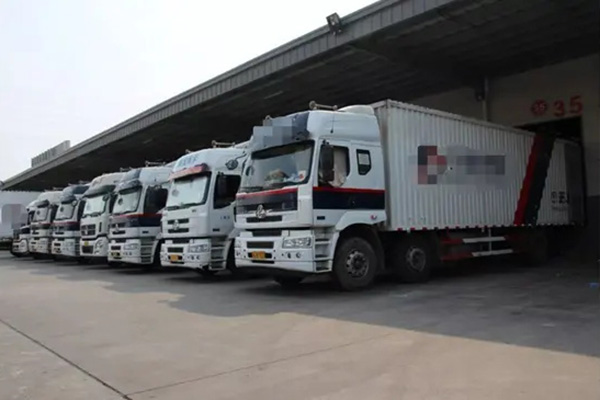
RFID Application in Platform Vehicle Management
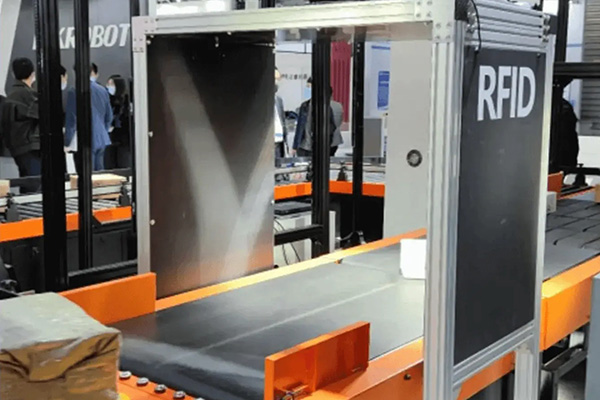
RFID Application in Logistics Sorting
RFID Application in Supply Chain Management
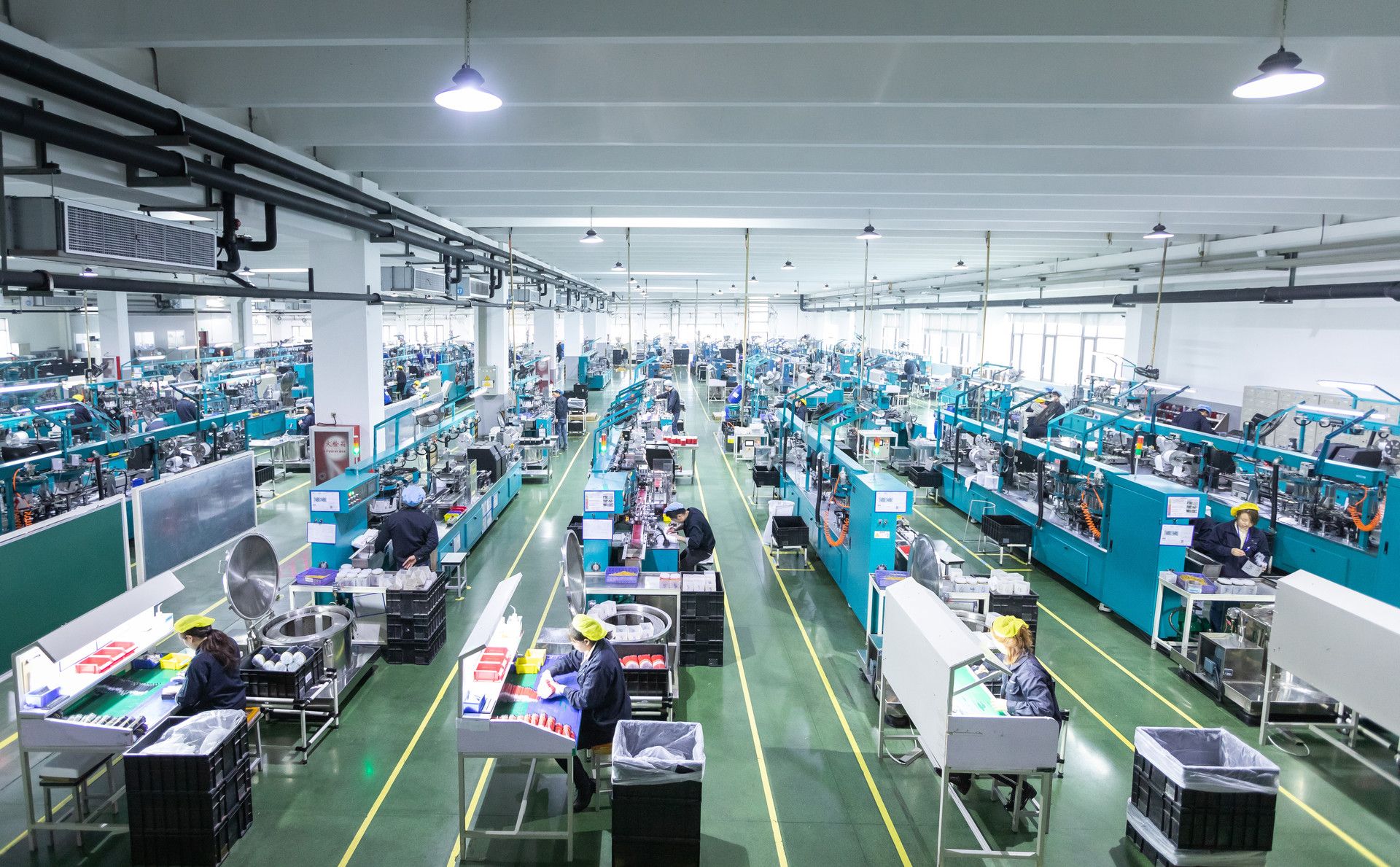
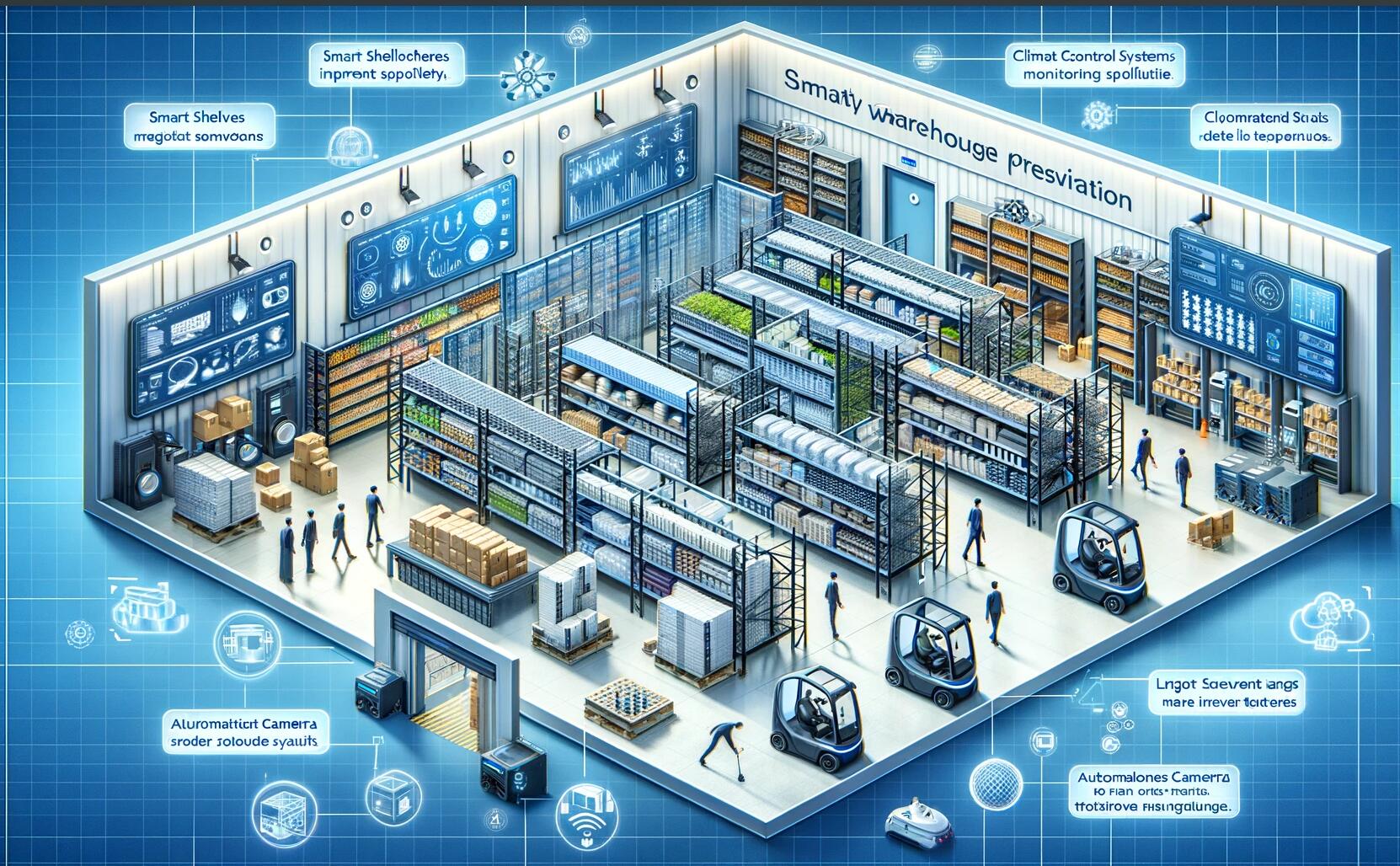
RFID Application for Workshop/Warehouse Tracking
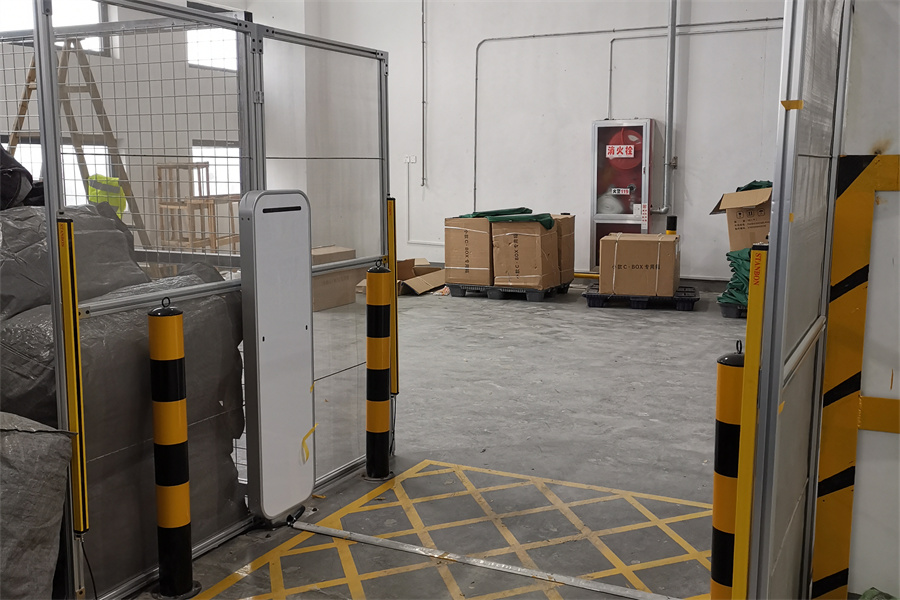
TP‑Link Enhances Warehouse Inbound/Outbound Efficiency with MingQ RFID Dock‑Door Solution
RFID technology empowers port containers: a new direction for future logistics
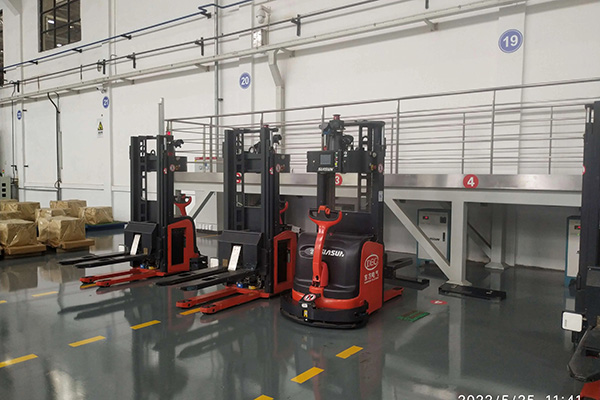
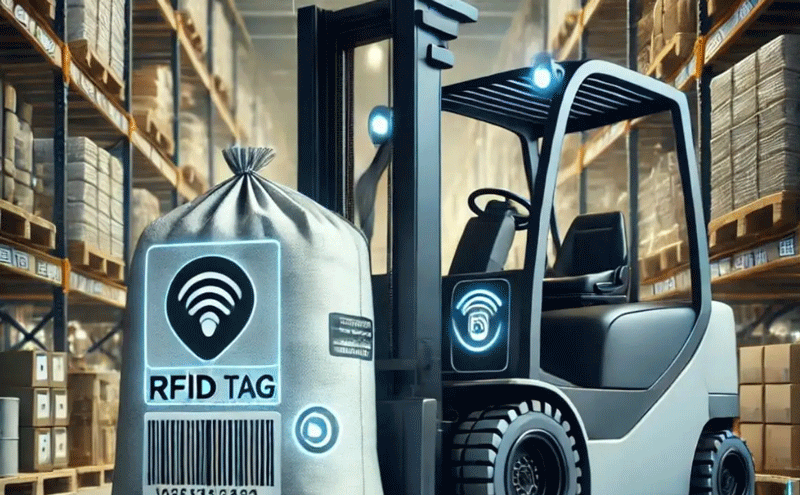
RFID technology in forklift tracking and container bag identification
Real-Time Data, Secure Transportation: The Future Trends of Cold Chain Logistics
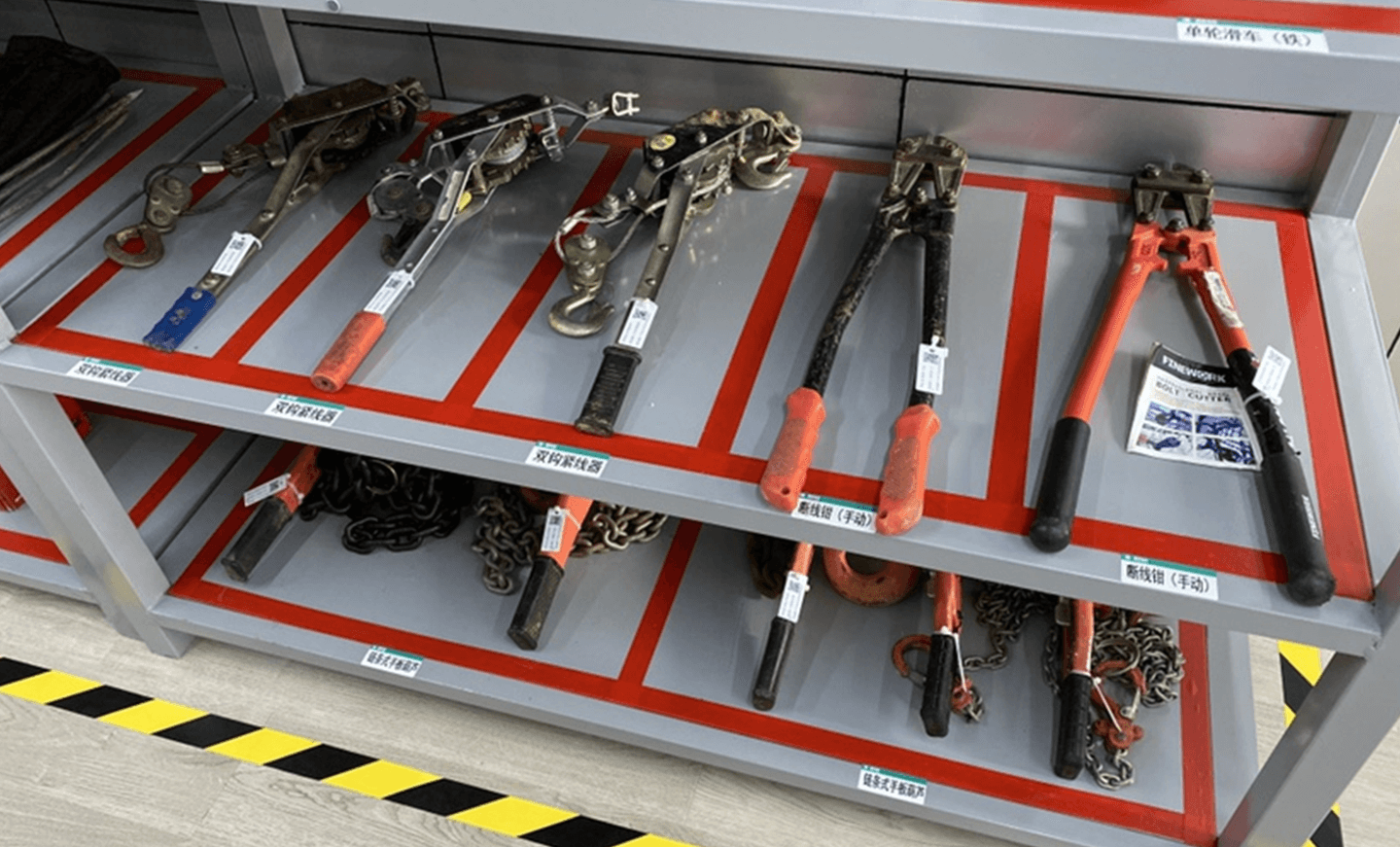
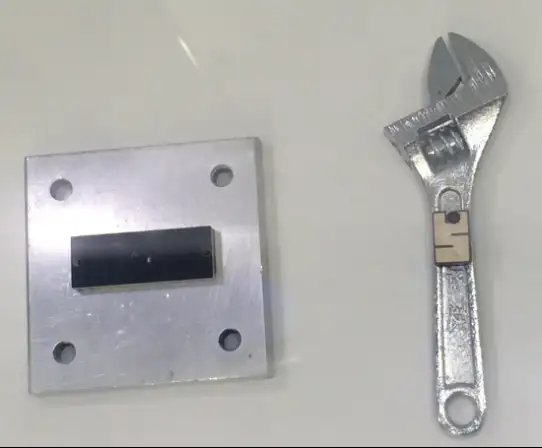
RFID Tool Management
RFID Application in Battery Factory Production
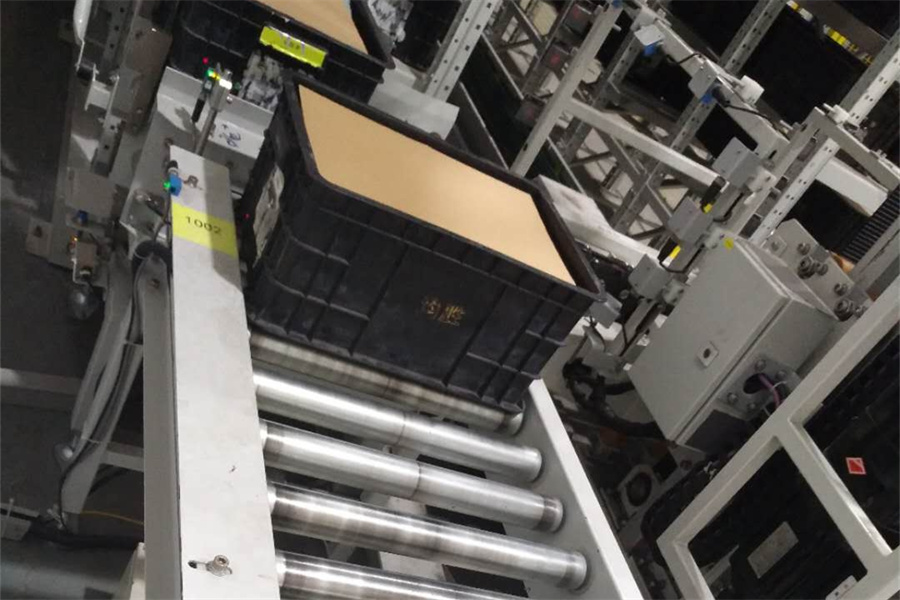
RFID Application in Production Line Rubber Box Management
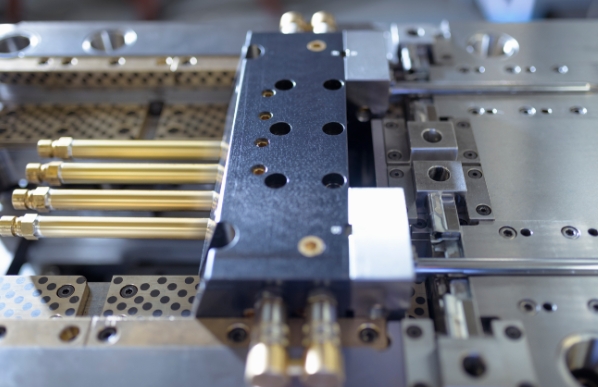
RFID Application in Mold Management on Production Lines
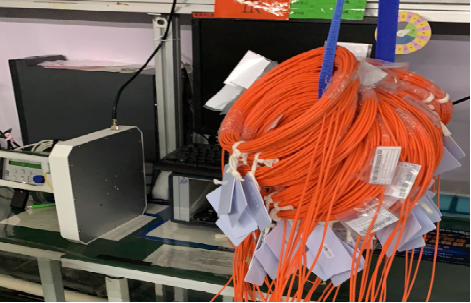
RFID Application in Fiber Optic Cable Manufacturing
Smart Manufacturing
The medical industry uses RFID technology to make drug tracking more accurate
RFID technology helps beverage production and build an efficient supply chain
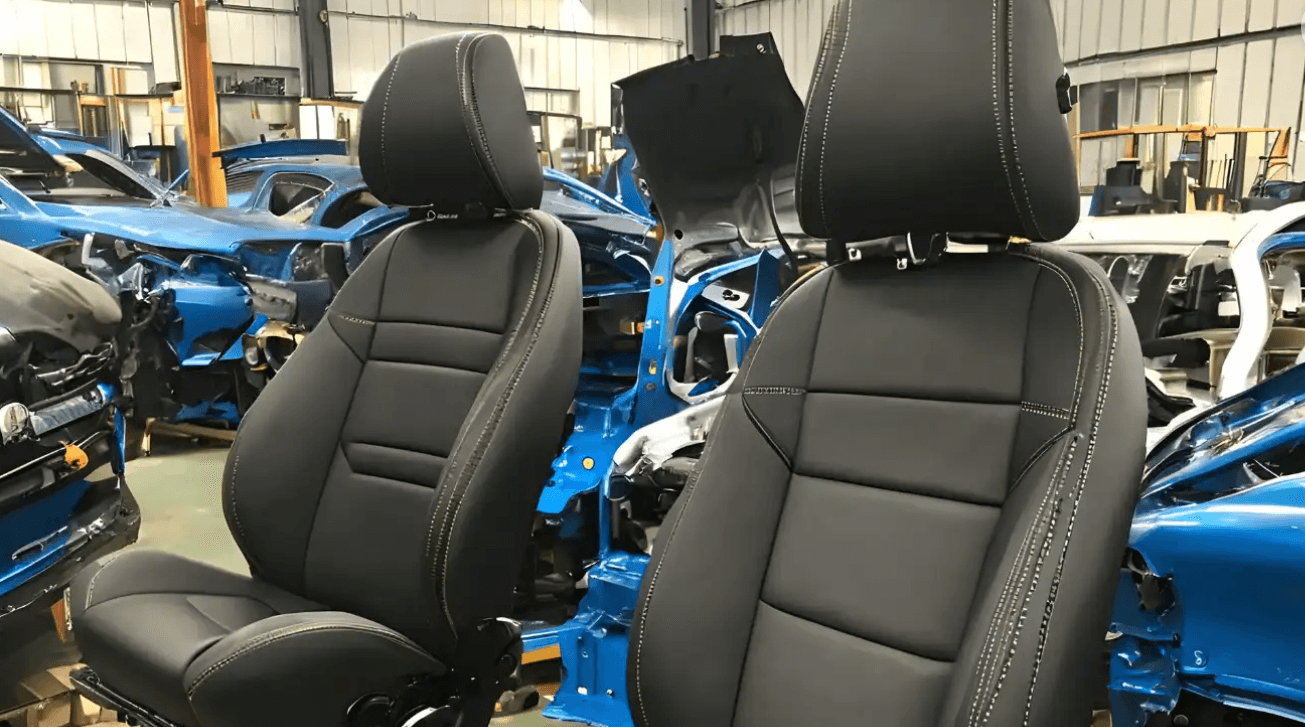
RFID technology helps car seat production lines: intelligent management improves efficiency and quality
RFID technology in the production of electronic appliances monitoring and tracing application
Use RFID technology to improve appliance management efficiency and security
RFID technology helps precise installation of headrests
Clean‑Energy Equipment Manufacturer Enhances Material Traceability with MingQ RFID Pallet Management Solution
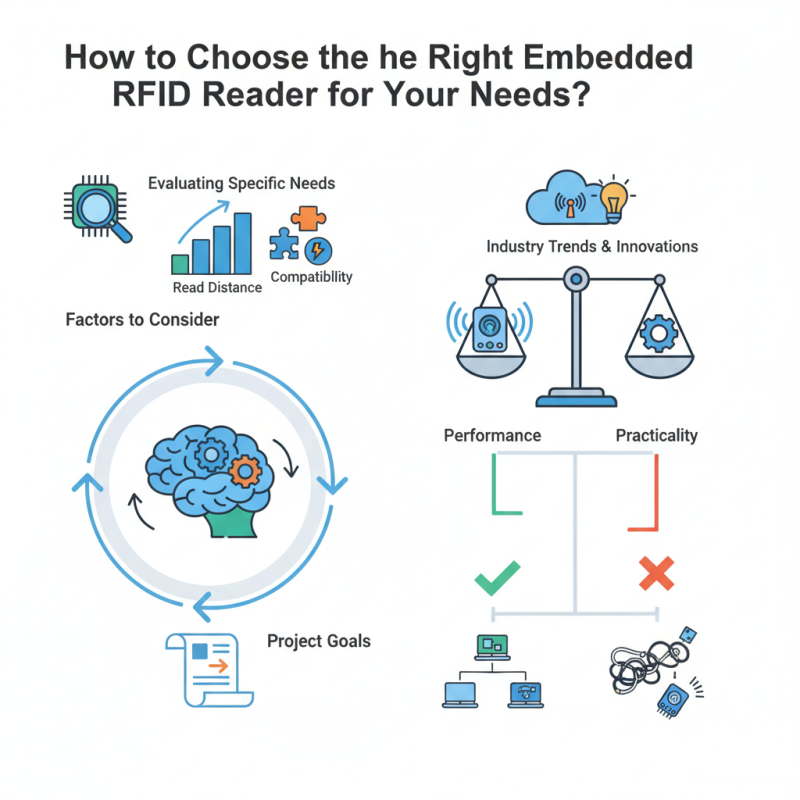
Choosing the right Embedded RFID Reader can really make a difference in your project. I remember hearing Michael Tran from RFID Innovate say, “Picking the right reader is super important for how well your system works.” That really stuck with me because it just shows how crucial it is to make an informed decision when dealing with this kind of tech.
Now, these Embedded Rfid Readers come in all sorts of shapes and sizes, each with their own perks and quirks. Some are great at long-range reading, while others are super small and fit into tight spaces. The key is to think about what your particular needs are—consider things like how far you need to read, whether they’ll be compatible with your existing setup, and how much power they use.
And let’s not forget, this is a constantly changing field. Staying up-to-date on the latest trends and new tech can give you a big advantage. At first glance, picking an Embedded RFID Reader might seem simple, but it’s worth giving it some real thought. Take a minute to think about what your project really needs and compare the features of different options. Making the wrong choice could cause some headaches down the line. So, try to strike a good balance between performance and practicality—that’s what’ll help you nail it.
RFID technology has transformed various industries by enabling automatic identification and tracking of objects. This technology uses radio waves to communicate data between a reader and a tag. In healthcare, RFID improves inventory management and patient tracking. Hospitals can monitor equipment and supplies in real time, reducing waste and enhancing patient care.
In retail, RFID streamlines inventory processes. Stores can quickly check stock levels and locate items with ease. This leads to better customer service and fewer out-of-stock situations. However, some retailers face challenges in integrating RFID systems with existing infrastructure. This can impact efficiency if not addressed properly.
Manufacturing also benefits from RFID applications. It automates processes on production lines, increasing accuracy and productivity. Yet, companies may struggle with the initial setup costs. Reflecting on these challenges is crucial for organizations looking to implement RFID technology. Understanding these factors helps in making informed decisions.
Choosing the right embedded RFID reader requires careful consideration of several key factors. One significant aspect is the reader's frequency. RFID readers typically operate at low, high, or ultra-high frequencies. Low-frequency readers are effective for short-range applications. High-frequency readers balance range and data transfer speed. Ultra-high frequency readers support longer read distances. According to industry reports, the global RFID market is projected to reach $9.2 billion by 2025, reflecting the technology's growth and versatility.
Another critical factor is the reader’s compatibility with existing systems. An OEM Embedded Rfid Reader should integrate seamlessly with current IT infrastructure. Data interoperability is vital for efficient operations. Businesses must assess whether the reader supports various protocols and standards, such as ISO or EPC. Moreover, considering the environment where the reader will be deployed is essential. Factors like temperature, moisture, and dust can influence performance.
Cost is also a determining factor. While investing in a high-quality reader can yield long-term benefits, finding a balance is crucial. Companies can struggle with budget constraints and may overlook performance features. This often leads to underwhelming results. Organizations should evaluate not just the initial cost, but also potential maintenance expenses. Proper research is needed to align budget with required features and durability.
When selecting an embedded RFID reader, understanding the frequency bands is crucial. RFID technology typically operates in three frequency ranges: Low Frequency (LF), High Frequency (HF), and Ultra High Frequency (UHF). Each frequency has specific characteristics, advantages, and limitations, impacting their suitability for various applications.
LF readers, operating at 125 kHz or 134.2 kHz, are known for their reliability in short-range applications, such as animal tracking. Their read range is limited to about 10 centimeters. Research indicates that LF offers better penetration through materials, making it ideal for harsh environments. However, the slower read rates result in less efficiency in high-volume scenarios.
On the other hand, HF readers, usually at 13.56 MHz, provide a read range of up to 1 meter. This frequency is widely used in access control and contactless payment systems. According to industry reports, HF is better suited for secure applications due to its encryption capabilities. Meanwhile, UHF operates between 860 MHz to 960 MHz, featuring longer read ranges of up to 12 meters. UHF is advantageous for tracking larger assets; however, it is sensitive to interference from Water and metal surfaces. By analyzing these frequencies, businesses can align their RFID technology choice with operational needs. Each option has strengths and weaknesses, necessitating careful assessment to ensure optimal integration.
This bar chart compares the effective range and data transfer rate of different RFID frequencies: LF (Low Frequency), HF (High Frequency), and UHF (Ultra High Frequency).
Choosing the right embedded RFID reader involves evaluating crucial performance metrics. Read range is significant for determining how far away the reader can detect tags. A wider range is often beneficial, especially in large spaces. However, longer read distances can lead to inaccuracies if not managed properly. Testing in your specific environment helps clarify the effective read range.
Speed is another essential metric. A reader that can quickly process multiple tags increases efficiency. Yet, if speed compromises accuracy, it may not be the best choice. Striking a balance between swift readings and reliable data is key for optimal performance. Furthermore, analyze how speed impacts your workflow and make adjustments as needed.
Accuracy must not be overlooked. It ensures that the data captured is precise and trustworthy. Poor accuracy can lead to significant issues down the line, such as inventory discrepancies. Selecting the Best Embedded Rfid Reader means considering how these metrics work together. Reflect on your unique requirements and test different options. Keep an eye on emerging technologies that may enhance these performance aspects.
When choosing an embedded RFID reader, compatibility with existing systems and protocols takes center stage. It’s essential to assess whether the reader can seamlessly integrate into your current infrastructure. Different systems use various communication protocols, like ISO or EPC. Ensuring the RFID reader supports these is crucial. Limited compatibility can lead to project delays and increased costs.
Understanding your environment helps in this selection process. Will the RFID reader operate in outdoor conditions? Can it withstand dust or moisture? These details matter significantly. For instance, if you’re utilizing a China Embedded Rfid Reader, confirm its ability to operate with legacy systems. Performance can drastically differ among models, even if they initially seem compatible.
It's also worth noting that evolving technology may pose challenges. As new standards emerge, readers that are currently suitable might become obsolete. Therefore, seeking advice from professionals or consultants familiar with the latest trends is wise. This can provide insights into the durability and future-proofing of your RFID investment. Balancing immediate needs with long-term vision is key in this decision-making process.
When selecting an embedded RFID reader, the total cost of ownership (TCO) is critical. It’s not just about the initial investment; understanding long-term benefits can shift your perspective. A Cheap Embedded Rfid Reader may save you money upfront but might lead to higher operational costs later. Consider maintenance, compatibility, and integration costs before making a decision.
Investing in a reliable RFID reader often means fewer headaches in the long run. Some cheaper options fail under heavy use, leading to frequent replacements. Over time, these additional expenses could surpass the cost of a more robust device. Ensure you evaluate warranties and support services. This can impact your overall satisfaction.
Tips: Assess your specific needs before purchasing. Compare functionality, durability, and support options. Don’t solely focus on price. Think about future scalability as your needs evolve. Consider the reader's technology and how it integrates with your existing systems. Sometimes, investing a little more can save you from significant problems down the road.
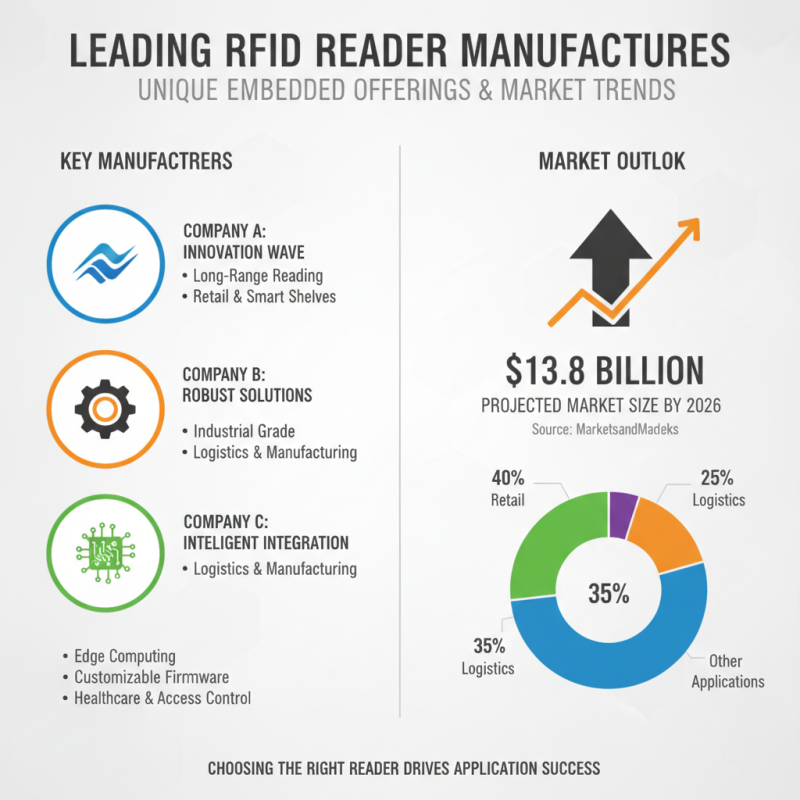
When selecting an embedded RFID reader, understanding the manufacturers and their unique offerings is essential. The RFID market has seen substantial growth, projected to reach $13.8 billion by 2026, according to a report by MarketsandMarkets. Various manufacturers provide different features tailored for various applications, ranging from retail to logistics.
For instance, certain manufacturers focus on high-frequency RFID readers, ideal for asset tracking, especially in warehouses. Others excel in low-frequency options, which are often more affordable yet effective for short-range identification tasks. However, some users complain about compatibility issues. This is where research becomes crucial. Ensure that any RFID reader can work with your existing systems.
Moreover, specialized readers offer unique functionalities. Some have built-in antenna arrays for enhanced range, while others boast energy-efficient designs. Selecting one may involve trade-offs. Higher performance often comes with increased costs. Keep these factors in mind to avoid pitfalls in your decision-making process. Finding the right RFID reader requires careful thought and a deep understanding of your specific needs and challenges.
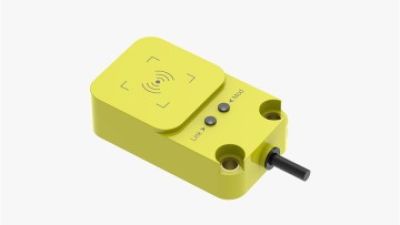
The GRH-I68 HF RFID Reader stands out as a robust solution for enhanced progress tracking, particularly due to its strong electrostatic discharge (ESD) protection capabilities. In environments where static electricity poses a persistent challenge, this integrated reader ensures reliable operation, thereby increasing its durability and extending its lifecycle. Users can trust that even in high-electrostatic settings, the GRH-I68 will maintain optimal performance without the risk of damage from static buildup.
Designed for versatility, the GRH-I68 caters to a wide range of applications, whether you need customized solutions or general-purpose options. Its user-friendly interface allows for seamless integration into existing systems, helping organizations effectively monitor progress and improve workflow efficiency. High-quality construction and cost-effective performance make the GRH-I68 a smart choice for businesses looking to invest in technology that withstands challenging conditions while delivering reliable results.
For those interested in elevating their tracking solutions, the GRH-I68 is readily available, and inquiries can be easily directed to our team. We prioritize quick response times and provide detailed product quotations to accommodate your specific needs, ensuring that you receive exceptional products tailored to your requirements.
: RFID technology operates in three bands: Low Frequency (LF), High Frequency (HF), and Ultra High Frequency (UHF).
LF readers work at 125 kHz or 134.2 kHz. They are reliable but only read up to 10 centimeters.
HF readers operate at 13.56 MHz and have a read range of up to 1 meter. They support secure applications.
UHF operates between 860 MHz to 960 MHz, with read ranges up to 12 meters, making it ideal for tracking larger assets.
A wider read range is beneficial in large spaces. But it can lead to inaccuracies if not managed properly.
Fast readers improve efficiency but may compromise accuracy. Balance is crucial for reliable data capture.
Check if the RFID reader integrates with existing systems and supports relevant communication protocols.
Conditions like dust and moisture can impact reader performance. Ensure it meets environmental requirements.
New standards may make current RFID models obsolete. Seek expert advice for future-proofing your investment.
Regularly test different options and consider unique operational needs for optimal technology alignment.
When selecting the right embedded RFID reader for your needs, it is crucial to first understand the fundamentals of RFID technology and its diverse applications across various industries. Key considerations include the specific frequency of the RFID reader, such as LF, HF, or UHF, which can significantly impact performance metrics like read range, speed, and accuracy. Additionally, evaluating compatibility with existing systems is essential to ensure seamless integration.
Another vital aspect is the total cost of ownership, where potential buyers must weigh the initial investment against the long-term benefits. This involves analyzing the performance capabilities of different embedded RFID readers and understanding how they align with organizational goals. By considering these factors, alongside a review of leading manufacturers, users can make informed decisions to effectively meet their RFID needs.