Leave Your Message
0%

In today’s super busy business world, being efficient is more important than ever. That's why a lot of companies are turning to tech solutions to make their operations smoother. One option that's gaining popularity is the RFID Integrated Reader. According to a report from Grand View Research, the global RFID market could hit around $40 billion by 2026. That shows there’s a pretty clear trend of businesses adopting RFID to boost their processes across different industries.

Using an RFID Integrated Reader can really help with managing inventory and cutting down on mistakes. Companies that’ve implemented RFID tech often see their efficiency jump by as much as 25%. But, honestly, the upfront costs can be a bit intimidating—especially for small businesses just starting out. Picking the right reader is super important, though. Some features might not even get used, which can end up wasting money. So, it’s all about knowing what you actually need.

Think about how an RFID Integrated Reader could change the way you work. It can give you better tracking, more accurate data, and overall smoother operations. That said, not all solutions are a good fit for every business. You’ve gotta weigh your specific needs and budget carefully to find that balance. At the end of the day, making sure you choose something that makes sense for your company is key for a successful setup.

Why Choose an RFID Integrated Reader for Your Business Needs?

Understanding RFID Technology and Its Applications

RFID technology has transformed various industries by enhancing efficiency and accuracy. At its core, RFID uses electromagnetic fields to automatically identify and track tags attached to objects. These tags contain electronically stored information, allowing real-time data collection. This technology proves invaluable in sectors like retail, inventory management, and logistics.

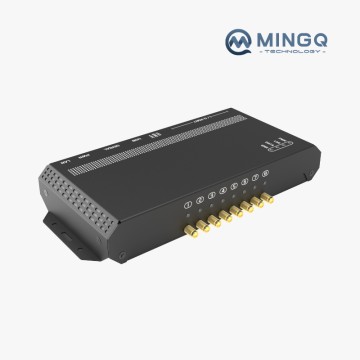
An Integrated Uhf Rfid Reader streamlines this process. It can read multiple tags simultaneously, which saves time and minimizes human error. However, not every business is ready to adopt this technology fully. Many companies face challenges, such as the high initial investment and the need for staff training. These hurdles can leave businesses questioning if RFID is the right fit.

Despite these concerns, RFID applications are vast. From speeding up checkout processes to improving asset management, the advantages often outweigh the initial drawbacks. Businesses can capture detailed insights that were previously unattainable. As RFID technology continues to evolve, understanding its practical applications becomes crucial for any organization looking to stay competitive.

Why Choose an RFID Integrated Reader for Your Business Needs? - Understanding RFID Technology and Its Applications

Application Area Benefits Key Features Typical Industry Users
Inventory Management Increased accuracy, reduced labor costs Real-time tracking, automated inventory counting Retail, Warehousing
Asset Tracking Minimized loss, enhanced asset utilization Long read range, high-read rate Healthcare, Manufacturing
Supply Chain Management Improved visibility, streamlined processes Integration capabilities, data analytics Logistics, Distribution
Access Control Enhanced security, user convenience Contactless operation, encryption features Corporate Offices, Event Venues

The Advantages of RFID Integrated Readers for Businesses

RFID integrated readers are transforming how businesses track inventory. They offer speed and efficiency that traditional methods cannot match. With these readers, data is captured in real-time. This means less time spent on manual entries. Efficiency is crucial in today’s fast-paced environment.

Tips: Evaluate your data needs. Analyzing what information is essential can guide your RFID selection. Choose an Uhf Rfid Integrated Reader that aligns with your specific operational requirements.

The accuracy of an RFID integrated reader improves inventory management. Mistakes are costly. Implementing this technology reduces human error significantly. However, businesses must ensure proper training for staff. This is often overlooked but can undermine the potential advantages.

Tips: Regular training sessions can enhance your team’s competency. Don’t assume everyone will adapt easily to new technology. Continuous learning is vital in maximizing the benefits of an Uhf RFID integrated reader for your business.

Key Features to Look for in RFID Integrated Readers

When considering an Rfid Integrated Reader, several key features should be prioritized. Data accuracy is crucial. Readers must have the ability to capture data quickly and reliably. If the reader does not perform well in this area, your operations may suffer.

Another aspect to look for is the read range. Some readers work well from a distance, while others require close proximity. Understanding this difference can inform your purchase decision. A reader that is too limited may lead to inefficiencies. Additionally, it’s beneficial to look for one with versatile connectivity options. This allows seamless integration into existing systems, enhancing productivity.

Finally, consider the durability of the RFID Integrated Reader. If it cannot withstand harsh environments, it may not be the best choice. Assess the materials and design. This decision can save costs in the long run. Investing wisely in the reader can improve overall business efficiency, but it’s also important to reflect on where your specific needs lie. Balancing features and practicality is key.

How RFID Integrated Readers Enhance Supply Chain Efficiency

RFID integrated readers can transform supply chain operations. They streamline processes, reduce errors, and improve inventory management. These readers swiftly capture data from RFID Tags. The result? Faster decision-making and increased accuracy in tracking assets.

In a busy warehouse, mistakes can cost time and money. Utilizing RFID technology minimizes those errors. Each item is tagged, allowing for real-time visibility. Tracking shipments becomes easier. Employees spend less time searching for products. However, the initial setup can be daunting. There may be unforeseen challenges in implementation. Training staff effectively is crucial.

Moreover, integrating this technology requires investment. Some businesses may hesitate at the costs involved. It's vital to evaluate long-term benefits versus short-term expenses. The enhancement in efficiency often outweighs the upfront costs. Ultimately, RFID readers offer significant advantages that can lead to smoother operations and improved customer satisfaction.

Comparing RFID Integrated Readers to Traditional Barcode Systems

Why Choose an RFID Integrated Reader for Your Business Needs?

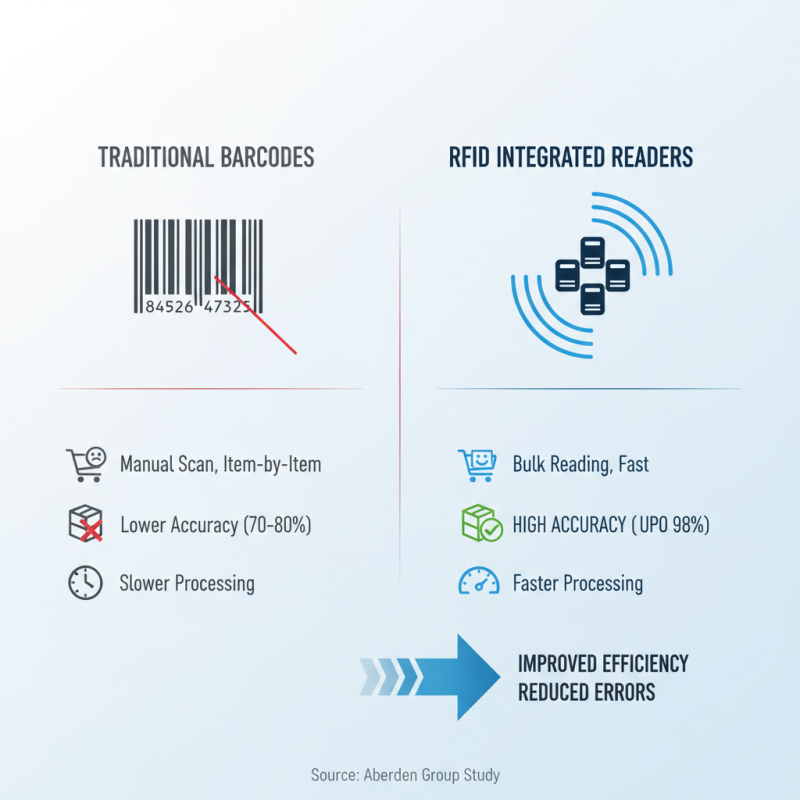
RFID integrated readers offer distinct advantages over traditional barcode systems. According to a study by the Aberdeen Group, RFID technology can improve inventory accuracy by up to 98%. This increase in accuracy leads to fewer stockouts and reduced excess inventory. Unlike barcodes, RFID tags can be read in bulk, allowing for faster processing times. This is crucial for businesses that operate in high-traffic environments. The speed and efficiency can significantly enhance customer satisfaction.

However, transitioning to RFID integrated readers is not without its challenges. Implementing this technology may require substantial upfront investment, which can be daunting for small businesses. Some staff members might also resist adapting to new systems, potentially causing friction during the transition. Yet, companies that choose to Buy Uhf Rfid Integrated Reader often report that the long-term benefits, such as reduced labor costs and increased processing speed, outweigh initial hurdles.

Traditional barcode systems require line-of-sight scanning, which can be a significant bottleneck in operations. RFID, on the other hand, allows for non-line-of-sight scanning. However, the cost of RFID readers and tags can be higher. There's also the risk of interference in environments with metal or liquid. Testing in real-world settings is essential to understand the advantages and shortcomings. Balancing these factors can enhance overall operational efficiency.

Cost-Benefit Analysis of Implementing RFID Solutions

Implementing RFID solutions can appear costly at first glance, but a deeper analysis reveals significant long-term benefits. A recent study indicates that businesses can save between 15-30% in labor costs when using RFID systems. This is largely due to automated data capture, which minimizes manual errors and speeds up inventory processes. Companies with real-time tracking see a 20% reduction in stock discrepancies. This leads to a more efficient supply chain.

However, the initial investment cannot be overlooked. RFID technology costs can range from $1,000 to $10,000 for smaller enterprises. There's often a learning curve involved. Employees require training to adapt to new workflows. Yet, as operations improve, the return on investment can offset these challenges. According to industry reports, 75% of businesses experience a positive ROI within two years of implementing RFID.

Operational inefficiencies often stem from outdated systems. Businesses may hesitate to embrace RFID due to upfront costs. Nonetheless, failure to modernize could mean losing competitive advantage. Many industries report increasing consumer demand for faster service and accuracy. In a world where customers expect immediacy, RFID not only meets those needs but also aligns with strategic growth plans. This makes a compelling case for adopting RFID technology in an evolving landscape.

Cost-Benefit Analysis of Implementing RFID Solutions

Future Trends in RFID Technology for Business Innovation

RFID technology is evolving rapidly, reshaping how businesses operate. According to a recent industry report, the global RFID market is expected to reach $40 billion by 2026, growing at a CAGR of 15% from 2021. This increase showcases the undeniable push towards automation and efficiency. Companies are leveraging RFID integrated readers to enhance inventory management drastically. With real-time tracking, businesses save time and reduce errors.

Moreover, trends indicate a rising focus on integrating IoT with RFID. A 2023 report highlighted that 70% of organizations plan to adopt this integration. This move allows for better data collection and improved decision-making. Companies can access actionable insights from the data captured. However, not all businesses are fully capitalizing on these advancements. Some still face challenges in implementing RFID effectively.

Despite the growing interest, there are gaps in understanding this technology. Many firms overlook the need for employee training. Without proper education, potential benefits can be lost. Acknowledging this learning curve is essential for truly harnessing RFID’s capabilities. Businesses must reflect on their current strategies and adapt to remain competitive in this quickly evolving landscape.

FAQS

: What is RFID technology?

: RFID technology uses electromagnetic fields to identify and track tags attached to objects.

How does RFID improve efficiency?

It allows real-time data collection, enhancing accuracy and speeding up processes in various industries.

What are common applications of RFID?

RFID is used in retail, inventory management, and logistics to streamline operations and reduce errors.

What challenges do businesses face when adopting RFID?

High initial investment and the need for staff training can be significant hurdles for many companies.

Why is staff training important in RFID implementation?

Proper training ensures employees can effectively utilize the technology, minimizing errors during operations.

Do the benefits of RFID outweigh its costs?

Yes, increased efficiency and improved customer satisfaction often justify the initial setup costs in the long run.

Are there unforeseen challenges when implementing RFID?

Yes, issues may arise during setup that requires careful planning and flexibility to adapt.

How can RFID enhance supply chain operations?

RFID provides real-time visibility, allowing for faster decision-making and accurate tracking of assets.

What risks might businesses overlook with RFID integration?

Companies might underestimate ongoing maintenance costs or overestimate immediate returns on investment.

Is RFID technology suitable for all businesses?

No, some businesses might struggle with the cost or complexity, necessitating individual evaluations before adoption.

Conclusion

RFID Integrated Readers are crucial tools for businesses looking to optimize their operations through advanced technology. Understanding RFID technology and its diverse applications helps organizations leverage its numerous advantages, such as improved inventory accuracy and faster data processing. These readers come equipped with key features that enhance their functionality, making them superior to traditional barcode systems.

Additionally, RFID Integrated Readers play a significant role in enhancing supply chain efficiency by enabling real-time tracking of products and reducing human error. A cost-benefit analysis reveals that investing in RFID solutions can lead to significant savings in the long run, making them a worthwhile addition for businesses. Looking ahead, the future trends in RFID technology promise continued innovation, ensuring that RFID Integrated Readers remain a vital component for business success.

Sophia

Sophia

Sophia is a dedicated marketing professional at Shenzhen Jinruiming Technology Co., Ltd., where her expertise contributes significantly to the company’s vision and success. With a deep understanding of the company’s innovative product line, she effectively communicates their features and advantages......
Previous Exploring the Key Specifications of Advanced Rfid Writer Technology