Leave Your Message
0%

In today's super fast-paced digital world, picking the right OEM products—like a Bluetooth RFID Scanner USB—really matters for businesses. I mean, Tom Anderson, who’s pretty well-known in the tech scene from Tech Innovations Inc., put it perfectly when he said, “The right technology can totally boost efficiency, but you gotta choose wisely.” That honestly sums up how important it is to be careful when making these decisions today.

These Bluetooth Rfid Scanner USB devices aren’t just random gadgets—they’re pretty much essential if you want to streamline your work process. It’s super important for companies to really understand what they need before jumping into the whole selection game. There are tons of options out there, but not all of them are created equal. Things like quality, whether they’re compatible with your existing setup, and the company behind them—those factors really matter.

That said, figuring out which product is the best isn’t always a walk in the park. The market’s packed with choices, some of which look tempting but might not be reliable in the long run. So, it’s a good idea for businesses to evaluate what they actually need and compare the features carefully. Listening to others’ experiences and industry feedback can make a huge difference. At the end of the day, you want to choose something that boosts your productivity without sacrificing quality. Easy enough, right?

How to Choose OEM Famous Bluetooth RFID Scanner USB Products?

Understanding OEM Bluetooth RFID Scanner USB Products

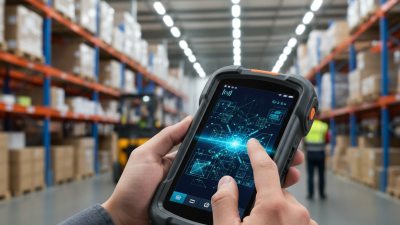
When choosing OEM Bluetooth RFID Scanner USB products, it's essential to understand their core components and functionalities. These scanners use radio frequency technology to communicate wirelessly, making them efficient for data collection. According to a recent industry report from MarketsandMarkets, the RFID market is expected to reach $29.8 billion by 2026, with a significant focus on Bluetooth-enabled devices. This growth highlights the importance of choosing the right OEM product.

The reliability of Bluetooth RFID scanners is crucial for businesses. They need to provide consistent performance in various environments. Many users find that cheap Bluetooth RFID scanners USB options often compromise on build quality. It’s essential to look for durability and range specifications. For instance, a robust scanner should have a range of at least 10 meters. Poor range can lead to scanning errors, which are frustrating and costly.

In addition, consider the data processing capabilities. Some OEM products may not handle large volumes of data efficiently. This can slow down operations in a fast-paced environment. Therefore, while seeking affordable options, weigh performance against price. Balancing cost with quality can be tricky but crucial for success in operations using RFID technology.

Key Features to Look for in Bluetooth RFID Scanners

When selecting Bluetooth RFID scanners, several key features should be prioritized. The device's range is critical; ensure it can scan from a reasonable distance. Look for scanners with a robust battery life. Long-lasting power means fewer interruptions during work hours. A user-friendly interface is also essential. Devices should have clear displays and easy navigation to aid efficiency.

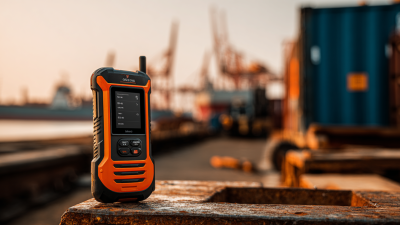
Consider the durability of the scanner. A rugged design can withstand drops and harsh environments. This is particularly important if the scanner will be used in a busy setting. Also, check for compatibility with various operating systems. Flexibility in connectivity can save time during integration into existing systems.

Performance speed is another critical factor. A scanner that lags can cause frustration. Test its efficiency in reading multiple tags. If possible, conduct trials to assess real-world applications. Always read reviews from users to gauge reliability. This feedback can provide valuable insights. Balancing these features will lead to a more effective scanning solution that meets your specific needs.

Assessing Compatibility with Existing Systems

When selecting an OEM Bluetooth RFID scanner USB product, assessing compatibility is crucial. Your existing systems dictate the specifications you need. Check if your scanners will seamlessly connect to your devices and software. Look at the communication protocols they support. If they do not align with your current setup, you may face operational issues. This mismatch can lead to wasted resources and delays in your processes.

Consider the different environments where the scanners will be used. They should be durable and reliable to handle diverse conditions. Factors like battery life and wireless range are important here. You wouldn't want a scanner that fails during a crucial operation. Test the products in your intended scenarios. Assess how they interact with your software applications and databases.

Researching various models allows you to determine what works best. Not all models will perform equally in every setting. Some might need adjustments or additional features. Always seek feedback from users who have similar needs. Their experiences can highlight potential challenges. Make informed decisions based on these reflections. Don't rush into choosing without adequate testing and assessment. Remember, every detail counts when selecting wholesale Bluetooth RFID scanners USB.

Compatibility Assessment of Bluetooth RFID Scanners with Existing Systems

Evaluating Product Quality and Brand Reputation

When evaluating product quality, start by examining the materials and construction. High-quality Bluetooth RFID scanner USB products often use durable components. Look for features that enhance usability, such as ergonomic designs and intuitive interfaces. Check the accuracy and scanning speed. These factors are crucial for efficiency in various applications.

Brand reputation plays a vital role in your choice. Research manufacturers who have established credibility in the market. A reputable Bluetooth Rfid Scanner Usb Exporter will have positive reviews and testimonials. Forums and social media can provide insights into customer experiences. Brands with transparent business practices often reflect reliability in their products.

However, not all brands are trustworthy. Some may market themselves well, but their products may fall short. It's crucial to remain critical and do thorough research. Compare different models and keep an eye on feedback regarding durability and performance. This reflective approach will help ensure you choose wisely.

Comparing Cost and Value of Different OEM Options

When evaluating OEM Bluetooth RFID scanners, cost and value are critical aspects to consider. Different manufacturers offer various pricing strategies. Some provide lower prices but may compromise on quality. Higher-priced options often deliver better durability and features. It's essential to analyze the specifications and determine if the extra cost aligns with your business needs.

In addition, think about the long-term implications. A cheaper product might have hidden costs, like maintenance and repairs. These expenses can add up over time, making the initial investment less appealing. Consider reviews from other users to gauge reliability. Seek feedback on performance and support services. The real value often lies in how well the device meets your operational demands.

Quality assurance is another factor to reflect on. Investigate what testing procedures the OEM follows. A product lacking in rigorous quality checks may lead to future problems. Make sure to weigh your options carefully. There's often a fine line between saving money and getting a worthwhile product. The decision-making process can reveal more about your company's priorities and operational integrity.

Finding Reliable Suppliers for OEM Products

Finding reliable suppliers for OEM products like Bluetooth RFID scanners can be challenging. Start by researching potential candidates online. A good supplier should have experience in manufacturing and a solid reputation. Look for reviews and ratings to gauge their reliability.

Visiting a Bluetooth Rfid Scanner Usb Factory can provide valuable insights. Observe the production process. Ensure that they adhere to quality control standards. Ask about their materials and testing procedures. If possible, seek samples to evaluate performance.

Communication is key when selecting a supplier. Be clear about your expectations and requirements. A responsive supplier demonstrates professionalism. However, don’t ignore red flags, such as delays in responses or vague answers. These could indicate future problems. Each step in the selection process should increase your confidence in the supplier’s capabilities.

Reading Reviews and User Feedback on Products

When selecting an OEM Bluetooth RFID scanner, user reviews are invaluable. Feedback from real users provides insights into product performance, reliability, and potential issues. A high rating often indicates solid functionality, but a deep dive into reviews reveals nuances. Look for specific comments about battery life, scanning speed, and ease of integration.

Not all reviews are trustworthy. Some may lack depth or be overly positive. Watch for patterns in negative feedback. If multiple users mention connectivity issues, it’s a red flag. In contrast, constructive criticism can highlight areas for improvement. Pay attention to those details—they can inform better choices.

User feedback can also reflect on support services. If RMA processes are slow, or customer service is lacking, those experiences affect product value. Sometimes, brands respond to negative reviews. Look for updates or improvements made over time. This openness signals a brand that listens and evolves. Engaging with user feedback can guide you toward a scanner that meets your needs and expectations.

Enhancing Logistics Efficiency: Insights from Industry Reports on the Impact of Vision and RFID Tunnel Machines like TD-T7692-RV

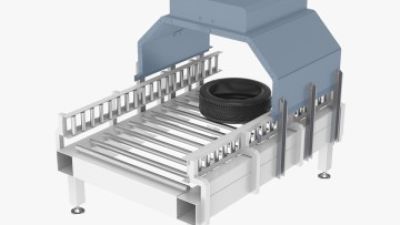
In the modern logistics landscape, enhancing efficiency is paramount, and the integration of advanced technologies such as Vision and RFID Tunnel machines is proving to be a game-changer. These systems are designed to quickly identify various 1D and 2D codes, even in high-speed production environments. This capability significantly optimizes the workflow by eliminating bottlenecks often caused by manual scanning processes. Moreover, their high-speed processing ensures that operations remain uninterrupted, contributing to overall productivity gains.

The sensitivity of these machines in capturing UHF RFID tag data is another critical feature that sets them apart. They provide reliable and comprehensive tracking and identification capabilities across a wide array of items and environments. This ensures that businesses can effectively manage inventory and assets, reducing loss and enhancing accountability. Through OEM and ODM services, businesses can leverage customizable solutions tailored to their specific needs, allowing for innovation in asset tracking and inventory management. By partnering with technology providers, companies can equip themselves with the necessary tools to thrive in an increasingly digital age, ensuring they stay ahead of the competition.

FAQS

: What features are important in Bluetooth RFID scanners?

: Look for range, battery life, user-friendly interface, and durability. These are critical for efficiency.

How can battery life impact scanner performance?

Long-lasting battery means fewer work interruptions. A scanner that runs out of power can delay tasks.

Why is compatibility with existing systems crucial?

Compatibility ensures seamless connections. Mismatched protocols can cause operational issues and wasted resources.

How can I ensure a scanner works in my environment?

Test the scanner in real-world scenarios. This helps assess its performance under diverse conditions.

What should I research before selecting a supplier?

Look for a supplier with experience and a good reputation. Reviews can provide insights into their reliability.

Why is communication important in supplier selection?

Clear expectations and responsiveness indicate professionalism. Red flags may lead to future problems in the partnership.

How can user feedback help in choosing a scanner?

User experiences highlight potential challenges. Their insights inform better decision-making.

What happens if I rush the selection process?

Rushing can lead to poor choices. Every detail counts in selecting effective tools for your needs.

Conclusion

When choosing OEM Bluetooth RFID Scanner USB products, it is essential to understand their functionalities and key features that can enhance efficiency. Look for scanners that support a wide range of RFID tags and ensure they offer reliable compatibility with your existing systems. Evaluating product quality and the reputation of the manufacturers is crucial, as this impacts performance and longevity.

Furthermore, comparing costs and values among different OEM options will help ensure you get the best deal for your investment. It is important to identify reliable suppliers for these products, as well as to read user reviews and feedback to gauge product satisfaction and performance. Taking these factors into account will lead to informed decisions when selecting the ideal Bluetooth RFID Scanner USB for your needs.

Sophia

Sophia

Sophia is a dedicated marketing professional at Shenzhen Jinruiming Technology Co., Ltd., where her expertise contributes significantly to the company’s vision and success. With a deep understanding of the company’s innovative product line, she effectively communicates their features and advantages......
Previous Top Tips for Choosing the Best Rfid Reader and Writer?