Global 3PL Streamlines High-End Fashion Inventory with MingQ RFID Tunnel Solution
Leading E‑Commerce Platform Accelerates Flash-Sale Fulfillment and Boosts Warehouse Productivity with MingQ RFID Sorting Wall Solution
Global Automaker Elevates Component Kitting Accuracy with MingQ RFID Shelf‑Level Management Solution
Asia’s Largest Logistics Provider Enhances Warehouse Intelligence with RFID Pallet & Container Management Solution
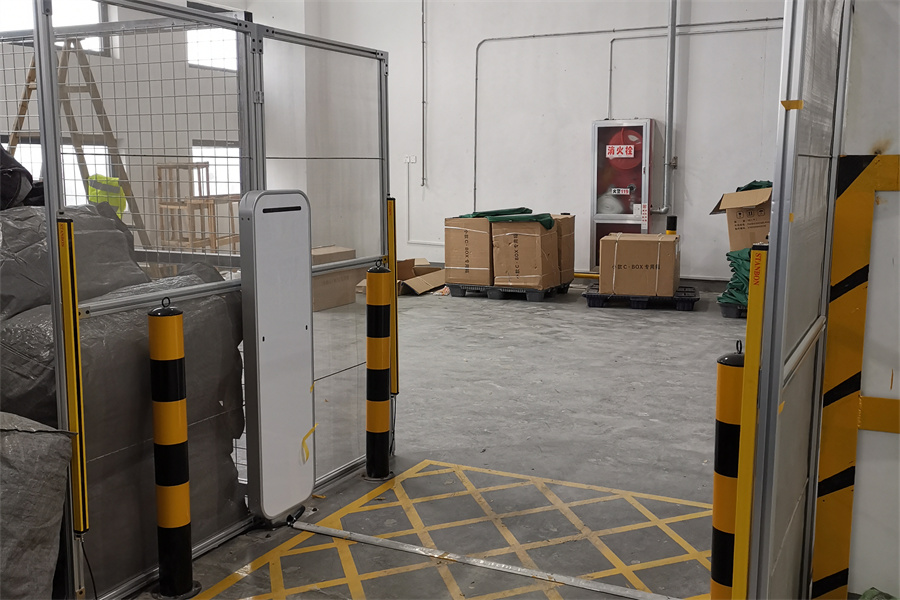
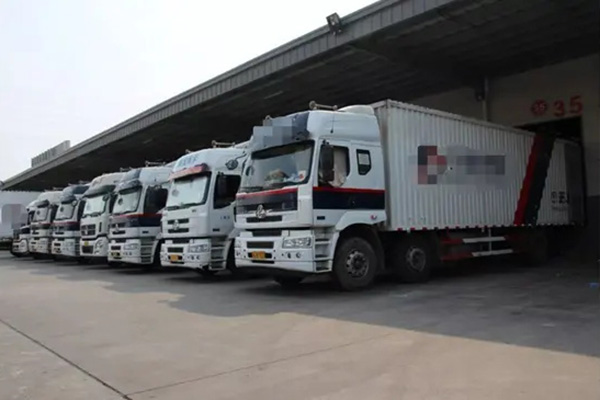
RFID Application in Platform Vehicle Management
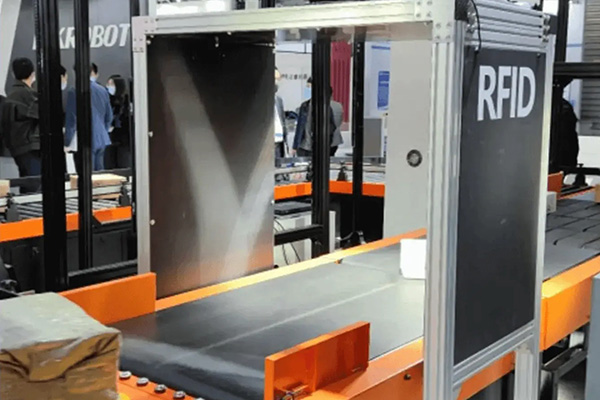
RFID Application in Logistics Sorting
RFID Application in Supply Chain Management
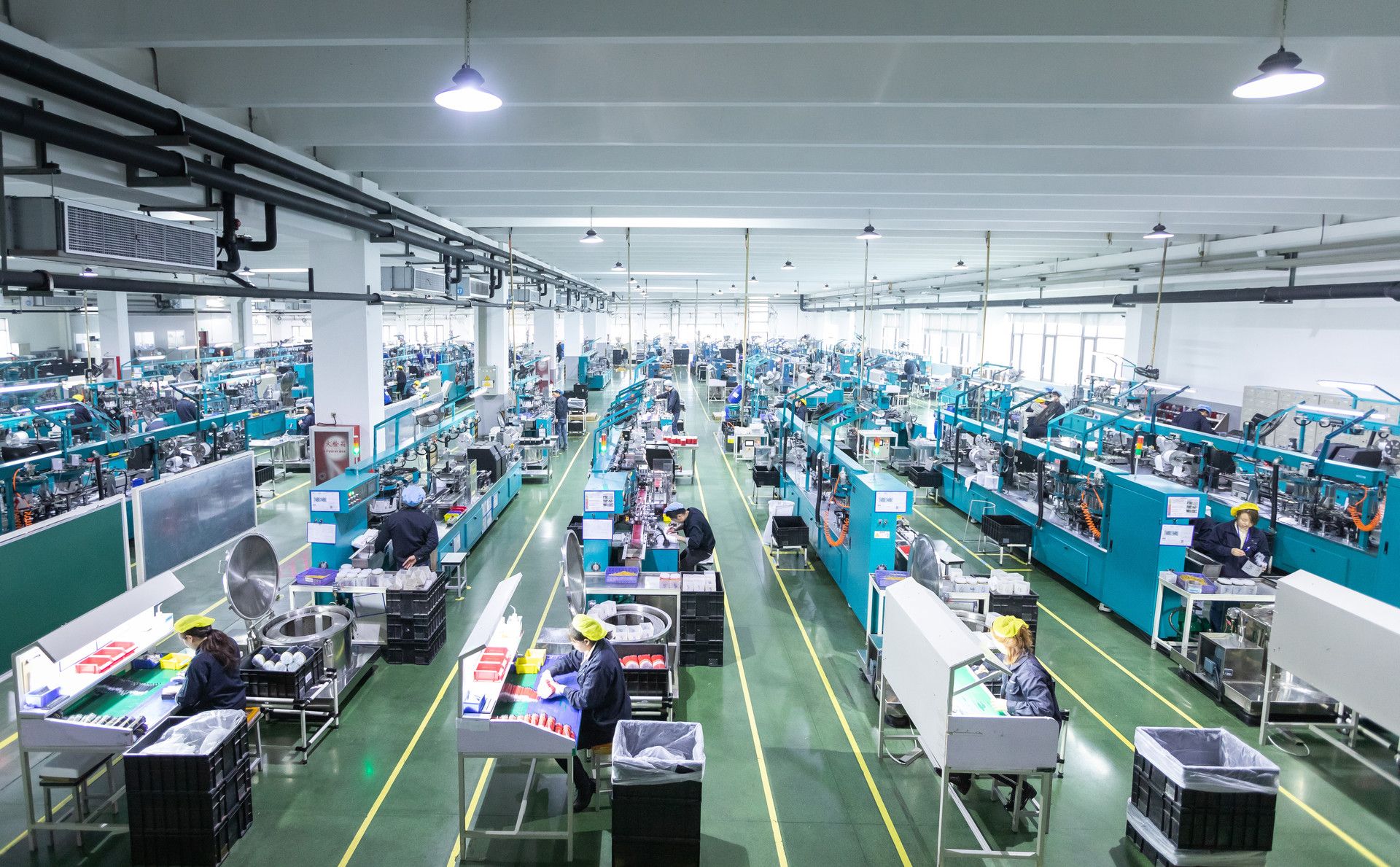
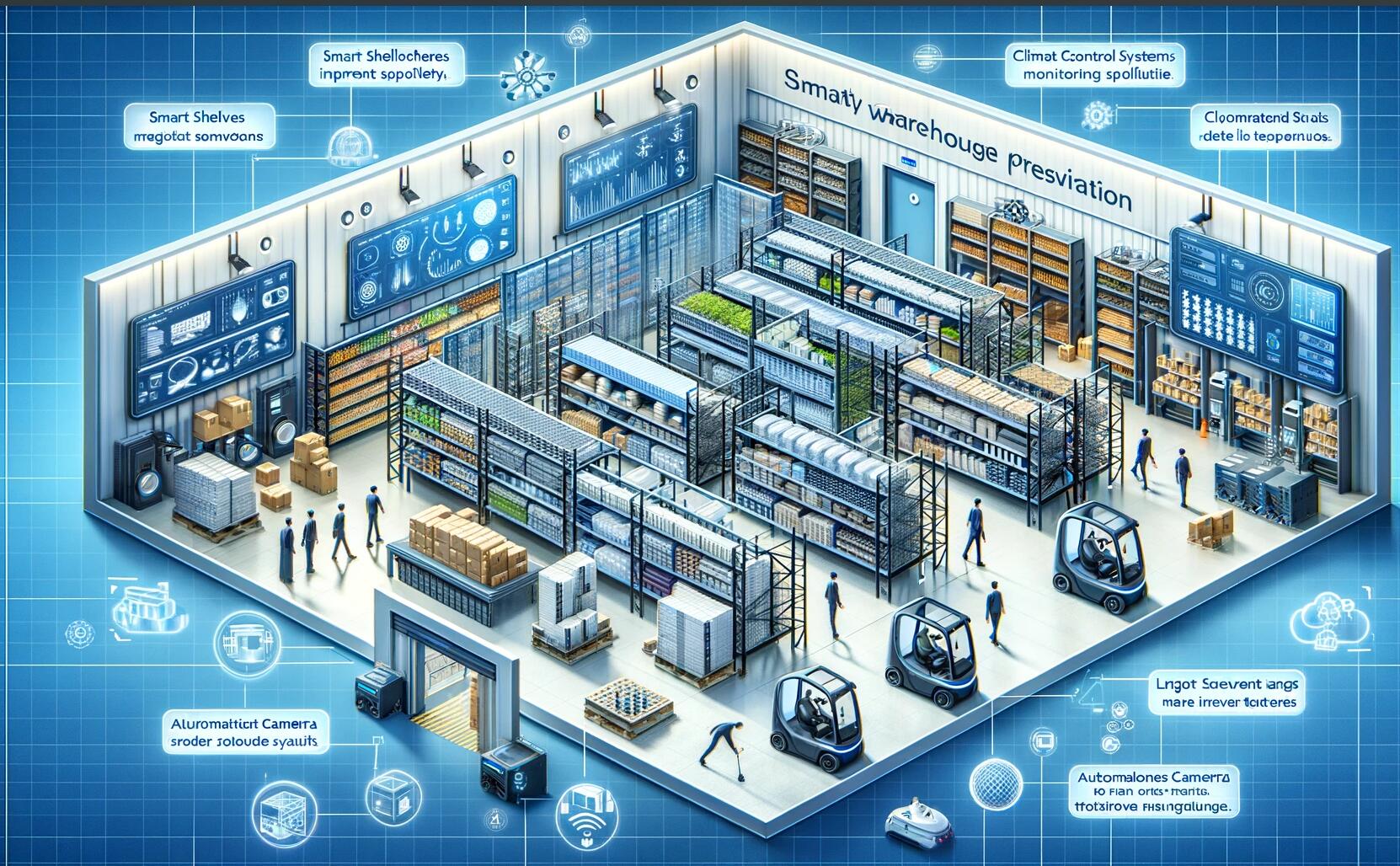
RFID Application for Workshop/Warehouse Tracking
TP‑Link Enhances Warehouse Inbound/Outbound Efficiency with MingQ RFID Dock‑Door Solution
RFID technology empowers port containers: a new direction for future logistics
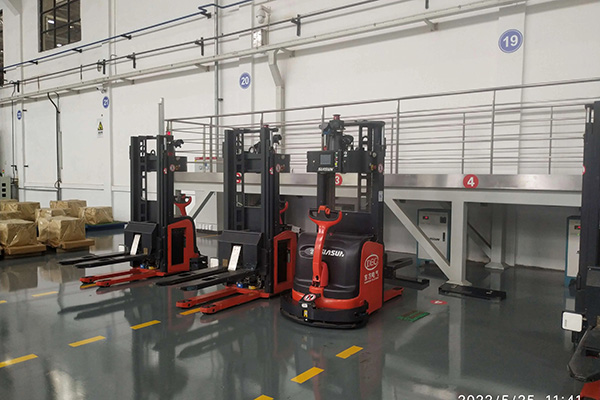
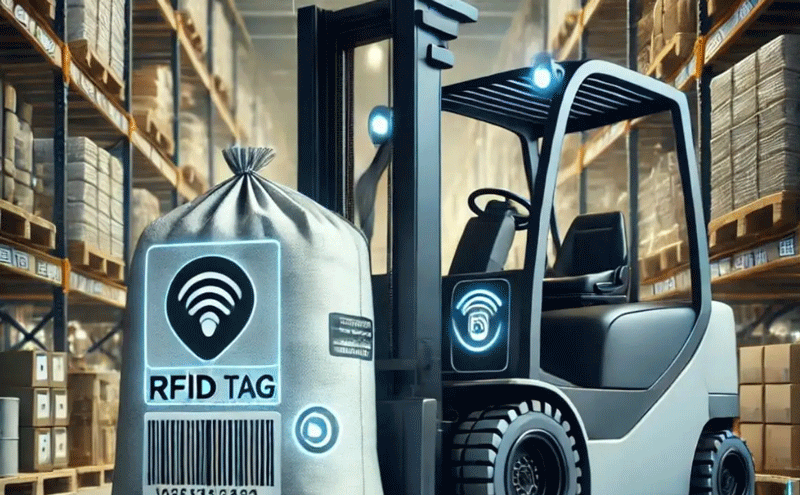
RFID technology in forklift tracking and container bag identification
Real-Time Data, Secure Transportation: The Future Trends of Cold Chain Logistics
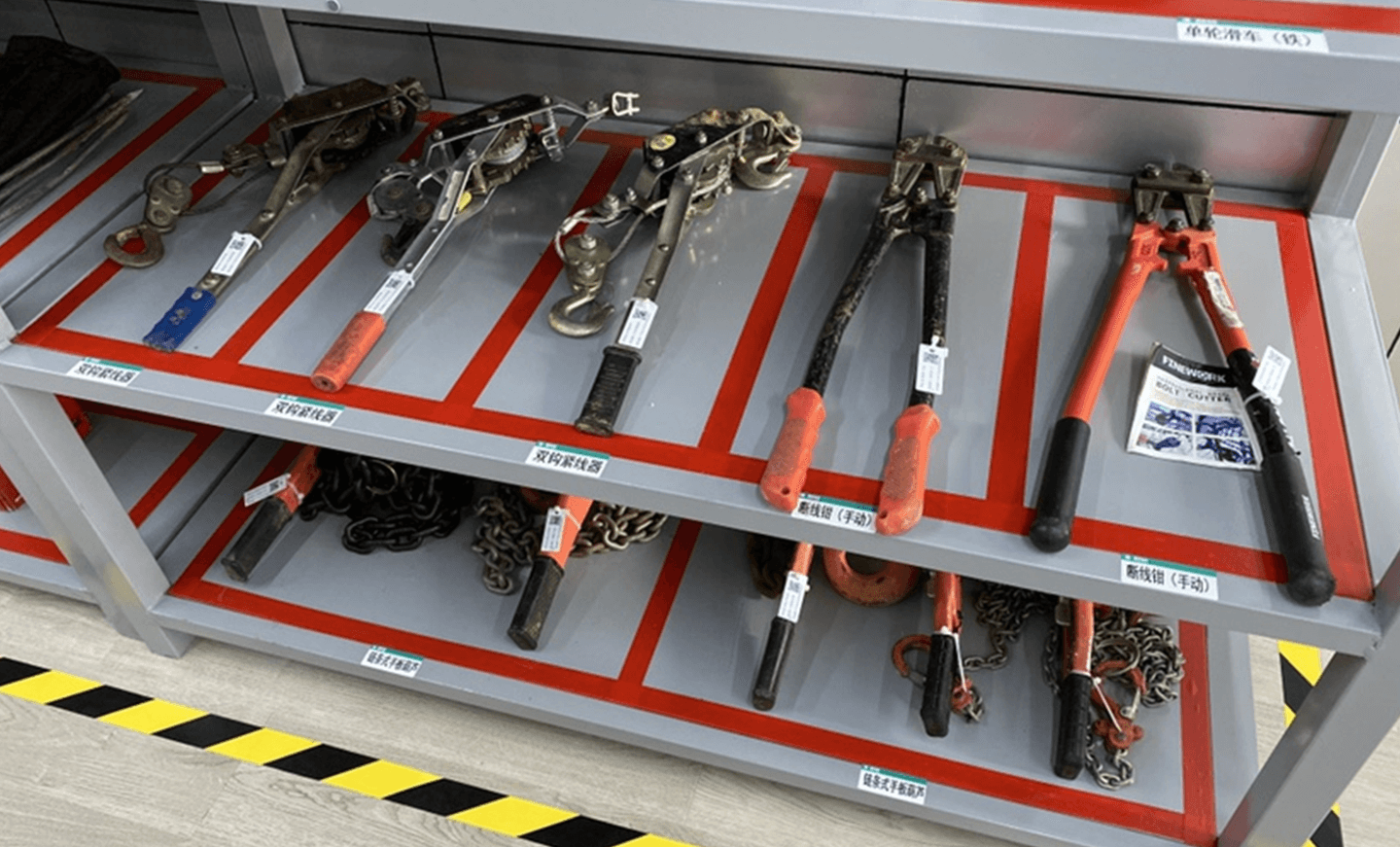
RFID Tool Management
RFID Application in Battery Factory Production
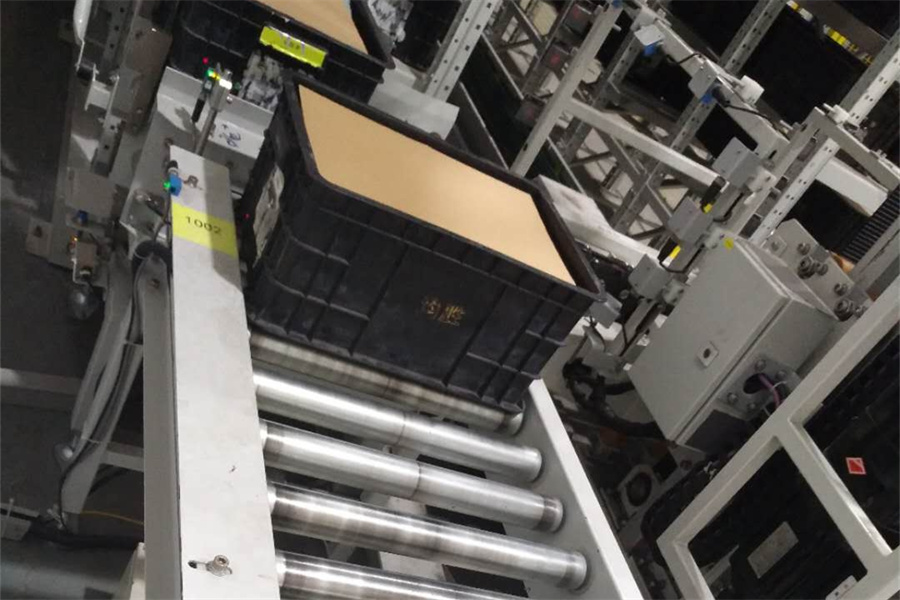
RFID Application in Production Line Rubber Box Management
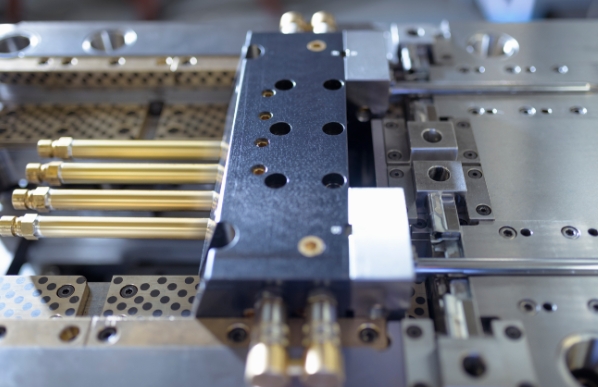
RFID Application in Mold Management on Production Lines
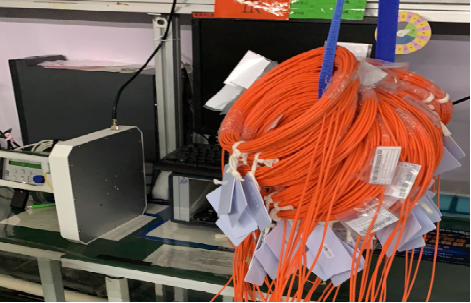
RFID Application in Fiber Optic Cable Manufacturing
Smart Manufacturing
The medical industry uses RFID technology to make drug tracking more accurate
RFID technology helps beverage production and build an efficient supply chain
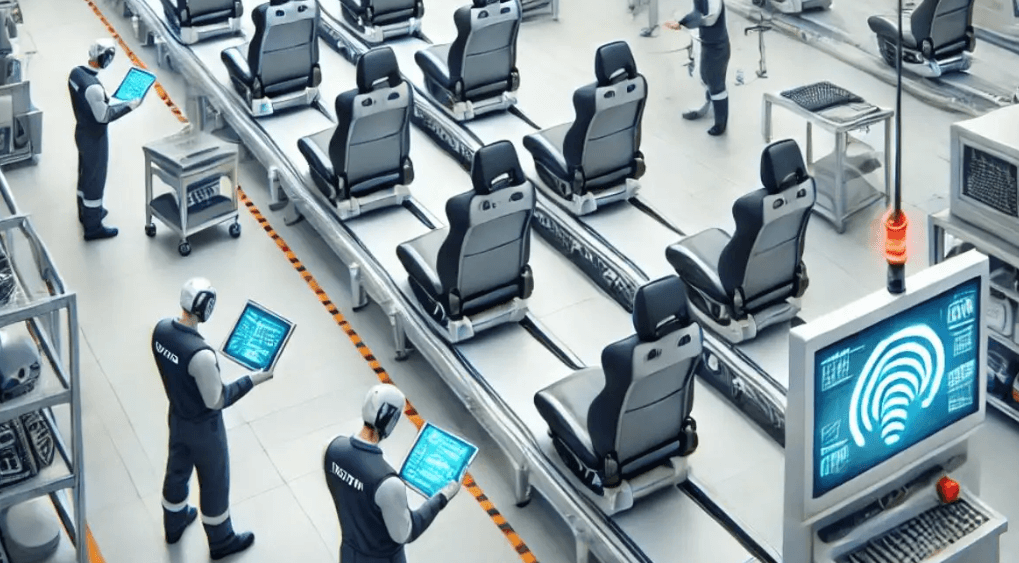
RFID technology helps car seat production lines: intelligent management improves efficiency and quality
RFID technology in the production of electronic appliances monitoring and tracing application
Use RFID technology to improve appliance management efficiency and security
RFID technology helps precise installation of headrests
Clean‑Energy Equipment Manufacturer Enhances Material Traceability with MingQ RFID Pallet Management Solution
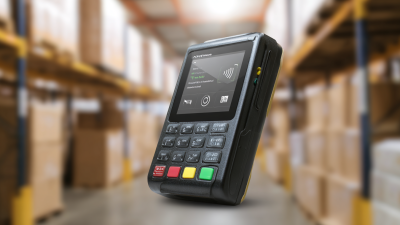
Picking out the right Ultra High Frequency RFID Reader isn't just a trivial decision—it can actually make a big difference in how smoothly your business runs. With so many models and features out there, it’s easy to feel a bit overwhelmed. Brands like Zebra Technologies and Impinj are pretty well-known for their reliability, but honestly, their products can vary quite a bit when it comes to performance and what they can do.
When you're looking at a High-Quality Ultra High Frequency RFID Reader, make sure to keep your specific needs in mind. Things like how far the reader can scan, how quick it is, and the environment you’re using it in all matter a ton. You want to match the reader’s capabilities with what you actually need it for—sort of like buying the right tool for the job.
And honestly, knowing the tech is great, but sometimes people miss the little details that make a difference. For example, compatibility issues often get overlooked—if your new reader doesn’t play nicely with your existing systems, that can turn into a real headache. Doing some hands-on testing or real-world checks can really help you spot potential problems before they become costly. Also, diving into user reviews and expert opinions can be a real game-changer, giving you a fuller picture. Trust me, spending a bit of time upfront will probably save you from surprises down the line—and maybe even some cash too.
Ultra High Frequency (UHF) RFID technology operates within the 300 MHz to 3 GHz range. It allows for communication over longer distances compared to other RFID types. Many industries use UHF RFID for tracking items, managing inventories, and automating processes. Its ability to read multiple tags simultaneously enhances efficiency significantly. This technology finds applications in retail, logistics, and healthcare.
When selecting a High-Quality Ultra High Frequency Rfid reader, it’s essential to consider the environment in which it will be used. Factors like range, read speed, and interference from other electronic devices can impact performance. Not all scenarios require the same specifications. A reader suited for a warehouse may not suffice in an outdoor setting. Understanding the specific needs of your application greatly influences your choice.
Some users report issues with tag readability in complex environments. Reflective surfaces or densely packed items can obstruct signals. Regular testing in real-world conditions is vital. This helps identify potential problems early on. Ensuring compliance with local regulations is equally important. Overall, the right UHF Rfid Solution should be tailored to enhance operation while meeting industry standards.
When selecting the best Ultra High Frequency (UHF) RFID reader, several key factors should be considered. The frequency range of the reader plays a crucial role. Most UHF RFID systems operate between 860 and 960 MHz. A broad frequency band allows for better compatibility with various tags and enhanced performance in diverse environments. For instance, a study by RFID Journal indicates that systems optimized for specific applications see a 30% increase in read rates compared to those with narrower bands.
Another significant factor is the read range. UHf Rfid Readers typically offer ranges from a few centimeters to over 12 meters. This variability affects how they can be utilized in different settings. Environments with high interference may require more robust readers equipped with advanced filtering technology. According to a 2022 report from GS1, companies saw a 25% improvement in inventory accuracy when employing readers with optimal read range and interference handling.
Power output is another critical area of consideration. Readers with higher power outputs can read tags more effectively over longer distances. However, regulatory limits may restrict this power in certain regions. A balance between power and efficiency can significantly impact performance. In practice, a mismatch between reader power and application needs can lead to suboptimal results, highlighting the necessity for careful evaluation.
Evaluating read range is crucial for selecting an ultra high frequency (UHF) RFID reader. Read range affects how well the reader can communicate with tags. A longer read range can be beneficial in various applications, such as inventory tracking, asset management, and supply chain monitoring. However, environmental factors often impact performance. Dense materials or metal can create interference, reducing the effective read range. Understanding these variables helps in choosing the right reader.
When assessing UHF RFID readers, consider the intended application. For instance, if tags are frequently scanned in bulk, a reader with a longer range is preferable. However, if the environment is cluttered, a reader with adjustable sensitivity might offer better results. Testing different readers in real-world conditions can provide valuable insights.
Tips: Always consider your specific use case. Measure the environment for potential interferences. A thorough evaluation can save time and enhance operational efficiency. Additionally, think about future needs. Will your situation change? Future-proofing your investment is often overlooked but essential. Make decisions based on careful thought and testing, as this will lead to better performance in the long run.
Selecting the right antenna for an Ultra High Frequency Rfid Reader is crucial. Antenna types significantly impact the reader's performance. Different antenna designs offer varying read ranges and coverage patterns. For instance, a directional antenna focuses energy in a specific direction, enhancing the range and accuracy within that zone. In contrast, an omnidirectional antenna provides a more uniform read field, ideal for broader applications.
Consider your specific needs. For warehouses, directional antennas may suit high-density item locations. However, retail scenarios might benefit from omnidirectional antennas, allowing for quick item scans in various directions. Reflect on your environment too. Physical barriers, like metal or concrete, can disrupt signals.
**Tip:** Always test antennas in real-world conditions before finalizing a choice. This mitigates the risk of poor performance due to unexpected factors. Verify how each antenna interacts with your RFID tags, as different tags may respond variably based on the antenna used. Moreover, don't overlook compatibility with the Ultra High Frequency RFID Reader's capabilities.
**Tip:** Document your findings during testing. Keeping a record allows for better decision-making. Adjustments may be necessary if initial performance does not meet expectations. Be open to revisiting your choices as technology and conditions evolve.
When comparing fixed and mobile ultra high frequency (UHF) RFID readers, several aspects demand attention. Fixed readers are typically installed at strategic points, such as doorways or warehouses. They provide a stable scanning environment, crucial for operations with high inventory turnover. Studies indicate that fixed UHF RFID readers can read many tags simultaneously, offering significant efficiency gains in logistics. A report by the RFID Journal noted that fixed systems can increase read accuracy by up to 95%.
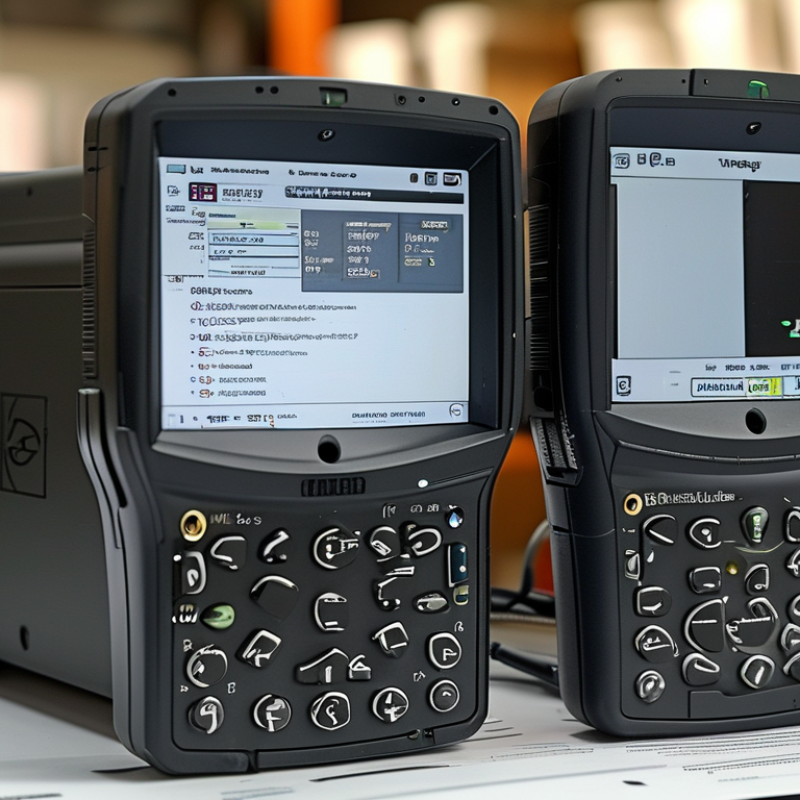
On the other hand, mobile UHF RFID readers offer versatility. Industries and companies that frequently relocate assets often benefit from handheld devices. They are easy to maneuver and allow users to scan items in various locations. However, some reports suggest that mobile readers may not capture tag data as effectively as fixed options, particularly in high-density environments.
Selecting the right solution, whether it’s a fixed or mobile China Ultra High Frequency Rfid Reader, ultimately depends on the specific needs of your operation. Addressing the challenge of read performance in diverse environments is crucial. Each system has its strengths and weaknesses, emphasizing the importance of a tailored approach. Balancing cost, performance, and operational requirements can help organizations make a better-informed choice.
When choosing an Ultra High Frequency (UHF) RFID reader, assessing compatibility is crucial. Compatibility with existing systems and tags can significantly impact performance. A reader must seamlessly integrate with your current infrastructure. This includes databases, software, and the RFID tags already in use. Check if the reader supports the same protocols and frequencies as your tags. If there’s a mismatch, it could result in poor performance or operational delays.
Consider the communication range too. Some UHF readers operate effectively over long distances, while others may struggle. Ensure that the range aligns with your application needs. Many organizations overlook this aspect, leading to frustration down the line. Additionally, testing the reader before full deployment can reveal unforeseen issues. Equipment may perform differently than advertised. Conduct real-world tests in the intended environment to confirm compatibility.
Lastly, support for various tag types should be evaluated. Different tags have diverse memory sizes, data formats, and read capabilities. Choosing a reader that can accommodate a broad range of tags allows for flexibility in future upgrades. Compatibility should not be an afterthought; it is a foundational aspect of a successful RFID deployment. Ignoring this can lead to costly mistakes or even project failures.
When analyzing the cost-benefit of UHF RFID readers, businesses must consider both upfront and long-term expenses. A report from IDC indicates that implementing an RFID system can yield a return on investment (ROI) of 30% to 50% within two years. Beyond initial costs, ongoing maintenance and potential software upgrades can add to financial obligations. Weighing these factors is essential for informed decision-making.
Operational efficiency is enhanced significantly with the right UHF RFID solution. A study from Gartner highlights that businesses deploying RFID see inventory accuracy increase by up to 99%. This accuracy reduces losses and improves customer satisfaction. However, misaligned systems or poor implementation can lead to wasted resources, suggesting a need for thorough planning.
Investing in an OEM Ultra High Frequency Rfid Reader should also align with specific business needs. Not all readers provide the same performance level. Understanding your operational requirements is critical. Inadequate research and selection can lead to regret later. Each choice must be deliberate. Balancing cost, deployment success, and practicality will ultimately define effectiveness.
: Most UHF RFID systems operate between 860 and 960 MHz. This range is vital for compatibility.
Read ranges can be from a few centimeters to over 12 meters, affecting usability in different settings.
Companies saw a 25% increase in inventory accuracy with better read range and interference management.
Higher power outputs read tags effectively over longer distances, but regulations may impose limits.
Fixed readers are efficient and can read many tags simultaneously, increasing read accuracy significantly.
Mobile readers may struggle to capture tag data in high-density environments compared to fixed options.
Consider specific operational needs. Each type has strengths, highlighting the need for a tailored solution.
Mismatches can lead to poor performance, stressing the importance of evaluation during selection.
Lack of proper consideration of environment and application requirements can hinder reading performance.
Strategic placements enhance stability and efficiency, crucial for operations with high inventory turnover.
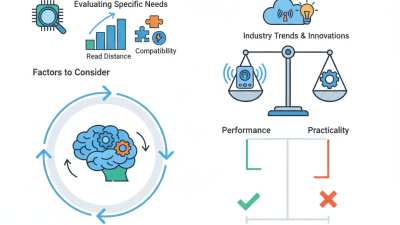
Choosing the best Ultra High Frequency (UHF) RFID reader involves understanding the technology and its various applications. Key factors to consider include the read range, which affects performance and suitability for specific applications, as well as the type of antenna used, which can influence the effectiveness of the reader. A comparative analysis between fixed and mobile UHF RFID readers is essential to determine which fits better within operational needs.
Additionally, assessing compatibility with existing systems and tags is crucial to ensure seamless integration. Conducting a cost-benefit analysis helps businesses evaluate the financial implications of implementing UHF RFID readers in their operations, making informed decisions that align with their strategic goals. By carefully considering these factors, businesses can select the right UHF RFID reader that meets their requirements and enhances their operational efficiency.