Leave Your Message
0%

In today’s super fast-moving business world, picking the right UHF RFID Tag Reader is a big deal if you want things to run smoothly and keep track of your assets without a hitch. As John Smith from Rfid Solutions Inc. puts it, “The success of an RFID system really depends on choosing the right reader that fits your specific needs.” That’s a reminder that understanding what your business actually requires is key when you’re faced with so many options out there.

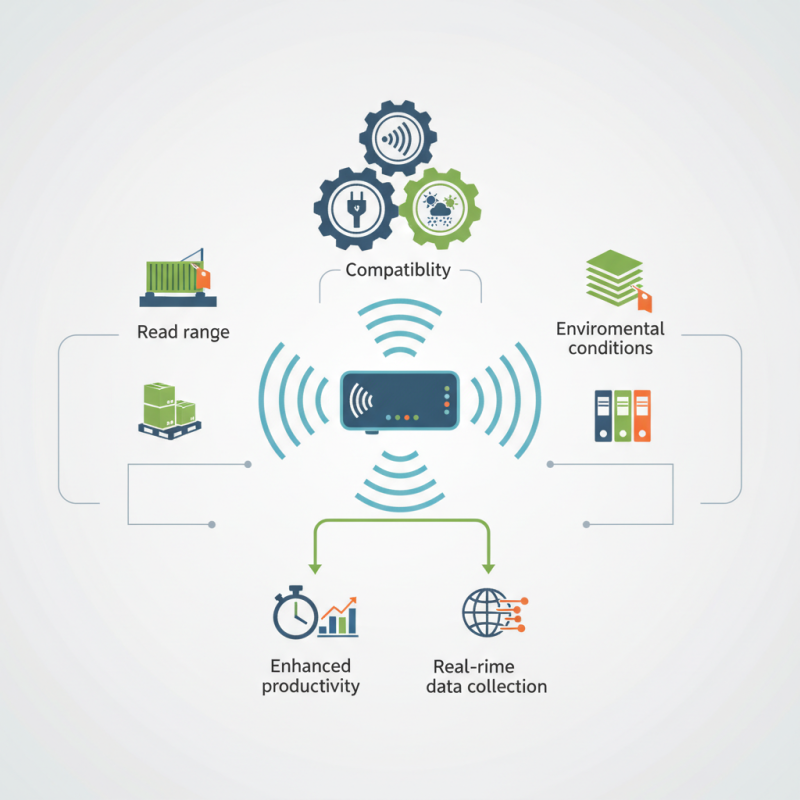
With tech advancing all the time and the market flooded with features, it's important to think about things like read range, compatibility, and the environment where you'll be using it before making a decision. A good match with the right UHF RFID Tag Reader can seriously boost your productivity and give you real-time data, helping your business stay ahead of the game. In this guide, we’ll go over the main points to consider when choosing the best UHF RFID Tag Reader for your organization — making your workflow smoother and improving accuracy in managing your assets.

How to Choose the Best Uhf Rfid Tag Reader for Your Business Needs

Understanding UHF RFID Technology and Its Applications

How to Choose the Best Uhf Rfid Tag Reader for Your Business Needs

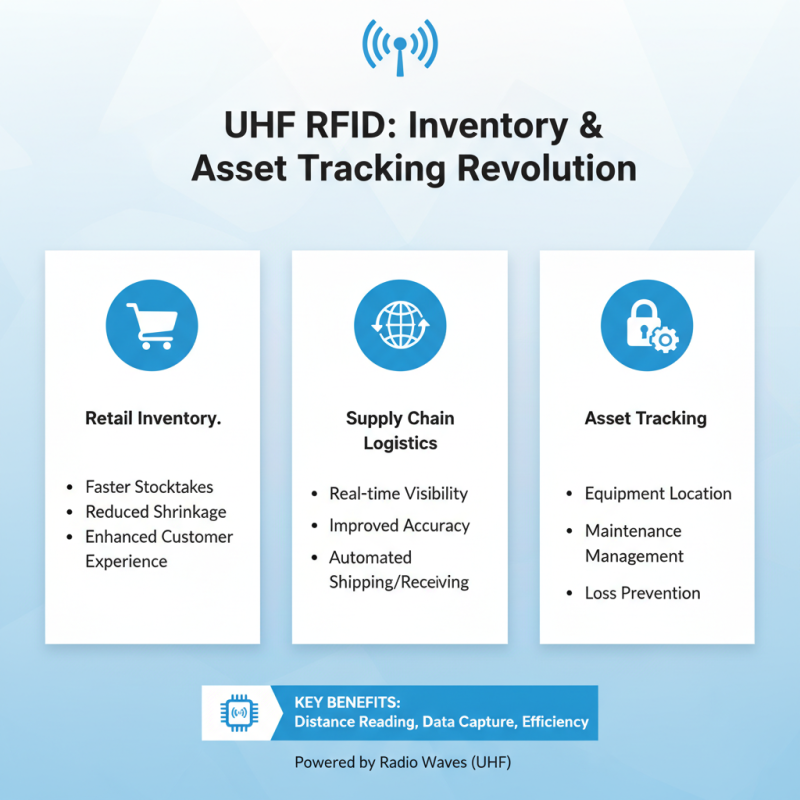
UHF RFID technology has revolutionized the way businesses manage inventory and track assets. By utilizing radio waves, UHF (Ultra High Frequency) RFID readers can identify and communicate with tags attached to goods at a distance, which enhances efficiency in various applications such as retail inventory management, supply chain logistics, and asset tracking. This technology allows for real-time data capture, facilitating better decision-making and operational management.

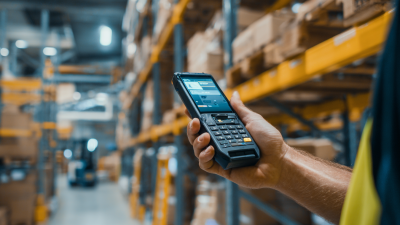
When considering UHF RFID readers, it’s important to evaluate the specific needs of your business. Tips for selecting the right reader include assessing the read range required for your operations: will you need a long-range reader for warehouse management or a handheld model for retail environments? Additionally, consider the environment in which the reader will be used; outdoor settings may necessitate more durable, weather-resistant options.

Another critical factor is compatibility with existing systems. Ensure that the UHF RFID reader you choose can seamlessly integrate with your inventory management software or ERP system. This compatibility will save time and resources during implementation, ensuring a smooth transition to RFID technology. By keeping these considerations in mind, you can select an UHF RFID tag reader that effectively supports your business operations.

Identifying Your Business Requirements for RFID Tag Readers

How to Choose the Best Uhf Rfid Tag Reader for Your Business Needs

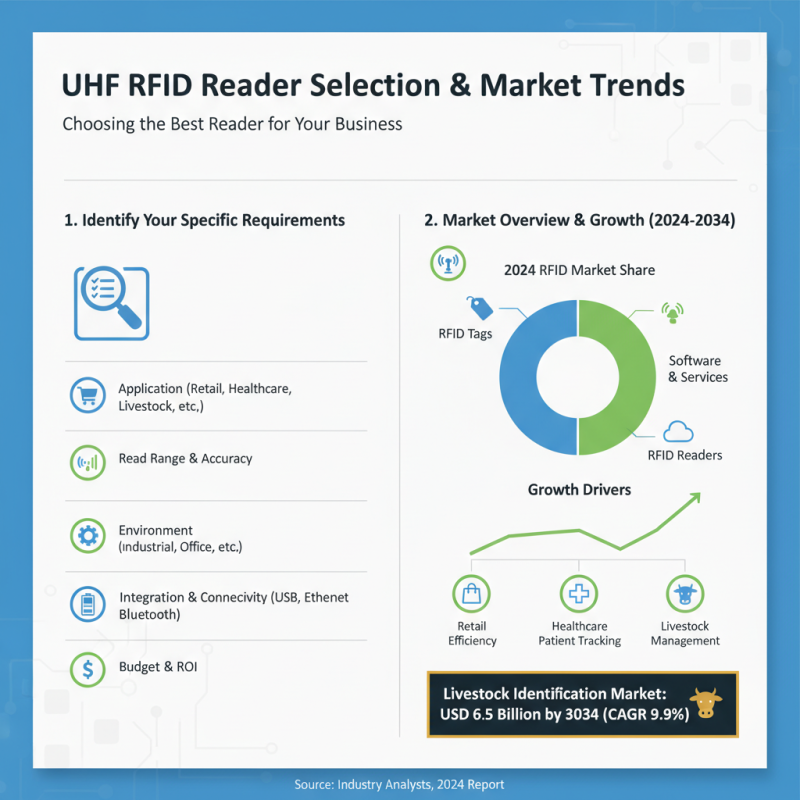
When selecting the best UHF RFID tag reader for your business needs, it is crucial to first identify your specific requirements. The RFID market, which encompasses tags, readers, and software & services, saw RFID tags generate the largest revenue share in 2024. According to industry analysts, the growth in RFID technology is driven by its increasing adoption in sectors such as retail, healthcare, and livestock management. For instance, the livestock identification market is projected to reach USD 6.5 billion by 2034, expanding at a compound annual growth rate (CAGR) of 9.9% throughout the forecast period.

In retail, RFID technology enhances inventory management by enabling real-time tracking of items, helping businesses mitigate stockouts and reduce shrinkage. This advancement is estimated to unlock up to 5% in top-line growth for retailers, as they improve operational efficiencies through better utilization of RFID systems. As the North American RFID market gears up for significant expansion, projected to rise dramatically by 2033, companies must assess their operational needs carefully to select the appropriate RFID tag reader that aligns with their goals and enhances their overall productivity.

Key Features to Consider in UHF RFID Tag Readers

When selecting a UHF RFID tag reader for your business, it's crucial to focus on key features that will enhance operational efficiency and accurately meet your needs. One of the primary considerations is the read range, as many UHF RFID readers offer a range between 1 to 30 meters. According to a report from IDTechEx, UHF RFID technology is projected to grow at a compound annual growth rate (CAGR) of over 12% through 2025, highlighting the increasing importance of efficient read range capabilities in various applications.

Another essential feature is the reader's compatibility with different tag types and communication protocols. A versatile UHF RFID reader should support ISO 18000-63 standards and allow seamless integration with existing systems. Additionally, the performance in terms of read speed and accuracy is crucial; many commercial UHF RFID readers are capable of reading multiple tags simultaneously, achieving speeds of over 1000 tags per second. The Global RFID Expert Report notes that implementing advanced RFID solutions can reduce inventory management costs by up to 30%, emphasizing how the right device can significantly enhance operational workflows.

Comparing Different UHF RFID Tag Reader Models

When comparing different UHF RFID tag reader models, it is essential to consider the specific features that align with your business needs. Various models offer diverse functionalities, such as reading distance, speed, and connectivity options. For instance, some readers are optimized for short-range applications, while others can capture data from over 30 feet away, making them suitable for inventory management in large warehouses. Understanding the operational environment of your business can help narrow down choices to models that provide the best performance under your conditions.

Additionally, evaluating the integration capabilities of RFID readers with existing systems is crucial. Some readers come equipped with advanced software that facilitates seamless data transfer and analysis, which can enhance operational efficiency. Other models may offer mobile functionality, which is advantageous for businesses requiring portability, such as retail environments or outdoor settings. By comparing these aspects and considering the unique requirements of your business, you can select the UHF RFID tag reader that not only meets your current needs but also supports potential future growth.

Evaluating the Performance and Range of RFID Readers

When selecting a UHF RFID tag reader, evaluating its performance and range is crucial to meet your business needs effectively. The performance of an RFID reader can be assessed by its read rate, which refers to the number of tags it can read within a specific timeframe. High-performance readers can simultaneously capture multiple tags, which is essential for environments with numerous items, such as warehouses or retail settings. Additionally, factors such as tag orientation and the presence of interference from other electronic devices can impact the performance, making it vital to choose a reader that can handle potential challenges in your specific environment.

Range is another significant factor to consider. The effective communication distance between the reader and tags determines how well the system will function in your operations. Depending on your application, a reader with a longer range may reduce the need for additional readers, simplifying the infrastructure and potentially lowering costs. It’s also important to consider the environment in which the RFID system will be deployed, as physical obstructions and environmental conditions can affect range. Selecting a reader that demonstrates robust performance and adequate range ensures your RFID solution enhances operational efficiency and accuracy in your business processes.

Assessing Integration with Existing Systems and Infrastructure

When selecting a UHF RFID tag reader for your business, a critical aspect to consider is its ability to seamlessly integrate with your existing systems and infrastructure. According to a recent report by Grand View Research, the RFID market is expected to reach $40.2 billion by 2026, highlighting the increasing demand for efficient inventory management and tracking systems. To ensure that your new reader complements current operations, assess whether it can interface with your software solutions, such as inventory management or ERP systems, and the ease of implementing hardware components into your present setup.

**Tip:** Before making a purchase, engage your IT department to review system compatibility. This proactive approach will minimize operational disruptions and enhance overall efficiency in daily tasks.

Another crucial consideration is communication protocols. Many businesses overlook the importance of ensuring that the RFID reader uses compatible interfaces, such as Wi-Fi, Bluetooth, or Ethernet, that your current infrastructure supports. A study by IHL Group noted that retailers that effectively integrate RFID solutions can experience a 10% reduction in inventory costs. Thus, a reader that aligns with your network capabilities will streamline operations and improve data collection accuracy.

**Tip:** Evaluate your current system’s specifications and choose readers that offer flexible communication options to future-proof your investment.

How to Choose the Best Uhf Rfid Tag Reader for Your Business Needs - Assessing Integration with Existing Systems and Infrastructure

Feature Importance Level Compatibility Estimated Cost (USD)
Read Range High RFID Middleware 200 - 500
Speed of Reading Medium Database Systems 150 - 350
Durability High Existing Hardware 250 - 600
Integration Capabilities Critical Software APIs 300 - 700
User Interface Medium Accounting Software 100 - 300

Budgeting for UHF RFID Tag Readers and Long-Term Costs

When considering the purchase of UHF RFID tag readers, budgeting is a crucial factor that directly impacts long-term operational costs. A comprehensive report by the RFID Research Network indicates that businesses can expect to see initial setup costs ranging between $2,000 to $10,000 depending on the specifications and features of the RFID system chosen. This includes not only the readers themselves but also the accompanying software and infrastructure needed to support seamless RFID operations.

However, beyond the initial investment, organizations must also factor in ongoing expenses such as maintenance, software updates, and potential scalability needs. The same study reveals that businesses can save up to 25% in inventory management costs when effectively utilizing RFID technology, suggesting that the upfront investment can be recouped through enhanced efficiency and accuracy over time. Additionally, the total cost of ownership (TCO) for RFID systems illustrates the importance of weighing not just initial costs, but also longevity and performance metrics associated with different reader models. Thus, understanding both initial and long-term financial implications is fundamental in choosing the best UHF RFID tag reader for your business needs.

Budgeting for UHF RFID Tag Readers

This chart illustrates the estimated costs associated with different budget categories for UHF RFID tag readers. Understanding these costs can help businesses make informed decisions when selecting RFID solutions that align with their financial resources.

Enhancing Efficiency in Progress Tracking: The Role of ESD Protection in HF RFID Technology - Industry Insights and Product Recommendations

In today's fast-paced industries, efficiently tracking progress is crucial for maintaining productivity and ensuring that operations run smoothly. The integration of ESD (Electrostatic Discharge) protection within HF (High Frequency) RFID technology plays a significant role in enhancing efficiency. As electrostatic environments can be detrimental to electronic devices, using RFID readers with robust ESD protection is essential for achieving reliable performance.

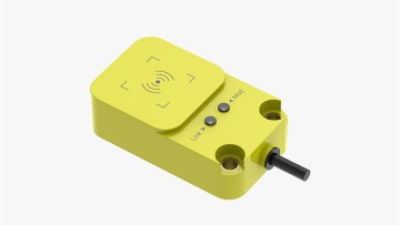
The GRH-I68 high-frequency integrated reader exemplifies the importance of ESD protection in RFID technology. This innovative reader not only boasts excellent ESD protection capabilities but is also designed to be user-friendly. Such features ensure its reliable operation, even in settings with high levels of electrostatic activity. By mitigating the risks of damage from static electricity, the GRH-I68 not only contributes to the durability and longevity of the device but also enhances overall workflow efficiency.

Whether your needs are for customized solutions or general-purpose products, choosing devices like the GRH-I68 is a step towards fostering a more efficient working environment. Our commitment to delivering high-quality, cost-effective products ensures that you receive a reliable solution tailored to your operational needs. Reach out with your inquiries, and we will promptly provide detailed product quotations to assist in your decision-making process.

FAQS

: What is UHF RFID technology and how is it used in businesses?

: UHF RFID technology uses radio waves to identify and communicate with tags attached to goods from a distance, revolutionizing inventory management, supply chain logistics, and asset tracking. This allows for real-time data capture and enhances operational efficiency.

What should I consider when choosing a UHF RFID reader for my business?

When selecting a UHF RFID reader, consider the read range needed for your operations, the environment (such as durability for outdoor use), and whether the reader will integrate with your existing inventory management or ERP systems.

How can I ensure my UHF RFID reader integrates well with my existing systems?

To ensure seamless integration, assess if the reader can interface with your software solutions and hardware components, and engage your IT department to review system compatibility before making a purchase.

What are the advantages of selecting a UHF RFID reader that supports multiple communication protocols?

Choosing a reader with compatible communication protocols, like Wi-Fi, Bluetooth, or Ethernet, will streamline operations and improve data collection accuracy, making it easier to integrate with your current infrastructure.

What is the expected market trend for RFID technology?

The RFID market is projected to reach $40.2 billion by 2026, indicating a growing demand for efficient inventory management and tracking systems among businesses.

How can RFID integration affect inventory costs for retailers?

According to a study, retailers that successfully integrate RFID solutions can experience a 10% reduction in inventory costs, showcasing the financial benefits of investing in this technology.

Why is it important to assess the environment when choosing a UHF RFID reader?

The environment affects reader performance; for instance, outdoor settings may require more durable, weather-resistant models to ensure reliability and longevity.

What steps can I take to future-proof my investment in UHF RFID technology?

Evaluate your current system’s specifications and opt for readers that offer flexible communication options, ensuring they can adapt to future technological changes and needs.

What are the operational benefits of using UHF RFID technology?

UHF RFID technology facilitates real-time data capture, leading to improved decision-making, operational management, and overall efficiency in inventory and asset tracking.

How can I minimize disruptions when implementing a new UHF RFID system?

Involve your IT department in the selection and implementation process to ensure system compatibility and to develop a smooth transition plan for integrating the new reader into your operations.

Conclusion

Choosing the best UHF RFID Tag Reader for your business requires a comprehensive understanding of UHF RFID technology and its diverse applications. The first step involves identifying your specific business requirements, which can vary widely based on industry needs. Key features such as read range, speed, and compatibility with existing systems should be carefully considered, as they directly impact performance and usability.

In comparing different UHF RFID Tag Reader models, it’s essential to evaluate not only their technical specifications but also their integration capabilities with current infrastructure. Additionally, budgeting for both the initial investment and long-term operational costs is crucial to ensure sustainable implementation. At MingQ Technology Limited, we specialize in providing tailored IoT solutions, including advanced UHF RFID Tag Readers, to meet your unique business needs effectively.

Sophia

Sophia

Sophia is a dedicated marketing professional at Shenzhen Jinruiming Technology Co., Ltd., where her expertise contributes significantly to the company’s vision and success. With a deep understanding of the company’s innovative product line, she effectively communicates their features and advantages......
Previous Exploring the Key Specifications of Advanced Rfid Writer Technology