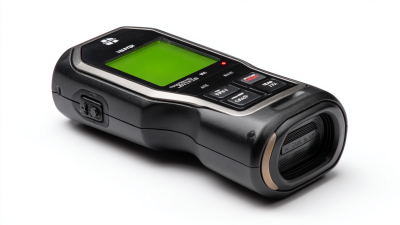
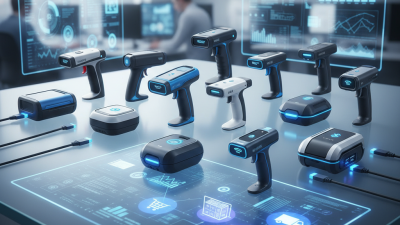
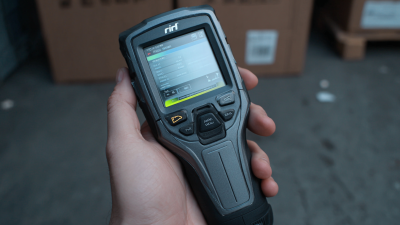
When you're trying to pick out the perfect RFID Handheld Scannerfor your business, it’s super important to really understand what you need. These scanners come with all kinds of features, so finding the right one can make a big difference in things like managing inventory, tracking assets, and just running your operations smoother.
Think about things like how far the scanner can read (the range), how tough it is (durability), and how long the battery lasts. Sometimes, a model might be great in one area but not so much in another. For instance, Zebra’s known for making really rugged scanners, perfect if your environment is rough-and-tumble, while Datalogic is pretty awesome for speed. Take a moment to consider what suits your specific setting and what you’ll actually be using it for.
Also, don’t forget about software compatibility. Make sure the scanner can play nicely with your current systems—otherwise, you might end up with a device that underperforms or causes headaches down the line. Do your homework, and if possible, test a few options before making a decision. The right pick will save you loads of time and effort later on, trust me.
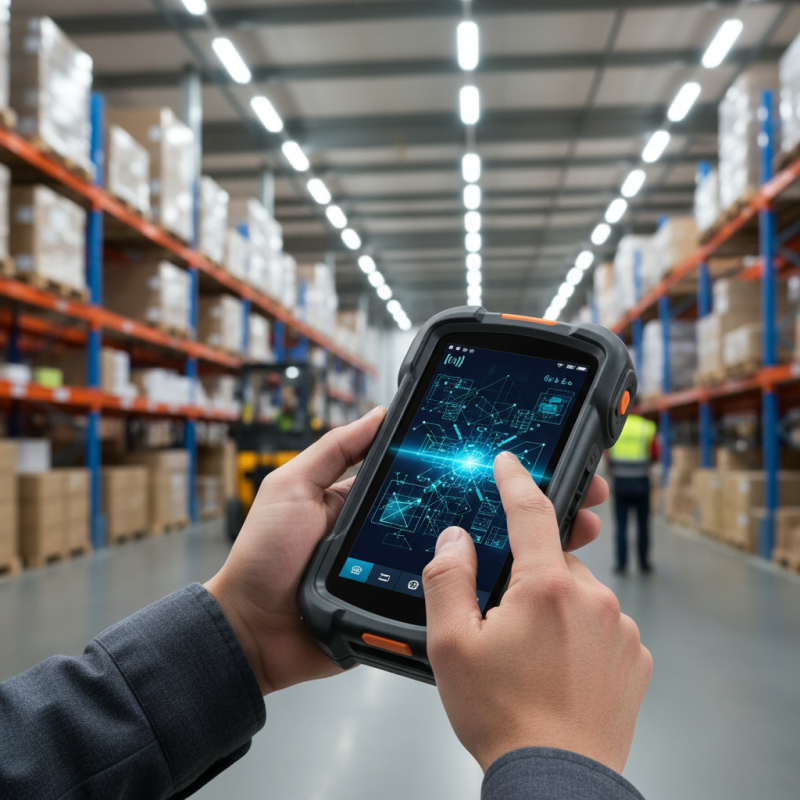
Understanding RFID Technology and Its Applications
Radio Frequency Identification (RFID) technology utilizes electromagnetic fields to automatically identify and track tags attached to objects. This innovation has transformed supply chains, inventory management, and Asset Tracking across various industries. According to a recent study by RFID Journal, the market for RFID technology is projected to grow to over $30 billion by 2025, indicating a robust demand for efficient and reliable tracking solutions.
Businesses increasingly adopt RFID for its accuracy and speed. Data indicates that RFID systems can reduce inventory errors by up to 25%. A study by the University of Arkansas reported that Retailers Using Rfid technology increased their inventory accuracy to 95% compared to 63% with traditional barcoding methods. It's evident that RFID significantly enhances operational efficiency. However, challenges remain. Issues such as interference from metals and liquids can hinder performance. Proper setup and calibration are essential to mitigate these obstacles.
Understanding the various applications of RFID is critical. RFID is used in retail, healthcare, and logistics. In retail, it can streamline checkout processes. In healthcare, it improves patient tracking and medication management. Nonetheless, industries must evaluate their specific needs. Tailoring the RFID solution to address unique challenges is vital for maximizing benefits. Assessing the environment and identifying potential obstacles can enhance implementation success. The decision requires careful consideration and foresight.
Key Features to Look for in Handheld RFID Scanners
When selecting an Rfid Scanner Handheld device, several key features should be assessed. The read range is crucial; devices that can read tags from a distance offer flexibility in various environments. Reports indicate that scanners with a range of 1-10 meters are ideal for most industrial applications. This ability allows users to scan inventory without direct line-of-sight, increasing efficiency.
Another essential aspect is battery life. Many RFID handheld scanners provide average battery durations of 8-12 hours. A longer-lasting battery reduces downtime and improves workflow. However, some users report issues with battery degradation over time, affecting overall performance. Regular maintenance of the device can mitigate this issue, ensuring that the RFID scanner handheld remains reliable during peak operations.
Data processing speed is also vital. Faster processing reduces waiting time, facilitating smoother operations. A survey found that organizations with high-speed scanners reported a 30% increase in productivity. However, users should note that high-speed capabilities may come at a higher cost, reflecting the trade-off between performance and budget constraints. Monitoring the return on investment (ROI) is important to ensure that the features align with operational needs.
Different Types of RFID Handheld Scanners Explained
When choosing an RFID handheld scanner, understanding the different types is crucial. There are two main categories: passive and active. Passive scanners read signals from tags without batteries. They are often lighter and more portable. Active scanners, however, have their own power sources for extended range. This means they can read tags at greater distances, which is useful in larger warehouse settings.
Another key aspect is the scanning speed. Some High-Quality Rfid Scanner Handheld devices can capture data quickly. This efficiency is essential for businesses that require rapid inventory checks. Businesses may need to consider their specific needs to find the right fit. For instance, a fast-paced retail environment may prioritize speed and portability.
Compatibility is also a significant factor. Not all scanners work with every type of RFID tag. This varying compatibility can be a source of frustration. Ensuring that your chosen device aligns with the types of tags you use is vital. Also, consider the software integration capabilities. A reliable handheld scanner works seamlessly with existing inventory management systems. These details may seem minor but can impact your operational efficiency.
Evaluating Scanning Range and Read Speed Requirements
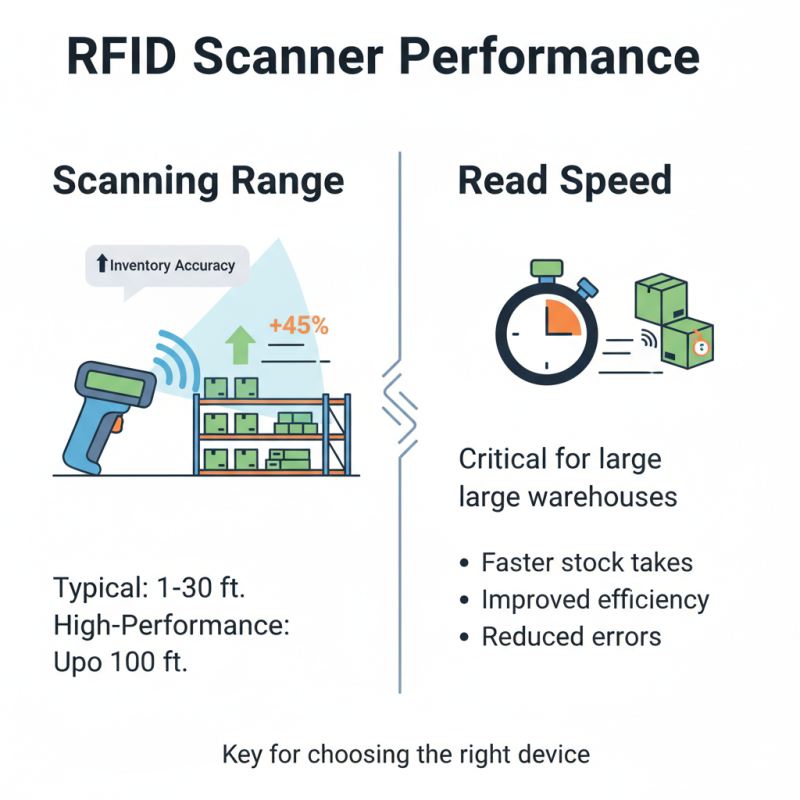
When choosing an RFID handheld scanner, evaluating scanning range and read speed is essential. Scanning range varies significantly between devices. Many handheld scanners operate within a range of 1 to 30 feet. However, some high-performance models reach up to 100 feet. This capability can enhance efficiency, especially in large warehouses. According to recent industry reports, companies using longer-range scanners can increase inventory accuracy by up to 45%.
Read speed is another critical factor. Most RFID handheld scanners offer read rates from 100 tags per second to an impressive 1,000 tags per second. Fast read speeds reduce the time spent on inventory management. A study shows that businesses using high-speed devices reduce scanning times by 70%. Efficiency in scanning directly relates to productivity gains in operations. It’s crucial to assess your unique needs based on the scale of operations.
When selecting an OEM Rfid Scanner Handheld, consider the specific environment. Factors include tag density and the presence of interference. Some environments may require more robust devices to handle these conditions. Testing different scanners can provide insight into real-world performance. Reflect on your requirements to avoid potential mismatches in technology. Balancing budget with capabilities is vital for a successful investment.
Battery Life and Power Management Considerations
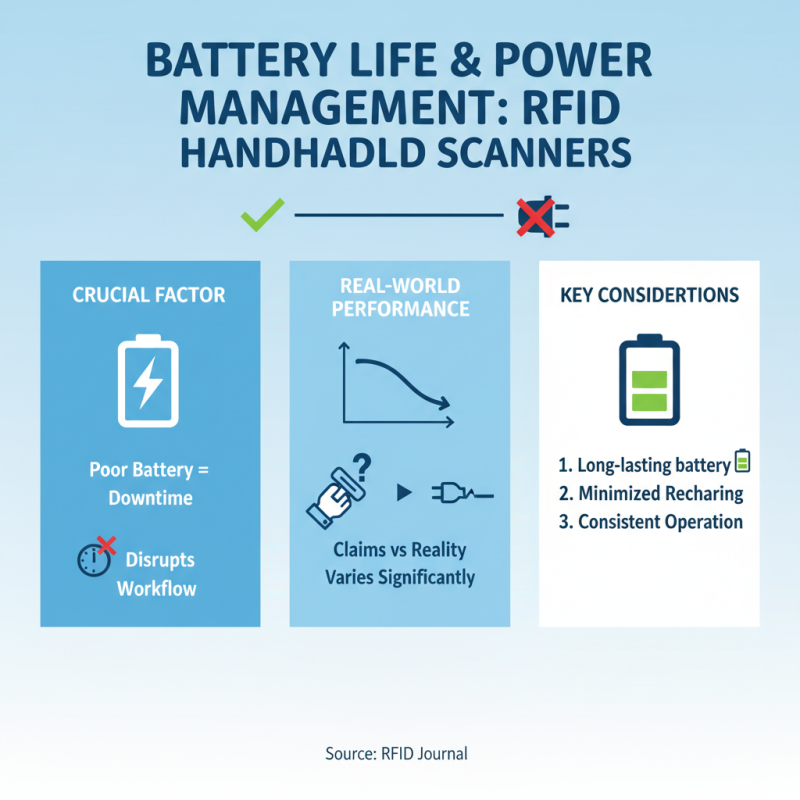
When selecting an RFID handheld scanner, battery life is a crucial factor. A report from the RFID Journal highlighted that poor battery performance can lead to downtime. Frequent recharging can disrupt workflow, making it an essential consideration. Many devices claim long-lasting batteries, yet their performance varies significantly in real-world applications.
A study by VDC Research indicates that devices with optimized power management can increase operational efficiency by up to 30%. Look for scanners that offer features like power-saving modes and quick charging capabilities. Devices that deplete battery life quickly often lead to frustration among users, especially in high-demand environments.
In retail or logistics, the endurance of the scanner's battery directly impacts productivity. Some users overlook the importance of battery management, leading to degraded performance over time. Regular assessments and careful monitoring of the battery's status can reveal potential issues before they become critical. This attention to detail can prevent failures and help maintain a steady workflow. It's essential to evaluate battery life expectations against operational needs and review user feedback for real-life experiences.
Compatibility with Existing Systems and Software
Choosing the right RFID handheld scanner requires careful consideration of compatibility. It's not just about whether the scanner reads RFID tags accurately; it must also work seamlessly with your existing systems and software. According to industry reports, about 70% of companies face compatibility issues when integrating new technology. This emphasizes the need for thorough compatibility checks before making any purchase decisions.
When selecting a scanner, examine its operational specifications. The device should support the protocols and data formats currently in use. This is especially important in environments where legacy systems operate alongside newer technologies. A 2022 report indicated that over 40% of enterprises rely on outdated systems, making it critical for new equipment to bridge the gap. Also, consider the software applications already in use. For example, if you run inventory management software, ensure the RFID device can connect and exchange data efficiently.
Testing the scanner with your systems is advisable. Many users report challenges in read rates and data accuracy, particularly when switching between different devices. Hands-on assessments can reveal unexpected integration hurdles. Investing in a China Rfid Scanner Handheld might yield various results, but ensure it suits your operational needs. Thoughtful evaluation can prevent mishaps and streamline your workflow.
RFID Handheld Scanner Compatibility Evaluation
Budgeting for Your RFID Handheld Scanner Purchase
When budgeting for an RFID handheld scanner, several factors come into play. First, consider your specific needs. The price can vary widely based on features. Simpler models may cost less but lack advanced capabilities. Advanced scanners offer high read rates, which can enhance efficiency but come at a premium price. Identify what you need: scanning speed, battery life, and durability. Make a list of your essentials.
Next, think about your environment. If the scanner will be used in rugged conditions, investing in a durable model may save costs in the long run. Many reliable scanners can withstand drops or harsh environments. Keep an eye on the total cost of ownership. This includes potential software updates or support fees, which might not be immediately obvious. A lower upfront cost might lead to higher overall expenses.
Lastly, don't overlook the importance of warranties and support. A trustworthy scanner often comes with comprehensive after-sales service. It can provide peace of mind and financial protection. Reflect on your budget’s flexibility. It might be tempting to choose the cheapest option, but think about the potential trade-offs. A thoughtful investment can lead to long-term benefits.
How to Choose the Best RFID Handheld Scanner for Your Needs? - Budgeting for Your RFID Handheld Scanner Purchase
| Feature | Description | Price Range (USD) | Ideal Use Case |
| Read Range | Distance at which the scanner can read RFID tags. | $100 - $300 | Inventory Management |
| Battery Life | Duration the scanner operates on a full charge. | $150 - $400 | Field Operations |
| Connectivity | Types of connections supported (Wi-Fi, Bluetooth, etc.). | $200 - $500 | Real-time Data Syncing |
| Durability | Resistance to drops, water, and dust. | $250 - $600 | Rugged Environments |
| Weight | Weight of the device, affecting portability. | $100 - $350 | Mobile Use |
Maximizing Efficiency in RFID Systems: Insights from the Latest Industry Reports on Portals & Tunnel Antennas
In the rapidly evolving landscape of RFID technology, maximizing system efficiency is paramount. Recent industry reports highlight the crucial role of portals and tunnel antennas in enhancing operational workflows. These antennas are designed for large-scale RFID integrated equipment, offering a robust solution that ensures comprehensive coverage with minimal blind spots. The ability to quickly and accurately identify electronic tags from multiple directions significantly streamlines processes, making them indispensable in high-traffic environments.
When considering solutions for RFID applications, the flexibility of these antennas allows for tailored setups that meet specific operational needs. Whether businesses require customized solutions for unique scenarios or prefer general-purpose products, there is a commitment to delivering high-quality, cost-effective options. This dedication to customer satisfaction means that any inquiries or orders are handled with prioritize attention, ensuring prompt responses and detailed product quotations. As industries continue to seek ways to enhance their efficiency, investing in advanced RFID technology with effective antennas will play a crucial role in achieving operational excellence.
FAQS
: The two main types are passive and active scanners.
Passive scanners read signals from tags without needing batteries.
Active scanners have their own power source for extended reading distances.
Faster scanning speeds are crucial for rapid inventory checks and efficiency.
No, not all scanners work with every type of RFID tag.
A reliable scanner must integrate seamlessly with existing inventory management systems.
Poor battery performance can lead to downtime and disrupt workflow.
Look for scanners with power-saving modes and quick-charging capabilities.
Neglecting battery care can lead to degraded performance and frustration.
It helps identify issues before they become critical, maintaining steady workflow.
Conclusion
When selecting the best RFID handheld scanner for your needs, it is crucial to understand the core technology and its various applications. Key features to consider include scanning range, read speed, battery life, and compatibility with existing systems. Different types of RFID handheld scanners offer unique capabilities, so evaluating these factors based on your specific requirements will help you make an informed decision.
Additionally, assessing battery life and power management is essential for ensuring sustained operational efficiency. Considering your budget is also important, as it influences the available options. By comprehensively evaluating these criteria, you can choose an RFID handheld scanner that not only meets your needs but also enhances the efficiency of your operations.

 Rotary HF RFID Tag Reader GRH-I40 Suitable for Assembly Lines
 Industrial-grade High-frequency Integrated Reader GRH-I65 Suitable for Asset Tracking
 With ESD Protection HF RFID Reader GRH-I68 Suitable for Progress Tracking
 Proximity HF RFID Reader GRH-M30 Suitable for Manufacturing Workshops
 Desktop HF RFID Scanner GRH-D80-HID Suitable for Card-issuing Applications
 High Frequency Medium Distance Reader GRH-I90 Suitable for Logistics Production Line
 UHF RFID Portals and Tunnel Machine RFly-AM3000 for Access Control
 Narrow RFID Portals Series TD-P20040-SS for Single Tag Entry and Exit Identification Scenario
 RFID Transmission Line Simple Identification Tunnel Machine (TD-T3050)
 Vision and RFID Tunnel Machine TD-T7692-RV for Logistics Sorting
 RFID Transmission Line Identification Tunnel Machine TD-T10090
 RFID Mobile Inventory Tunnel Machine TD-T65150 for Conveyor Belts
 High-Performance Far-Field Antennas for Broad Coverage.
 Multi-Purpose Antennas: Flexibility for Diverse Applications
 Near-Field Antennas for Short-Distance Tag Detection.
 Portals & Tunnel Antennas for Integrated RFID Series
 Slimline PCB Antennas for Warehousing and Logistics
 Miniaturized and Thin Antennas can Provide Good Performance in a Smaller Size.
 GPS Tracker for Vehicles, Car, Kids, Assets.
 CO2 Sensors Detect CO2 Gas through Alarms, Suitable for Offices, Planting Tents.
 Door Sensor, Detect Open and Closed Doors or Windows, Sends Alerts, Triggers Siren.
 Wireless Level Sensor Equipped with a 5-Meter Detection Line, Suitable for Water Tanks
 Real Time Monitoring of Air Quality Using PM2.5/PM10 Sensors.
 Smoke Sensor, Fire Alarm Smoke Detector with Test Button and Low Battery Reminder.
 Soil Stress Sensor,Bridge and Tunnel Monitors.
 Vibration Sensor Monitors Equipment, Like Conveyors and Motors, for Operational Status.
 E -Paper Display
 Smart Water Sensor Alarms, 1.2 M Detection Line.
 CO Sensor for Basements Home Office House Bedroom Living Room Car, Light Plug and Play.
 Temperature and Humidity Sensor
 Multi-sensor GD-ME
 Temperature Sensors Monitor the Surface Temperature of Various Heating Equipment.-1
 Signal Enhancement Terminal, Long Range Coverage.
 Multi-Protocol Communication Gateway, App Remote Control.
 Edge Vision Gateway can Access Various Mainstream Cameras, Suitable for Office, Factory.
 GBS-3550 Outdoor Sensor Gateway,LoRa, 2/3/4G Communication.
 Smart WiFi Gateway, Realize Remote Control.
 Ultra-Low-Power Solar-Powered Intelligent Gateway (Outdoor)
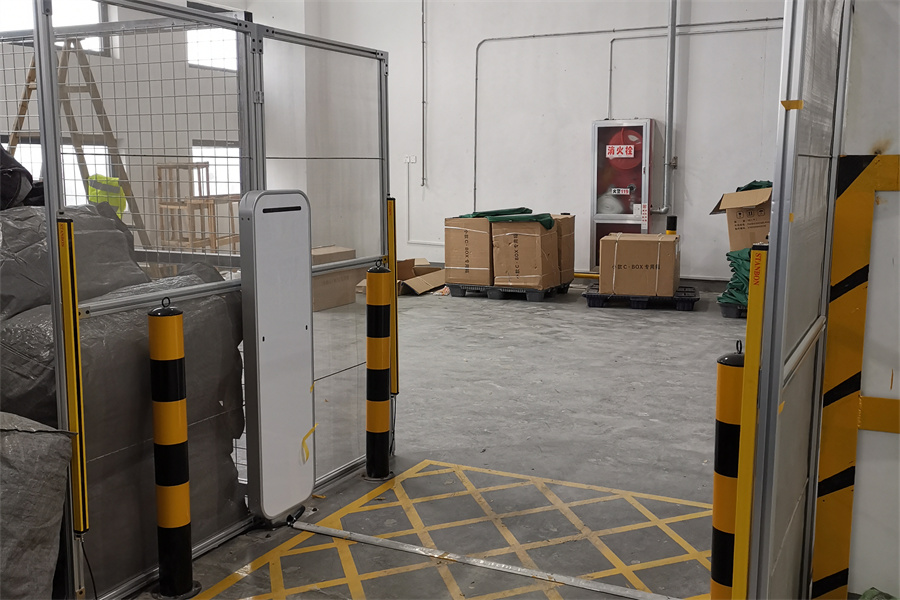 RFID Application in Inbound/Outbound Management
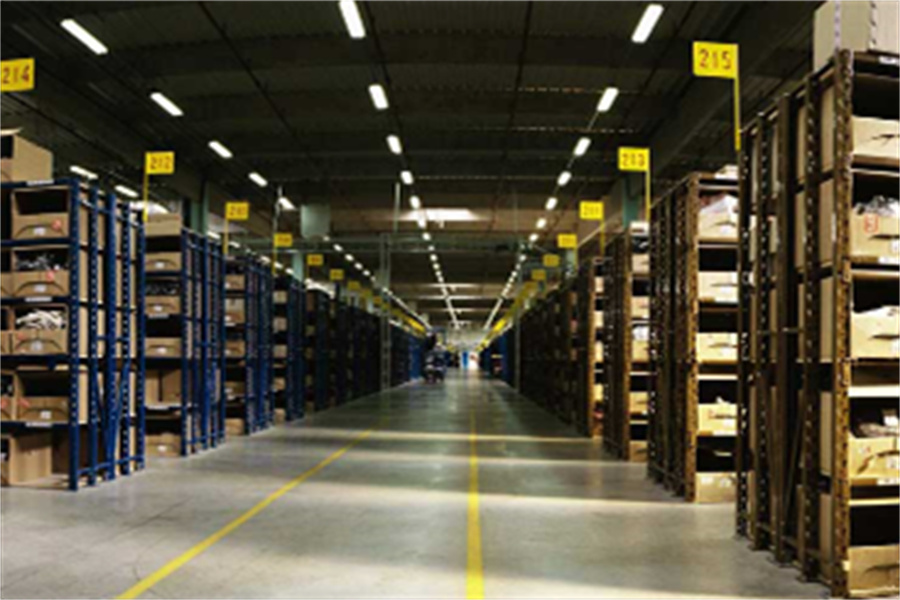 RFID Application in Warehouse Management
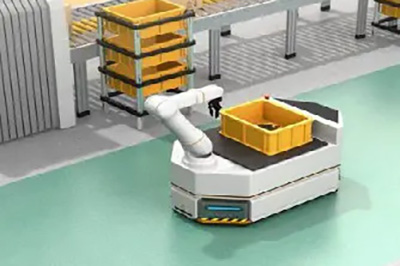 RFID Application in AGV Material Transport Management
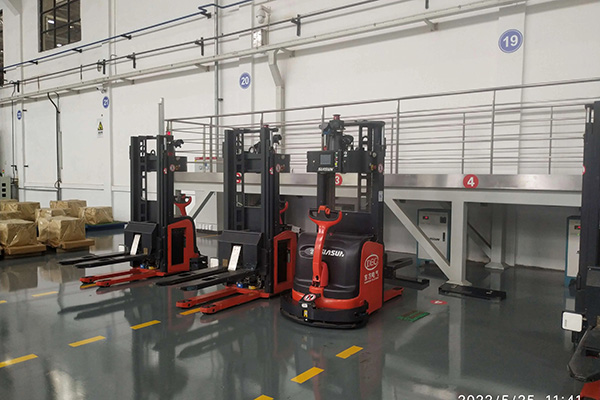 RFID Application in Forklift Cargo Identification
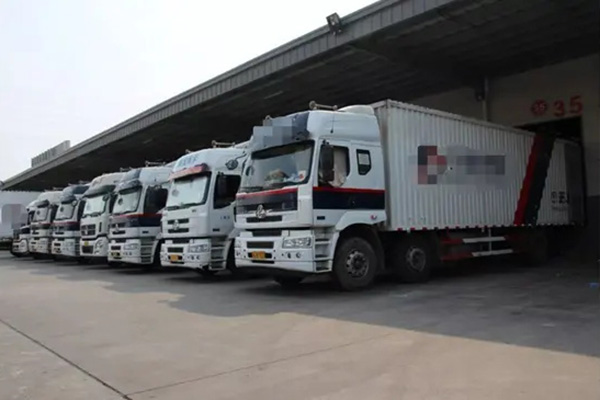 RFID Application in Platform Vehicle Management
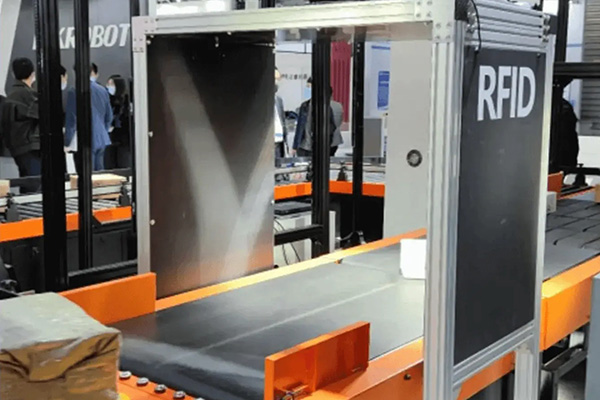 RFID Application in Logistics Sorting
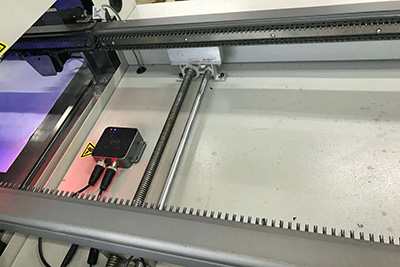 RFID Application in Supply Chain Management
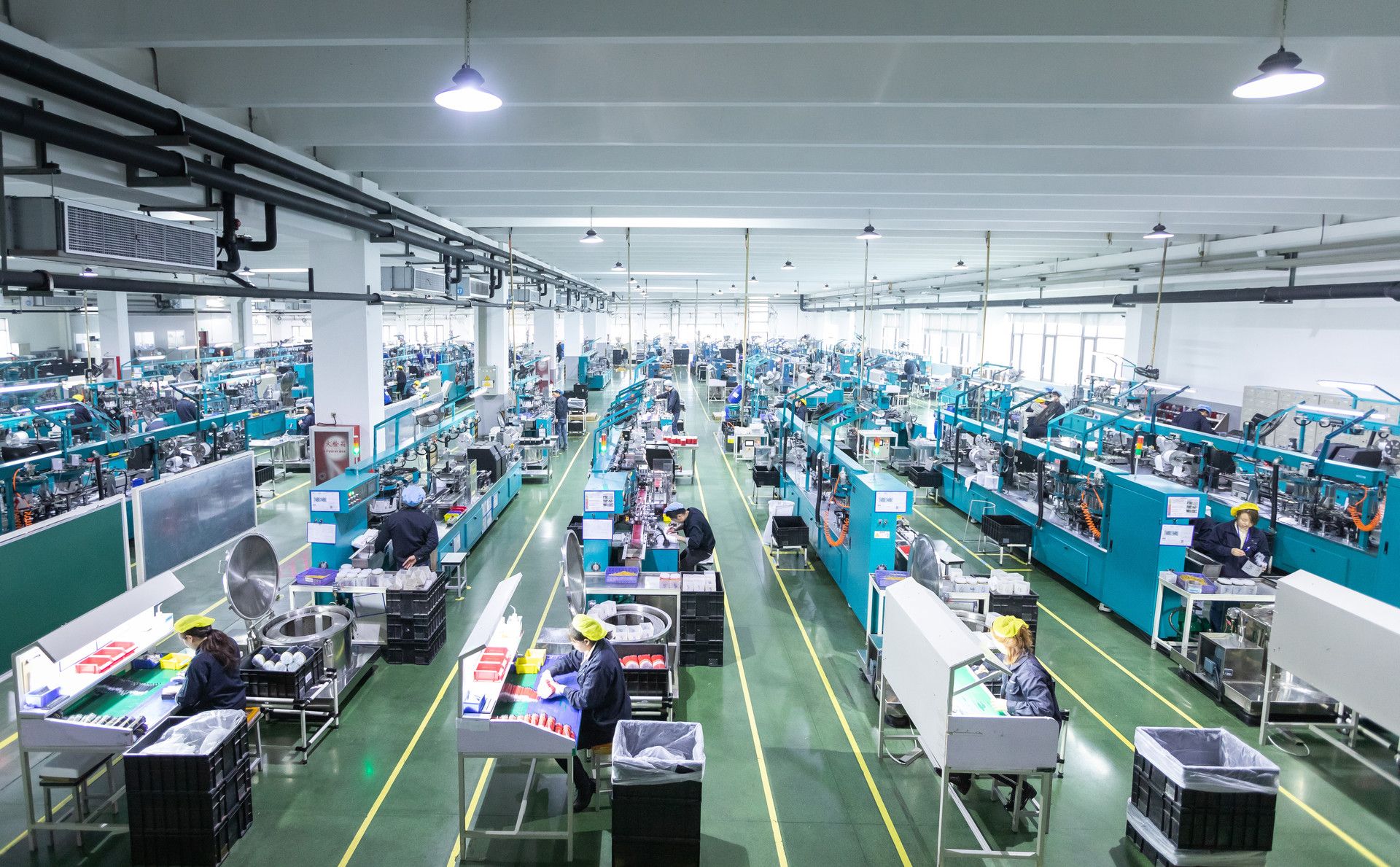 RFID Application for Workshop/Warehouse Tracking
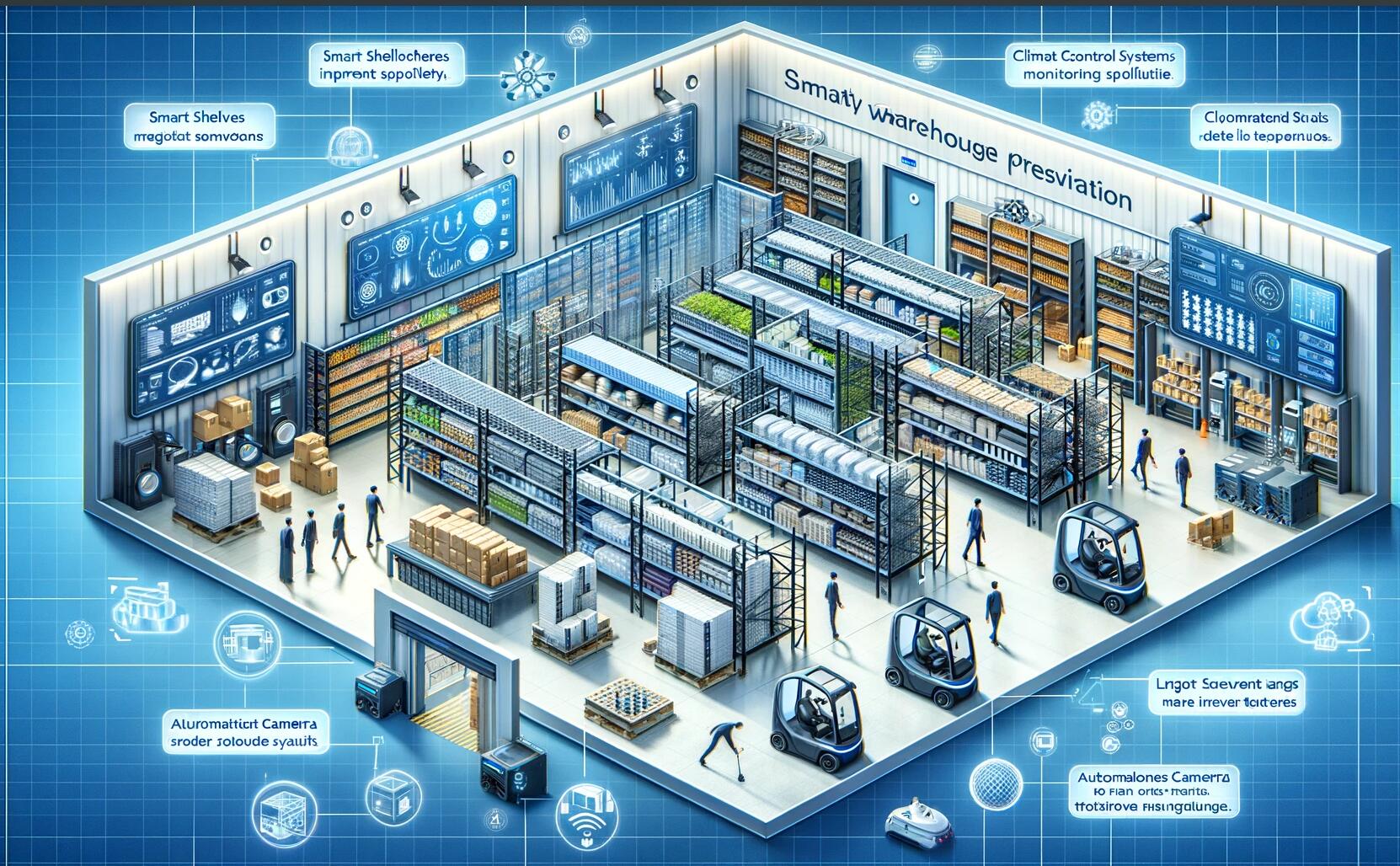 Smart Warehouse Monitoring and Management
 RFID technology empowers port containers: a new direction for future logistics
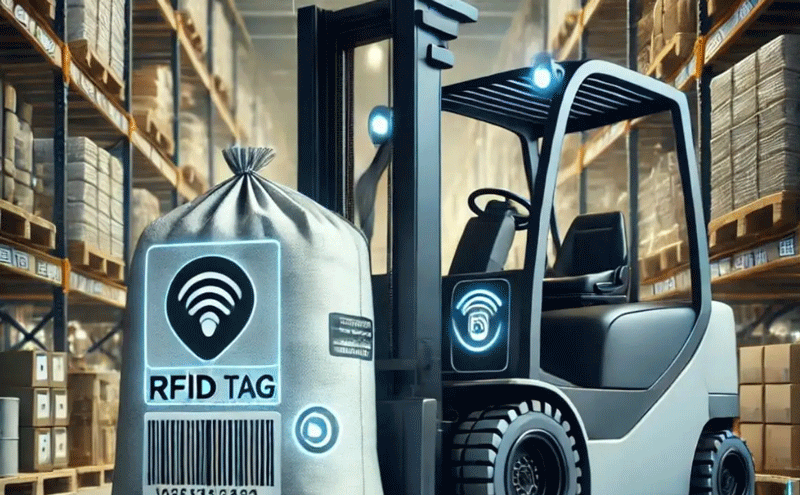 RFID technology in forklift tracking and container bag identification
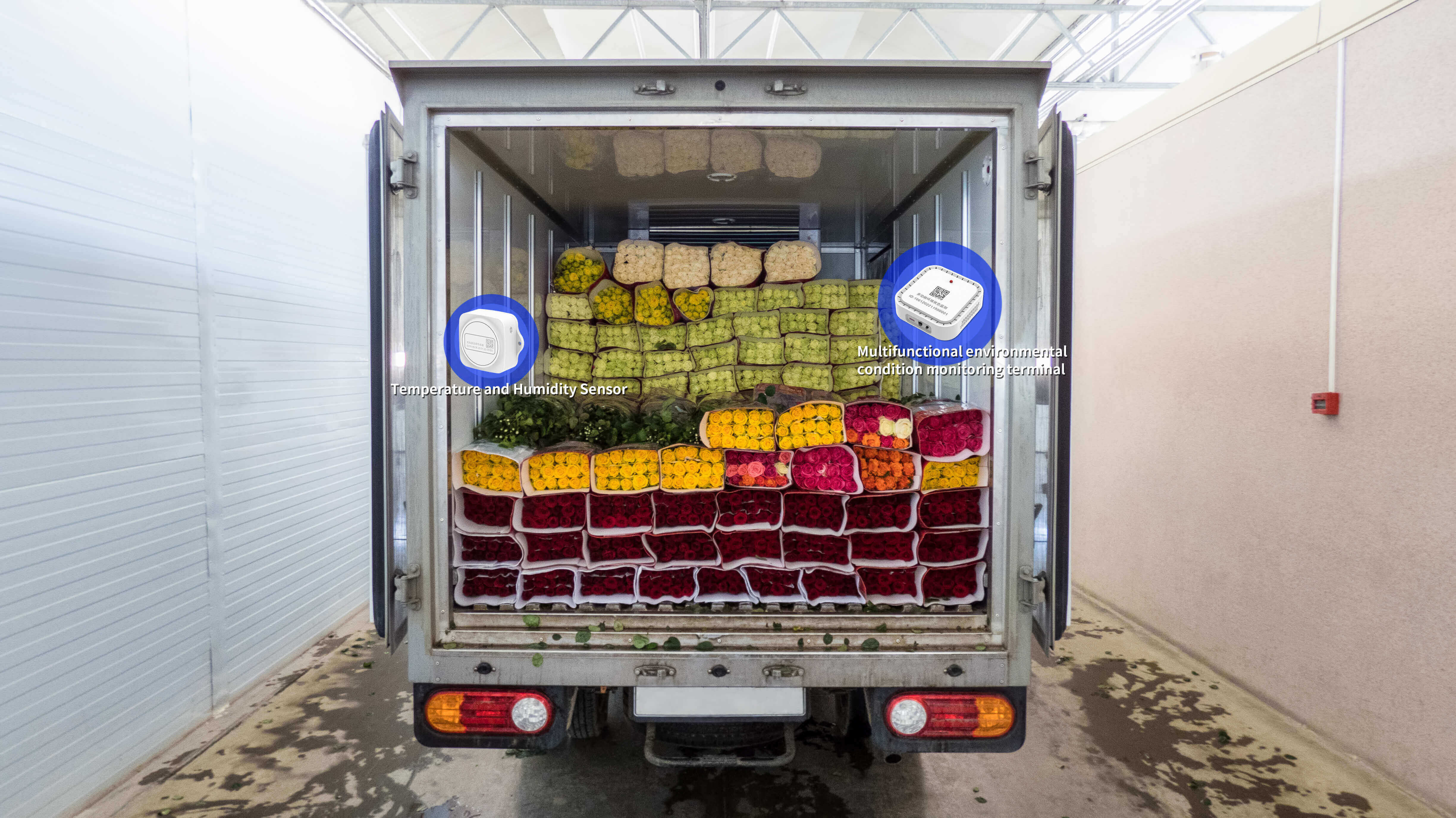 Real-Time Data, Secure Transportation: The Future Trends of Cold Chain Logistics
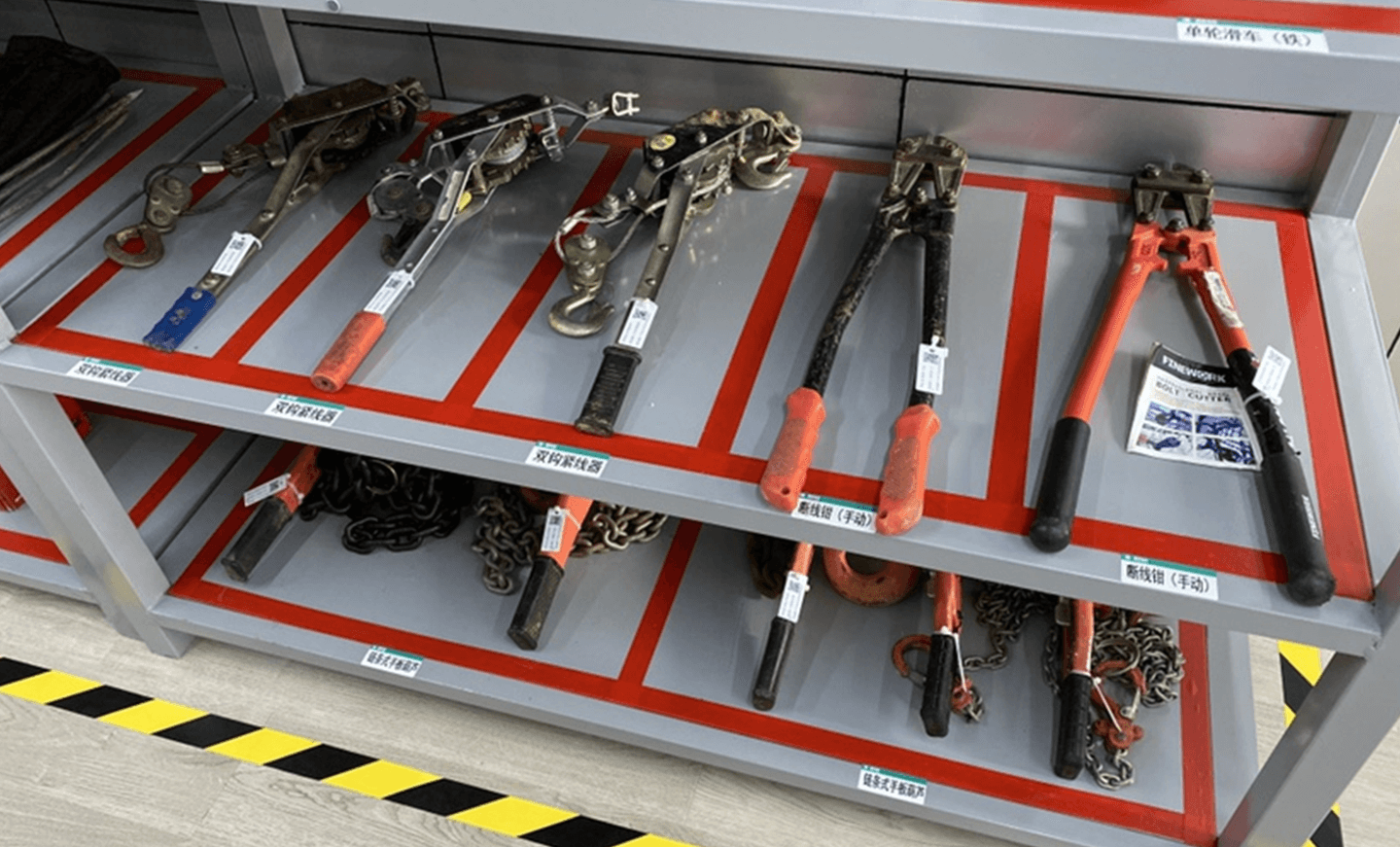 RFID Tool Management
 RFID Application in Battery Factory Production
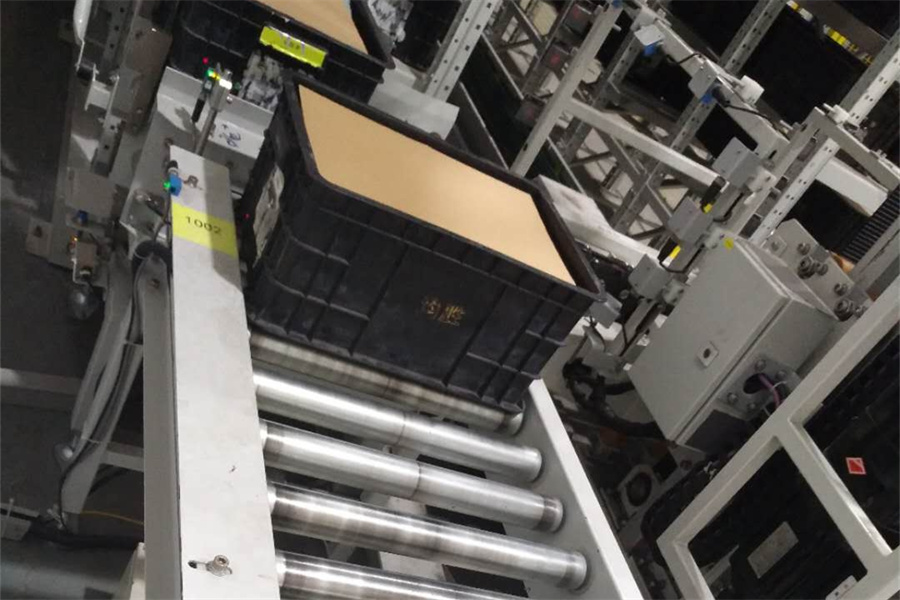 RFID Application in Production Line Rubber Box Management
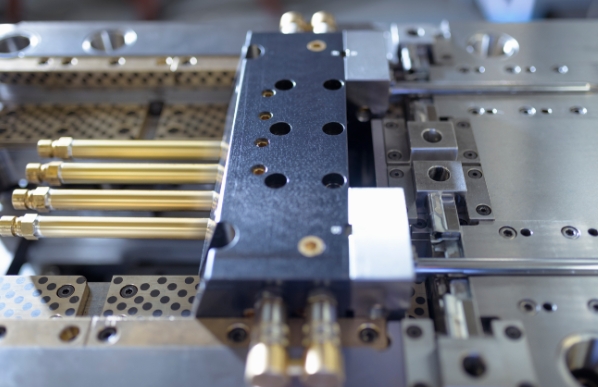 RFID Application in Mold Management on Production Lines
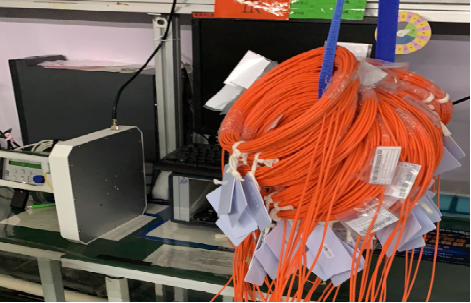 RFID Application in Fiber Optic Cable Manufacturing
 Smart Manufacturing
 The medical industry uses RFID technology to make drug tracking more accurate
 RFID technology helps beverage production and build an efficient supply chain
 RFID technology helps car seat production lines: intelligent management improves efficiency and quality
 RFID technology in the production of electronic appliances monitoring and tracing application
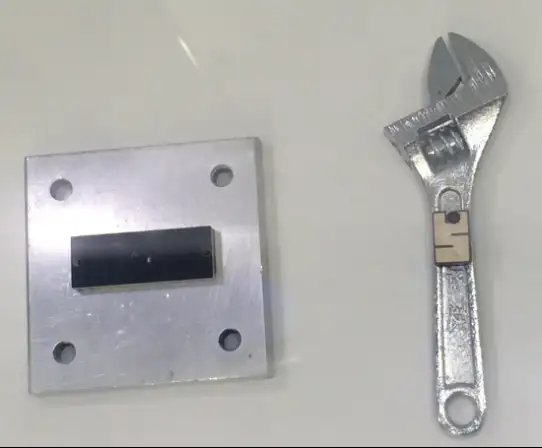 Use RFID technology to improve appliance management efficiency and security
 RFID technology helps precise installation of headrests
 IP67-protected Integrated RFID Reader Writer RFly-I165 for Supply Chain
 Long-range Distance UHF RFID Reader RFly-I195 for Inventory Management
 Small UHF RFID Tag Reader RFly-I300 for Cars
 Two-channel Compact Fixed RFID Reader RFly-F210 for Warehousing
 Four Channels Fixed UHF RFID Reader RFly-R6 for Supply Chain
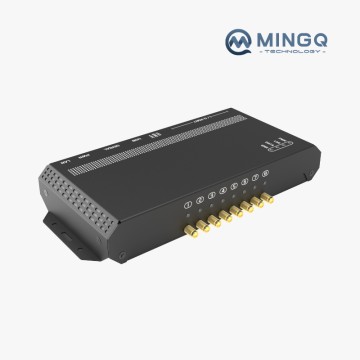 8-channel UHF RFID Tag Reader RFLY-MR8 for File Cabinet Identification-1
 Bluetooth Portable RFID Reader and Writer GRU-HBT100 for Inventory Management
 Industrial Grade Handheld UHF RFID Reader GRU-HC520 Suitable for Logistics
 RFID Gateway Networking System
 RFID Passive Temperature Measurement System
 RFID Tags for Container Turnover Management
 RFID Tags for Equipment O&M Management
 RFID Tags for Manufacturing Management
 RFID Tags for Tool Management
 A Kits for Equipment Condition Detection
 A Kits for Office Computer Room Environment Monitoring
 A Kits for Reservoir Environmental Monitoring
 A Kits for Storage Space Environment Monitoring
 A Kits for Stress Detection of Underground Tunnel
 A Kits for Urban Environment Monitoring
 Intelligent IoT Monitoring Platform
 Integrating Multiple Functional OTG Demo Software
 HF Demo Software
 UHF Demo Software