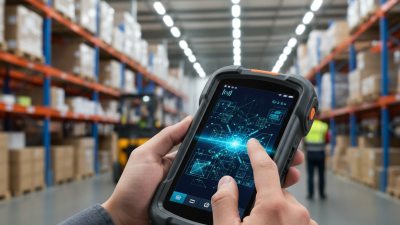
In today’s hectic business world, picking the right Portable Rfid Reader isn’t just a good idea — it’s kinda essential. The RFID market is booming, with industry reports from ResearchAndMarkets suggesting it could hit a whopping $24.1 billion by 2025. That’s a huge indicator of how much companies need smarter ways to keep track of inventory and assets across different sectors.
Choosing the best Portable RFID Reader isn’t just about one or two features; there’s a lot to think about. Things like battery life, how far the device can read, and how well it connects really make a difference in day-to-day work. Lots of businesses seem to favor Bluetooth Portable RFID Readers because they’re pretty versatile and easy to handle. Big names like Zebra Technologies and Impinj are definitely leading the charge with innovative options designed to fit specific needs.
But here’s the thing—sometimes, companies overlook some pretty important details when making their choice. It’s not just about the tech specs; it’s also about how user-friendly the device is. How simple is it to operate? Business folks really need to ask themselves what they actually need from these devices. Picking the wrong one can slow things down, cause frustration, and ultimately affect productivity. Taking the time to do some proper research now can really pay off in the long run and save a lot of headaches down the line.
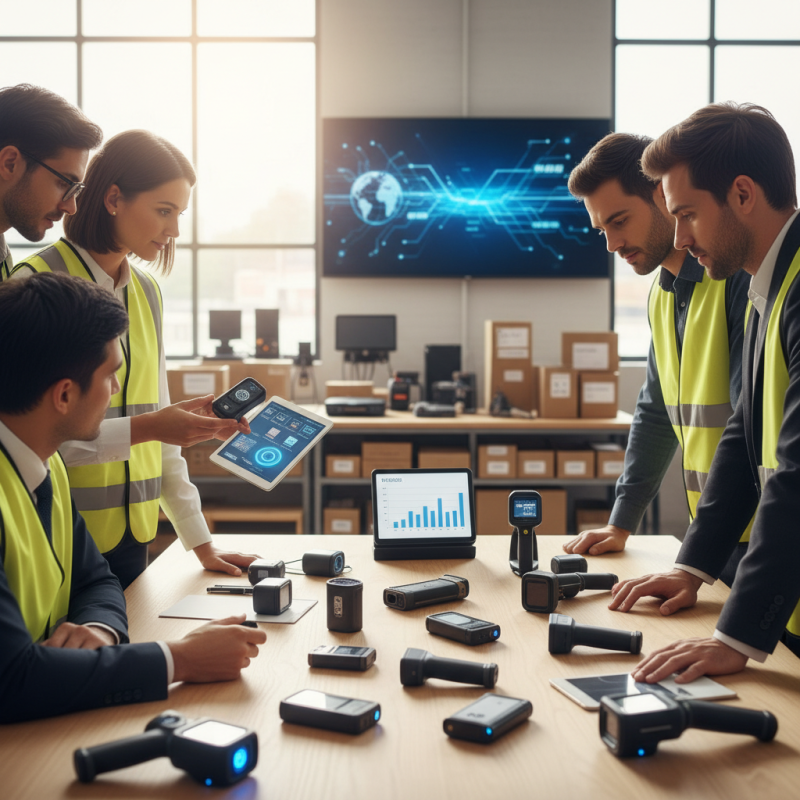
Understanding RFID Technology and Its Applications in Business
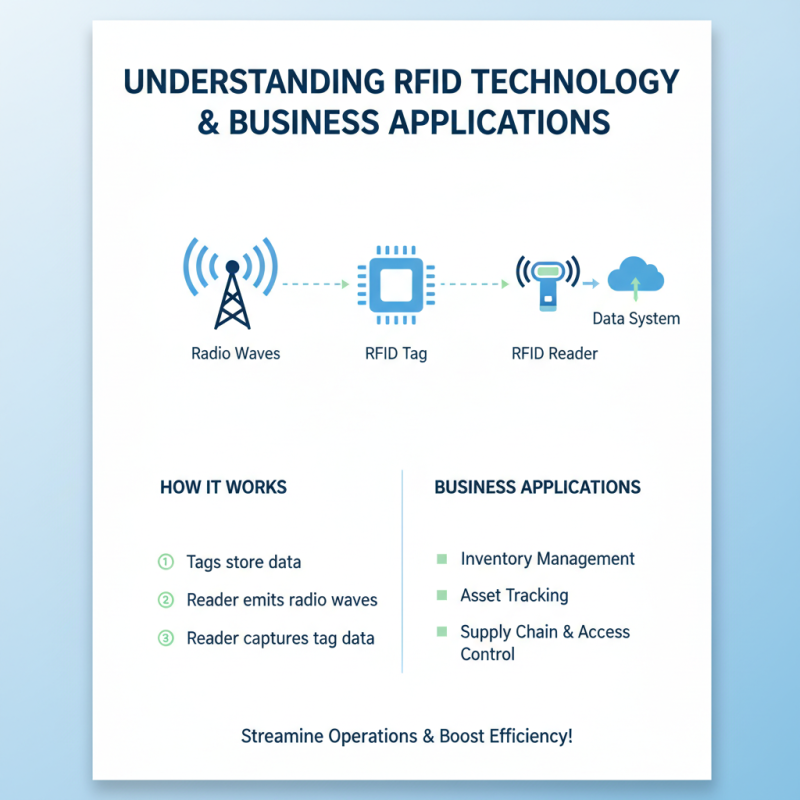
RFID technology is revolutionizing how businesses manage inventory and track assets. It employs radio waves to communicate between RFID Tags and readers. Businesses can utilize this technology for various applications, such as supply chain management and access control. Understanding how RFID works helps in choosing the right tools.
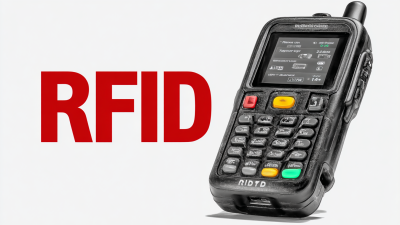
A Portable Uhf Rfid Reader is often favored for its versatility. It can read tags quickly from a distance, making inventory checks efficient. Businesses in retail or warehousing can save time and labor costs with this device. However, not every reader is suitable for every context. Factors like range, battery life, and compatibility with existing systems should influence your decision.
It's important to assess the specific needs of your business. Some companies may require readers that operate well in challenging environments. Others may prioritize read speed over other features. Reflection on these details is crucial. Many overlook the option to test readers before purchase. This can lead to mismatched expectations and dissatisfaction. Knowing the capabilities and limits of Portable UHF RFID Readers can guide you toward making informed choices.
Key Features to Consider When Selecting a Portable RFID Reader
When selecting a portable RFID reader, consider the reading range. Some readers can scan tags from several meters away. This feature is crucial for warehouses and large retail spaces. A report by ResearchAndMarkets states that a wider range can improve operational efficiency by up to 30%. However, longer ranges may impact battery life. Balance is essential here.
Battery capacity is another vital aspect. Most portable readers run on rechargeable batteries. Look for models that last a full shift without needing a recharge. According to Zebra Technologies, about 30% of businesses experience delays due to battery failures. A reliable battery saves time and boosts productivity.
Connectivity options are also important. Ensure the reader connects seamlessly with existing systems. Wireless capabilities, such as Bluetooth and Wi-Fi, enhance flexibility. However, increased features may require more learning and training. It's worth evaluating how user-friendly the device is for your team. Continuous employee feedback can lead to better adoption rates and workflow improvements.
Comparison of Different Types of Portable RFID Readers Available
When selecting a Portable Rfid Reader, it's crucial to analyze the various types available. Each type has unique features suited for different business needs. For instance, passive RFID readers are common for inventory management. According to a report by MarketsandMarkets, the passive RFID segment is expected to grow at a CAGR of 14.5% from 2020 to 2025. These devices are known for their cost-effectiveness and efficiency, making them ideal for tracking assets.
Active RFID readers, however, offer extended range and battery-powered capabilities. This can be beneficial in large warehouses or outdoor settings. A recent study by RFID Journal indicated that active RFID can significantly reduce labor costs by automating asset tracking. Businesses with extensive tracking requirements may find this option more reliable, despite the higher investment. Yet, the battery life of these readers can be a drawback and needs regular monitoring.
Finally, handheld RFID readers provide flexibility. They are user-friendly and typically come with built-in data management software. Their design allows for quick scanning of products, which enhances operational speed. However, frequent updates and software compatibility can pose challenges. Businesses must address these factors to ensure they choose the right portable RFID reader that aligns with their operational goals.
Evaluating the Compatibility of RFID Readers with Business Systems
When selecting a portable RFID reader, compatibility with your existing business systems is crucial. A seamless integration can enhance efficiency and reduce operational hiccups. Evaluate whether the RFID reader supports the data formats and communication protocols already in use within your organization. For instance, check if your inventory management software can communicate effectively with the RFID system.
Consider the reader's ability to interface with various devices. Devices like tablets and smartphones may require specific applications or drivers. Ensure your chosen reader can connect effortlessly. Discrepancies here may lead to costly delays or miscommunication in data capture.
Testing is vital. Sometimes, a reader may appear compatible but face issues in real-world applications. Pilot programs can reveal hidden challenges. For example, poor signal strength in certain locations might hinder effectiveness. Engaging your IT team during the evaluation phase can reveal insights on necessary adjustments for a smooth operation. Taking these steps can aid in making an informed choice that aligns with your business needs.
Assessing the Battery Life and Durability of RFID Readers
When selecting a portable RFID reader, battery life and durability are critical factors. A reader that runs out of battery in the middle of an operation can lead to wasted time and effort. Aim for devices with a minimum of eight hours of operational battery life, especially for long shifts. Consider how often you will be using the reader. If it’s for frequent scanning, a longer-lasting battery can prevent interruptions.
Durability also plays a significant role in the performance of a portable RFID reader. Look for models that can withstand drops or exposure to dust and moisture. Devices with a higher IP rating usually offer better protection. Think about your business environment. If you operate in an industrial setting, you may need a reader that can handle rough handling. Yet, even with durable devices, wear and tear can happen. Regularly assess their condition to ensure they remain functional.
While many portable RFID readers come with good specifications, not all will meet your needs. Testing the device in real-world scenarios can highlight limitations you may not have considered initially. Pay close attention to how the reader performs in different conditions. A Portable Rfid Reader Long Range may look great on paper, but practical testing reveals the true capabilities. Reflect on your unique requirements to make a well-informed choice.
Analyzing Cost vs. Performance for RFID Reader Selection
When selecting a portable RFID reader, cost and performance are crucial factors. Businesses often face tight budgets while aiming for optimal efficiency. Affordable options may seem appealing, but they might lack essential features. A low-cost reader could hinder accuracy and speed, affecting overall productivity. Investing a little more can lead to better software compatibility and user experience.
Performance involves various elements, like read range and battery life. Vendors often provide specs, but real-world performance can differ. Some readers may fail in dense environments, impacting operations. A reliable reader should succeed in diverse settings. If a business frequently encounters interference, it might reconsider its choices. Shortcomings in performance can lead to inefficiencies.
It's essential to balance cost and performance. A reader could be cheap but might require frequent replacements or repairs. These hidden costs can accumulate over time, leading to a bigger drain on resources. Businesses should weigh initial costs against long-term benefits when making a decision. Ultimately, an informed choice can enhance overall operations and save money in the long run.
Reviewing User Feedback and Expert Recommendations for RFID Readers
Choosing the Best Portable Rfid Reader for your business involves a careful examination of user feedback and expert recommendations. Many users emphasize portability and battery life as critical factors. According to a 2022 industry report, around 65% of users prefer devices that can operate for at least 12 hours without needing a charge. This reflects the need for equipment that can handle long shifts or mobile operations. User reviews often highlight that lightweight designs contribute to user satisfaction, especially in fast-paced environments.
Expert recommendations frequently point to the importance of read range and accuracy. A survey conducted by RFID Journal found that 70% of RFID users reported issues with read distances falling short of expectations. Hence, it becomes essential to investigate capabilities like read ranges up to 10 meters. Another significant point is compatibility with existing systems. Experts recommend that businesses ensure readers can integrate seamlessly with current inventory systems to avoid costly disruptions. Echoing these findings, 60% of surveyed companies faced challenges during integration phases. Therefore, while narrowing down options for the best portable RFID reader, consider both user experiences and expert insights for a well-rounded decision.
Optimizing RFID Technology with Advanced Portals & Tunnel Antennas: A Comprehensive Guide
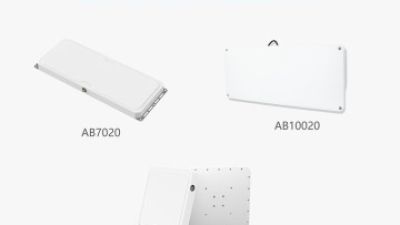
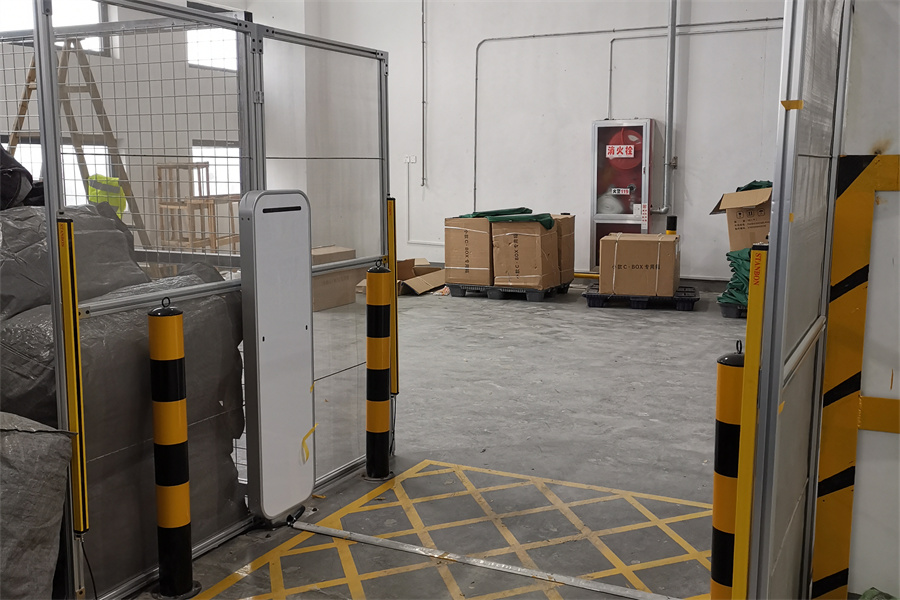
Optimizing RFID technology is essential in enhancing the efficiency of various applications, especially in large-scale operations. A critical component in this optimization process is the deployment of advanced portals and tunnel antennas, specifically designed to maximize the recognition range and eliminate blind spots during scanning. These antennas facilitate swift identification of electronic tags from multiple directions, making them suitable for dynamic environments where speed and accuracy are paramount.
Incorporating these advanced antennas into your RFID integrated equipment can significantly improve operational workflows. Whether you require customized solutions tailored to your unique needs or general-purpose antennas, there are options available that ensure high performance and cost-effectiveness. By utilizing sophisticated designs, these antennas not only enhance reading distances but also support seamless integration with existing systems, empowering businesses to streamline their inventory management, asset tracking, and supply chain processes.
If you are looking for reliable RFID solutions to elevate your operational efficiency, do not hesitate to reach out. With a commitment to providing prompt service and detailed product information, you can easily access quotations and advice that align with your project requirements, ensuring you make informed decisions for your technology investments.
FAQS
: RFID technology uses radio waves to communicate between tags and readers. It helps manage inventory and track assets.
Businesses can improve supply chain management and access control. This leads to increased efficiency in operations.
Assess range, battery life, and compatibility. Not all readers suit every business context or requirement.
A short battery life can interrupt operations. Choose readers with at least eight hours for long shifts.
Durability ensures the reader withstands drops and tough environments. Regular assessments can prevent unexpected failures.
Yes, practical testing reveals limitations. It helps avoid mismatched expectations and ensures the reader meets specific needs.
No, the IP rating indicates protection against dust and moisture. It's crucial for maintaining performance in various settings.
Users often neglect real-world testing. This can lead to surprises regarding performance in challenging conditions.
Reflect on your specific requirements. Consider both capabilities and limitations before finalizing a purchase.
Conclusion
Choosing the best portable RFID reader for your business involves a thorough understanding of RFID technology and its diverse applications. Key features such as reading range, scanning speed, and connectivity options play a vital role in determining the right choice. A comparison of different types of portable RFID readers is essential to understand their unique advantages and limitations.
Compatibility with existing business systems, battery life, and durability are critical factors that can impact overall performance and user experience. Additionally, careful analysis of cost versus performance will help align the investment with business needs. Lastly, reviewing user feedback and expert recommendations can provide valuable insights, ensuring that you select a portable RFID reader that meets your operational requirements effectively.

 Rotary HF RFID Tag Reader GRH-I40 Suitable for Assembly Lines
 Industrial-grade High-frequency Integrated Reader GRH-I65 Suitable for Asset Tracking
 With ESD Protection HF RFID Reader GRH-I68 Suitable for Progress Tracking
 Proximity HF RFID Reader GRH-M30 Suitable for Manufacturing Workshops
 Desktop HF RFID Scanner GRH-D80-HID Suitable for Card-issuing Applications
 High Frequency Medium Distance Reader GRH-I90 Suitable for Logistics Production Line
 UHF RFID Portals and Tunnel Machine RFly-AM3000 for Access Control
 Narrow RFID Portals Series TD-P20040-SS for Single Tag Entry and Exit Identification Scenario
 RFID Transmission Line Simple Identification Tunnel Machine (TD-T3050)
 Vision and RFID Tunnel Machine TD-T7692-RV for Logistics Sorting
 RFID Transmission Line Identification Tunnel Machine TD-T10090
 RFID Mobile Inventory Tunnel Machine TD-T65150 for Conveyor Belts
 High-Performance Far-Field Antennas for Broad Coverage.
 Multi-Purpose Antennas: Flexibility for Diverse Applications
 Near-Field Antennas for Short-Distance Tag Detection.
 Portals & Tunnel Antennas for Integrated RFID Series
 Slimline PCB Antennas for Warehousing and Logistics
 Miniaturized and Thin Antennas can Provide Good Performance in a Smaller Size.
 GPS Tracker for Vehicles, Car, Kids, Assets.
 CO2 Sensors Detect CO2 Gas through Alarms, Suitable for Offices, Planting Tents.
 Door Sensor, Detect Open and Closed Doors or Windows, Sends Alerts, Triggers Siren.
 Wireless Level Sensor Equipped with a 5-Meter Detection Line, Suitable for Water Tanks
 Real Time Monitoring of Air Quality Using PM2.5/PM10 Sensors.
 Smoke Sensor, Fire Alarm Smoke Detector with Test Button and Low Battery Reminder.
 Soil Stress Sensor,Bridge and Tunnel Monitors.
 Vibration Sensor Monitors Equipment, Like Conveyors and Motors, for Operational Status.
 E -Paper Display
 Smart Water Sensor Alarms, 1.2 M Detection Line.
 CO Sensor for Basements Home Office House Bedroom Living Room Car, Light Plug and Play.
 Temperature and Humidity Sensor
 Multi-sensor GD-ME
 Temperature Sensors Monitor the Surface Temperature of Various Heating Equipment.-1
 Signal Enhancement Terminal, Long Range Coverage.
 Multi-Protocol Communication Gateway, App Remote Control.
 Edge Vision Gateway can Access Various Mainstream Cameras, Suitable for Office, Factory.
 GBS-3550 Outdoor Sensor Gateway,LoRa, 2/3/4G Communication.
 Smart WiFi Gateway, Realize Remote Control.
 Ultra-Low-Power Solar-Powered Intelligent Gateway (Outdoor)
 RFID Application in Inbound/Outbound Management
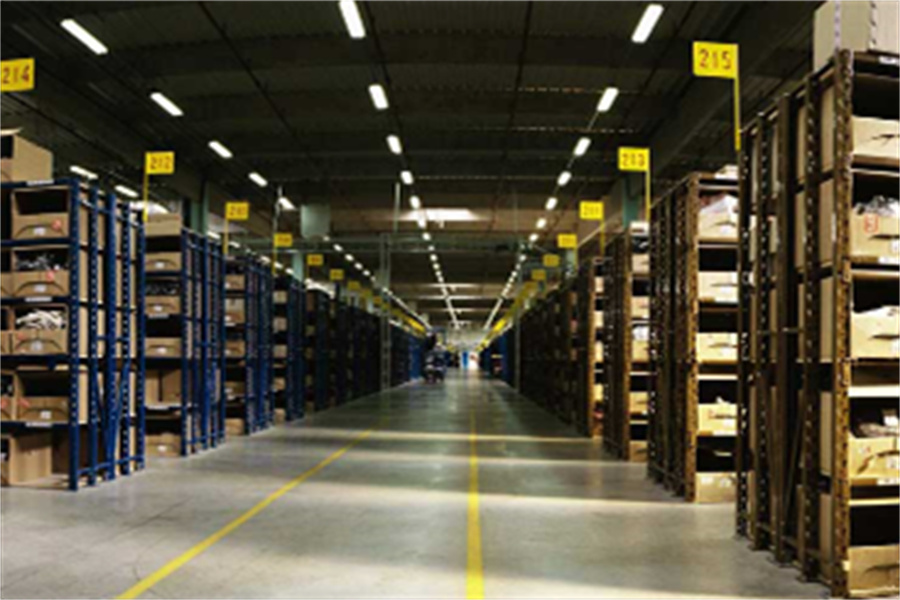 RFID Application in Warehouse Management
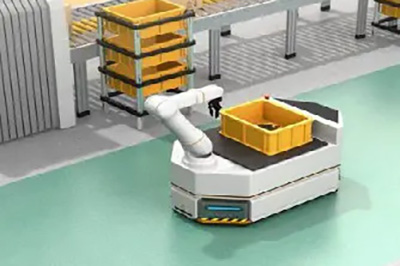 RFID Application in AGV Material Transport Management
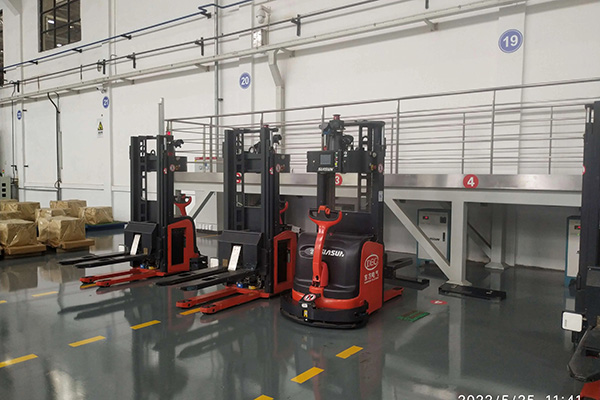 RFID Application in Forklift Cargo Identification
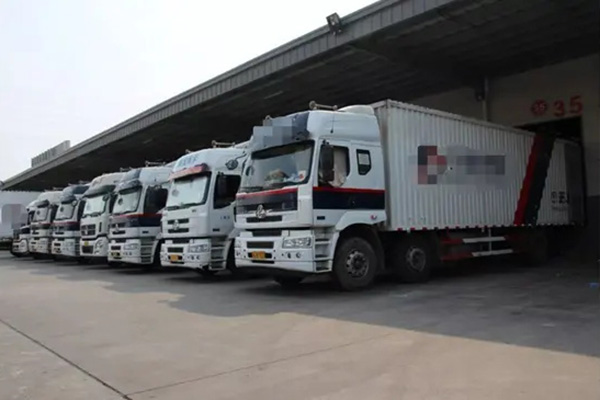 RFID Application in Platform Vehicle Management
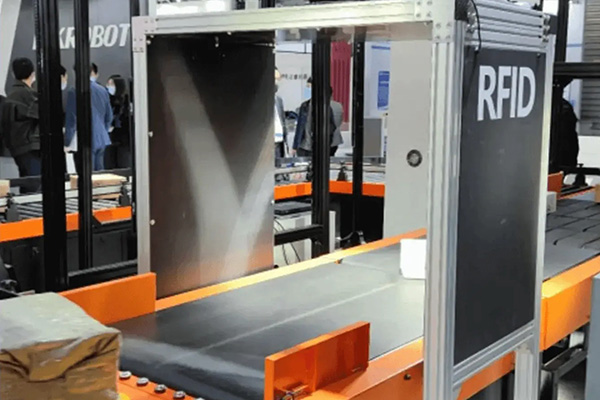 RFID Application in Logistics Sorting
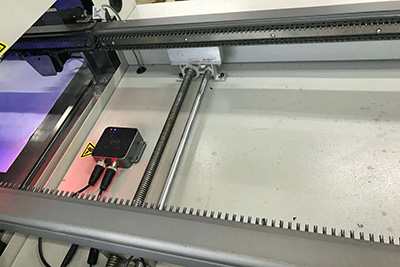 RFID Application in Supply Chain Management
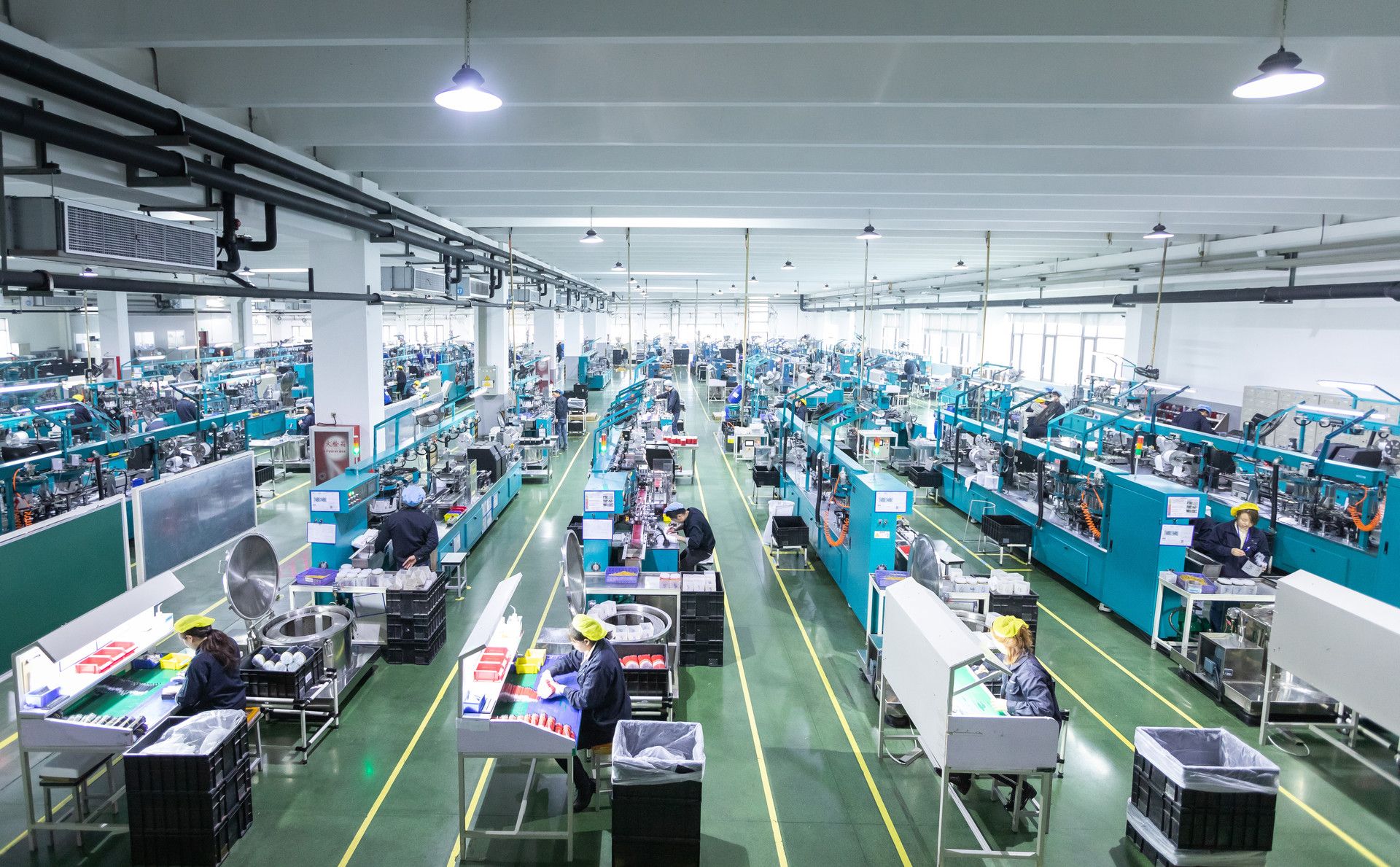 RFID Application for Workshop/Warehouse Tracking
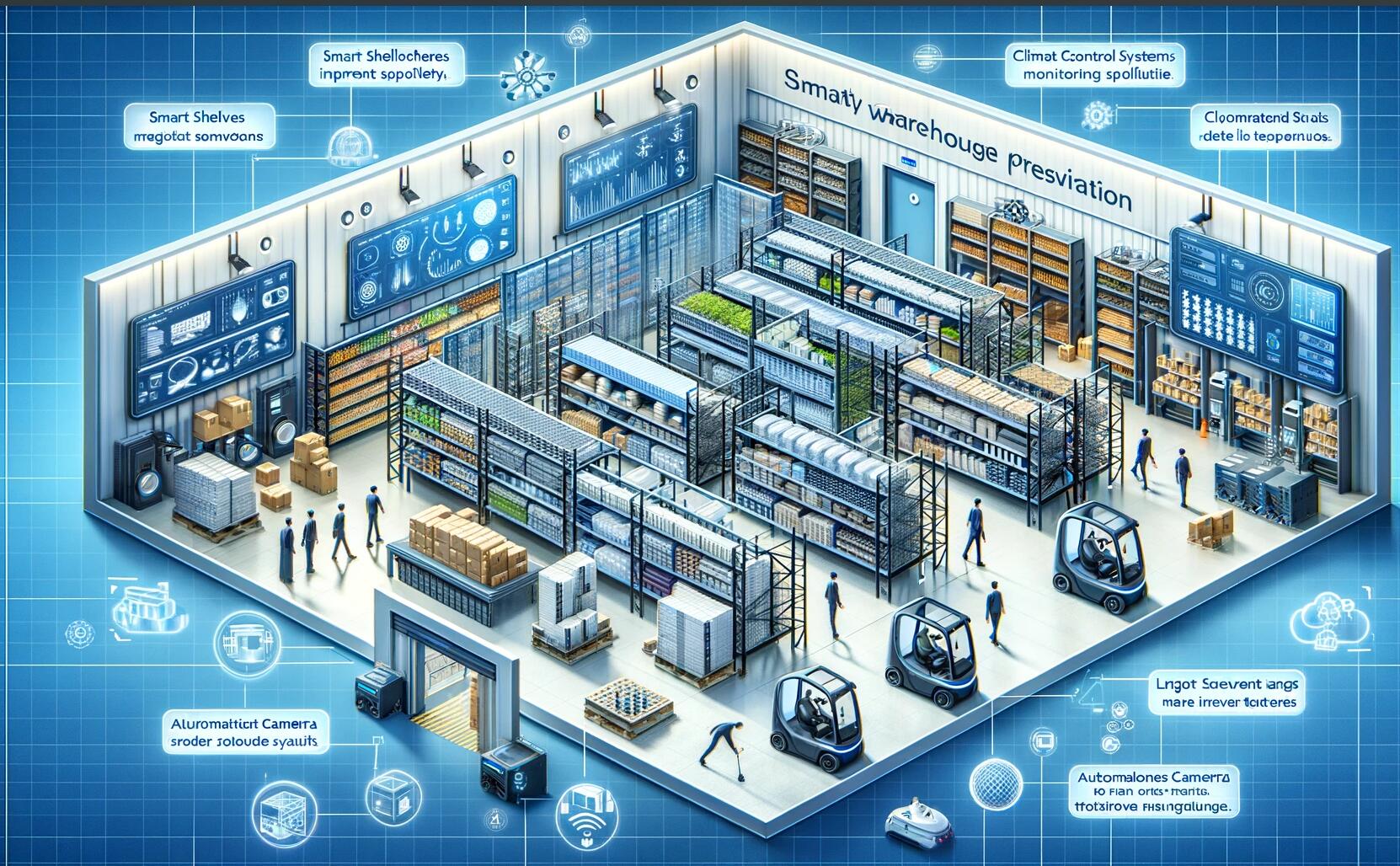 Smart Warehouse Monitoring and Management
 RFID technology empowers port containers: a new direction for future logistics
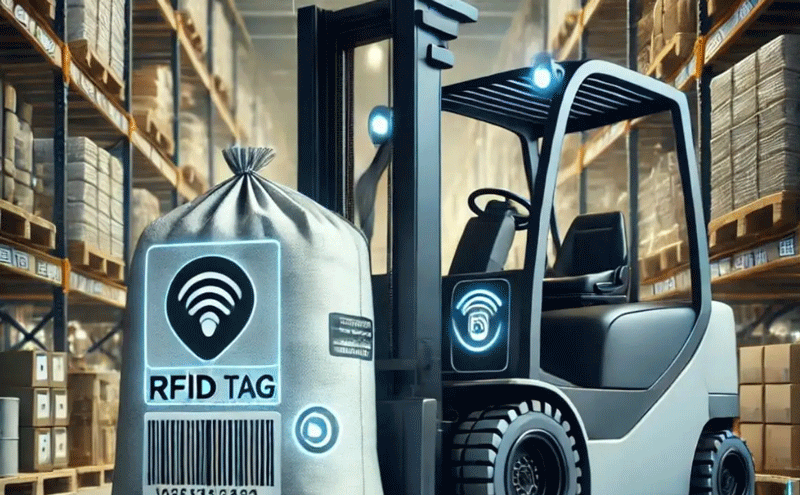 RFID technology in forklift tracking and container bag identification
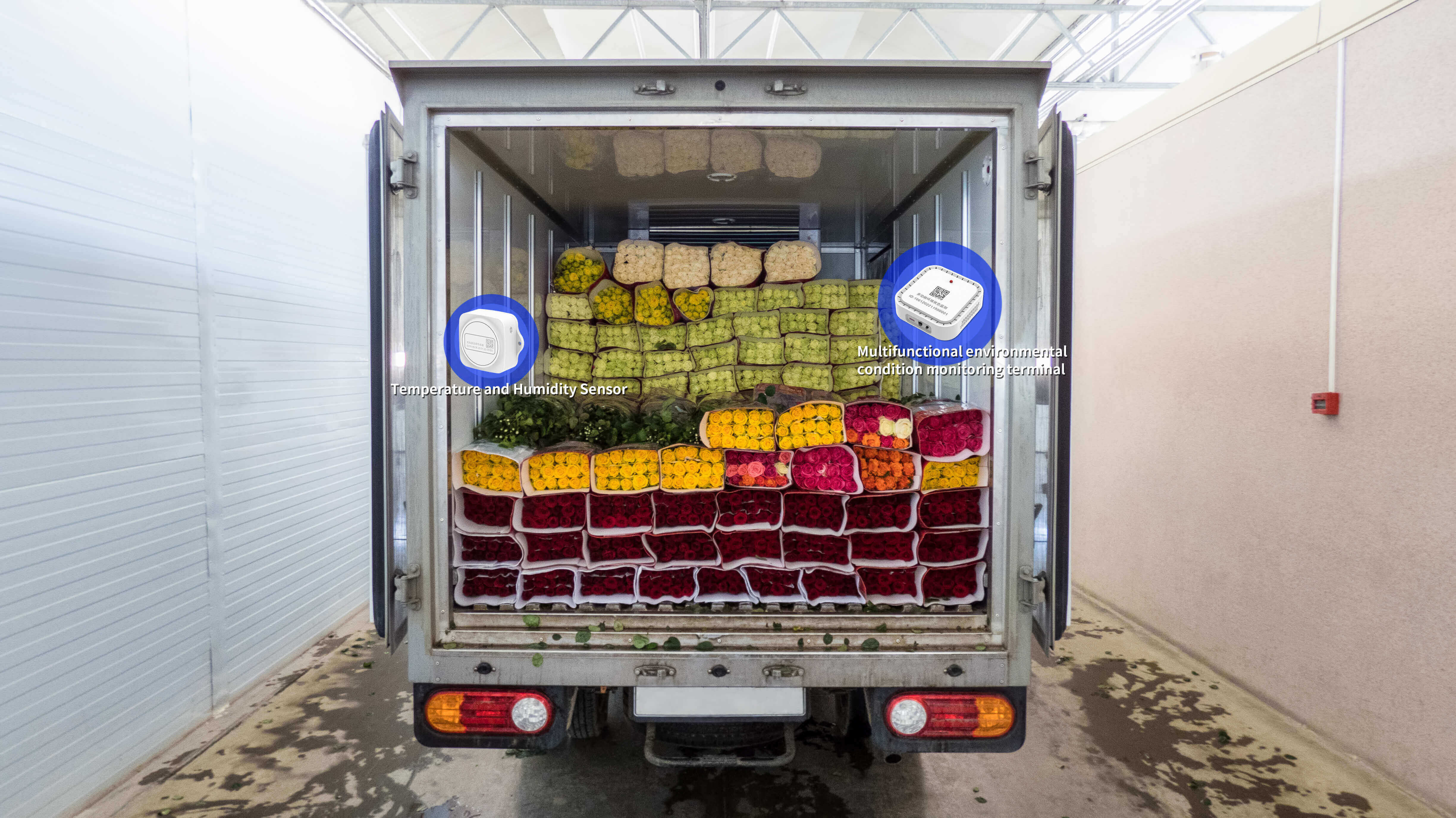 Real-Time Data, Secure Transportation: The Future Trends of Cold Chain Logistics
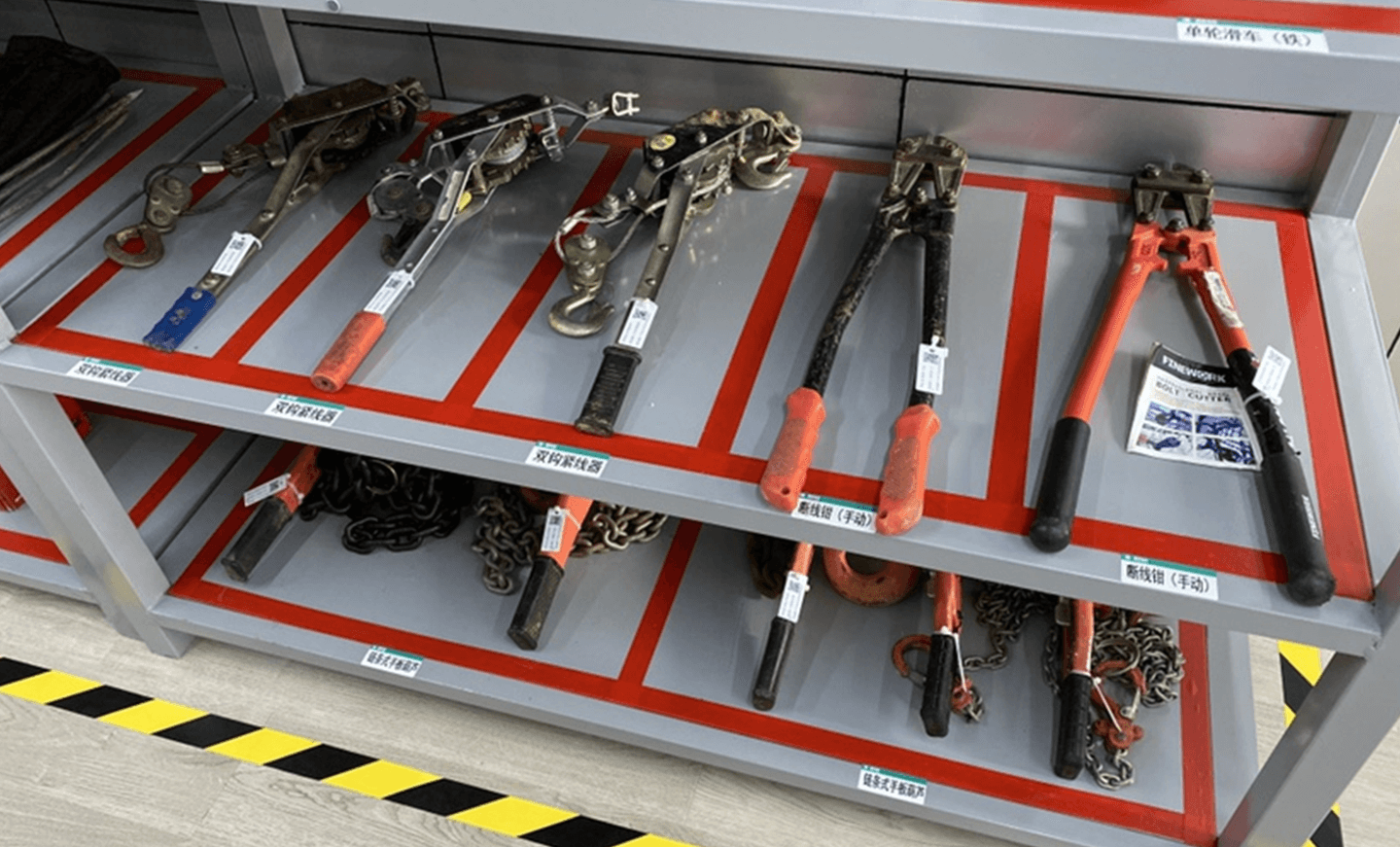 RFID Tool Management
 RFID Application in Battery Factory Production
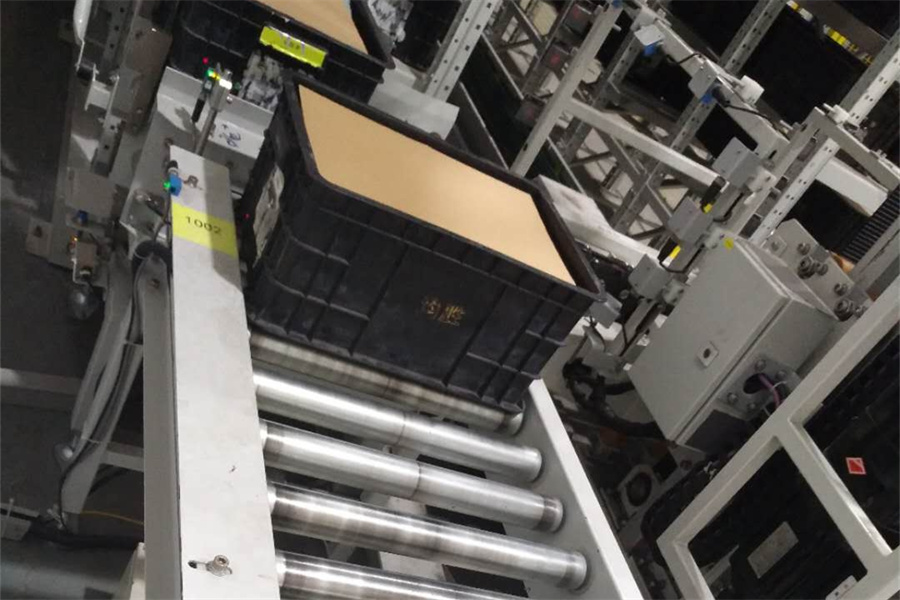 RFID Application in Production Line Rubber Box Management
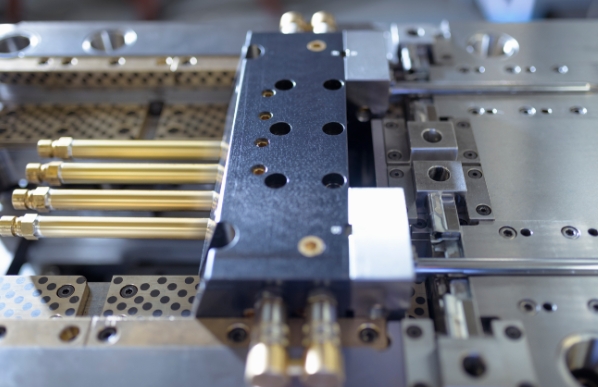 RFID Application in Mold Management on Production Lines
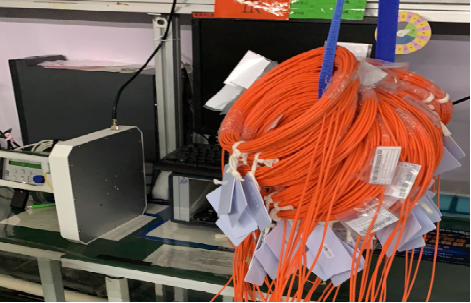 RFID Application in Fiber Optic Cable Manufacturing
 Smart Manufacturing
 The medical industry uses RFID technology to make drug tracking more accurate
 RFID technology helps beverage production and build an efficient supply chain
 RFID technology helps car seat production lines: intelligent management improves efficiency and quality
 RFID technology in the production of electronic appliances monitoring and tracing application
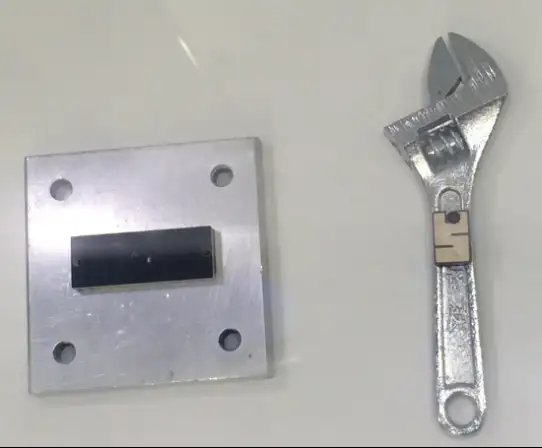 Use RFID technology to improve appliance management efficiency and security
 RFID technology helps precise installation of headrests
 IP67-protected Integrated RFID Reader Writer RFly-I165 for Supply Chain
 Long-range Distance UHF RFID Reader RFly-I195 for Inventory Management
 Small UHF RFID Tag Reader RFly-I300 for Cars
 Two-channel Compact Fixed RFID Reader RFly-F210 for Warehousing
 Four Channels Fixed UHF RFID Reader RFly-R6 for Supply Chain
 8-channel UHF RFID Tag Reader RFLY-MR8 for File Cabinet Identification-1
 Bluetooth Portable RFID Reader and Writer GRU-HBT100 for Inventory Management
 Industrial Grade Handheld UHF RFID Reader GRU-HC520 Suitable for Logistics
 RFID Gateway Networking System
 RFID Passive Temperature Measurement System
 RFID Tags for Container Turnover Management
 RFID Tags for Equipment O&M Management
 RFID Tags for Manufacturing Management
 RFID Tags for Tool Management
 A Kits for Equipment Condition Detection
 A Kits for Office Computer Room Environment Monitoring
 A Kits for Reservoir Environmental Monitoring
 A Kits for Storage Space Environment Monitoring
 A Kits for Stress Detection of Underground Tunnel
 A Kits for Urban Environment Monitoring
 Intelligent IoT Monitoring Platform
 Integrating Multiple Functional OTG Demo Software
 HF Demo Software
 UHF Demo Software