Leave Your Message
0%

Lately, there's been a real boom in demand for Bluetooth RFID readers across pretty much every industry you can think of. I read a report from MarketsandMarkets that predicts the global RFID market will hit around $40.4 billion by 2026—that’s some serious growth! Picking the right Bluetooth RFID reader can really make a difference in how smoothly your operations run and how productive your team can be.

John Smith, who’s pretty much an expert when it comes to RFID tech, stresses this point: “Getting a goodBluetooth Portable RFID Reader can help you streamline things and save money.” That’s a good reminder that you gotta understand what you actually need before making a choice. Things like read range, battery life, and whether it plays nice with your current systems are super important to consider.

A lot of folks tend to overlook the fact that support from the manufacturer matters in the long run. Something that works perfectly today might not fit your needs tomorrow. Spending a bit of time doing research can really pay off—you’ll end up with a device that's not just good now, but remains useful further down the line. So, when you're scoping out Bluetooth RFID readers, remember it’s all about finding a balance between tech specs and how well it actually fits into your daily operations.

How to Choose the Best Bluetooth RFID Reader for Your Needs?

Understanding Bluetooth RFID Readers: Key Features to Consider

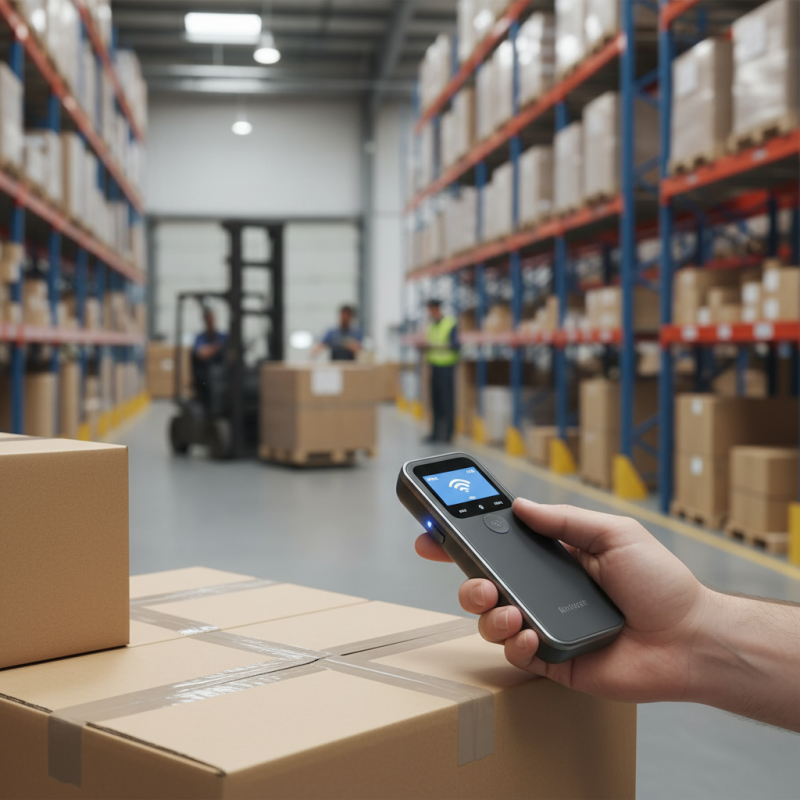
When selecting a Bluetooth Rfid Reader, it's essential to understand the key features that will best suit your use case. One crucial aspect is the read range. Different readers offer varying distances for effective scanning. If your application involves scanning items from a distance, prioritize models with longer read ranges. For close-range tasks, this feature might not be as critical.

Battery life is another vital consideration. Some Bluetooth RFID readers offer all-day usage, while others may need frequent recharging. Assess how often you'll be using the device and choose one that aligns with your operational needs. A quick battery swap can also be a huge advantage, reducing downtime.

Tips: Look for models with durable designs. Ruggedness can be beneficial in harsh environments, where equipment is more susceptible to damage. Also, investigate the device's compatibility with your existing systems. A good Bluetooth RFID reader should seamlessly integrate into your workflow, minimizing disruption during implementation. Remember, finding the best fit might take some time and reflection on specific requirements.

Assessing Compatibility: Ensuring the Reader Works with Your Devices

When selecting a Bluetooth RFID reader, compatibility with existing devices is critical. A reader that seamlessly integrates with your systems can enhance workflows and reduce errors. According to a recent industry report, 70% of businesses experience operational inefficiencies due to incompatibility. Understanding the specifications of your devices can help narrow down choices.

Check the communication protocols supported by your devices. Common protocols include ISO 14443 and ISO 15693. Ensure that the ODM Bluetooth Rfid Reader you choose supports these standards. This will facilitate smooth data exchange. It can be frustrating to invest in a device only to discover it doesn’t work with your software ecosystem. Compatibility issues can lead to expensive downtimes and reduced productivity.

Additionally, consider the range of the readers. Many Bluetooth RFID readers operate effectively within a distance of 10 meters. However, some models may have lower operational ranges. Research your environment's requirements to select the best option. Knowing your reading distance is vital for applications like inventory management. It is essential to test how well the device performs in real conditions. Aim for a balance between range and compatibility to optimize your operations.

Evaluating Read Range and Performance for Different Use Cases

How to Choose the Best Bluetooth RFID Reader for Your Needs?

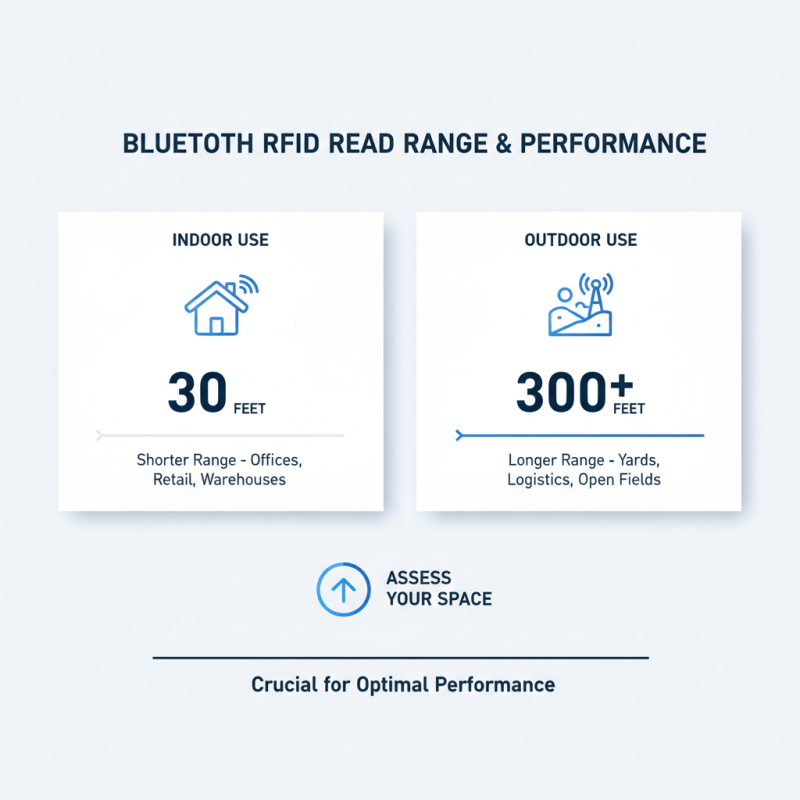
When selecting a Bluetooth RFID reader, understanding its read range is crucial. Different environments require various performance levels. For indoor use, a reader with a shorter range, usually around 30 feet, might suffice. However, for outdoor applications, a longer range, potentially exceeding 300 feet, is necessary. Assessing the space where the reader will be used is vital.

Consider specific use cases, like inventory management or access control. Each context has unique demands. For instance, a retail store may benefit from a reader that can scan multiple tags at once. In contrast, a warehouse might require a reader with the ability to pick up signals from items displayed on high shelves. It's essential to weigh these factors against the specifications offered by a Bluetooth Rfid Reader Exporter.

Don't overlook the performance in real-world scenarios. Testing the reader in actual conditions can reveal limitations, such as interference from obstacles. Users should remain flexible in their expectations, as every setup presents different challenges. Balancing the technical specs with practical performance feedback helps ensure you choose the best solution for your needs.

Battery Life and Charging Options: What to Look For

When choosing a Bluetooth RFID reader, battery life and charging options are crucial factors. A reliable reader should last through long workdays. Consider devices with at least 8 hours of battery life. Opt for rechargeable models that allow for easy and quick charging.

Battery type matters too. Lithium-ion batteries are common, providing a balance between weight and durability. Some readers offer external battery packs for extended use. This can be particularly useful for fieldwork or busy environments.

Tip: Look for a reader that indicates battery life clearly. This feature can prevent unexpected shutdowns. Check if the device supports fast charging. A feature like this minimizes downtime, keeping your operations smooth.

Another aspect to consider is how long it takes to recharge. Some users overlook this detail. A longer charging time can affect your workflow. Users might need multiple devices to avoid delays.

Selecting a Bluetooth RFID reader involves more than just the initial choice. Reflecting on battery performance and charging practicality is essential. Always weigh your own needs against available options.

Pricing and Budget Considerations for RFID Readers

When considering the purchase of a Bluetooth RFID reader, pricing is a significant factor. Prices can vary widely based on features and specifications. Basic models may start at a few hundred dollars. More advanced options can reach upwards of a thousand. Knowing your budget upfront can help narrow down your choices.

Additionally, consider the long-term costs associated with your purchase. Some devices require additional accessories or subscription services. Warranties and customer support can add to the total expense. It’s essential to evaluate the total cost of ownership, not just the sticker price.

In some cases, it may be wise to choose a less expensive model with essential features. This strategy allows for a trial before committing to a high-end product. However, investing more upfront can lead to better reliability and performance. The decision ultimately rests on your unique needs and financial situation.

Reading User Reviews and Expert Opinions for Insights

When choosing a Bluetooth RFID reader, user reviews and expert opinions can provide valuable insights. They reflect real-world experiences, helping you understand the product's strengths and weaknesses. Focus on comments about the reader's performance and durability. Also, examine feedback related to customer service. Understand which features are most important to your specific needs. This step can save you from potential regrets.

Tips: Look for reviews that mention battery life and connectivity stability. These factors are crucial for daily use. Users often highlight specific scenarios where the reader performed well or poorly. Pay attention to any recurring themes in the feedback. It may indicate a common issue or a standout feature.

Significantly, user reviews can reveal pricing trends. Many consumers share information about where to find the best deals. Researching the Bluetooth Rfid Reader Pricelist is essential to maximize your investment. Make a note of prices that seem too good to be true. Sometimes, they can signify quality compromises. Reflect on this as you collect information. Your findings will aid in making an informed decision.

Future-Proofing Your Purchase: Upgrade and Scalability Options

When investing in a Bluetooth RFID reader, consider the future-proofing aspects of your purchase. Upgrade options and scalability play a critical role. According to industry reports, 40% of businesses regret not considering potential upgrades before making a technology purchase. This oversight can lead to costly replacements later.

Look for versatile features that can adapt to changing needs. Many organizations find it beneficial to choose RFID readers that support multiple standards and frequencies. This flexibility can save you from repeated expenditures as technology evolves. Simplicity in integration with existing systems also matters. Reports indicate that seamless integration reduces downtime by up to 30%.

Tips: Always check for firmware updates from manufacturers. Regular updates can enhance performance and security. Also, assess your current and future data needs. Opt for systems that can scale with your operations without major overhauls. Not all readers can accommodate expansions without significant costs. Prioritize solutions designed for growth.

Harnessing Efficiency: The Benefits of the Industrial-grade High-frequency Integrated Reader GRH-I65 for Asset Tracking

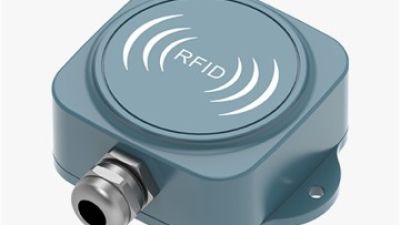
The Industrial-grade High-frequency Integrated Reader GRH-I65 stands out as a pivotal tool in the realm of Asset Tracking. Its sophisticated design not only promises efficiency but also seamlessly integrates into varied operational environments. One of the standout features of the GRH-I65 is its versatile communication support, which includes options such as TCP/IP, RS485, and RS232. This flexibility allows businesses to select the most appropriate communication method tailored to their specific asset tracking needs. As a result, organizations can enhance their operational capabilities and ensure that their systems work in harmony.

In today's dynamic marketplace, the ability to customize solutions is crucial. The GRH-I65 caters to this demand by offering both general-purpose functionalities and the ability to adapt to specialized requirements. This duality makes it an invaluable asset for companies looking to optimize their tracking processes while maintaining cost-effectiveness. With a commitment to high-quality products and responsive service, businesses are encouraged to reach out with inquiries and orders, ensuring they receive precise product information and swift quotations to support their asset tracking initiatives.

FAQS

: What should I consider when choosing a Bluetooth RFID reader?

: Focus on read range, battery life, and durability. These are essential for effective usage.

Why is read range important?

Longer read ranges are vital for scanning items from a distance. For close tasks, it's less critical.

How does battery life affect usage?

Devices with longer battery life reduce downtime. Quick battery swaps are also beneficial for continuous use.

What role does device durability play?

A robust design is crucial in harsh environments. It prevents equipment damage.

How can I ensure compatibility with existing systems?

Research devices that integrate smoothly into your workflow. Test to minimize disruptions.

What should I budget for a Bluetooth RFID reader?

Prices vary widely. Starting models can cost a few hundred dollars; advanced ones may exceed a thousand.

Are there hidden costs to consider?

Yes, think about accessories and subscriptions impacting total ownership costs. Warranties can add to expenses.

Is it better to choose an expensive model?

Investing more may lead to better performance. But trialing cheaper models first can inform decisions.

How long should I reflect before purchasing?

Take your time to evaluate specific needs. Rushed decisions might lead to regrets.

What is a good strategy for purchasing?

Balance cost with essential features. Consider long-term reliability versus initial price.

Conclusion

When selecting a Bluetooth RFID Reader, it's essential to understand its key features and how they align with your specific needs. Factors such as compatibility with your devices, read range, and performance for different applications play a crucial role in ensuring you make the right choice. Additionally, considering battery life and charging options will impact usability, while pricing should align with your budget.

Moreover, reading user reviews and expert opinions can provide valuable insights into the functionality and reliability of different models. As technology evolves, it’s wise to think about future-proofing your purchase by looking at upgrade and scalability options. Ultimately, a thoughtful assessment of these elements will help you choose the best Bluetooth RFID Reader for your requirements.

Ethan

Ethan

Ethan is a dedicated marketing professional at Shenzhen Jinruiming Technology Co., Ltd., where he plays a pivotal role in shaping the company's online presence. With a deep understanding of the company's cutting-edge products, Ethan frequently updates the professional blog on the company website,......
Previous How to Buy OEM Rfid Reader Antenna Quotes Effectively?