Leave Your Message
0%

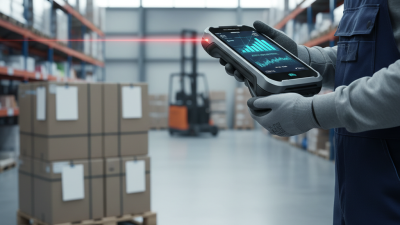
In today's super busy business world, picking the right Uhf Rfid Handheld Readercan make a real difference when it comes to getting things done accurately and efficiently. As John Smith, a well-known expert in RFID tech and boss of RFID Innovations, puts it, "Choosing the right handheld reader is key to keeping things running smoothly." Honestly, this choice really shouldn’t be taken lightly — a good device can help you keep better track of your inventory, make your processes smoother, and cut down on mistakes humans tend to make.

When you're looking at different uhf rfid handheld readers, it’s worth thinking about what features truly matter for you. Things like battery life, how far it can read, and how tough it is — those little details can make a big difference. Going for the right one can boost your productivity and help you collect better data. But yeah, it’s super easy to overlook these things when you’re caught up in the decision-making chaos. I’ve seen plenty of businesses end up unhappy with their purchase after investing the time and money.

So, it’s definitely worth taking a moment to think about what you really need. The perfect UHF RFID handheld should fit right into your daily operations without any awkwardness. More than just handling today’s needs, it should also be ready for whatever tomorrow throws at you. Taking this proactive approach can help you make smarter choices and enjoy some long-term wins.

How to Choose the Best Uhf Rfid Handheld Reader for Your Needs?

Understanding UHF RFID Handheld Readers and Their Applications

UHF RFID handheld readers play a crucial role in various industries. They offer efficient inventory management and enhance operational visibility. Studies indicate that about 85% of companies adopting RFID technology report improved accuracy in stock taking. This accuracy reduces the time spent on manual counting and enables better resource allocation.

In retail, UHF RFID handheld readers streamline the supply chain process. They help track products in real-time, which minimizes the risk of stockouts. A report from RFID Journal highlights that using such devices can cut labor costs by 30-50%. In logistics, these readers assist in tracking shipments effectively. However, the technology is not infallible. Signal interference can occur in dense environments, which sometimes leads to misreads.

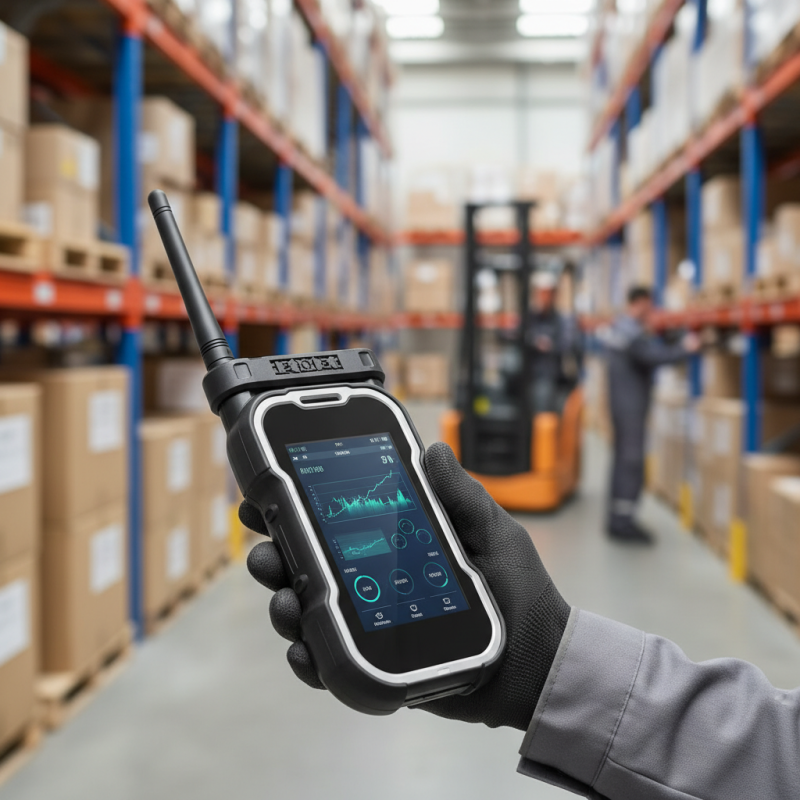
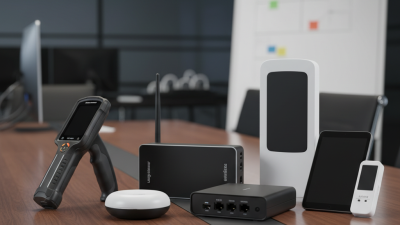
When selecting a UHF RFID handheld reader, consider battery life and read range. Many devices offer a read range of up to 30 feet. Some readers also feature ergonomic designs, enhancing usability. However, choosing the right model involves assessing the specific needs of your operations. While the market includes product lines that are often referred to as "Famous Uhf Rfid Handheld Readers," it's essential to evaluate their suitability for your tasks. Different applications may require varying specifications to ensure optimal performance.

Key Features to Consider When Choosing a UHF RFID Handheld Reader

When choosing a UHF RFID handheld reader, several key features can significantly impact your experience. Battery life is essential. A unit that lasts longer reduces downtime during operations. Look for readers that offer at least eight hours of continuous use to remain productive throughout your workday.

Another important factor is read range. Some tasks require scanning items from a distance. Ensure the reader you select can read tags effectively at various distances. Testing the reader in real situations can highlight its strengths and weaknesses.

Tips: Prioritize lightweight designs for comfort. An ergonomic reader can enhance prolonged usage without causing fatigue. Evaluate the software compatibility as well. A device that integrates smoothly with your existing systems will save time and resources.

Field durability cannot be overlooked. Look for readers that are rugged and can withstand drops or exposure to Water.Field tests can reveal much about a reader's reliability. How well does it stand up to real-world challenges? Reflection on these aspects can help you make a more informed choice.

Evaluating Range and Sensitivity in UHF RFID Handheld Readers

How to Choose the Best Uhf Rfid Handheld Reader for Your Needs?

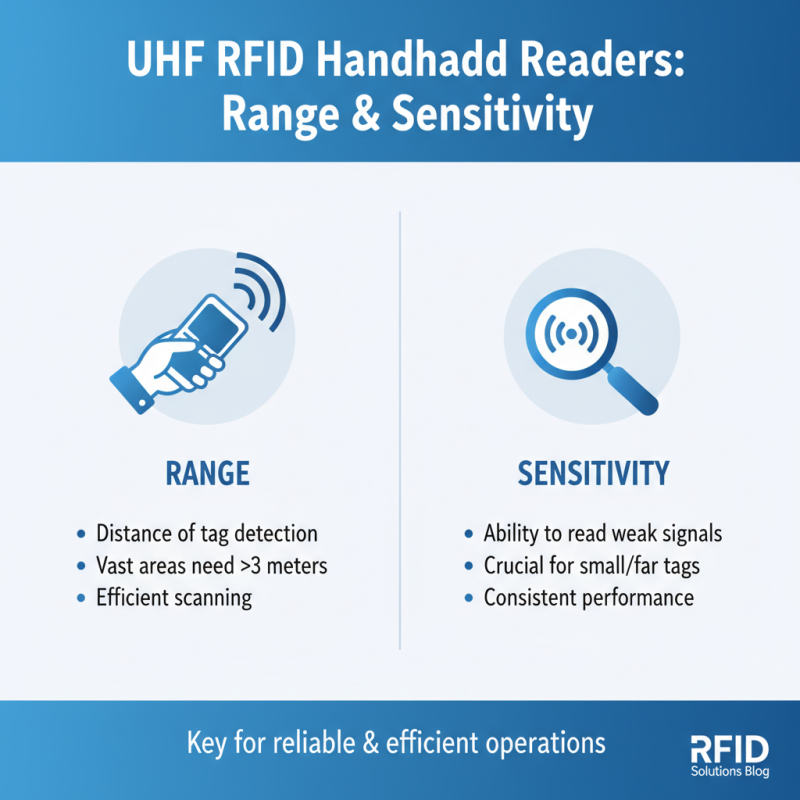
When evaluating UHF RFID handheld readers, range and sensitivity are crucial factors. A reader's range determines how far it can accurately detect tags. If your operation covers a vast area, prioritize higher range capabilities. Look for devices that ensure efficient scanning from distances of several meters.

Sensitivity also impacts performance. A sensitive reader can identify tags even in cluttered environments. This is particularly important in warehouses or retail spaces. Consider your typical usage scenarios. Do you often scan items in bulk or require precision? The balance of range and sensitivity will directly affect your workflow efficiency.

Tips: Always test a reader in real-life conditions. Field testing helps identify any limitations. Consider your environment’s unique challenges, such as interference and obstacles. Opt for a High-Quality Uhf Rfid Handheld Reader that meets these needs. Review specifications but remember that hands-on experience is invaluable. A reader might look good on paper but underperform in practice.

Battery Life and Power Options for UHF RFID Handheld Readers

When selecting a UHF RFID handheld reader, battery life is crucial. Many models provide varying battery capacities, impacting usage duration. Research indicates that a device with a battery life of over 12 hours can significantly enhance operational efficiency. For instance, readers with a battery capacity of 4000mAh or more are often preferred in industries such as logistics and retail. Users typically report that a longer-lasting battery minimizes downtime and boosts workflow.

Power options for UHF RFID handheld readers also warrant attention. Some devices offer replaceable batteries, while others are equipped with built-in, rechargeable batteries. The advantage of replaceable batteries lies in their ease of swap, allowing continuous operation. Conversely, built-in batteries may reduce operational interruptions but require charging cycles. A recent industry report shows that over 40% of users prioritize replaceable batteries for enhanced convenience.

In the context of the "China Uhf Rfid Handheld Reader" market, these considerations are especially relevant. Devices designed for durability under demanding conditions often incorporate superior power management systems. Users must consider their specific needs—do they prioritize longevity or ease of use? Finding the right balance can be challenging and necessitates careful assessment of available options.

Compatibility with Existing RFID Systems and Software

When selecting a UHF RFID handheld reader, compatibility is vital. Many systems use different protocols and frequencies. Ensuring your new reader works well with existing hardware and software is crucial for seamless operation. Test it in your environment before making a decision. This way, you avoid limitations and costly adjustments.

Consider the software that integrates with your current RFID system. Not all readers support every software application. Look for specific capabilities and features that match your needs. Research frequently asked questions and user testimonials about these solutions. This knowledge helps refine your options.

Tips: Always check firmware updates available for your chosen reader. Compatibility issues often arise from outdated software. Additionally, evaluate readings in various conditions—alterations in the environment may affect performance. A Cheap Uhf Rfid Handheld Reader may seem appealing, but verify its integration first. This ensures that your investment is worthwhile.

Budget Considerations for UHF RFID Handheld Readers

When selecting a UHF RFID handheld reader, budget plays a crucial role. The market for RFID technology is projected to grow. A recent report estimates it will reach $12.4 billion by 2027. This growing demand impacts pricing for handheld readers. You might find options ranging from $300 to $2,000 based on features and capabilities.

Understanding your budget helps narrow down choices. Basic models may suffice for simple tasks like inventory management. On the other hand, advanced models with a longer read range and enhanced data processing will cost more. If your operations require detailed tracking, investing in a high-end reader could be wise. Yet, you must weigh these benefits against your budget constraints.

Many manufacturers emphasize that cheaper models may lack durability or accuracy. This can lead to costly errors in tracking. Investing in quality may save money over time. A thorough analysis of total costs, including maintenance and potential errors, is essential. Balancing cost with performance is vital for long-term satisfaction. Sometimes, a compromise on certain features might be necessary. This reflects the continuous need for reassessment in an evolving technology landscape.

User Reviews and Brand Reputation in the UHF RFID Market

In the UHF RFID market, user reviews play a crucial role in shaping brand reputation. Many companies rely on customer feedback to improve their products. A recent study indicated that products with positive ratings are 80% more likely to be chosen by new buyers. This emphasizes the importance of real user experiences in decision-making.

Brand reputation also stems from consistent performance. Over 70% of users expect reliability and accuracy from their UHF RFID handheld readers. Brands with a strong history of success foster trust among customers. Regularly updated technology and customer service responsiveness are significant factors that influence buyer preferences. However, not all brands meet these expectations. Some consumers report frustrations with device compatibility and poor battery life.

It’s equally important to consider common drawbacks mentioned in reviews. Customers often voice concerns about high costs and learning curves associated with sophisticated readers. Acknowledging these issues can lead brands to refine their offerings. Continuous improvement based on user feedback is vital in maintaining a competitive edge in this ever-evolving market. Building trust through transparency will ensure long-term success.

UHF RFID Handheld Reader User Ratings

This chart displays user ratings for various important features of UHF RFID handheld readers. The ratings are based on a scale from 1 to 5, where higher values indicate better performance. Key factors considered include battery life, ease of use, scanning speed, weight, and durability.

Optimizing Container Turnover Management with RFID Tag Solutions for Improved Efficiency and Traceability

Optimizing container turnover management is essential for organizations striving for improved efficiency and traceability in supply chain operations. The implementation of RFID tag solutions plays a pivotal role in this process. According to industry reports, companies using RFID technology can experience a significant reduction in labor costs, with estimates suggesting up to a 30% decrease in time spent on inventory management tasks. This shift not only streamlines operations but also enhances accuracy, ensuring that containers are tracked efficiently throughout their cycles.

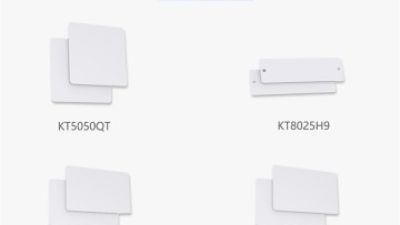
The container turnover tag solutions available today include two main types: rugged tags and card tags. Rugged tags are built to withstand harsh environments, making them ideal for outdoor use or in settings with potential for exposure to damage. On the other hand, card tags offer versatility and ease of application in various scenarios. These solutions facilitate the visual tracking of container cycles, enabling organizations to maintain real-time visibility into their inventory and turnover processes.

By investing in high-quality, cost-effective RFID tagging solutions, businesses can better manage container turnover, mitigate losses, and improve the overall speed of their operations. With a commitment to customer service, companies can receive tailored solutions designed to meet their specific needs. Prompt responses to inquiries and detailed product quotations further illustrate the dedication to enhancing efficiency in container management processes.

FAQS

: What are UHF RFID handheld readers used for?

: They are used for inventory management and operational visibility in various industries.

How do these readers improve inventory accuracy?

Studies show that 85% of companies using RFID report improved accuracy, reducing manual counting time.

What benefits do they offer in retail?

They streamline supply chains and track products in real-time, reducing stockout risks.

Can you name a cost benefit of using UHF RFID handheld readers?

Using these devices can cut labor costs by 30-50%.

Are there any limitations to UHF RFID technology?

Yes, signal interference can occur in dense environments, leading to misreads.

What should be considered when choosing a reader?

Battery life and read range are crucial factors, alongside specific operational needs.

How does user feedback affect brand reputation?

User reviews significantly shape brand reputation and influence buying decisions.

What issues do customers often report?

Concerns include high costs, learning curves, and device compatibility challenges.

Why is continuous improvement important for brands?

It helps maintain a competitive edge and is vital for responding to user feedback.

How can brands build trust with customers?

By being transparent and ensuring reliable performance, brands can foster long-term trust.

Conclusion

When selecting the best UHF RFID handheld reader for your needs, it's essential to understand its various applications and key features. Consider factors such as range and sensitivity, as these can significantly impact performance in different environments. Additionally, evaluating battery life and power options is crucial to ensure reliability during use.

Compatibility with existing RFID systems and software should also be a priority, as this will affect integration and overall efficiency. Budget considerations are vital, as prices can vary widely; therefore, determining the right balance between cost and functionality is essential. Lastly, user reviews and brand reputation provide valuable insight into the performance and reliability of UHF RFID handheld readers, helping you make an informed decision for your specific requirements.

Ethan

Ethan

Ethan is a dedicated marketing professional at Shenzhen Jinruiming Technology Co., Ltd., where he plays a pivotal role in shaping the company's online presence. With a deep understanding of the company's cutting-edge products, Ethan frequently updates the professional blog on the company website,......
Previous 2026 Best UHF RFID Tag Reader for Global Buyers?