Hey, have you noticed how the need for reliable Rfid Inventory Tracking Systems is just skyrocketing around the world? It’s pretty interesting—according to a report by Smithers Pira, the RFID market is expected to hit around $13 billion by 2025. That’s a huge leap, and it really shows how companies across different industries are shifting their inventory management game. More and more, big players are realizing just how much value an RFID system can add when it comes to keeping track of stuff accurately.
Dr. Emily Carter, a well-respected expert in inventory tech, puts it simply: “Companies that adopt RFID systems tend to see pretty big improvements in how accurately they track things and how smoothly their operations run.” It lines up with research showing RFID can cut down inventory mistakes by as much as 30%. But, let’s be honest—rolling out these systems isn’t always smooth sailing. Lots of businesses still find it tricky to get these systems to work seamlessly with what they already have in place.
Picking the right supplier is really key. Many of China’s RFID offerings are often on the cutting edge when it comes to innovation and might be easier on the wallet. But, you’ve got to be smart about it—make sure the vendor really knows what they’re doing and that their solutions match what your business needs. A good RFID system can totally change the way a business runs, but not every solution will deliver on the hype. Taking the time to evaluate your options carefully can make a huge difference and help you really get the most out of this powerful tech.

Overview of RFID Technology in Inventory Management
RFID technology has transformed inventory management across various industries. It enhances tracking systems by providing real-time data on stock levels. With RFID, businesses can monitor inventory movement with precision. This technology utilizes radio waves, allowing automatic data capture without scanning barcodes. The efficiency seen is significant, reducing labor costs associated with manual tracking.
Yet, the implementation of an Rfid Inventory Tracking System is not without challenges. Companies must evaluate the costs of tags, readers, and software integration. Employee training is also critical for a smooth transition. A misstep in any of these areas may lead to ineffective use of the system. Adopting RFID technology requires thorough planning to avoid potential pitfalls.
Reliabilityis a key factor in choosing inventory tracking methods. Users must understand their specific needs to tailor the Rfid Solution accordingly. Successful integration enhances visibility in supply chains, but it demands ongoing assessment. Continuous evaluation helps to address the system's limitations and improve overall performance. Proper execution can yield significant benefits, making it avital tool in modern inventory management.
Advantages of RFID Inventory Systems for Global Buyers
RFID inventory systems offer significant advantages for global buyers. These systems streamline the tracking of products through automated processes. According to recent data, companies implementing RFID technology can reduce inventory errors by up to 30%. This is crucial for businesses operating across multiple regions. Accurate tracking leads to informed decision-making, minimizing stock outages and overstock situations.
Additionally, Rfid Inventory Tracking System Products enhance operational efficiency. By reducing manual labor and time spent on inventory checks, companies can focus on core activities. Reports show that businesses can save 25% in labor costs by adopting RFID solutions. This efficiency translates into better customer service, an essential factor in today’s competitive market. However, integrating RFID technology may come with challenges, such as initial setup costs.
Moreover, data integrity plays a vital role in the success of RFID systems. Ensuring accurate data capture can be complex. Inconsistent data entry can lead to misinformation, affecting supply chain dynamics. Companies need to implement training programs for staff. Proper training helps in maximizing the benefits of RFID systems while minimizing potential errors. The road to successful implementation requires continuous evaluation and adjustment.
Key Features to Look for in RFID Inventory Tracking Solutions
In today's fast-paced supply chain environment, RFID inventory tracking systems are revolutionizing how businesses operate. One crucial feature to evaluate is the read range. An effective RFID system should efficiently read tags from several meters away. This capability can significantly reduce the time spent on inventory checks. According to a study by the Aberdeen Group, businesses can improve stock accuracy by up to 99% with proper RFID implementations.
Another essential aspect is real-time data tracking. Real-time updates allow companies to monitor inventory levels dynamically. A report from AIM suggests that organizations using RFID can reduce inventory shrinkage by approximately 25%. This degree of precision is vital for reducing losses and improving customer satisfaction. However, integrating real-time capabilities requires careful planning and investment.
Data security is also paramount when selecting RFID solutions. As companies gather vast amounts of data, the potential for breaches increases. Experts recommend prioritizing systems with strong encryption and user access controls. While many vendors claim their systems are secure, it is vital to assess the efficacy of these claims critically. Failing to do so may expose organizations to significant risks. The evolving landscape of technology makes it imperative for businesses to stay vigilant and adapt continually.
Top Chinese RFID Inventory Tracking Providers
As the demand for efficient inventory management grows, the role of RFID technology is becoming increasingly critical. China has emerged as a leading hub for high-quality RFID inventory tracking systems. A recent report indicates that the global RFID market is projected to exceed $14 billion by 2027, driven by the growing need for effective supply chain solutions. The effectiveness of these systems in enhancing visibility and accuracy cannot be overstated, especially for global buyers seeking reliable partners.
Top Chinese providers of RFID inventory tracking solutions have made significant strides in technology and innovation. These companies often showcase their expertise in sectors like logistics, retail, and manufacturing. In a survey by industry analysts, it was revealed that nearly 75% of businesses using RFID systems reported improved inventory accuracy. This statistic highlights the essential role that a partnership with an experienced Rfid Inventory Tracking System Factory can play in a company’s supply chain efficiency.
However, despite the advancements, challenges remain. There are instances where systems may underperform if not integrated properly with existing infrastructure. Additionally, the rapid pace of technological changes can make it difficult for some companies to keep up. Buyers must conduct thorough evaluations of providers to ensure compatibility and effective implementation. Balancing innovation with practical execution continues to be a critical consideration for businesses exploring RFID solutions.
Comparison of Chinese RFID Solutions with Global Competitors
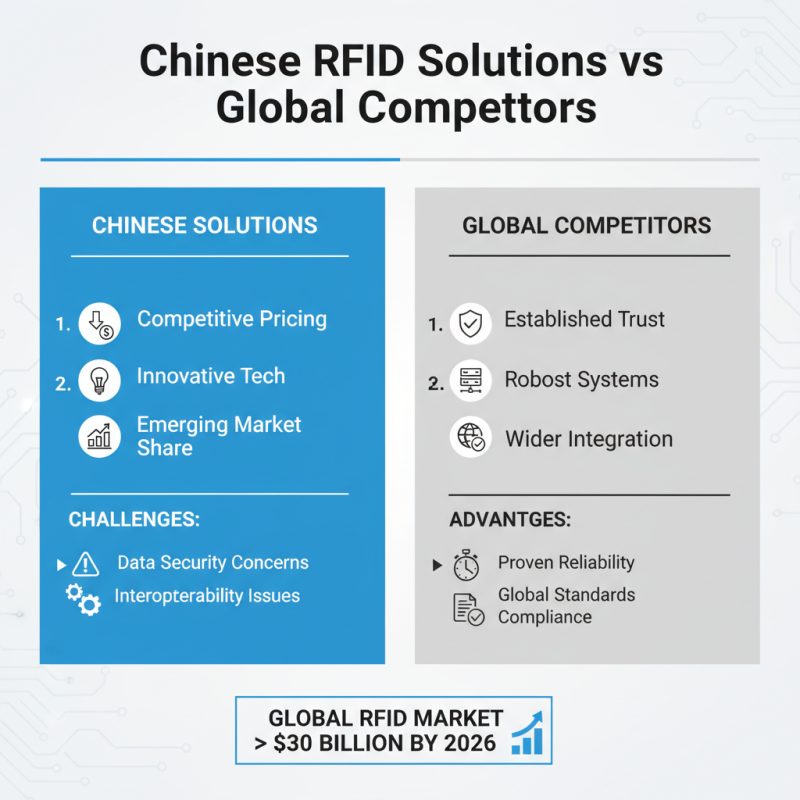
The demand for efficient inventory tracking has surged, especially in the retail and logistics sectors. Reports indicate that the global RFID market is expected to reach $30 billion by 2026. Chinese companies are quickly emerging as key players, offering competitive pricing and innovative solutions. However, these advantages come with challenges, including concerns about data security and interoperability with existing systems.
Chinese RFID systems often boast features like real-time tracking and integration with IoT technologies. These features can streamline operations, as evidenced by a report from a leading industry analyst highlighting a 30% reduction in operation costs for companies adopting RFID. Despite these advancements, the challenge lies in the consistency of product quality across different manufacturers. Buyers face difficulties when selecting reliable partners who can provide ongoing support and upgrades.
In contrast, Western RFID systems often emphasize robustness and extensive customer support. However, they tend to come at a higher cost, which may not be feasible for all businesses. This creates a complex landscape for global buyers. A recent survey revealed that nearly 45% of companies consider budget constraints as a primary factor when choosing an RFID solution. The competition between Chinese and global suppliers continues to evolve, highlighting the need for strategic decision-making among buyers.
Case Studies of Successful RFID Implementation in China
In recent years, RFID technology has transformed inventory tracking systems in various sectors across China. Companies have reported significant improvements in efficiency and accuracy. For instance, a leading retail chain successfully implemented RFID tags to manage its stock levels. This shift led to a 30% reduction in out-of-stock items. The use of RFID allowed instant inventory updates and minimized human error.
Another example can be found in the logistics sector. A warehouse utilized RFID to streamline its operations. By equipping pallets with RFID tags, staff could quickly locate items. However, the transition was not without its challenges. Staff needed training to adapt to new devices and systems. Some employees initially struggled with the technology, highlighting the importance of ongoing education.
Despite these obstacles, the overall benefits of RFID tracking are clear. Companies have gained better visibility into their inventory, which enhances decision-making. The technology also promotes customer satisfaction by ensuring product availability. Continued investment in training and support is crucial for other businesses considering RFID solutions. This proactive approach can help avoid pitfalls while maximizing the advantages RFID offers.
Future Trends in RFID Technology for Inventory Management
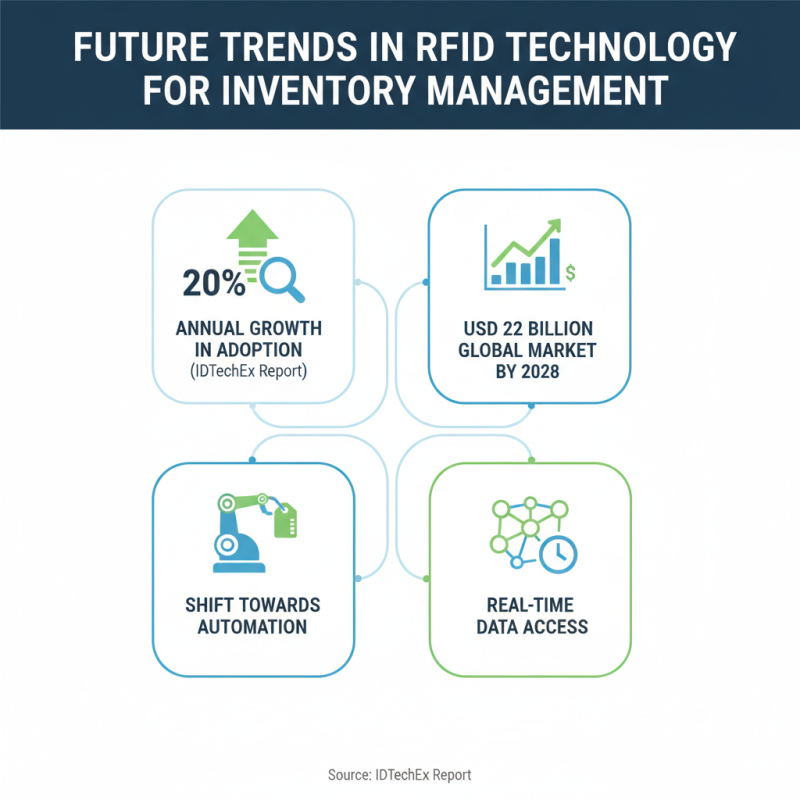
RFID technology is reshaping inventory management. A report by IDTechEx predicts RFID adoption will grow by 20% annually. This increase indicates that companies are recognizing the value of efficient tracking systems. By 2028, the global RFID market is expected to reach USD 22 billion. This growth reflects a shift toward automation and real-time data access.
The integration of RFID inventory tracking systems is paving the way for smarter logistics. This technology not only minimizes human error but also accelerates inventory processes. Companies can now track items in real-time, enhancing accuracy. However, many organizations still struggle with proper implementation. Issues like interoperability and initial costs can hinder effectiveness.
Tip: Invest in training staff on the Rfid Inventory Tracking System Product functionality. This can mitigate challenges during the transition phase. Additionally, consider starting small. Pilot projects allow for testing in a controlled environment, minimizing risk. As the technology progresses, analytics and artificial intelligence will play a role in improving inventory accuracy. Adaptation is key to staying competitive in a rapidly evolving market.
Effective Card Management: Enhancing Efficiency with the USB Compact Desktop RFID Scanner GRU-D100
In today's fast-paced business environment, effective card management has become essential for enhancing operational efficiency. The USB Compact Desktop RFID Scanner is designed to streamline card reading processes, making it an indispensable tool for various applications. With its compact design, the scanner can fit seamlessly into any workspace, while its USB interface supports plug-and-play functionality. This means that users can connect the device directly to a USB port, eliminating the hassle of installing additional drivers or navigating complex setup procedures.
This user-friendly feature enables quick deployment, allowing businesses to integrate the scanner into their existing workflows with minimal disruption. Whether for access control, payment processing, or membership management, the versatility of the RFID scanner caters to a diverse range of needs. Moreover, the commitment to providing high-quality and cost-effective solutions ensures that organizations can find tailored support to meet their specific requirements. By choosing an effective card management solution, users can enhance efficiency, improve accuracy, and ultimately drive better outcomes for their operations.
FAQS
: RFID technology uses radio waves to automate data capture without scanning barcodes.
It provides real-time data, tracks stock levels, and reduces manual tracking labor costs significantly.
Companies face costs for tags, readers, and software, along with the need for employee training.
Proper training maximizes the benefits and minimizes errors during system integration.
Implementing RFID can reduce inventory errors by up to 30%, improving decision-making and stock management.
Adoption is expected to grow by 20% annually, increasing efficiency and real-time tracking in logistics.
Inaccurate data can lead to misinformation, impacting overall supply chain dynamics and efficiency.
Starting with pilot projects helps test systems in controlled environments, reducing potential issues.
Businesses can save up to 25% in labor costs, allowing for a focus on core activities.
Continuous evaluation is necessary to address limitations and improve overall system performance.
Conclusion
In recent years, the adoption of RFID inventory tracking systems has revolutionized inventory management for global buyers. This technology offers numerous advantages, including improved accuracy, enhanced visibility, and significant time savings. By streamlining processes, RFID systems enable businesses to optimize their inventory levels, reduce losses, and enhance overall operational efficiency.
When considering a RFID inventory tracking solution, key features such as real-time data access, ease of integration, and robust security measures are essential. Numerous Chinese providers have emerged as leaders in this field, offering competitive solutions that rival global offerings. Case studies highlight the successful implementation of RFID systems across various industries in China, demonstrating their effectiveness. As the technology continues to evolve, future trends indicate that RFID will play a pivotal role in the future of inventory management, further benefiting global supply chains.

 Rotary HF RFID Tag Reader GRH-I40 Suitable for Assembly Lines
 Industrial-grade High-frequency Integrated Reader GRH-I65 Suitable for Asset Tracking
 With ESD Protection HF RFID Reader GRH-I68 Suitable for Progress Tracking
 Proximity HF RFID Reader GRH-M30 Suitable for Manufacturing Workshops
 Desktop HF RFID Scanner GRH-D80-HID Suitable for Card-issuing Applications
 High Frequency Medium Distance Reader GRH-I90 Suitable for Logistics Production Line
 UHF RFID Portals and Tunnel Machine RFly-AM3000 for Access Control
 Narrow RFID Portals Series TD-P20040-SS for Single Tag Entry and Exit Identification Scenario
 RFID Transmission Line Simple Identification Tunnel Machine (TD-T3050)
 Vision and RFID Tunnel Machine TD-T7692-RV for Logistics Sorting
 RFID Transmission Line Identification Tunnel Machine TD-T10090
 RFID Mobile Inventory Tunnel Machine TD-T65150 for Conveyor Belts
 High-Performance Far-Field Antennas for Broad Coverage.
 Multi-Purpose Antennas: Flexibility for Diverse Applications
 Near-Field Antennas for Short-Distance Tag Detection.
 Portals & Tunnel Antennas for Integrated RFID Series
 Slimline PCB Antennas for Warehousing and Logistics
 Miniaturized and Thin Antennas can Provide Good Performance in a Smaller Size.
 GPS Tracker for Vehicles, Car, Kids, Assets.
 CO2 Sensors Detect CO2 Gas through Alarms, Suitable for Offices, Planting Tents.
 Door Sensor, Detect Open and Closed Doors or Windows, Sends Alerts, Triggers Siren.
 Wireless Level Sensor Equipped with a 5-Meter Detection Line, Suitable for Water Tanks
 Real Time Monitoring of Air Quality Using PM2.5/PM10 Sensors.
 Smoke Sensor, Fire Alarm Smoke Detector with Test Button and Low Battery Reminder.
 Soil Stress Sensor,Bridge and Tunnel Monitors.
 Vibration Sensor Monitors Equipment, Like Conveyors and Motors, for Operational Status.
 E -Paper Display
 Smart Water Sensor Alarms, 1.2 M Detection Line.
 CO Sensor for Basements Home Office House Bedroom Living Room Car, Light Plug and Play.
 Temperature and Humidity Sensor
 Multi-sensor GD-ME
 Temperature Sensors Monitor the Surface Temperature of Various Heating Equipment.-1
 Signal Enhancement Terminal, Long Range Coverage.
 Multi-Protocol Communication Gateway, App Remote Control.
 Edge Vision Gateway can Access Various Mainstream Cameras, Suitable for Office, Factory.
 GBS-3550 Outdoor Sensor Gateway,LoRa, 2/3/4G Communication.
 Smart WiFi Gateway, Realize Remote Control.
 Ultra-Low-Power Solar-Powered Intelligent Gateway (Outdoor)
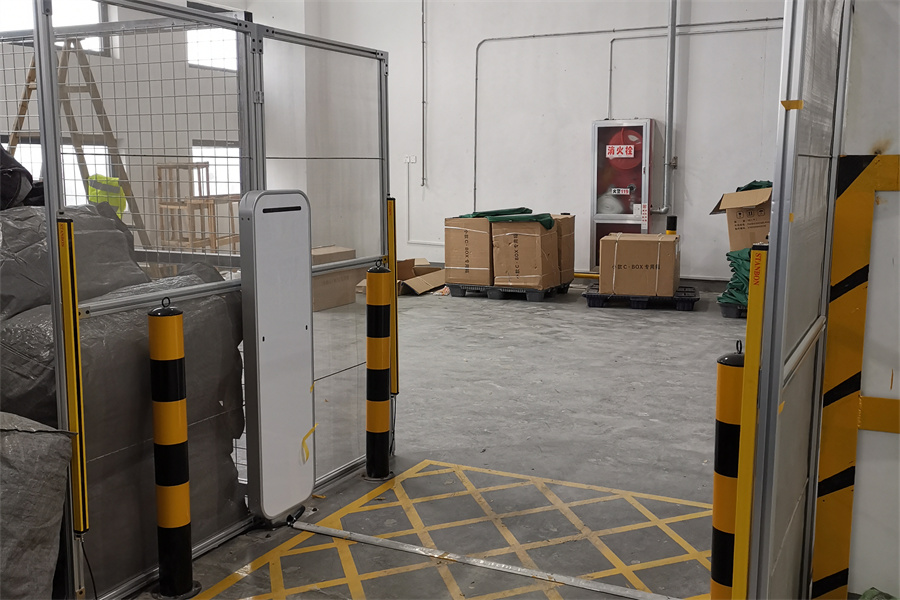 RFID Application in Inbound/Outbound Management
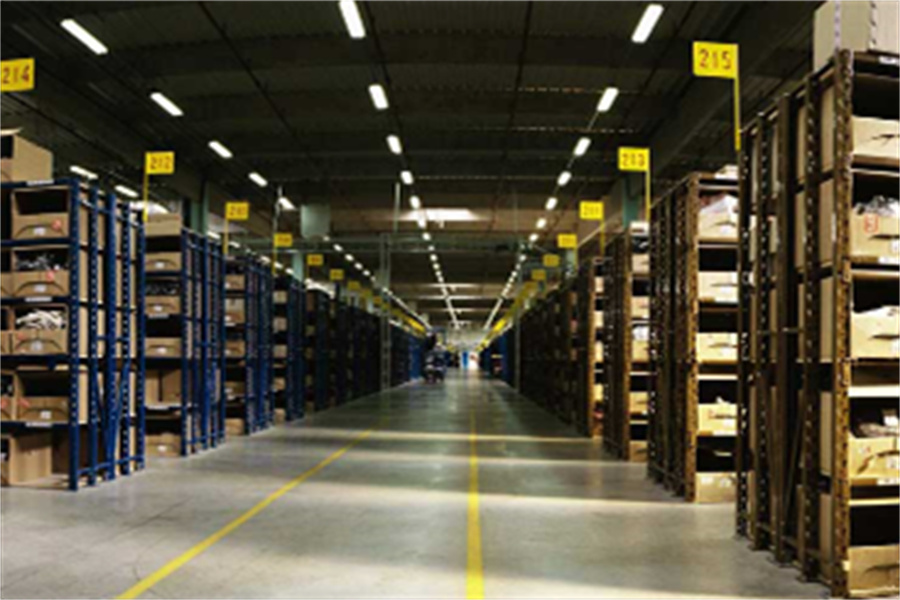 RFID Application in Warehouse Management
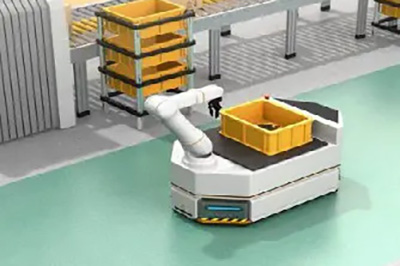 RFID Application in AGV Material Transport Management
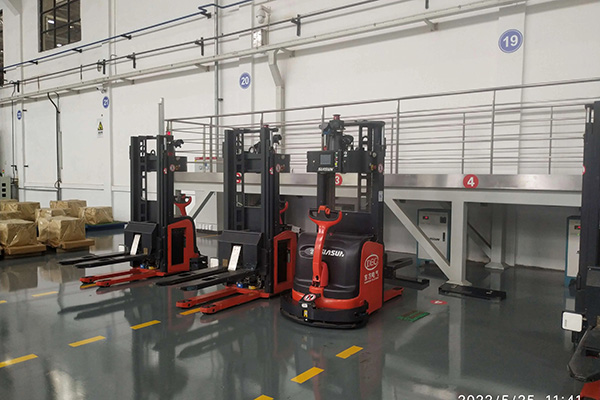 RFID Application in Forklift Cargo Identification
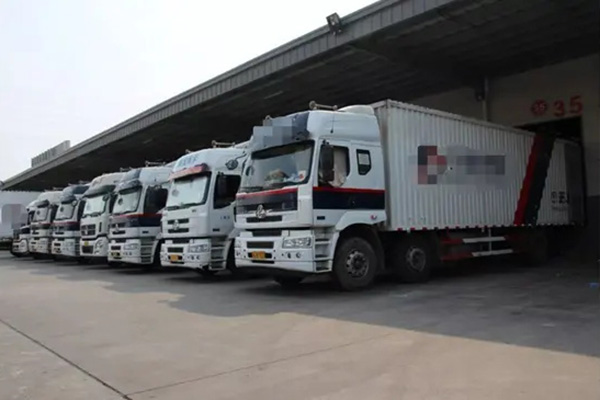 RFID Application in Platform Vehicle Management
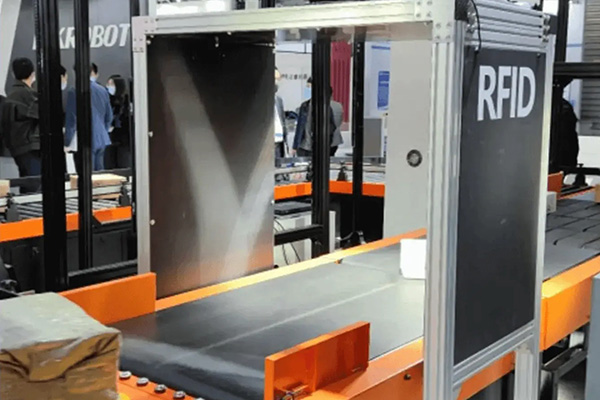 RFID Application in Logistics Sorting
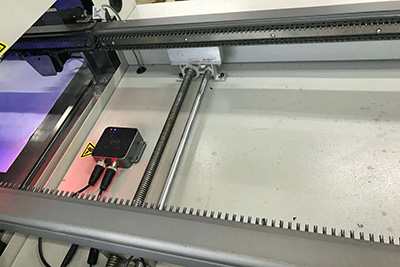 RFID Application in Supply Chain Management
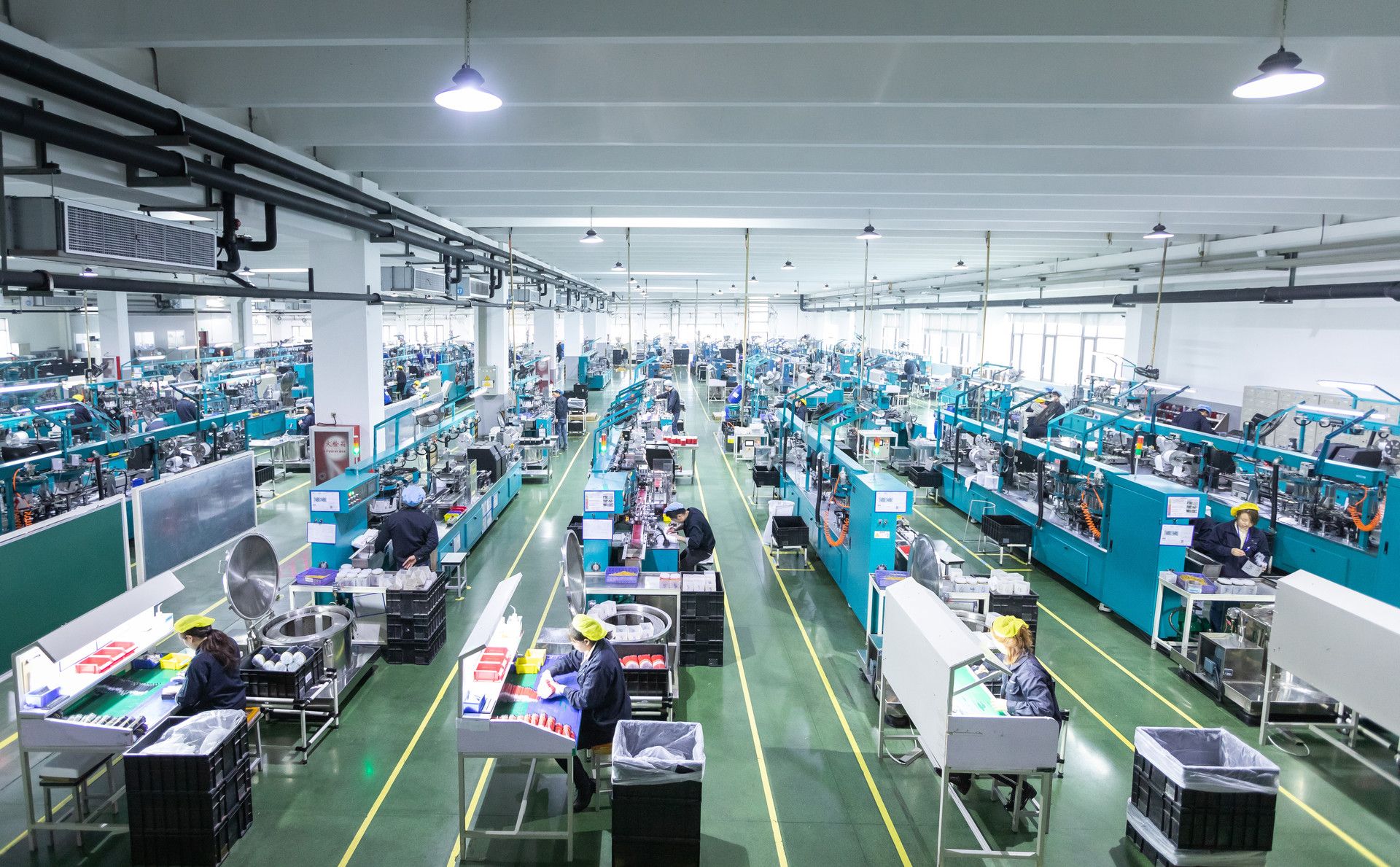 RFID Application for Workshop/Warehouse Tracking
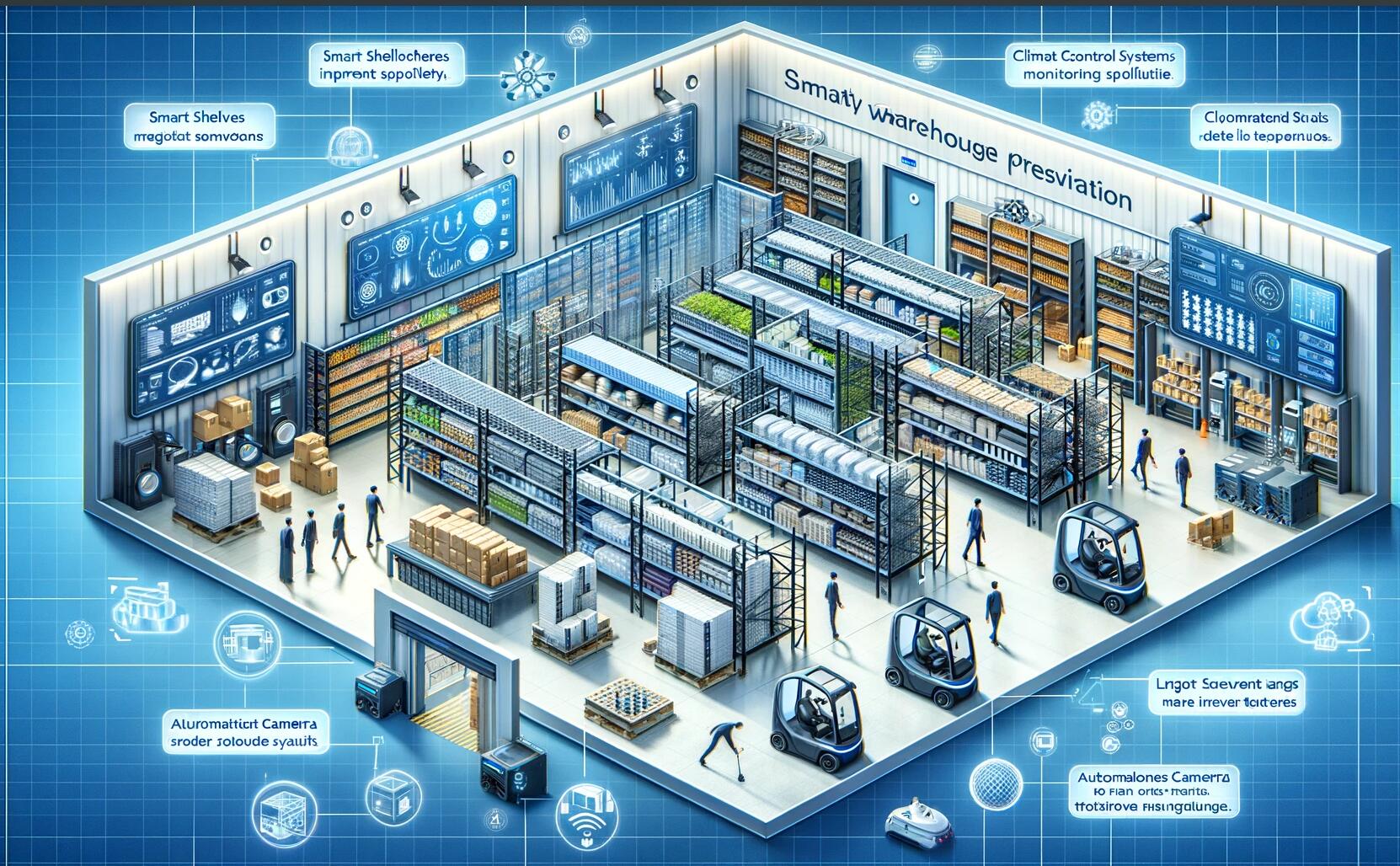 Smart Warehouse Monitoring and Management
 RFID technology empowers port containers: a new direction for future logistics
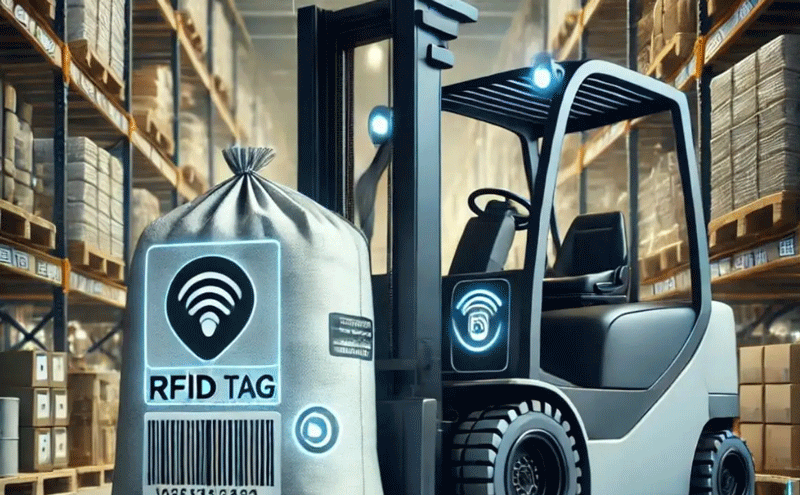 RFID technology in forklift tracking and container bag identification
 Real-Time Data, Secure Transportation: The Future Trends of Cold Chain Logistics
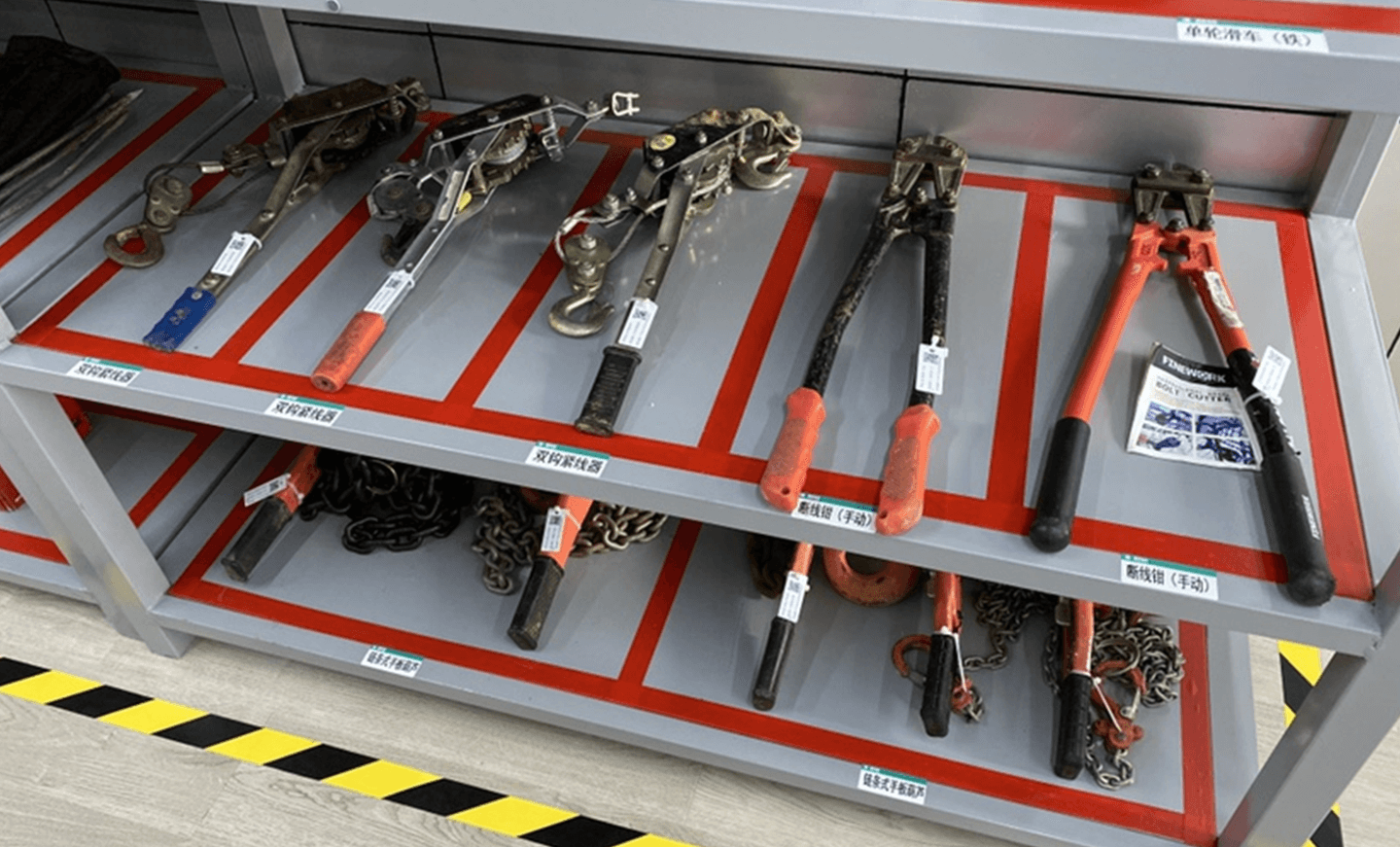 RFID Tool Management
 RFID Application in Battery Factory Production
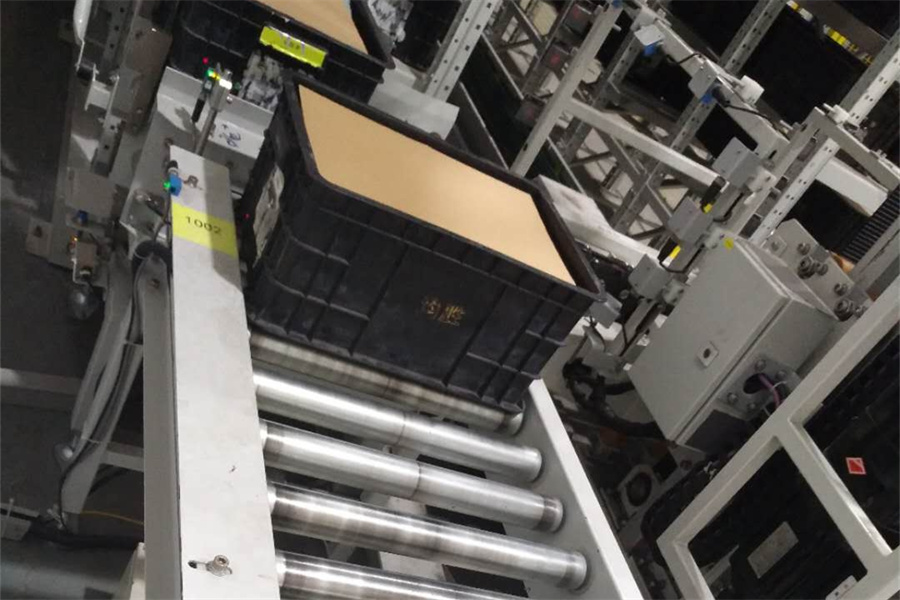 RFID Application in Production Line Rubber Box Management
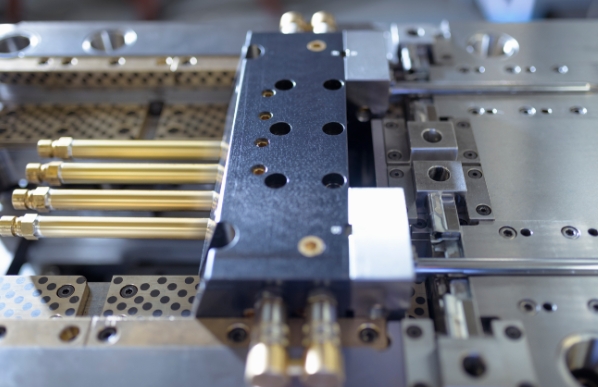 RFID Application in Mold Management on Production Lines
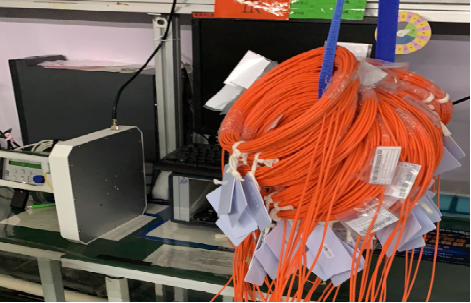 RFID Application in Fiber Optic Cable Manufacturing
 Smart Manufacturing
 The medical industry uses RFID technology to make drug tracking more accurate
 RFID technology helps beverage production and build an efficient supply chain
 RFID technology helps car seat production lines: intelligent management improves efficiency and quality
 RFID technology in the production of electronic appliances monitoring and tracing application
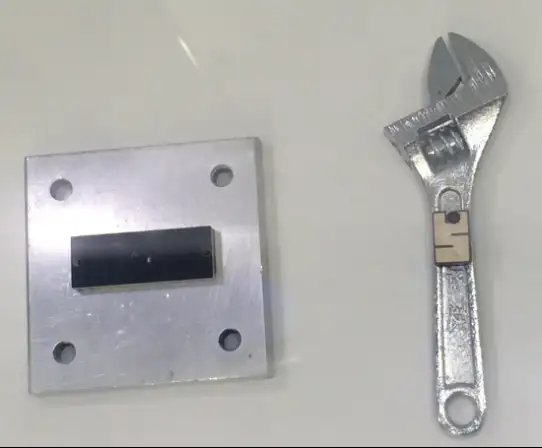 Use RFID technology to improve appliance management efficiency and security
 RFID technology helps precise installation of headrests
 IP67-protected Integrated RFID Reader Writer RFly-I165 for Supply Chain
 Long-range Distance UHF RFID Reader RFly-I195 for Inventory Management
 Small UHF RFID Tag Reader RFly-I300 for Cars
 Two-channel Compact Fixed RFID Reader RFly-F210 for Warehousing
 Four Channels Fixed UHF RFID Reader RFly-R6 for Supply Chain
 8-channel UHF RFID Tag Reader RFLY-MR8 for File Cabinet Identification-1
 Bluetooth Portable RFID Reader and Writer GRU-HBT100 for Inventory Management
 Industrial Grade Handheld UHF RFID Reader GRU-HC520 Suitable for Logistics
 RFID Gateway Networking System
 RFID Passive Temperature Measurement System
 RFID Tags for Container Turnover Management
 RFID Tags for Equipment O&M Management
 RFID Tags for Manufacturing Management
 RFID Tags for Tool Management
 A Kits for Equipment Condition Detection
 A Kits for Office Computer Room Environment Monitoring
 A Kits for Reservoir Environmental Monitoring
 A Kits for Storage Space Environment Monitoring
 A Kits for Stress Detection of Underground Tunnel
 A Kits for Urban Environment Monitoring
 Intelligent IoT Monitoring Platform
 Integrating Multiple Functional OTG Demo Software
 HF Demo Software
 UHF Demo Software