As global suppliers look for fresh and innovative solutions, the demand for Mobile RFIDtech is just exploding right now. Industry expert Dr. Emma Chen, who's pretty much a big name in supply chain optimization, recently mentioned, "Mobile Rfid is really changing the game when it comes to managing inventory and keeping track of assets." That really hits home, especially considering how competitive and fast-paced markets are these days.
Lately, we've seen a number of Chinese companies stepping up as major players in the Mobile RFID scene. Their solutions help businesses get better visibility and do real-time tracking—super important for operations across all sorts of industries. But, honestly, it's not all smooth sailing. Even with all the recent advances, companies still face hurdles like figuring out how to smoothly integrate these new systems with what they already have, plus training staff to get used to everything.
And here’s the thing— not every Mobile RFID solution out there is a perfect fit for every supplier. It’s really crucial for companies to take a close look at their options and make choices that actually match their specific goals. Customization seems to be key in making the most out of Mobile RFID technology. At the end of the day, ongoing innovation and honest reflection are what’s going to help this field keep moving forward.
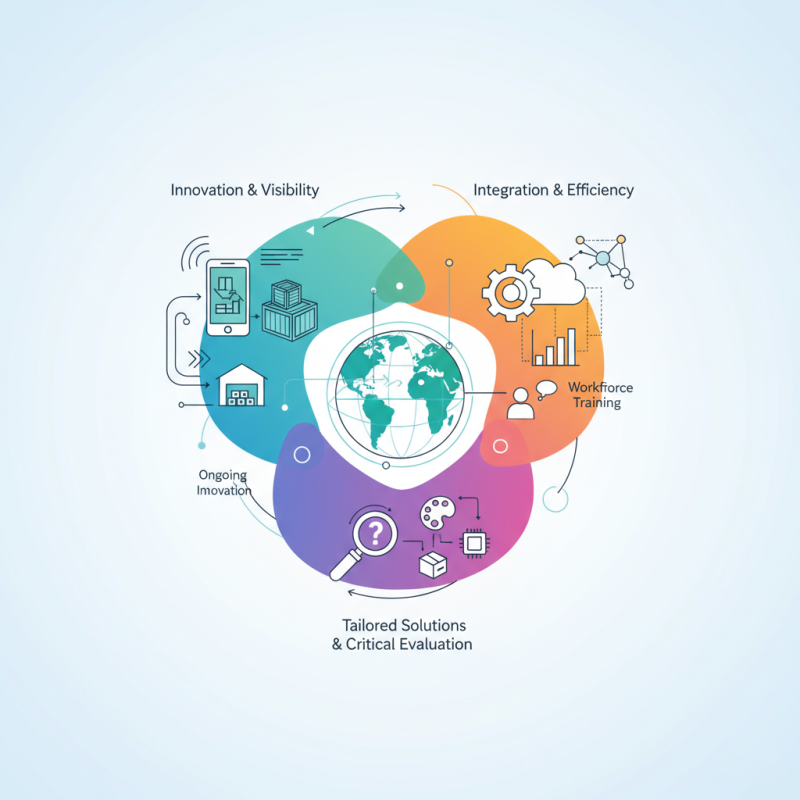
China's Leading Mobile RFID Solutions in the Global Market
China has established a strong foothold in the mobile RFID solutions market. Recent industry reports indicate that the global RFID market is projected to reach $40 billion by 2026. The surge in demand for efficiency in supply chain management is driving this growth. Businesses are increasingly relying on Mobile Rfid Readers to streamline operations.
Mobile RFID readers enhance inventory tracking and asset management. They improve accuracy and speed in various industries, from retail to logistics. In fact, studies show that companies using mobile RFID technology can reduce inventory errors by up to 30%. This precision leads to better stock control and significant cost savings.
However, challenges exist. Not all businesses fully leverage the potential of mobile RFID readers. There are gaps in understanding how to integrate this technology with existing systems. Some companies struggle with training employees to use these tools effectively. Addressing these issues is crucial for reaping the full benefits of mobile RFID solutions in the global market.
Trends in Mobile RFID Adoption Among Global Suppliers
Mobile RFID technology is transforming supply chain management for global suppliers. This trend is not just about convenience; it significantly enhances operational efficiency. Companies increasingly leverage mobile RFID for real-time tracking of inventory and assets. This allows for quicker decision-making and minimizes errors during stock management.
As industries adopt mobile RFID, challenges arise. Integration with existing systems can be complex. Many companies struggle with the training needed for effective use. Additionally, the cost of implementation can deter some suppliers. Despite these hurdles, the potential benefits are compelling. Enhanced visibility into supply chains presents opportunities for improved customer satisfaction.
Countries with strong manufacturing sectors are at the forefront of this trend. They are exploring innovative applications of mobile RFID. The ability to monitor goods from production to delivery raises competitiveness. Suppliers must navigate these developments cautiously while being open to change. Adaptation will be key to thriving in a rapidly evolving market.
China Best Mobile RFID Solutions for Global Suppliers - Trends in Mobile RFID Adoption Among Global Suppliers
| Supplier Type | Adoption Percentage (%) | Main Application Areas | Key Benefits |
| Manufacturers | 85 | Inventory Management, Quality Control | Efficiency, Accuracy |
| Logistics Providers | 75 | Tracking Shipments, Asset Management | Real-time Visibility, Cost Savings |
| Retailers | 65 | Inventory Tracking, Theft Prevention | Enhanced Security, Improved Sales |
| Healthcare Providers | 70 | Patient Tracking, Equipment Management | Patient Safety, Operational Efficiency |
| Food Industry | 60 | Supply Chain Management, Traceability | Quality Assurance, Compliance |
Key Features of China’s Mobile RFID Technologies
China has become a leading player in mobile RFID technologies. These solutions offer significant advantages for global suppliers. One key feature is the enhanced inventory management efficiency. Companies can track items in real-time, minimizing errors and reducing overhead costs. This capability supports fast-paced supply chains.
Another noteworthy aspect is the integration of mobile devices with RFID systems. This trend allows workers to use smartphones or tablets for scanning and data entry. Such accessibility streamlines processes and improves accuracy. The ease of use can also lead to quicker training for new employees. However, businesses must ensure that their workforce adapts to this shift effectively.
Yet, despite these advantages, there are challenges. Some users report compatibility issues with existing systems. Not all equipment integrates smoothly, which can create bottlenecks. Additionally, the wireless nature of mobile RFID can lead to security concerns. Ensuring data protection is essential. Thus, while mobile RFID presents promising solutions, ongoing adjustments are necessary for optimal results.
Market Share Analysis: China's RFID Solutions vs. Global Competitors
In recent years, China's RFID solutions have made significant strides, capturing a notable portion of the global market. This rapid growth stems from advancements in technology and increased demand from various sectors, including retail and logistics. China is home to many suppliers who focus on innovation, making them competitive on a global scale. They offer cost-effective solutions that appeal to budget-conscious businesses.
Despite these advantages, challenges remain. Quality control and interoperability with existing systems often come into question. Many global partners seek assurance that Chinese products can truly match the performance of their well-established counterparts. While some manufacturers showcase impressive features, the inconsistency in quality can deter potential buyers. It's crucial for Chinese suppliers to address these issues to firmly establish their reputation internationally.
Interestingly, the emergence of "Famous Mobile Rfid" technologies has reshaped the landscape. These developments enable better tracking and inventory management in real-time. As global competitors refine their offerings, Chinese solutions must adapt and innovate. The market is dynamic, and suppliers must remain agile to maintain relevance. A comprehensive understanding of both local and international demands will be essential for future growth.
Case Studies: Successful Implementation of Mobile RFID in Supply Chains
Mobile RFID technology is transforming the way supply chains operate. Companies are seeing significant improvements in efficiency and accuracy. For example, a leading logistics provider adopted mobile RFID to track inventory in real-time. They experienced a reduction in stock discrepancies by over 30%. This case highlights the power of seamless data collection.
In another instance, an OEM Mobile Rfid solution was implemented in a large retail chain. The project faced challenges, including staff training and system integration. However, once these hurdles were overcome, the retailer recorded a 25% increase in productivity. Mobile RFID allowed for quicker inventory checks and better stock management. This led to a notable decrease in ordering errors.
While the advantages are clear, the path to adoption can be complex. Companies must carefully assess their specific needs. Success does not only rely on technology. Proper planning and commitment from the team are crucial. Addressing these factors can prevent common pitfalls during implementation, ensuring a smoother transition to mobile RFID systems.
Impact of Mobile RFID on Supply Chain Efficiency and Cost Reduction
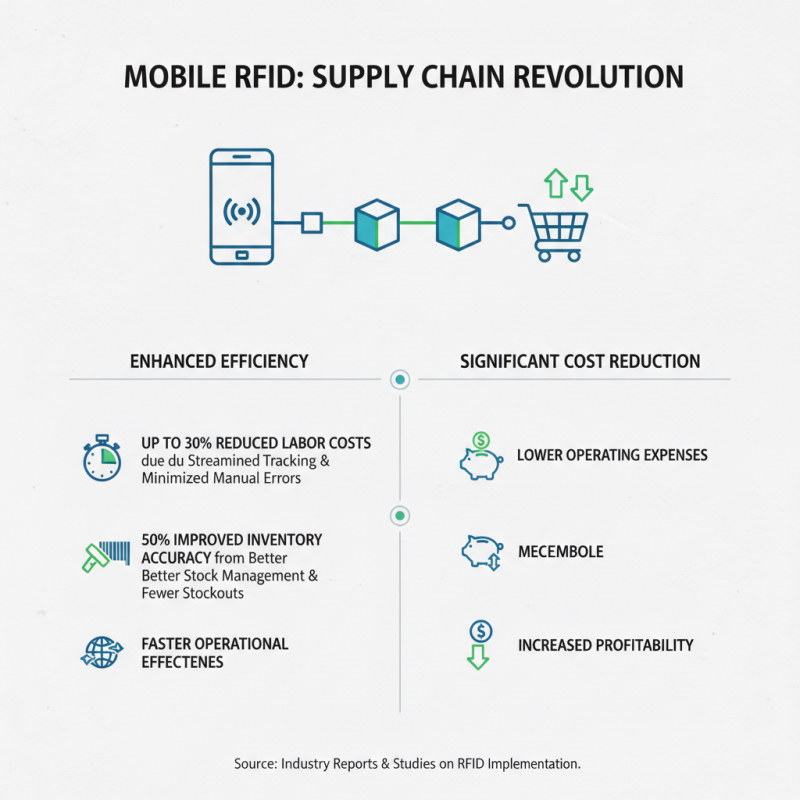
Mobile RFID technology significantly enhances supply chain efficiency, offering notable benefits in cost reduction and operational effectiveness. Recent industry reports indicate that businesses can realize up to a 30% reduction in labor costs by implementing mobile RFID solutions. This results from streamlined tracking processes and minimized manual errors. Moreover, a study found that inventory accuracy can improve by as much as 50% with RFID systems, enabling better stock management and fewer stockouts.
Consider these tips when looking for Mobile Rfid Readers Suppliers. First, evaluate your specific needs. Different industries have unique requirements, and a one-size-fits-all solution might not be effective. Analyze the scalability of the solutions provided by suppliers to ensure they can grow with your business. Second, assess the ease of integration with existing systems. Seamless integration minimizes disruptions and enhances operational continuity.
Despite the advantages, transitioning to mobile RFID solutions may come with challenges. Not all employees may be receptive to new technologies. Training is essential to ensure successful implementation. Additionally, the initial investment can be a barrier for some organizations. However, the long-term gains often outweigh these concerns, making mobile RFID a compelling choice for modern supply chains.
Future Prospects for China's Mobile RFID Innovations in Global Trade
China is rapidly advancing in mobile RFID technology, impacting global trade significantly. According to a recent report by MarketsandMarkets, the RFID market is expected to reach $40 billion by 2025, with mobile solutions driving much of this growth. Innovations in mobile RFID within China, such as enhanced tracking capabilities and efficient inventory management, are positioned to reshape supply chains for international suppliers.
Mobile RFID solutions are not just about speed; they improve accuracy and reduce operational costs. For instance, a study from IDTechEx highlights that companies using mobile RFID can reduce their inventory discrepancy by up to 30%. This level of accuracy has profound implications for businesses, enabling smarter decision-making and enhanced customer satisfaction.
However, challenges remain. Data security and integration with existing systems often require substantial investment and expertise.
Tip: When considering mobile RFID solutions, evaluate your current systems. Ensure the new technology can seamlessly integrate with your existing processes for maximum benefit. Another tip is to stay updated. The technology landscape evolves continuously, and being informed can prevent investing in outdated solutions. Adopting this innovative technology offers numerous benefits, yet careful reflection on implementation is crucial.
Enhancing Workflow Efficiency: Overview of the RFID Transmission Line Identification Tunnel Machine TD-T10090
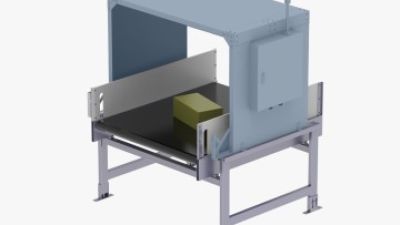
In today's high-speed manufacturing environments, efficiency is paramount, particularly on production lines where products move quickly and are often closely spaced or irregularly shaped. The integration of RFID technology has become increasingly vital for enhancing workflow efficiency. The RFID transmission line identification tunnel machine TD-T10090 stands at the forefront of this revolution, effectively tackling tag collision issues that can significantly hinder operational performance. According to industry reports, up to 30% of production time can be lost due to data transmission errors caused by tag collisions, leading to stalled processes and increased costs.
The TD-T10090 is designed specifically to address these challenges, providing a seamless reading experience that minimizes the risk of collision. This not only facilitates smoother operations but also ensures that production lines maintain their speed despite the complexity of the items being handled. Recent studies indicate that businesses implementing advanced RFID systems can experience a reduction in inventory management time by nearly 50%, translating to more streamlined operations and higher throughput rates.
Moreover, the opportunity for customized solutions through ODM services allows businesses to tailor the machine to their specific operational needs. Whether it's adjusting the reading distances, accommodating various shapes, or enhancing obstacle detection, these personalized adaptations can significantly optimize production line performance. As the manufacturing landscape continues to evolve, leveraging such advanced technologies will be crucial for companies aiming to maintain a competitive edge and drive success in the fast-paced market.
FAQS
: Mobile RFID technology allows for real-time tracking of inventory and assets within supply chains.
It streamlines tracking processes, reduces manual errors, and enhances operational effectiveness, boosting overall efficiency.
Companies often struggle with system integration, staff training, and the initial cost of implementation.
Benefits include improved inventory accuracy, reduced labor costs, and increased productivity in supply chain operations.
Businesses can achieve up to a 30% reduction in labor costs through streamlined tracking processes.
Proper training ensures employees can effectively use the new technology, minimizing resistance and errors.
No, each industry has unique needs; solutions must be tailored to fit specific operational requirements.
Inventory accuracy can improve by as much as 50%, leading to better stock management and fewer stockouts.
Proper planning and team commitment are crucial to preventing implementation pitfalls and ensuring a smooth transition.
Suppliers should evaluate their specific needs, scalability, and ease of integration to find the best fit for their operations.
Conclusion
In recent years, China's mobile RFID solutions have emerged as leading contenders in the global market, driven by innovative technologies and increasing adoption by suppliers worldwide. The trend towards mobile RFID adoption is primarily fueled by its ability to enhance supply chain efficiency, streamline processes, and reduce operational costs. Key features of these technologies include real-time tracking, improved inventory management, and seamless integration with existing supply chain systems, making them attractive to businesses seeking competitive advantages.
Market share analysis reveals that while China's mobile RFID solutions are gaining ground, they still face competition from established global players. Successful case studies illustrate how businesses have implemented mobile RFID systems to optimize their supply chains, showcasing significant improvements in performance and cost savings. Looking ahead, the future prospects for China’s mobile RFID innovations appear promising as they continue to evolve, contributing to the transformation of global trade dynamics.

 Rotary HF RFID Tag Reader GRH-I40 Suitable for Assembly Lines
 Industrial-grade High-frequency Integrated Reader GRH-I65 Suitable for Asset Tracking
 With ESD Protection HF RFID Reader GRH-I68 Suitable for Progress Tracking
 Proximity HF RFID Reader GRH-M30 Suitable for Manufacturing Workshops
 Desktop HF RFID Scanner GRH-D80-HID Suitable for Card-issuing Applications
 High Frequency Medium Distance Reader GRH-I90 Suitable for Logistics Production Line
 UHF RFID Portals and Tunnel Machine RFly-AM3000 for Access Control
 Narrow RFID Portals Series TD-P20040-SS for Single Tag Entry and Exit Identification Scenario
 RFID Transmission Line Simple Identification Tunnel Machine (TD-T3050)
 Vision and RFID Tunnel Machine TD-T7692-RV for Logistics Sorting
 RFID Transmission Line Identification Tunnel Machine TD-T10090
 RFID Mobile Inventory Tunnel Machine TD-T65150 for Conveyor Belts
 High-Performance Far-Field Antennas for Broad Coverage.
 Multi-Purpose Antennas: Flexibility for Diverse Applications
 Near-Field Antennas for Short-Distance Tag Detection.
 Portals & Tunnel Antennas for Integrated RFID Series
 Slimline PCB Antennas for Warehousing and Logistics
 Miniaturized and Thin Antennas can Provide Good Performance in a Smaller Size.
 GPS Tracker for Vehicles, Car, Kids, Assets.
 CO2 Sensors Detect CO2 Gas through Alarms, Suitable for Offices, Planting Tents.
 Door Sensor, Detect Open and Closed Doors or Windows, Sends Alerts, Triggers Siren.
 Wireless Level Sensor Equipped with a 5-Meter Detection Line, Suitable for Water Tanks
 Real Time Monitoring of Air Quality Using PM2.5/PM10 Sensors.
 Smoke Sensor, Fire Alarm Smoke Detector with Test Button and Low Battery Reminder.
 Soil Stress Sensor,Bridge and Tunnel Monitors.
 Vibration Sensor Monitors Equipment, Like Conveyors and Motors, for Operational Status.
 E -Paper Display
 Smart Water Sensor Alarms, 1.2 M Detection Line.
 CO Sensor for Basements Home Office House Bedroom Living Room Car, Light Plug and Play.
 Temperature and Humidity Sensor
 Multi-sensor GD-ME
 Temperature Sensors Monitor the Surface Temperature of Various Heating Equipment.-1
 Signal Enhancement Terminal, Long Range Coverage.
 Multi-Protocol Communication Gateway, App Remote Control.
 Edge Vision Gateway can Access Various Mainstream Cameras, Suitable for Office, Factory.
 GBS-3550 Outdoor Sensor Gateway,LoRa, 2/3/4G Communication.
 Smart WiFi Gateway, Realize Remote Control.
 Ultra-Low-Power Solar-Powered Intelligent Gateway (Outdoor)
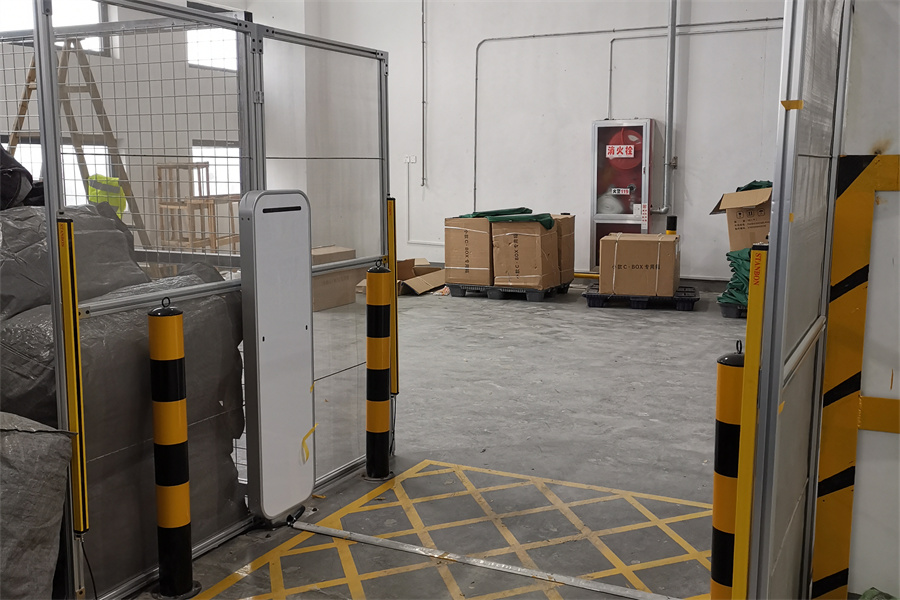 RFID Application in Inbound/Outbound Management
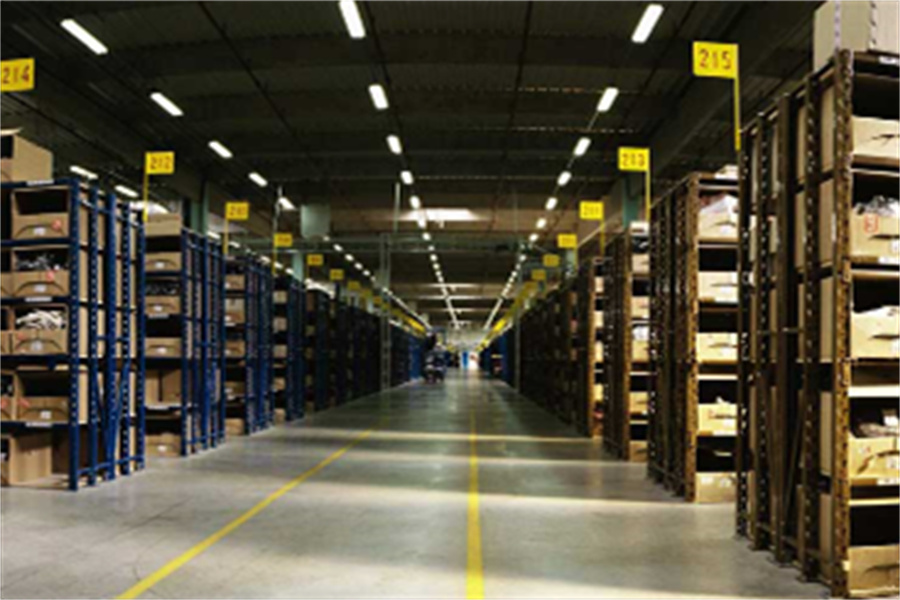 RFID Application in Warehouse Management
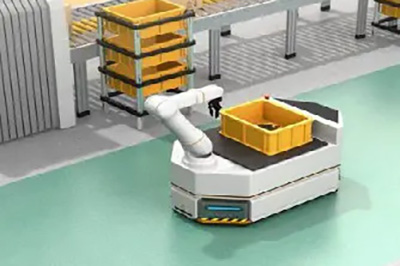 RFID Application in AGV Material Transport Management
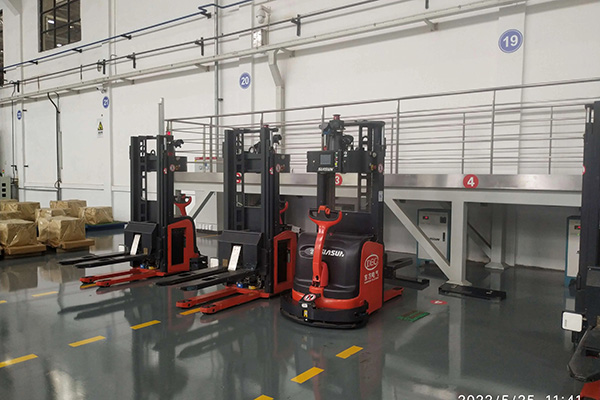 RFID Application in Forklift Cargo Identification
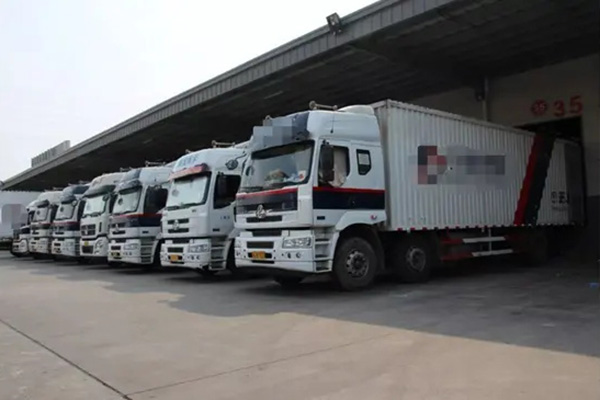 RFID Application in Platform Vehicle Management
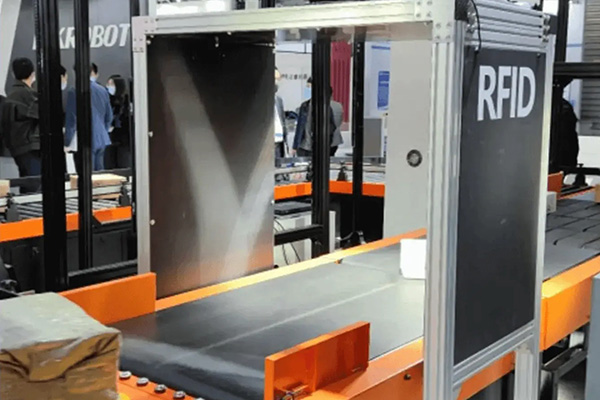 RFID Application in Logistics Sorting
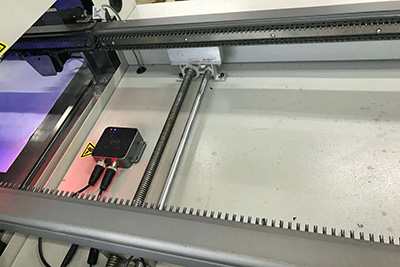 RFID Application in Supply Chain Management
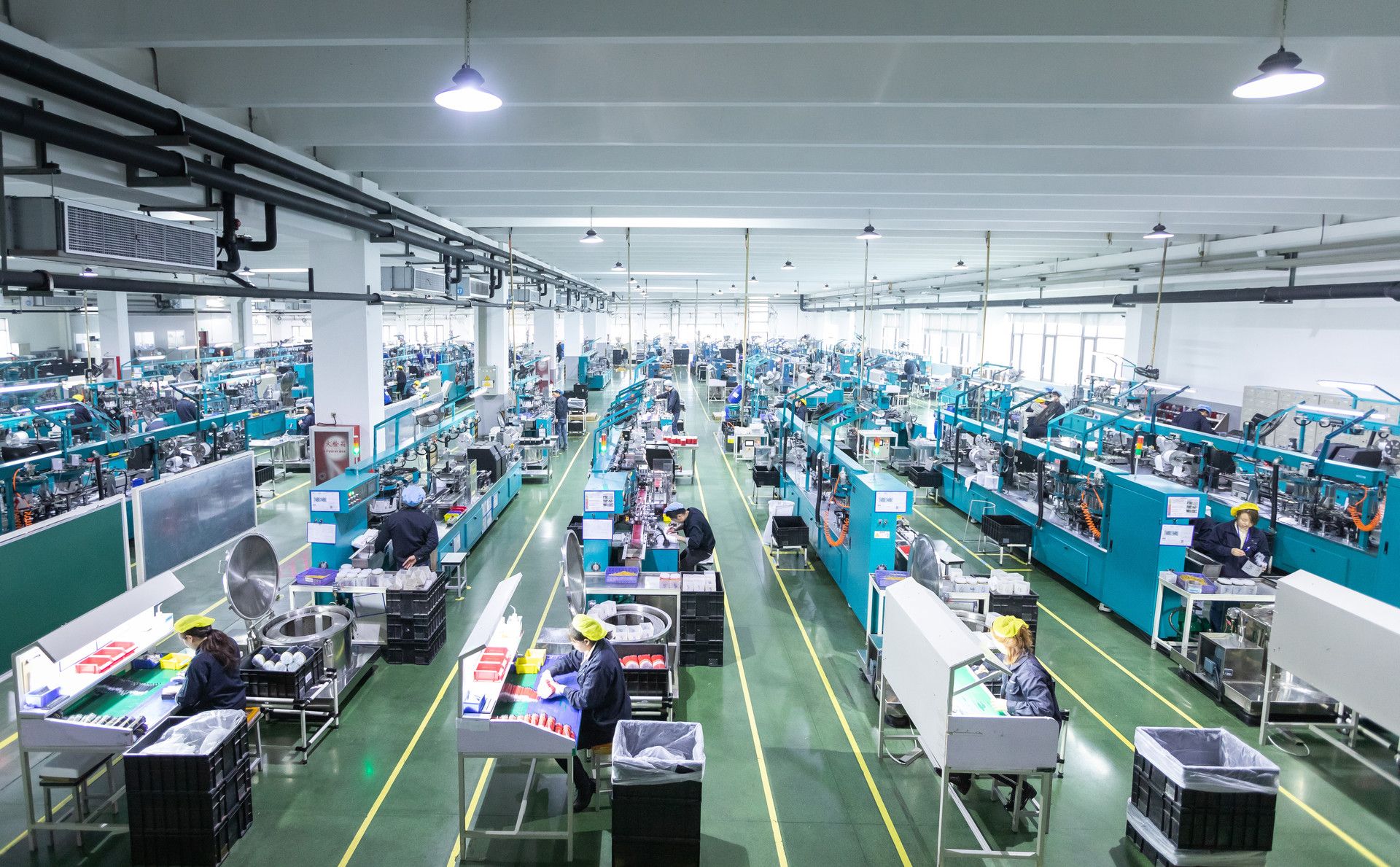 RFID Application for Workshop/Warehouse Tracking
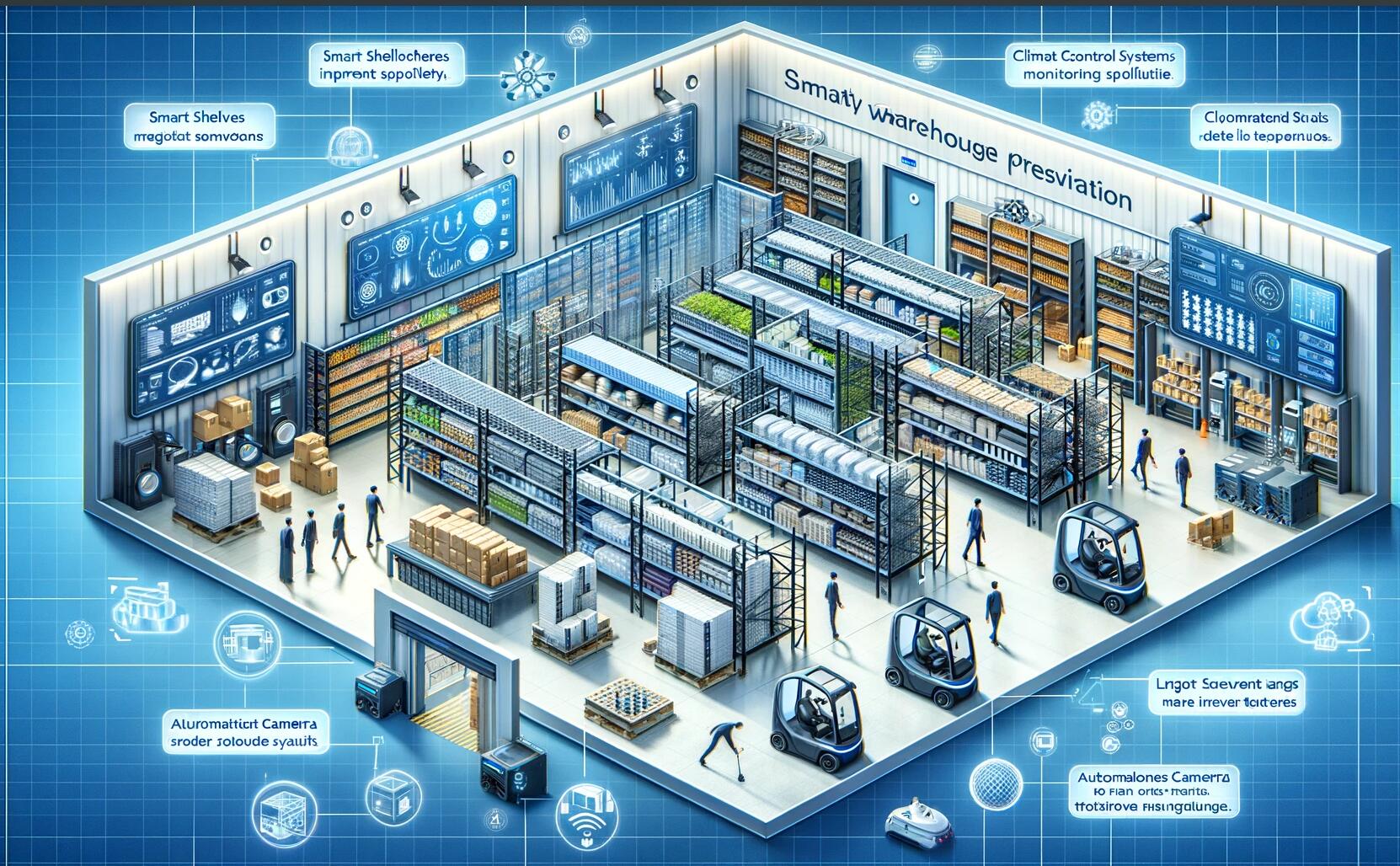 Smart Warehouse Monitoring and Management
 RFID technology empowers port containers: a new direction for future logistics
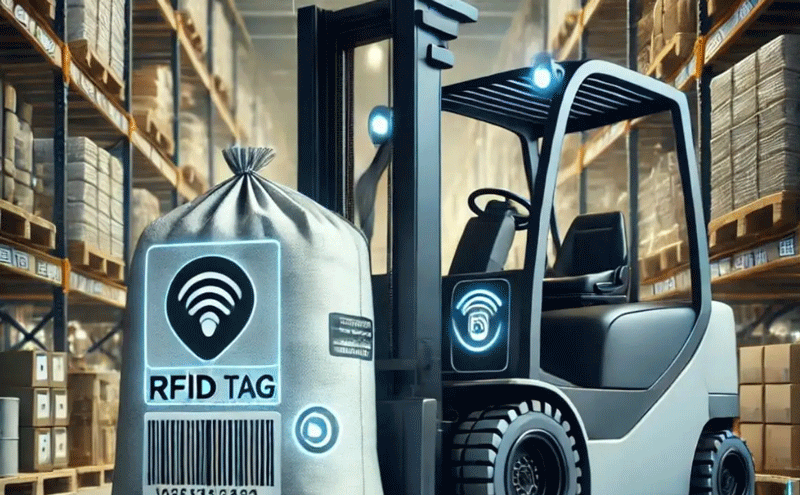 RFID technology in forklift tracking and container bag identification
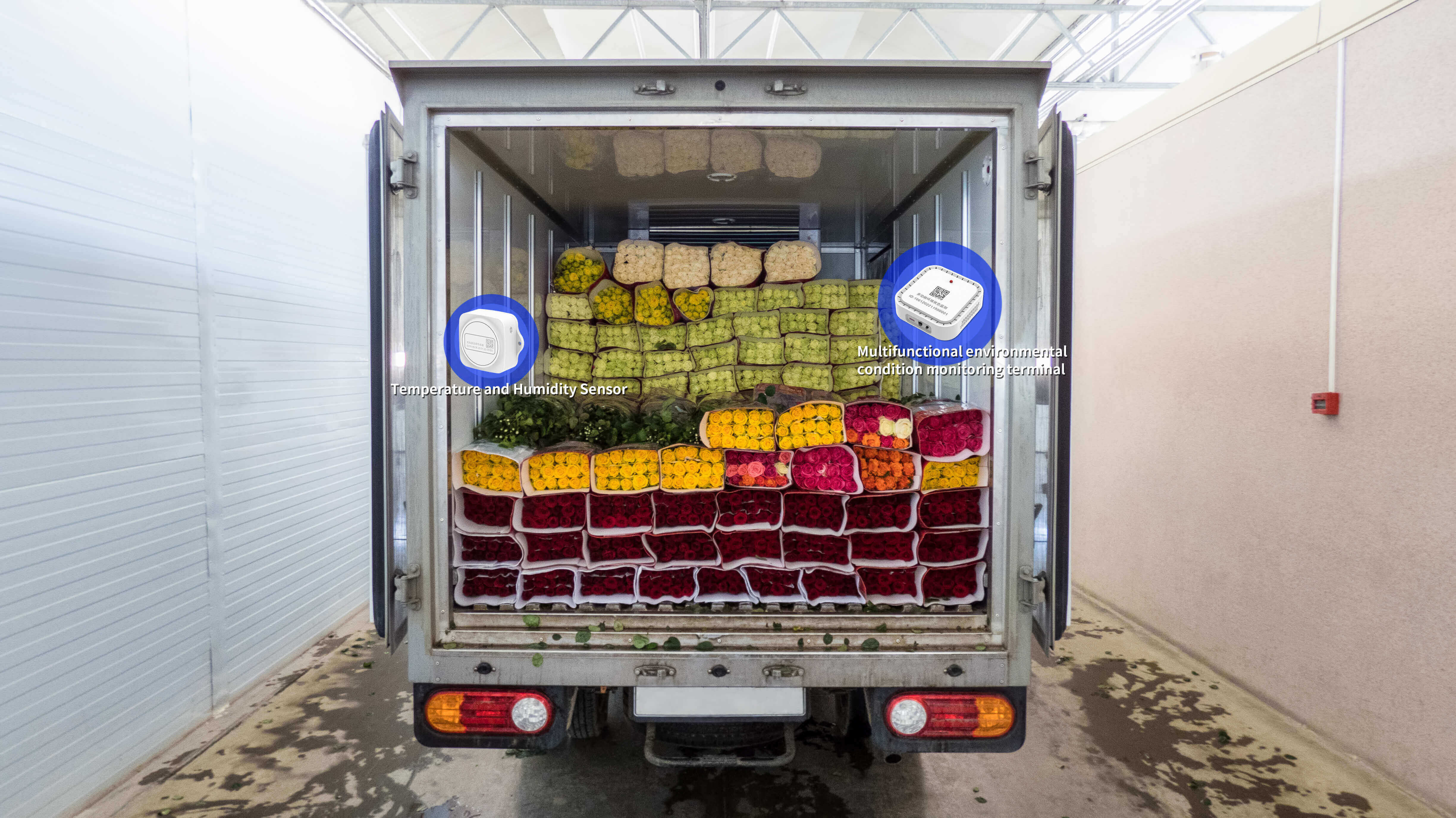 Real-Time Data, Secure Transportation: The Future Trends of Cold Chain Logistics
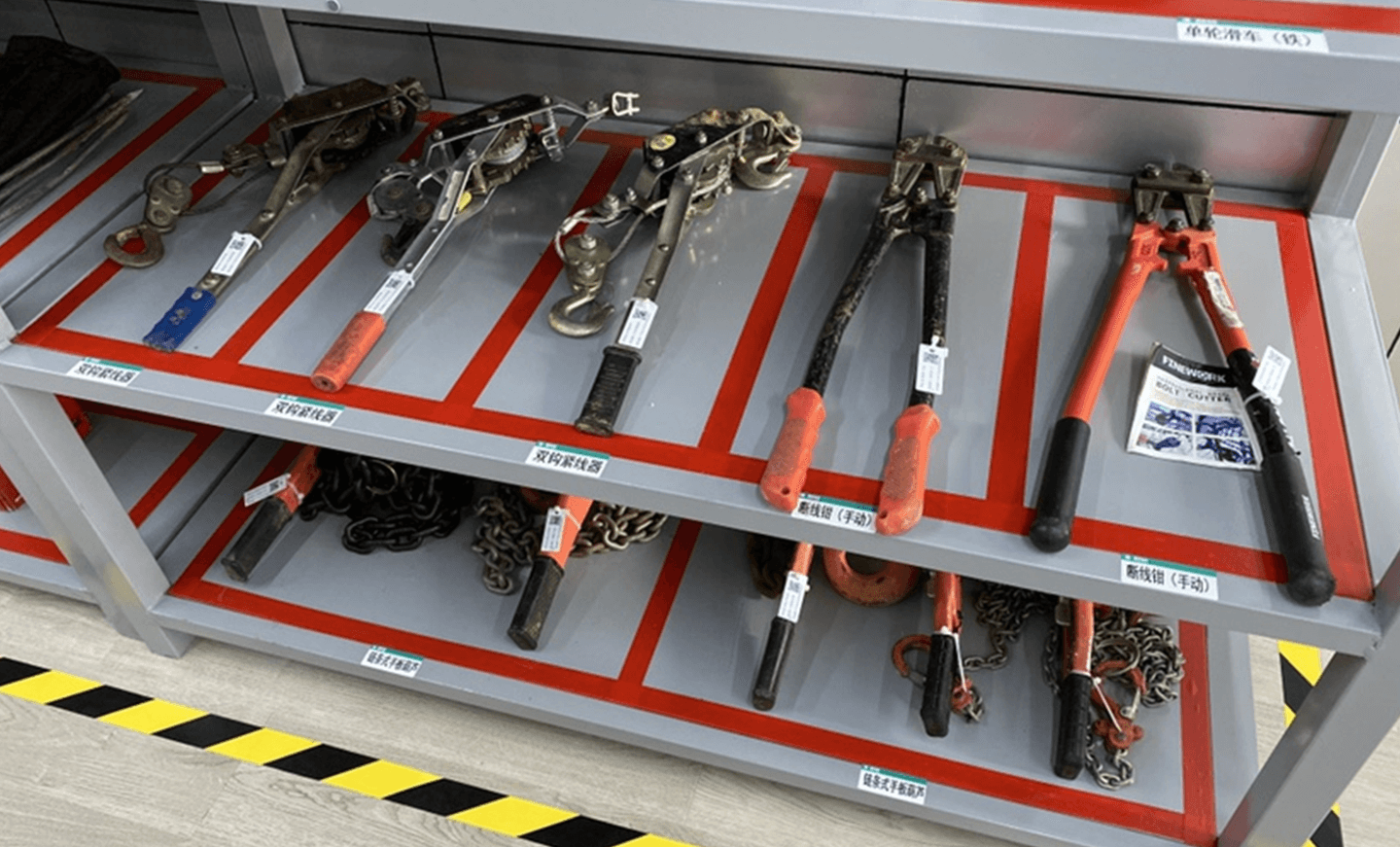 RFID Tool Management
 RFID Application in Battery Factory Production
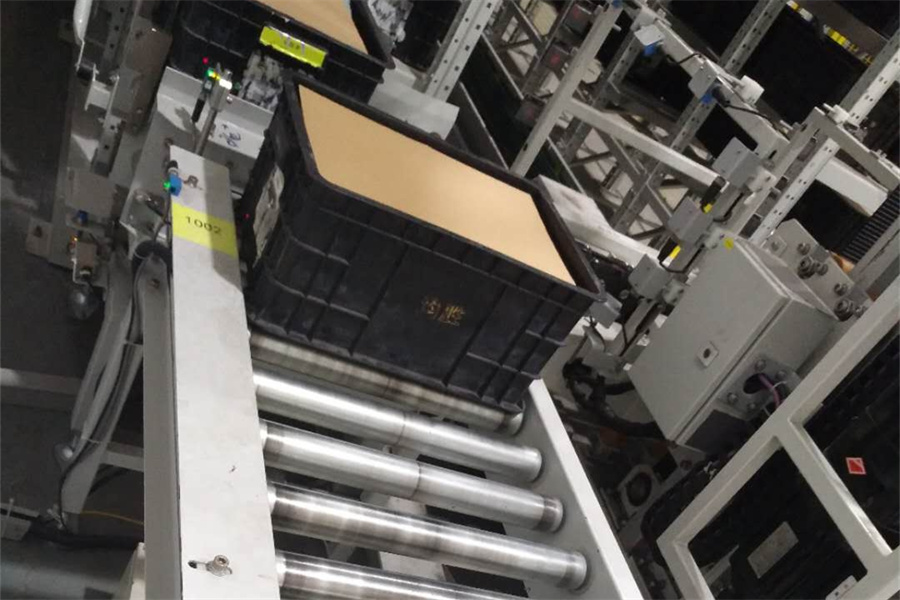 RFID Application in Production Line Rubber Box Management
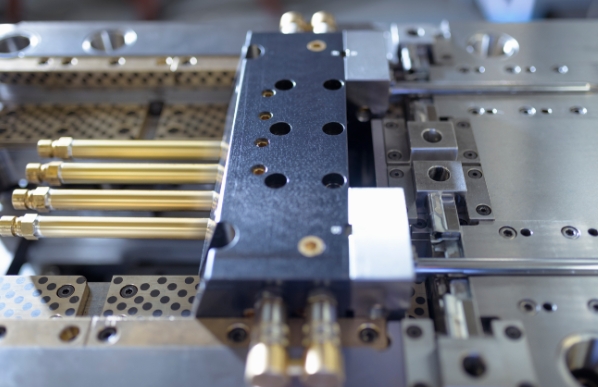 RFID Application in Mold Management on Production Lines
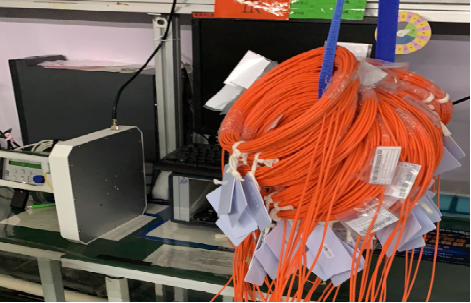 RFID Application in Fiber Optic Cable Manufacturing
 Smart Manufacturing
 The medical industry uses RFID technology to make drug tracking more accurate
 RFID technology helps beverage production and build an efficient supply chain
 RFID technology helps car seat production lines: intelligent management improves efficiency and quality
 RFID technology in the production of electronic appliances monitoring and tracing application
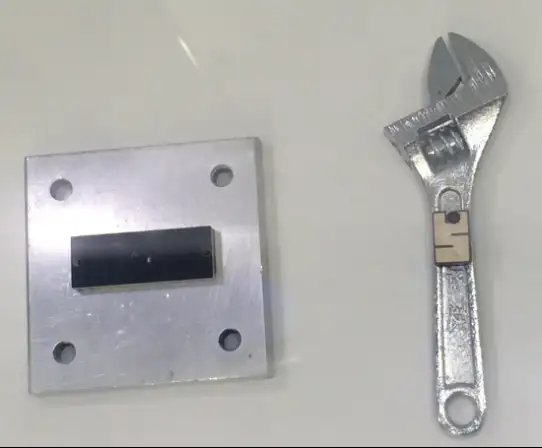 Use RFID technology to improve appliance management efficiency and security
 RFID technology helps precise installation of headrests
 IP67-protected Integrated RFID Reader Writer RFly-I165 for Supply Chain
 Long-range Distance UHF RFID Reader RFly-I195 for Inventory Management
 Small UHF RFID Tag Reader RFly-I300 for Cars
 Two-channel Compact Fixed RFID Reader RFly-F210 for Warehousing
 Four Channels Fixed UHF RFID Reader RFly-R6 for Supply Chain
 8-channel UHF RFID Tag Reader RFLY-MR8 for File Cabinet Identification-1
 Bluetooth Portable RFID Reader and Writer GRU-HBT100 for Inventory Management
 Industrial Grade Handheld UHF RFID Reader GRU-HC520 Suitable for Logistics
 RFID Gateway Networking System
 RFID Passive Temperature Measurement System
 RFID Tags for Container Turnover Management
 RFID Tags for Equipment O&M Management
 RFID Tags for Manufacturing Management
 RFID Tags for Tool Management
 A Kits for Equipment Condition Detection
 A Kits for Office Computer Room Environment Monitoring
 A Kits for Reservoir Environmental Monitoring
 A Kits for Storage Space Environment Monitoring
 A Kits for Stress Detection of Underground Tunnel
 A Kits for Urban Environment Monitoring
 Intelligent IoT Monitoring Platform
 Integrating Multiple Functional OTG Demo Software
 HF Demo Software
 UHF Demo Software