Leave Your Message
0%

These days, with technology moving at lightning speed, there's a real buzz around better connectivity solutions. You might’ve heard about theRfid Tag Antennamarket — it was worth around $3.5 billion in 2022 and is expected to keep growing like crazy. Why? Well, all those smart tech gadgets and IoT applications are really driving the demand. Experts in the field agree that Tag Antennas play a crucial role in making communication more efficient and reliable. For example, John Smith, a big name in antenna tech, has said, “The design of Tag Antennas really impacts how well the whole system performs and how dependable it is.”

Designs that are innovative and tailored are becoming more important than ever because different industries have different needs. Companies like XYZ Corporation are leading the charge by developing custom Tag Antennas specifically suited to their clients’ operations. As connectivity keeps evolving, it’s helping businesses run smoother, but it also brings some pretty tricky challenges—like dealing with signal interference and ensuring materials hold up over time.

And then there’s the whole cost aspect. While investing in top-notch Tag Antennas can pay off big time, the upfront costs can be pretty intimidating—especially for smaller companies. The market’s pretty cutthroat, so businesses often have to find that sweet spot between quality and price. Looking into all the ways Rfid Tag Antennas can be applied will definitely be key if companies want to stay relevant and competitive in this ever-changing landscape.

China Best Custom Tag Antenna Quotes for Enhanced Connectivity Solutions

Overview of Custom Tag Antennas in China

Custom Tag Antennashave gained widespread attention in China, offering innovative connectivity solutions across various industries. These antennas are designed for specific applications, enhancing communication and data exchange. Their capabilities include supporting RFID, IoT devices, and Asset Tracking systems. By utilizing advanced materials and technologies, manufacturers have improved performance and reliability, catering to diverse needs.

Tips: When selecting a custom tag antenna, consider the environment where it will be used. Factors like temperature, humidity, and potential interference can impact performance. It's essential to ensure the antenna's design aligns with its intended application to maximize efficiency.

Designing a custom tag antenna is not without challenges. It requires precise engineering to achieve optimal performance. Potential issues can arise during testing phases, leading to modifications. Iterative testing ensures the final product meets quality and performance standards. Stakeholders must remain engaged throughout the development process. Communicating feedback promptly fosters innovative solutions and improved designs for future applications.

Types of Tag Antennas for Enhanced Connectivity

Tag antennas play a crucial role in enhancing connectivity solutions, particularly in RFID applications. Various types of tag antennas are designed to meet specific needs. Typically, they can be divided into passive, active, and semi-active categories, each offering unique advantages. Passive antennas are widely used for cost-effective deployments, often functioning without a power source. According to industry data, passive RFID tags comprise over 70% of the market share due to their low cost and reliable performance.


Active RFID tag antennas, on the other hand, come with an internal power source, providing increased range and real-time tracking capabilities. Reports indicate they can operate effectively over distances ranging from 100 to 300 feet. These antennas are beneficial in environments where extensive coverage is necessary.


Semi-active antennas blend both technologies, offering more flexibility for varying use cases. While powerful, this type can be more complex to implement, posing certain challenges. Despite their advantages, issues around antenna size and design continue to surface.


For example, larger antennas may offer better performance but can be cumbersome for some applications. Balancing performance and size remains an ongoing challenge in the industry. A comprehensive understanding of these factors helps to develop effective Rfid Tag Antenna Types for improved connectivity solutions.

Key Features of Custom Tag Antennas

Custom tag antennas offer a variety of benefits for enhancing connectivity solutions. These antennas are often designed to meet specific needs. Important features include size, material, and frequency range. A compact design allows for easy integration into various devices. Higher frequency capabilities ensure better performance in crowded environments.

When selecting custom tag antennas, consider the intended application. Different materials can affect signal strength. For outdoor use, durable materials are essential. Indoor applications might prioritize aesthetics. Testing prototypes can reveal potential issues early.

Tips: Always check compatibility with existing systems. A reliable source can provide insights into recent advancements. Regular evaluation helps ensure ongoing effectiveness.

Applications of Tag Antennas in Various Industries

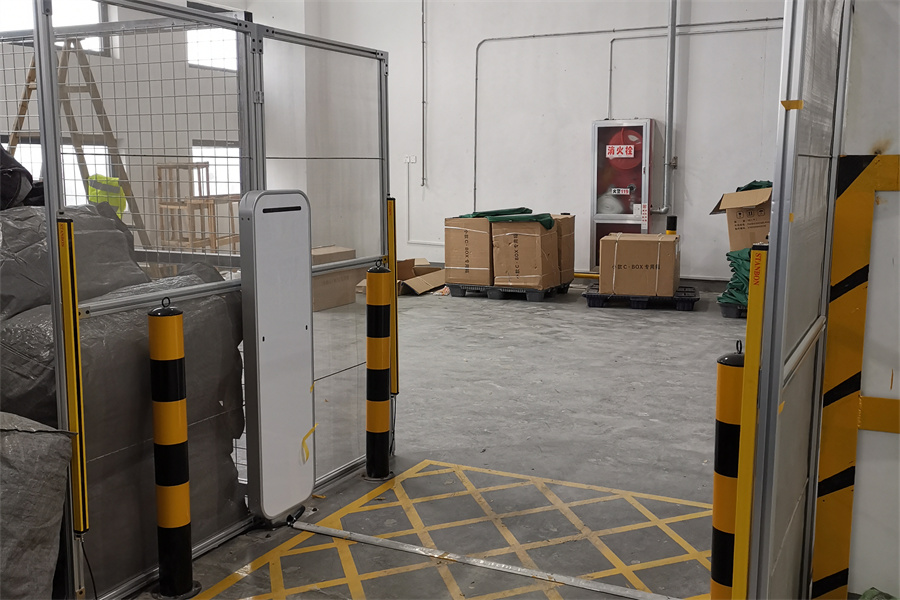
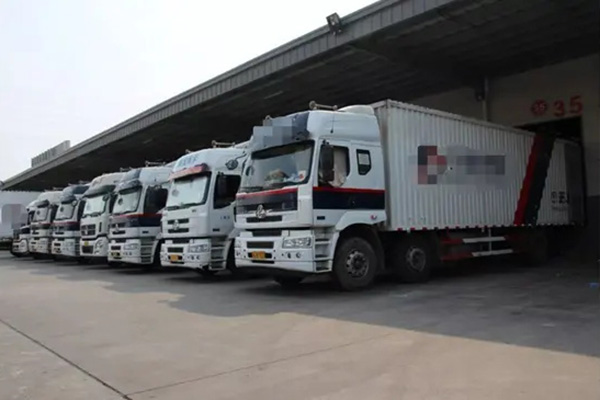
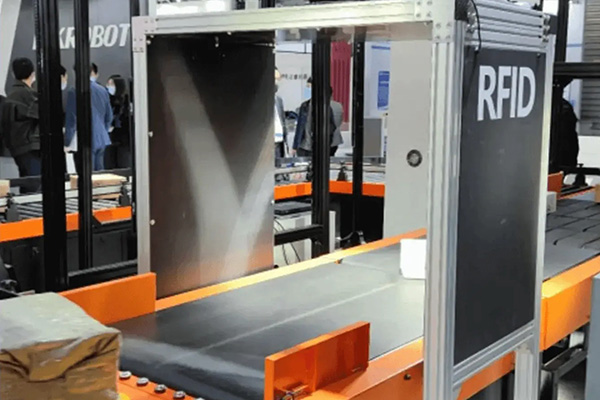
Tag antennas are becoming crucial in various industries due to their versatility and efficiency. These antennas can enhance connectivity solutions in sectors like logistics, healthcare, retail, and transportation. For instance, in logistics, tag antennas facilitate real-time tracking of shipments. This ensures better inventory management and reduces losses.

In healthcare, tag antennas help in patient tracking and asset management. Medical equipment can be monitored continuously, ensuring that essential devices are available when needed. This application significantly enhances patient safety and operational efficiency.

**Tip:** Always consider the specific requirements of your industry before selecting a tag antenna. Different applications may require different specifications.

While tag antennas offer many benefits, they also present challenges. Connectivity issues may arise in environments with metal or interference. Testing different antennas in your intended setting can provide better insights.

**Tip:** Regularly review your technology to find areas for improvement. An effective communication system can significantly impact operational success.

Investing in high-quality tag antennas can boost reliability in business operations. Yet, constant innovation and adaptability remain essential to overcoming hurdles in implementation.

Choosing the Right Custom Tag Antenna

China Best Custom Tag Antenna Quotes for Enhanced Connectivity Solutions

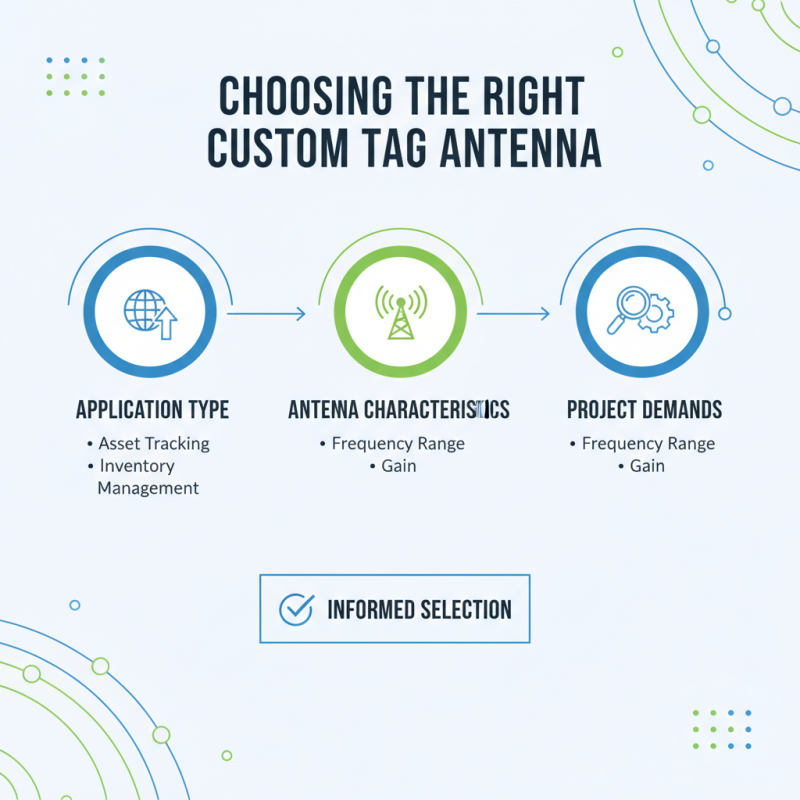
When it comes to selecting the right custom tag antenna, several factors come into play. The type of application greatly influences the choice of antenna design. Applications range from asset tracking to inventory management. Each application requires specific antenna characteristics, such as frequency ranges and gain. Understanding the unique demands of your project is crucial.

Tips: Consider the environment where the antenna will operate. Will it be subject to interference? Indoor and outdoor settings may require different solutions. Additionally, evaluate the range you need. The range will determine the type of antenna you choose, impacting connectivity.

Also, think about the physical dimensions of the antenna. Size can affect performance, especially in compact devices. A larger antenna may enhance connectivity, but it might not be practical for smaller applications. Reflect on how form and function align for your project.

Emphasizing reliability is vital. A poorly designed antenna can lead to connectivity issues. This can disrupt operations and ultimately cost more in the long run. Partnering with experienced professionals can help guide your decision-making process.

Trends in Antenna Technology and Connectivity Solutions

The antenna technology landscape is rapidly evolving, creating new opportunities for enhanced connectivity solutions. Recent reports indicate a projected growth rate of 10% annually in the antenna market, driven by the rising demand for wireless devices. This rise is especially pronounced in sectors like IoT and mobile communications, where the need for reliable connectivity is crucial.

China, as a major player in this field, is enhancing its capabilities in custom antenna designs. Innovations such as China Rfid Tag Antenna have emerged, catering to diverse applications from logistics to healthcare. These antennas offer improved signal strength and reduced interference, essential for maintaining seamless communication. However, challenges remain in ensuring universal compatibility and addressing the varying standards across different regions.

The increasing integration of smart technologies also requires antennas that can handle higher frequencies and bandwidths. Data shows that over 60% of devices now rely on advanced antenna solutions for optimal performance. While advancements are promising, continuous reflection on design and manufacturing processes is important. Enhancing reliability while minimizing costs can be tricky, yet it remains a necessary pursuit in today’s tech-driven world.

Top Manufacturers of Custom Tag Antennas in China

When it comes to custom tag antennas, China is at the forefront of innovation. Manufacturers across the country produce a variety of antennas tailored to unique connectivity needs. The demand for enhanced connectivity solutions is growing, driven by advancements in technology. In this competitive landscape, top manufacturers emphasize quality and performance.

Many producers focus on the production of OEM Rfid Tag Antennas. These antennas are designed for specific applications, such as inventory tracking and access control. High-quality materials and advanced engineering techniques are key to their success. However, not all manufacturers meet the same standards. Some offer products that may not live up to expectations, highlighting the need for careful supplier selection.

China’s manufacturing industry faces challenges, including quality control and regulation compliance. Some companies struggle to maintain consistency in their product lines. Additionally, the rapid pace of technological change can lead to outdated designs. Customers must remain vigilant when selecting partners. Conducting due diligence ensures that the chosen manufacturer understands the complexities of custom tag antennas and their applications.

China Best Custom Tag Antenna Quotes for Enhanced Connectivity Solutions

Manufacturer Antenna Type Frequency Range (MHz) Material Quote (USD)
Manufacturer A Passive RFID Tag 860-960 Plastic $0.50
Manufacturer B Active RFID Tag 433 Metal $2.00
Manufacturer C UHF RFID Tag 902-928 Epoxy $0.80
Manufacturer D NFC Tag 13.56 Paper $0.30
Manufacturer E LF Tag 125 Silicone $0.75

Exploring the Potential of Near-Field Antennas in Enhancing Short-Distance Tag Detection Technology

Near-field antennas have emerged as a pivotal technology in enhancing short-distance tag detection, particularly in environments where precision and reliability are critical. By operating at close range, these antennas effectively mitigate the issue of cross-read interference, which is a common challenge faced in radio frequency identification (RFID) applications. This capability is especially beneficial in dynamic environments such as jewelry inventory management, where the need for accurate tracking of individual items is paramount, and in medical device management, where disposable and often small devices require precise identification.

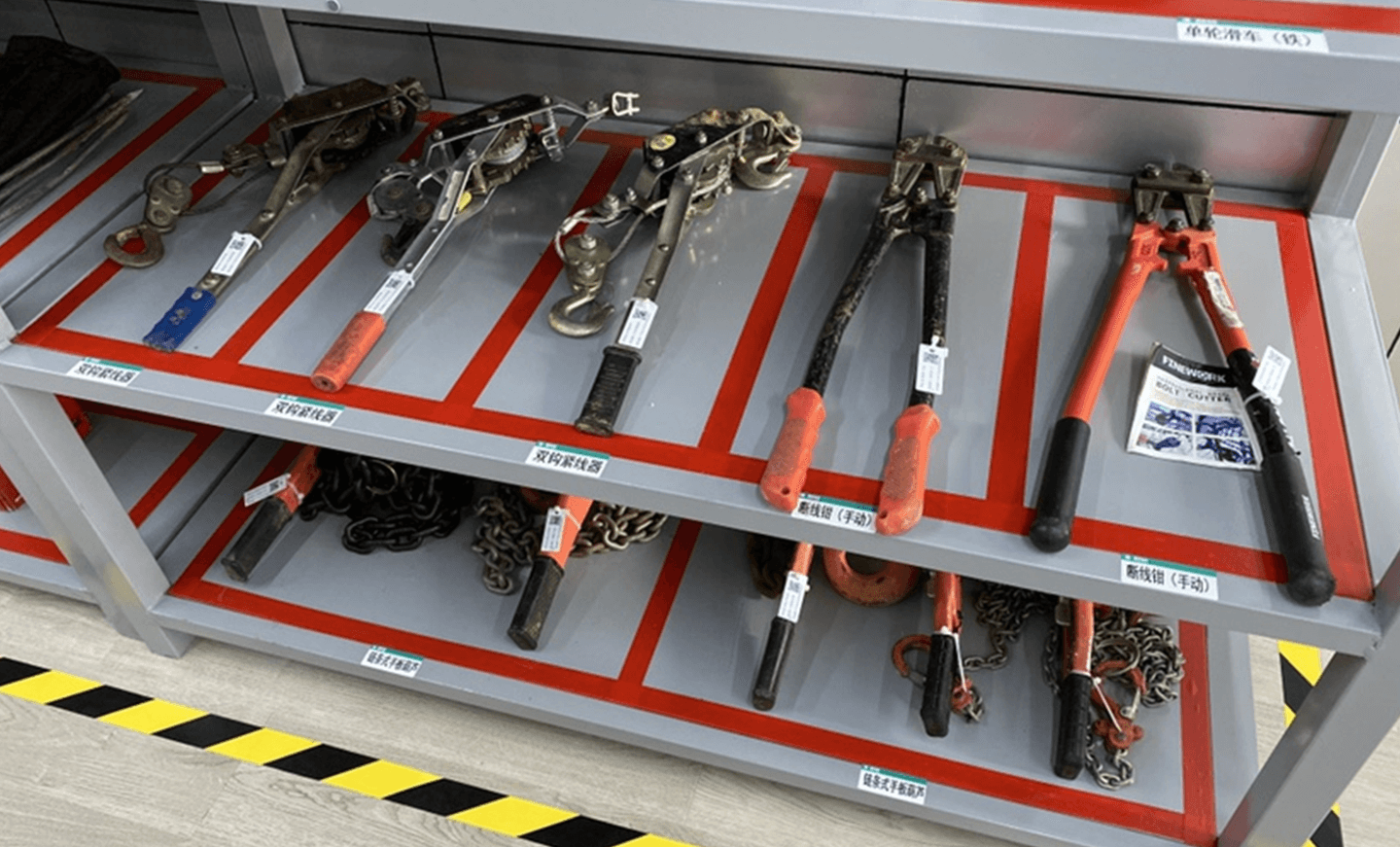
The versatility of near-field antennas extends beyond traditional applications, making them suitable for other scenarios such as smart tool cabinets. In these settings, the ability to quickly and accurately detect and authenticate tools can streamline operations and reduce loss. Our commitment is to provide high-quality, cost-effective solutions tailored to meet the specific needs of various industries. Whether you're looking for customized solutions or general-purpose products, we are here to address your inquiries and ensure prompt responses with detailed product quotations, putting you on the path to enhanced operational efficiency and security.

FAQS

: What are the main types of tag antennas?

: Tag antennas are mainly passive, active, and semi-active. Each type serves different needs.

Why are passive antennas popular?

Passive antennas are cost-effective. They work without a power source and dominate the market share.

How far can active RFID tag antennas operate?

Active antennas can function over distances of 100 to 300 feet. They are ideal for real-time tracking.

What challenges do semi-active antennas face?

Semi-active antennas offer flexibility but can be complex to implement. This poses challenges in various applications.

What trends are influencing antenna technology?

The antenna market is growing at 10% annually. There's a rising demand in IoT and mobile communications.

Why is China significant in antenna manufacturing?

China enhances custom antenna designs. Their products cater to various sectors like logistics and healthcare.

What issues do manufacturers face in antenna production?

Quality control and regulation compliance are ongoing challenges. Some products may not meet expectations.

How do advancements in technology affect antennas?

Antennas now need to handle higher frequencies and bandwidths. Continuous reflection on designs is critical.

What should customers consider when choosing manufacturers?

Carefully select suppliers to ensure quality. Conducting due diligence helps avoid outdated or subpar products.

How can antenna size impact performance?

Larger antennas may perform better but can be cumbersome. Balancing size and performance is a challenge.

Conclusion

Custom Tag Antennas play a crucial role in enhancing connectivity solutions across various industries in China. These antennas come in a variety of types, each designed to meet specific requirements for improved performance. Key features such as frequency range, size, and sensitivity significantly influence their effectiveness in diverse applications, from logistics and inventory management to health care and smart cities.

When selecting the right Custom Tag Antenna, it is essential to consider factors like the environment in which it will be used and the specific connectivity needs of the application. The article also highlights emerging trends in antenna technology, showcasing how advancements continue to shape connectivity solutions. With a growing number of manufacturers in China, the market is well-positioned to meet the rising demand for innovative Tag Antennas tailored to enhance operational efficiency and communication capabilities.

Clara

Clara

Clara is a dedicated marketing professional at Shenzhen Jinruiming Technology Co., Ltd., where she excels in promoting the company's innovative products and services. With a deep understanding of the technology industry, Clara regularly updates the company’s professional blog, sharing insightful......
Previous 2026 How to Choose the Best Wholesale Handheld Reader RFID Service?