Hey there!In today’s fast-changing world of IoT, picking the right Reader Antenna solutions is super important if you want to boost data collection and make communication smoother. Did you know, according to a recent report by Grand View Research, the global IoT market is expected to hit around$1.1 trillion by 2026? That just goes to show how much we're relying on cutting-edge tech to keep everything connected.
At MingQ Technology Limited, we get how crucial it is to have high-quality Reader Antennas — they’re key to making sure everything stays connected and data stays accurate across different uses. With AI and industrial IoT gaining huge traction lately, the need for dependable Reader Antennas is higher than ever.
So, if you’re trying to figure out the best options, this checklist is here to help. It’ll guide you in finding the perfect Reader Antennas to push your IoT projects forward—and give you that extra edge in the market.
Essential Factors to Consider When Choosing Reader Antennas
When you're picking out the Best Reader Antenna options, it’s really important to think about a few key things that can make a big difference in how well they perform and what they can do. Did you know that the global market for automotive smart antennas hit around $2.37 billion in 2023? And it’s expected to almost double, reaching about $5.58 billion by 2032. No surprise — demand for dependable antenna solutions is just skyrocketing. What’s really interesting is how new tech, especially AI—yep, artificial intelligence—is totally changing the game. It’s being used to improve everything from circuit design to electromagnetic simulations, making these systems smarter and more efficient.
On top of that, the TV antenna market is also on the rise. In 2023, it was valued at approximately $546.6 million, and experts say it could grow to around $738.9 million by 2032. As our needs keep changing, it’s super important to pick antennas that perform well across a bunch of different frequencies. Plus, the market for flexible printed circuit (FPC) antennas is also expanding — growing at about 7.2% per year, jumping from $250 million in 2022 to roughly $410 million by 2030. All of this really underscores just how crucial it is to stay on top of market trends and new tech when you're searching for the right antenna solutions — you want the best and most future-proof options, after all.
Ultimate Checklist for Sourcing the Best Reader Antenna Solutions
This bar chart illustrates the importance rating of various factors when sourcing reader antenna solutions. Each factor is rated on a scale from 1 to 10, highlighting their significance in the selection process.
Top Features of High-Performance Reader Antenna Solutions
When it comes to finding high-performance reader antennas, companies really need to focus on a few key features to make sure everything works smoothly and adapts well to different needs. With wireless tech evolving so quickly these days, everyone’s looking for antennas that can handle higher frequencies and still deliver crystal-clear signals. Recently, industry talk has been buzzing about Ultra-Wideband (UWB) antennas — they’re known for cutting down latency and boosting data transfer speeds, which is a big deal whether you’re into IoT gadgets or autonomous cars.
One thing that really stands out with the best antennas is their ability to work seamlessly with the newest network standards, like 6G. The latest innovations include things like transparent antennas—pretty futuristic stuff—that are perfect for smart city setups. They’re made from advanced materials that improve conductivity but also look sleek enough to blend into urban environments. Because, let’s be honest, nobody wants antennas sticking out like sore thumbs, especially in crowded places.
Plus, durability against environmental interference and support for multiple frequency bands are becoming super important as companies try to future-proof their tech investments. All in all, it’s about getting antennas that are not just powerful, but also adaptable and discreet enough to fit into today’s busy, connected world.
Common Mistakes to Avoid in Sourcing Reader Antennas
When you're out shopping for reader antennas, it’s pretty important to watch out for some common mistakes—you don’t want to mess up your whole setup, right? One big thing people often miss is that you really need to make sure the antenna’s frequency matches what you actually need. Different uses call for different frequency ranges. For example, UHF bands are typically used in RFID stuff, while LF and HF bands might be better for other applications. I’ve read that choosing the right frequency can boost your read distances by up to 30%, which is pretty significant.
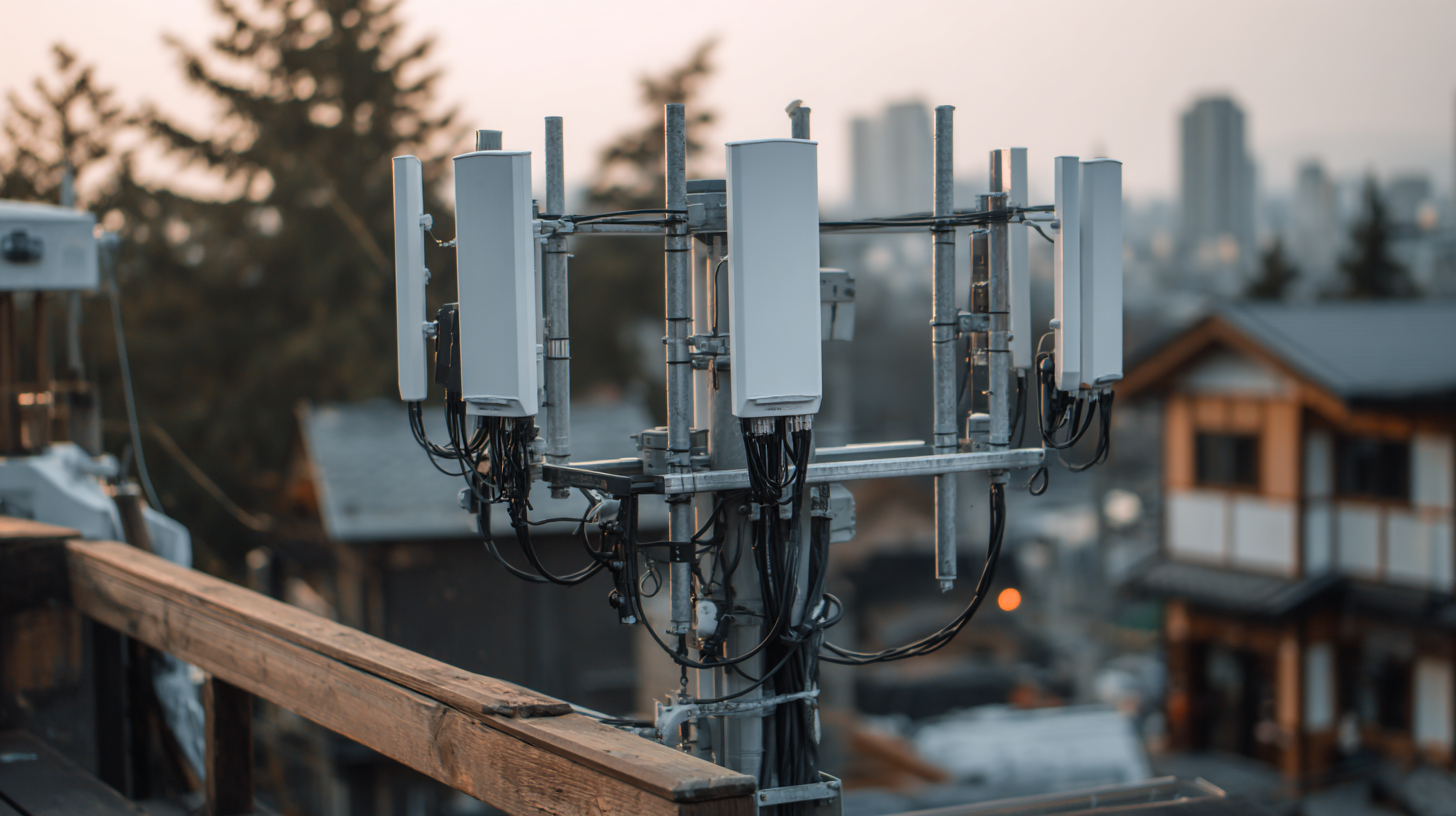
Another thing people tend to overlook is the environment where they’re planning to put these antennas. Things like weather conditions, obstacles around, or electromagnetic noise can seriously mess with performance. It’s a smart move to pick antennas that are designed for the specific environment—whether it’s industrial or commercial. And don’t forget, chatting with a knowledgeable supplier like MingQ Technology Limited can really make a difference because they specialize in customizing IoT hardware to fit various needs.
Pro tip: Before you pick an antenna, take some time to really analyze what you need. Think about how far it should reach, how tough it needs to be, and how much power it’ll use. Also, keep future growth in mind—your IoT needs might change over time, so choose something scalable. Spending a bit of extra time on research now will save you headaches and help ensure you get a reliable, efficient reader antenna in the long run.
Budgeting Tips for Optimal Reader Antenna Solutions
When you're trying to find the best reader antenna solutions, let's be honest—budgeting is key. You want to get the best bang for your buck without going overboard. Here at MingQ Technology Limited, we totally get that investing in IoT tech needs some serious financial planning. So, start by figuring out exactly what you need—think about things like how big your operations are and what kind of data you’re aiming to collect. Getting clear on that stuff will help you pick antennas that actually match what you're looking for and won’t blow your budget.
Oh, and don’t forget to consider the total cost of ownership. It’s about more than just the upfront price—things like installation, ongoing maintenance, and future upgrades should be part of the conversation too. The good news is, MingQ offers a bunch of IoT hardware that’s not only budget-friendly but also backed by our know-how in communication tech and AI. By tapping into our professional services, you can make sure your reader antenna setup is optimized without draining your resources. In the end, it’s all about getting the most value and performance for your investment, right?
Best Practices for Installing and Positioning Reader Antennas
When you're trying to get the best performance out of your reader antennas, installing and positioning them just right really makes a difference. A good starting point is to make sure the antenna is mounted somewhere free from physical obstacles—that can seriously boost your signal and cut down on interference. Also, try to mount it at a height that lines up pretty well with where you need it to read—this helps maximize both coverage and efficiency.
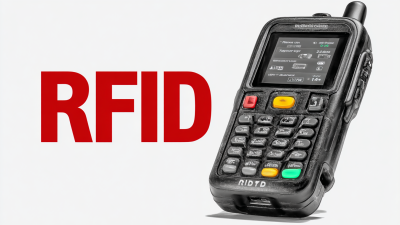
Before you screw everything in for good, it’s a smart move to test out the antenna’s placement. Grab a handheld reader and walk around the area where you'll be doing scans. This way, you can spot any dead zones and tweak the antenna’s angle or height to cover those spots better. Doing a little trial run like this really helps ensure the signals are picked up reliably across the whole area.
And don’t forget about the environment! Things like metal objects nearby can mess with RF signals. To avoid issues, try to keep the antenna away from these obstructions or use special mounts that help minimize interference. Also, steer clear of electronic gadgets that could cause noise—the more you can do to keep the antenna free from interference, the more consistent and reliable your readings will be.

Comparative Analysis of Popular Reader Antenna Brands and Models
When you're on the hunt for the right RFID reader antenna solutions, it’s really important to check out the variety of brands and models out there. Honestly, each brand tends to have its own set of features, designed for different needs—stuff like reading range, compatibility with various frequencies, and how well they hold up in tough environments. For example, brands like Impinj and Zebra are pretty well-known for their high-quality antennas that perform great in busy settings like warehouses, logistics, or retail stores, even when there are tons of tags close together. Comparing these options really helps if you’re trying to get the most out of your RFID setup.
Another thing to think about is where you'll actually be using these antennas. Take the Impinj ALR-9900, for instance—it’s great for warehouses because it covers a long distance and can handle loads of tags at once. On the flip side, if you’re short on space but don’t want to sacrifice performance, the Zebra AN400 series is a solid choice—it’s smaller but still gets the job done. Looking at these options through the lens of your specific needs will help you make smarter decisions. The goal is to pick an antenna that not only fits your operational goals but also boosts your overall RFID game.
Maximize Inventory Efficiency with Bluetooth Portable RFID Reader and Writer GRU-HBT100
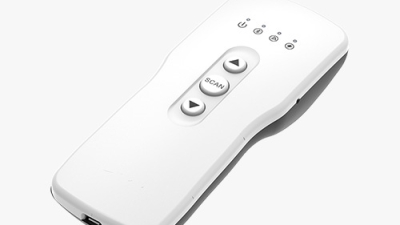
In today's fast-paced business environment, inventory management plays a crucial role in ensuring operational efficiency. The GRU-HBT100 Bluetooth Portable RFID Reader and Writer is designed to elevate this aspect by providing a compact and versatile solution that empowers businesses to maximize their inventory efficiency. Thanks to its Bluetooth capability, the GRU-HBT100 allows seamless connectivity with various Bluetooth-enabled devices including smartphones, tablets, and computers, enabling users to interact with their inventory systems more effectively.
With the GRU-HBT100, users benefit from the flexibility of data transfer and device integration, streamlining the inventory tracking process. This compact RFID reader makes it easier to capture item information in real-time, reducing the time spent on manual data entry and minimizing errors. Whether your business requires customized solutions or general-purpose products, we are dedicated to providing high-quality devices tailored to your needs. Our commitment to cost-effective solutions ensures that you receive the best value without compromising on functionality.
Inquire about the GRU-HBT100 today, and discover how this innovative tool can transform your inventory management. Our team is ready to respond promptly with detailed product quotations to help you make informed decisions swiftly. The integration of advanced technology like the GRU-HBT100 into your operations is not just a smart choice, but a necessary step toward staying competitive in the modern marketplace.
FAQS
: Organizations should prioritize features such as support for high frequencies, exceptional signal quality, seamless integration with next-generation network technologies like 6G, robustness against environmental interference, and compatibility with multiple frequency bands.
UWB technology provides performance benefits like reduced latency and enhanced data throughput, which are crucial for applications in sectors such as IoT and autonomous vehicles.
Transparent antennas enhance conductivity and aesthetics while providing full signal coverage, making them ideal for dense urban areas where inconspicuous installations are necessary.
Organizations should assess their specific needs, considering operational scale and the type of data to capture, and account for the total cost of ownership, including installation, maintenance, and upgrades.
Evaluating the total cost of ownership helps organizations look beyond the initial purchase price to ensure they choose antennas that fit their budget while providing long-term performance and support.
MingQ Technology Limited offers cost-effective IoT hardware and technical services, helping clients optimize their reader antenna solutions while maintaining budget constraints.
Robustness against environmental interference ensures consistent performance in various conditions, which is increasingly vital as enterprises aim to future-proof their investments in antenna technology.
Compatibility with multiple frequency bands allows antennas to be versatile and adaptable, catering to diverse application needs as technology evolves and new standards emerge.

 Rotary HF RFID Tag Reader GRH-I40 Suitable for Assembly Lines
 Industrial-grade High-frequency Integrated Reader GRH-I65 Suitable for Asset Tracking
 With ESD Protection HF RFID Reader GRH-I68 Suitable for Progress Tracking
 Proximity HF RFID Reader GRH-M30 Suitable for Manufacturing Workshops
 Desktop HF RFID Scanner GRH-D80-HID Suitable for Card-issuing Applications
 High Frequency Medium Distance Reader GRH-I90 Suitable for Logistics Production Line
 UHF RFID Portals and Tunnel Machine RFly-AM3000 for Access Control
 Narrow RFID Portals Series TD-P20040-SS for Single Tag Entry and Exit Identification Scenario
 RFID Transmission Line Simple Identification Tunnel Machine (TD-T3050)
 Vision and RFID Tunnel Machine TD-T7692-RV for Logistics Sorting
 RFID Transmission Line Identification Tunnel Machine TD-T10090
 RFID Mobile Inventory Tunnel Machine TD-T65150 for Conveyor Belts
 High-Performance Far-Field Antennas for Broad Coverage.
 Multi-Purpose Antennas: Flexibility for Diverse Applications
 Near-Field Antennas for Short-Distance Tag Detection.
 Portals & Tunnel Antennas for Integrated RFID Series
 Slimline PCB Antennas for Warehousing and Logistics
 Miniaturized and Thin Antennas can Provide Good Performance in a Smaller Size.
 GPS Tracker for Vehicles, Car, Kids, Assets.
 CO2 Sensors Detect CO2 Gas through Alarms, Suitable for Offices, Planting Tents.
 Door Sensor, Detect Open and Closed Doors or Windows, Sends Alerts, Triggers Siren.
 Wireless Level Sensor Equipped with a 5-Meter Detection Line, Suitable for Water Tanks
 Real Time Monitoring of Air Quality Using PM2.5/PM10 Sensors.
 Smoke Sensor, Fire Alarm Smoke Detector with Test Button and Low Battery Reminder.
 Soil Stress Sensor,Bridge and Tunnel Monitors.
 Vibration Sensor Monitors Equipment, Like Conveyors and Motors, for Operational Status.
 E -Paper Display
 Smart Water Sensor Alarms, 1.2 M Detection Line.
 CO Sensor for Basements Home Office House Bedroom Living Room Car, Light Plug and Play.
 Temperature and Humidity Sensor
 Multi-sensor GD-ME
 Temperature Sensors Monitor the Surface Temperature of Various Heating Equipment.-1
 Signal Enhancement Terminal, Long Range Coverage.
 Multi-Protocol Communication Gateway, App Remote Control.
 Edge Vision Gateway can Access Various Mainstream Cameras, Suitable for Office, Factory.
 GBS-3550 Outdoor Sensor Gateway,LoRa, 2/3/4G Communication.
 Smart WiFi Gateway, Realize Remote Control.
 Ultra-Low-Power Solar-Powered Intelligent Gateway (Outdoor)
 IP67-protected Integrated RFID Reader Writer RFly-I165 for Supply Chain
 Long-range Distance UHF RFID Reader RFly-I195 for Inventory Management
 Small UHF RFID Tag Reader RFly-I300 for Cars
 Two-channel Compact Fixed RFID Reader RFly-F210 for Warehousing
 Four Channels Fixed UHF RFID Reader RFly-R6 for Supply Chain
 8-channel UHF RFID Tag Reader RFly-R8 for File Cabinet Identification
 Bluetooth Portable RFID Reader and Writer GRU-HBT100 for Inventory Management
 Industrial Grade Handheld UHF RFID Reader GRU-HC520 Suitable for Logistics
 RFID Gateway Networking System
 RFID Passive Temperature Measurement System
 RFID Tags for Container Turnover Management
 RFID Tags for Equipment O&M Management
 RFID Tags for Manufacturing Management
 RFID Tags for Tool Management
 A Kits for Equipment Condition Detection
 A Kits for Office Computer Room Environment Monitoring
 A Kits for Reservoir Environmental Monitoring
 A Kits for Storage Space Environment Monitoring
 A Kits for Stress Detection of Underground Tunnel
 A Kits for Urban Environment Monitoring
 Intelligent IoT Monitoring Platform
 Integrating Multiple Functional OTG Demo Software
 HF Demo Software
 UHF Demo Software