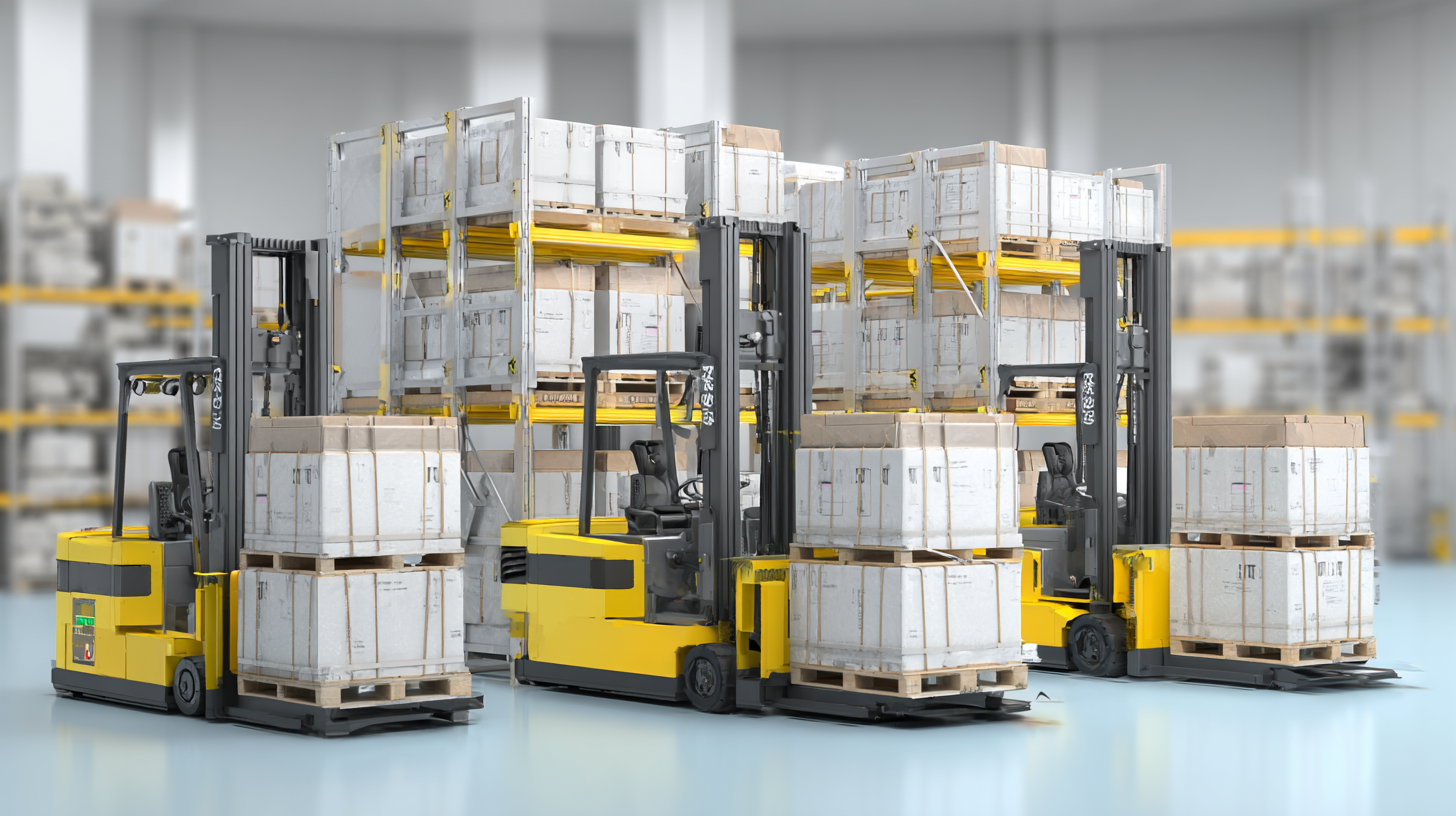
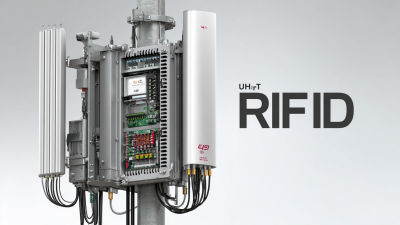
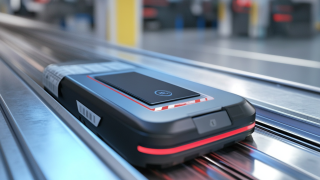
In today’s fast-paced supply chain world, having a solid Rfid Inventory Management System really makes a difference for businesses aiming to stay ahead. I read somewhere that the RFID market in retail is expected to hit around $6 billion by 2025 — that’s pretty huge! It’s mainly because companies want better inventory visibility and are looking to cut down operational costs. That said, setting up these systems isn’t always smooth sailing. Things like integrating new tech, training staff, and handling all the data can be tricky. That’s where MingQ Technology Limited comes in. With our expertise in both IoT hardware and software, we’re ready to help organizations tackle these challenges. Using cutting-edge AI and IoT tech, we can help businesses roll out RFID systems that really boost efficiency, accuracy, and better control over their inventory. We’re here to make the process easier and more successful for you.

Understanding RFID Technology: An Overview of Its Benefits and Challenges in Inventory Management
Hey there! You know, RFID technology really shook things up when it comes to managing inventory. It’s like having a superpower—being able to track assets in real-time and get a clear, up-to-the-minute view of everything. And the best part? It automates data collection, which means fewer mistakes and a lot less hassle for everyone. Businesses can actually streamline what they do on a daily basis. Those tiny RFID Tags you stick onto items? They can be scanned automatically—no need to line them up just right or anything. That’s a total game-changer, speeding up inventory checks by leaps and bounds. Here at MingQ Technology Limited, we’re pretty good at IoT solutions, so we know how to make RFID work perfectly for helping businesses get their inventory under control.
Of course, jumping into RFID isn’t all smooth sailing. There are some tricky parts—like making sure it plays nice with your existing systems, training staff so everyone’s on the same page, and dealing with the costs of the hardware and software. Then there’s the data security stuff—can’t forget about that! Plus, sometimes other electronic devices can interfere with RFID signals, which is, you know, less than ideal. The key is to understand these bumps in the road upfront so your company can plan better. At MingQ, we’re here to help our clients tackle these challenges head-on, making sure they get the most out of their RFID investments without a hitch. Our goal? To help your business smoothly transition into smarter, RFID-enabled inventory management—because, let’s face it, everyone wants that kind of efficiency.
Key Factors Driving Successful RFID Implementation in Your Organization
Making a successful move to an RFID inventory system isn’t just about slapping on some tags and hoping for the best. First things first, you really gotta understand your own organization—what each department does and where things tend to get messy. This step is super important because it helps spot those pain points, like when tracking inventory gets weird or simply doesn’t add up right. When you get a clear picture of these quirks, you can really tailor the RFID setup so it actually suits your needs instead of being a one-size-fits-all solution.
And let’s not forget, building a good team vibe is key. Getting everyone on board and making sure they see the benefits of RFID can make the whole process way smoother. Keep the communication open and offer regular training—nothing kills momentum faster than resistance. When folks understand how it all works and see it’s gonna help them out, they’re way more likely to embrace the change.
**A Few Tips:**
1. Take a close look at your current inventory workflows first—this helps line up the RFID tech with what you’re trying to achieve.
2. Set clear goals and metrics to see how well the RFID system is working, so you can keep tweaking and improving.
3. After going live, make sure to listen to feedback from the team—their insights can point out issues you might not have spotted, and addressing these early on makes a big difference.

Common Pitfalls in RFID Inventory Management: Statistics That Highlight the Risks
Honestly, setting up a solid RFID inventory management system can be a total game-changer for how smoothly your operations run and how accurate your tracking is. That said, a lot of companies run into the same kinds of problems that can seriously throw a wrench in the works. Did you know that nearly 30% of RFID projects face issues like going over budget or facing delays? A big part of that trouble comes from not planning things out properly, skipping on enough user training, or not integrating the new system correctly with what they already have in place. So, yeah — having a good plan from the start is super important.
And here’s the thing — ignoring data accuracy can lead to some pretty serious headaches. If your inventory figures are off, you might end up with stockouts or way more inventory than you actually need, which can cost a company around $20% of their yearly revenue. That’s a huge hit! Plus, about 40% of businesses say they still struggle to keep track of items accurately even after they've gone live. It just goes to show how vital it is to spot these potential issues early on and tackle them during the planning and rollout phases.
Getting this stuff right from the get-go is really the key to unlocking all the benefits an RFID system has to offer.
Best Practices for Training Employees in RFID Inventory Systems to Maximize Efficiency
Trying out an RFID inventory management system can really help streamline your day-to-day operations, but honestly, its success depends a lot on how well you train your team. I read a recent study from RFID Journal that says companies that put extra effort into thorough training see about a 30% boost in efficiency compared to those that just do the bare minimum. It just goes to show—making sure your staff knows how to really use the tech is super important.
If you want to get the most out of RFID, I’d definitely recommend including hands-on sessions where employees can actually get comfortable with the equipment. A report from Aberdeen Group mentioned that companies using interactive training methods cut down errors related to inventory by half—that’s pretty impressive. Also, don’t forget about periodic refreshers and updates on new features or improvements. Keeping the team in the loop keeps everyone engaged and ensures they're still sharp as the technology evolves. Overall, investing in good training isn't just about boosting productivity; it’s about building a team that’s confident and ready to handle the complexities of RFID systems without pulling their hair out!
Overcoming Challenges in Best RFID Inventory Management System Implementation - Best Practices for Training Employees in RFID Inventory Systems to Maximize Efficiency
| Training Topic | Description | Duration (Hours) | Training Method | Expected Outcome |
| Introduction to RFID Technology | Overview of RFID technology and its benefits for inventory management. | 2 | Lecture | Understanding RFID basics. |
| RFID System Components | Detailed explanation of RFID tags, readers, and software systems. | 3 | Workshop | Familiarity with components used. |
| Operational Procedures | Best practices for scanning and tracking inventory using RFID. | 4 | Hands-on Training | Efficient inventory tracking skills. |
| Data Management | Training on data entry, management, and reporting in RFID systems. | 3 | Interactive Workshop | Accurate data handling and reporting. |
| Troubleshooting Common Issues | Identifying and solving common RFID operational issues. | 2 | Group Discussion | Improved problem-solving skills. |
| Safety and Compliance | Ensuring safety measures and compliance with regulations during RFID use. | 2 | Lecture and Q&A | Awareness of safety and compliance requirements. |
| Continuous Improvement | Encouraging feedback and iterative improvement of RFID processes. | 1 | Feedback Session | Adaptation of processes for enhanced efficiency. |
Case Studies: Successful RFID Implementation Stories and What We Can Learn from Them
Alright, so deploying an RFID inventory management system might seem a bit intimidating at first glance. I get it—it's a new tech, and change can be intimidating. But honestly, the success stories from different industries really show just how much of a game-changer it can be. Companies that have jumped on board with RFID have seen more than just better tracking and accuracy; they've also dramatically boosted their operational efficiency. Like, retailers have managed to make their supply chains smoother, and manufacturers are streamlining their inventory pretty impressively. It’s clear—RFID can really help tackle some of those everyday headaches.
If you're thinking about getting started, here are a couple of tips that might help. First off, doing a proper needs assessment is super important. Take the time to really understand what challenges your business is facing and how RFID could make a difference. Also, bringing your team into the process early on is a smart move—getting them on board makes things way easier down the line. And don’t try to go all-in right away. Starting with a small pilot project, see how it goes, and then scale up based on what you learn—that’s usually the way to go.
And hey, MingQ Technology Limited is pretty experienced in this space. They specialize in IoT software and hardware, and their expertise can really help guide your company through the process. Thanks to the latest communication and industrial IoT tech, you can not only set up your RFID system smoothly but also unlock some serious operational benefits. Long story short, with some careful planning and the right support, your business could enjoy all the wins we see in those success stories. It’s all about taking that first step and trusting the process.
RFID Inventory Management System Implementation Success Rates
Future Trends in RFID Technology: Innovations That Will Shape Inventory Management
RFID technology is really set to shake up how we manage inventory, and it’s shaping what's coming next for retail and warehouses. As this tech keeps improving, we’ll probably see more smart shelves and automated tracking systems popping up. These upgrades aren’t just about making things run smoother—they also help deliver a better shopping experience by giving real-time updates on product stock levels and cutting down those annoying out-of-stock moments.
Looking ahead to 2025, there are some exciting trends on the horizon—things like combining RFID with other cool tech like IoT (Internet of Things) and AI (artificial intelligence). This combo is going to make supply chains more resilient, so businesses can bounce back fast when stuff hits a bump. Think about IoT sensors connected to RFID: they’ll help give a clearer picture of what’s in stock, making restocking more efficient and cutting back on waste.
Tips: If you want to stay ahead in this fast-changing scene, it’s a good idea to start training your team now to get comfy with these new tools. Also, teaming up with innovative startups that specialize in RFID and IoT solutions can be a game-changer—they often offer tailored strategies that boost efficiency and keep customers happy. And don’t forget—keep an eye on the latest market trends and what your customers want so you can tweak your approach on the fly. That way, your inventory game stays sharp and ready to roll.
Harnessing Progress Tracking Efficiency: The Role of ESD Protection and HF RFID Reader GRH-I68
Harnessing Progress Tracking Efficiency: The Role of ESD Protection and HF RFID Reader GRH-I68
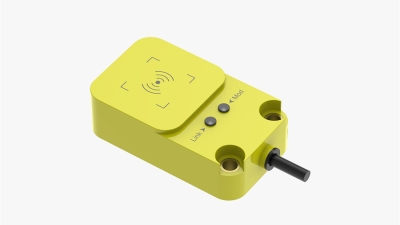
In industries where tracking assets is crucial, the implementation of high-frequency (HF) RFID technology has proven to be a game-changer. The GRH-I68, a state-of-the-art integrated RFID reader, stands out due to its robust ESD (electrostatic discharge) protection capabilities. According to industry reports, devices exposed to high levels of static electricity can experience failures up to 30%, significantly impacting operational efficiency. The GRH-I68 mitigates this risk, ensuring its reliability in environments prone to electrostatic activity.
Furthermore, the ease of use of the GRH-I68 enhances operational workflows, as users can transition seamlessly between tasks without concerns over equipment reliability. The reader's design not only prioritizes user-friendliness but also emphasizes durability, allowing businesses to invest in a long-lasting solution. It has been observed that companies experience a noticeable increase in asset tracking accuracy and speed when employing high-quality RFID technology, further highlighting the importance of selecting devices with superior protection features.
As industries continue to demand more from their tracking technologies, the GRH-I68 provides a compelling option that balances performance with resilience. Whether organizations are considering general-purpose RFID solutions or customized implementations, they can rely on the GRH-I68's capabilities to boost their tracking efficiency while safeguarding against potential electrostatic damage. With our commitment to delivering high-quality, cost-effective products, we encourage inquiries for quotations to support your operational needs.
FAQS
: RFID (Radio Frequency Identification) technology allows for real-time tracking and enhanced visibility of assets. It automates data collection, reduces human error, increases efficiency, and speeds up inventory processes by enabling automated scanning without the need for direct line of sight.
Organizations may encounter challenges such as integration with existing systems, the need for employee training, costs of RFID hardware and software, data security concerns, and potential interference with other electronic devices.
Companies should assess their specific needs, identify roles in the inventory process, and address inefficiencies. Fostering collaboration and ensuring all stakeholders understand the value of RFID technology is also crucial.
Comprehensive employee training is essential as it leads to higher operational efficiency. Organizations that invest in thorough training have seen a significant increase in productivity and a reduction in errors associated with inventory management.
Best practices include hands-on sessions for employees to interact with the technology, using interactive learning methods, and providing regular updates and refreshers about system improvements.
Companies should establish clear performance metrics to track the impact of RFID on their inventory processes, which will enable continuous improvement and optimization.
Encouraging feedback from users post-implementation allows businesses to fine-tune the systems and promptly address any emerging issues, ensuring better overall performance.
MingQ Technology Limited provides comprehensive support services to help clients navigate challenges associated with RFID implementation, ensuring a successful transition to advanced inventory management solutions.

 Rotary HF RFID Tag Reader GRH-I40 Suitable for Assembly Lines
 Industrial-grade High-frequency Integrated Reader GRH-I65 Suitable for Asset Tracking
 With ESD Protection HF RFID Reader GRH-I68 Suitable for Progress Tracking
 Proximity HF RFID Reader GRH-M30 Suitable for Manufacturing Workshops
 Desktop HF RFID Scanner GRH-D80-HID Suitable for Card-issuing Applications
 High Frequency Medium Distance Reader GRH-I90 Suitable for Logistics Production Line
 UHF RFID Portals and Tunnel Machine RFly-AM3000 for Access Control
 Narrow RFID Portals Series TD-P20040-SS for Single Tag Entry and Exit Identification Scenario
 RFID Transmission Line Simple Identification Tunnel Machine (TD-T3050)
 Vision and RFID Tunnel Machine TD-T7692-RV for Logistics Sorting
 RFID Transmission Line Identification Tunnel Machine TD-T10090
 RFID Mobile Inventory Tunnel Machine TD-T65150 for Conveyor Belts
 High-Performance Far-Field Antennas for Broad Coverage.
 Multi-Purpose Antennas: Flexibility for Diverse Applications
 Near-Field Antennas for Short-Distance Tag Detection.
 Portals & Tunnel Antennas for Integrated RFID Series
 Slimline PCB Antennas for Warehousing and Logistics
 Miniaturized and Thin Antennas can Provide Good Performance in a Smaller Size.
 GPS Tracker for Vehicles, Car, Kids, Assets.
 CO2 Sensors Detect CO2 Gas through Alarms, Suitable for Offices, Planting Tents.
 Door Sensor, Detect Open and Closed Doors or Windows, Sends Alerts, Triggers Siren.
 Wireless Level Sensor Equipped with a 5-Meter Detection Line, Suitable for Water Tanks
 Real Time Monitoring of Air Quality Using PM2.5/PM10 Sensors.
 Smoke Sensor, Fire Alarm Smoke Detector with Test Button and Low Battery Reminder.
 Soil Stress Sensor,Bridge and Tunnel Monitors.
 Vibration Sensor Monitors Equipment, Like Conveyors and Motors, for Operational Status.
 E -Paper Display
 Smart Water Sensor Alarms, 1.2 M Detection Line.
 CO Sensor for Basements Home Office House Bedroom Living Room Car, Light Plug and Play.
 Temperature and Humidity Sensor
 Multi-sensor GD-ME
 Temperature Sensors Monitor the Surface Temperature of Various Heating Equipment.-1
 Signal Enhancement Terminal, Long Range Coverage.
 Multi-Protocol Communication Gateway, App Remote Control.
 Edge Vision Gateway can Access Various Mainstream Cameras, Suitable for Office, Factory.
 GBS-3550 Outdoor Sensor Gateway,LoRa, 2/3/4G Communication.
 Smart WiFi Gateway, Realize Remote Control.
 Ultra-Low-Power Solar-Powered Intelligent Gateway (Outdoor)
 IP67-protected Integrated RFID Reader Writer RFly-I165 for Supply Chain
 Long-range Distance UHF RFID Reader RFly-I195 for Inventory Management
 Small UHF RFID Tag Reader RFly-I300 for Cars
 Two-channel Compact Fixed RFID Reader RFly-F210 for Warehousing
 Four Channels Fixed UHF RFID Reader RFly-R6 for Supply Chain
 8-channel UHF RFID Tag Reader RFly-R8 for File Cabinet Identification
 Bluetooth Portable RFID Reader and Writer GRU-HBT100 for Inventory Management
 Industrial Grade Handheld UHF RFID Reader GRU-HC520 Suitable for Logistics
 RFID Gateway Networking System
 RFID Passive Temperature Measurement System
 RFID Tags for Container Turnover Management
 RFID Tags for Equipment O&M Management
 RFID Tags for Manufacturing Management
 RFID Tags for Tool Management
 A Kits for Equipment Condition Detection
 A Kits for Office Computer Room Environment Monitoring
 A Kits for Reservoir Environmental Monitoring
 A Kits for Storage Space Environment Monitoring
 A Kits for Stress Detection of Underground Tunnel
 A Kits for Urban Environment Monitoring
 Intelligent IoT Monitoring Platform
 Integrating Multiple Functional OTG Demo Software
 HF Demo Software
 UHF Demo Software