Leave Your Message
0%

In the fast-changing world of IoT, it's no surprise that the demand for solid RFID systems has shot up. I came across a report from MarketsandMarkets that predicts the global RFID market will hit around $40 billion by 2026, and a big part of that growth comes down to RFID Reader Antennas. Emily Chen, who’s quite the expert in RFID tech, even mentioned once, “Picking the right RFID reader antenna can really make a difference in how smoothly your inventory gets managed.” That really highlights how important it is to make smart choices when you're buying these antennas.

Getting a hang of the different rfid reader antenna types out there is pretty crucial. Each kind’s suited for different uses — like passive versus active systems — and that can really impact how well they work and what they cost. Honestly, the whole landscape can be super confusing, especially if you’re new to this tech. You’ve got to think about things like read range, the environment you’re working in, and compatibility with your frequency — it’s a lot to take in.

And here’s the tricky part: finding the right balance between quality and budget can be a real headache. Usually, industry insiders will tell you that investing in a top-notch RFID reader antenna actually pays off over time. But a lot of folks still end up going for cheaper options, sometimes without really thinking about whether those choices will hold up as their needs grow or if they can rely on them long-term.

How to Buy OEM Rfid Reader Antenna Quotes Effectively?

Understanding OEM RFID Reader Antennas

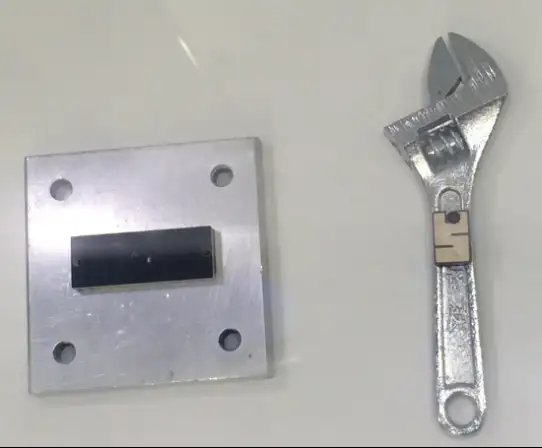
Understanding OEM Rfid Reader Antennascan be a bit daunting. These antennas are crucial for the performance of RFID systems. They serve as the bridge between the RFID Tags and the readers.When selecting an OEM RFID Reader Antenna, consider its gain and beamwidth. A higher gain can increase reading distance, while beamwidth impacts coverage area.

Installation and environmental conditions affect performance as well. Antennas should be matched to their operating environments. For instance, a robust antenna may be needed for outdoor use, while a more delicate one might suffice indoors. It's important to ensure proper alignment during setup, as even minor misalignments can lead to weakened signals.

The complexities of technology often lead to oversights. Sometimes, users neglect to evaluate antenna specifications adequately. Understanding both the technical jargon and practical implications is essential. Engaging with professionals or forums can deepen your knowledge. Seek insights and share experiences—this is how one grows in expertise regarding RFID Reader Antenna choices.

Key Features to Look for in RFID Antennas

How to Buy OEM Rfid Reader Antenna Quotes Effectively?

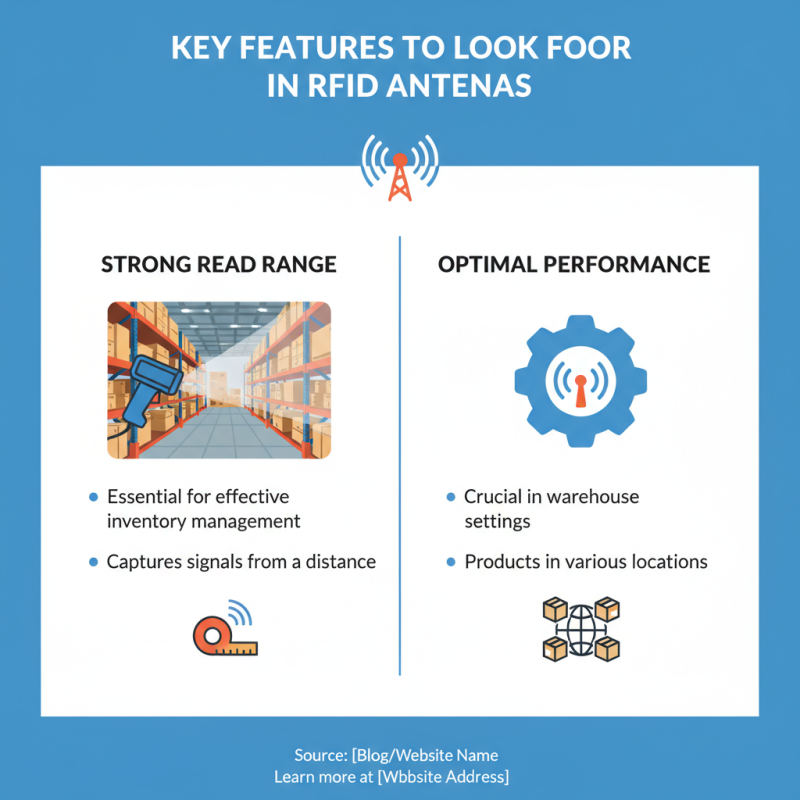
When choosing an RFID reader antenna, it's crucial to consider key features that impact performance. A strong read range is essential for effective inventory management. Look for antennas designed to capture signals from a distance. This feature is vital in warehouse settings where products are stored in various locations.

Another important aspect is compatibility with existing systems. Ensure that the Rfid Reader And Antenna work seamlessly together. Check specifications for frequency range and power output. Selecting components that match will enhance reliability. Incompatibility can lead to frustrating performance issues.

Durability is also a significant factor. Antennas should withstand environmental factors if used outdoors. Consider antennas with a robust housing design, especially if they will face harsh conditions. While the choice might seem overwhelming, focusing on these areas simplifies the decision-making process. When purchasing an RFID reader antenna, examine these details carefully for better outcomes.

Identifying Reliable Suppliers for OEM RFID Antennas

Identifying reliable suppliers for OEM RFID antennas is crucial for businesses looking to enhance their operations. Recent industry reports indicate that about 70% of RFID implementation failures stem from poor supplier selection. Therefore, taking the time to evaluate potential partners can save time and resources.

Key factors to consider include production capacity, quality certifications, and customer support. A supplier should have solid manufacturing capabilities, along with certifications like ISO 9001. Additionally, industry insights reveal that suppliers with extensive experience in RFID technology tend to provide better products that meet client specifications. Seek out those with a proven track record in your application area.

Researching reviews and testimonials helps uncover a supplier’s reliability. Industry studies suggest that 65% of businesses rely heavily on peer referrals for finding trustworthy suppliers. It is essential to connect with other businesses in the field and gather insights. This community approach can shine a light on potential red flags that may not show up in official documentation. Remember, a well-informed choice today will lead to smoother operations tomorrow.

How to Buy OEM Rfid Reader Antenna Quotes Effectively? - Identifying Reliable Suppliers for OEM RFID Antennas

Supplier Location Product Type Price Range (USD) Lead Time (Days) Minimum Order Quantity Contact Method
Asia Antenna Type A $50 - $100 15 100 Email
Europe Antenna Type B $70 - $120 10 200 Phone
North America Antenna Type C $80 - $150 20 50 Website Form
Asia Antenna Type D $60 - $110 25 150 Chat
South America Antenna Type E $90 - $160 30 75 Email

Comparing Quotes: Price vs. Quality in RFID Antennas

When evaluating quotes for OEM RFID reader antennas, comparing price and quality is essential. Many buyers focus primarily on the lowest price. However, this approach can lead to disappointing results. Selecting an RFID antenna requires balancing cost and performance. Quality antennas often offer better range and reliability. This means they can save money in the long run.

Quality factors can include the material used, design, and manufacturing standards. A well-made Rfid Antenna And Reader system improves accuracy and data retrieval. It's important to research and verify claims made by suppliers. Not all cheaper options are worth the investment. Don't overlook warranties and customer support. They can be indicators of reliability and commitment to quality.

Some buyers might notice quality issues after purchase, which can lead to frustration. Reflecting on prior experiences with failed antennas could guide better decision-making. Balancing cost with quality is crucial. Make informed choices based on solid evidence rather than just price tags. Consider how the right RFID antenna and reader can impact your operations positively.

Negotiation Strategies for OEM RFID Reader Antennas

How to Buy OEM Rfid Reader Antenna Quotes Effectively?

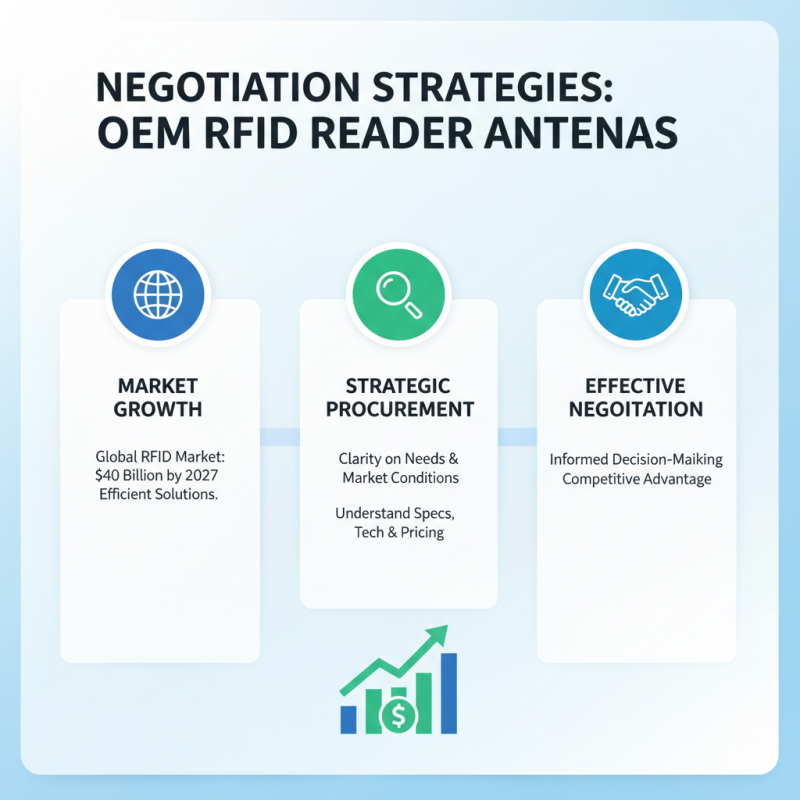
Negotiating for OEM RFID reader antennas requires a blend of strategy and insight. According to a recent industry report, the global RFID market is expected to reach $40 billion by 2027, highlighting the growing demand for efficient RFID solutions. Firms must approach antenna procurement with clarity on their needs and market conditions. Having a detailed understanding of specifications, technologies, and competitive pricing is essential for effective negotiations.

During discussions, don’t shy away from asking probing questions. This helps identify the supplier's constraints and flexibility. For instance, did you know that 75% of procurement professionals say that they lack sufficient data for informed negotiations? Leverage this gap by being well-prepared with market research and alternatives. Presenting compelling reasons for your price point can shift the conversation in your favor.

Transparency can also play a crucial role in negotiations. Sharing insights about budget constraints or project timelines fosters trust. Many companies overlook the importance of open dialogues. This perspective can create win-win situations. If discussions feel stagnant, consider re-evaluating your criteria. Adapting your approach may lead to unexpected opportunities and aid in striking a better deal.

Evaluating Warranty and Support Options

When purchasing an OEM RFID reader antenna, evaluating warranty and support options is crucial. A robust warranty can provide peace of mind. It indicates the manufacturer’s confidence in their product's durability. Look for warranties that cover defects for an extended period, ideally over one year. Check for clear terms detailing what is covered, including potential repairs or replacements.

In addition to warranty, consider the support options available. Does the manufacturer offer technical assistance? Responsive customer service can save you time and frustration. Reach out to support teams with questions before purchase. Their responsiveness is a reflection of their commitment to customer satisfaction.

Reflecting on your options is vital. Some manufacturers may have promising warranties but lack effective support systems. Conversely, a vendor with solid support might offer shorter warranty periods. Weigh these factors carefully. In a fast-evolving tech landscape, reliable support can greatly enhance your experience. Choose wisely, and ensure you have the backing you need.

Finalizing Your Purchase: Best Practices for OEM Transactions

When finalizing your purchase of an OEM RFID reader antenna, it’s crucial to do thorough research. Begin by identifying the technical specifications that suit your requirements. Look for essential features like frequency range and power output. This level of detail helps ensure compatibility with your existing systems.

Engaging with multiple suppliers can provide valuable insights. Ask for their certifications and experience in the field. Review their previous projects to gauge reliability. Effective communication is key, too. Seek clarity on lead times and return policies. Establishing trust can prevent misunderstandings later on.

Reflecting on your options is equally important. Don’t rush to choose the lowest price. Sometimes, a slightly higher investment may lead to better quality. Keep records of your discussions and agreements. This practice can protect you if issues arise after the purchase. By prioritizing thoroughness and transparency, you can make an informed decision about your Uhf Rfid Reader Antenna equipment.

Optimizing Manufacturing Efficiency: Leveraging RFID Tags for Real-Time Inventory Management and Workflow Automation in Industry 4.0

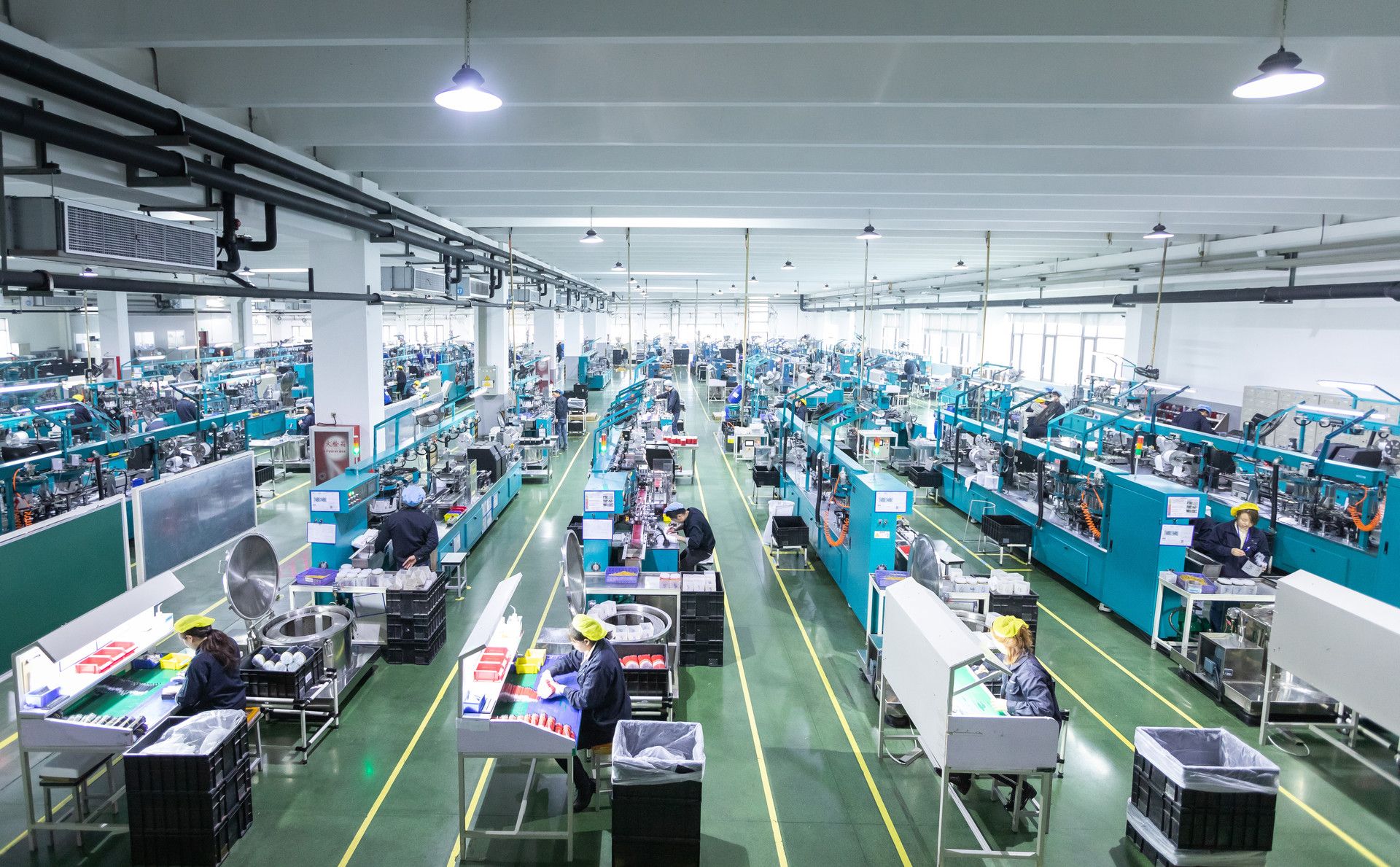
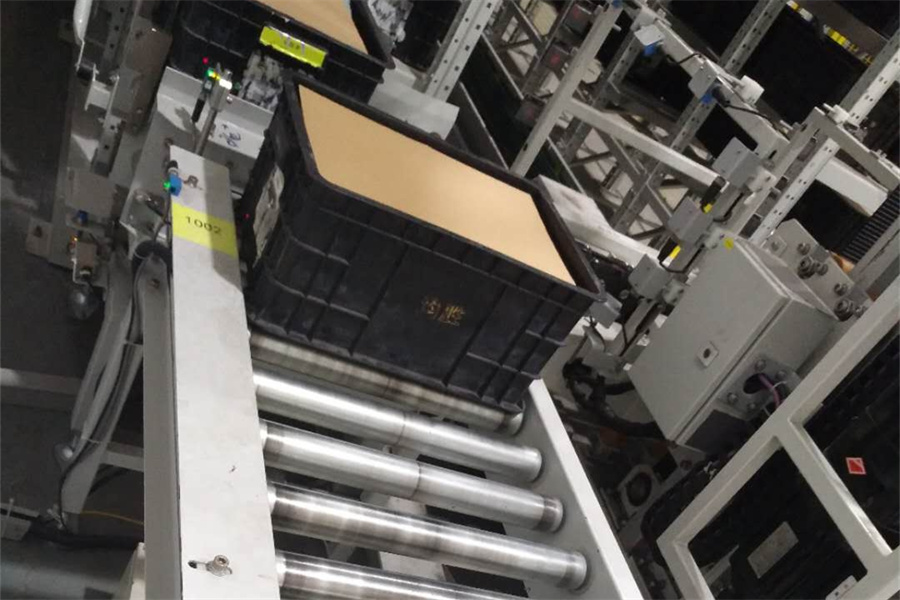
In the era of Industry 4.0, optimizing manufacturing efficiency is more critical than ever. Leveraging RFID tags for real-time inventory management and workflow automation presents a transformative opportunity for manufacturers. These innovative solutions facilitate seamless process management, ensuring that product tracking, asset management, and warehouse operations enhance overall productivity. By utilizing RFID technology, companies can reduce errors, minimize downtime, and achieve greater accuracy in inventory control, which is vital for meeting market demands.

Furthermore, RFID tags enable visualization of the entire production process, providing manufacturers with actionable insights. This level of visibility allows for immediate adjustments to workflows, ensuring that quality control measures are consistently upheld. Whether businesses require tailored solutions that align perfectly with their operational needs or general-purpose products, there is a commitment to delivering high-quality and cost-effective options. By optimizing these manufacturing processes, companies can streamline their operations, ultimately leading to improved profitability and competitiveness in a fast-evolving marketplace.

FAQS

: What key features should I look for in RFID antennas?

: Look for a strong read range and compatibility with existing systems. This impacts performance greatly.

How does the read range affect inventory management?

A strong read range allows signals to be captured from a distance, making it easier to track items.

Why is supplier selection important for RFID antennas?

Poor supplier choices lead to implementation failures. Take time to evaluate potential partners.

What factors should I consider when choosing a supplier?

Production capacity, quality certifications, and customer support are crucial for reliable suppliers.

How can I confirm a supplier's reliability?

Research reviews and testimonials. Peer referrals can provide valuable insights about suppliers.

What warranty options should I look for?

A good warranty should cover defects for over a year, detailing repairs or replacements.

Why is customer support important when purchasing an antenna?

Responsive support can save time and frustration. It reflects the manufacturer's commitment to satisfaction.

Should I prioritize warranty or support?

Both are important. Weigh warranty length against the quality of support available.

How can harsh environments affect my antenna choice?

Durability is crucial for outdoor use. Choose antennas designed to withstand harsh conditions.

What should I do if I find an overwhelming number of options?

Focus on durability, compatibility, and warranty details to simplify your decision. Reflect before deciding.

Conclusion

When purchasing an OEM RFID Reader Antenna, it's essential to first understand the specific features that contribute to efficient performance. Key attributes such as range, frequency compatibility, and durability should be prioritized to ensure that the antenna meets operational requirements. Additionally, identifying reliable suppliers is crucial; it's advisable to seek vendors with positive reviews and a proven track record in the industry.

Comparing quotes involves a careful balance between price and quality, ensuring that you do not compromise on performance for cost. Utilize effective negotiation strategies to achieve the best deal, and don’t overlook the importance of warranty and support options when finalizing your purchase. Following best practices for OEM transactions will facilitate a smoother buying process and help secure a robust RFID Reader Antenna that aligns with your needs.

Clara

Clara

Clara is a dedicated marketing professional at Shenzhen Jinruiming Technology Co., Ltd., where she excels in promoting the company's innovative products and services. With a deep understanding of the technology industry, Clara regularly updates the company’s professional blog, sharing insightful......
Previous How to Optimize Your RFID Inventory System for Global Supply Chain?