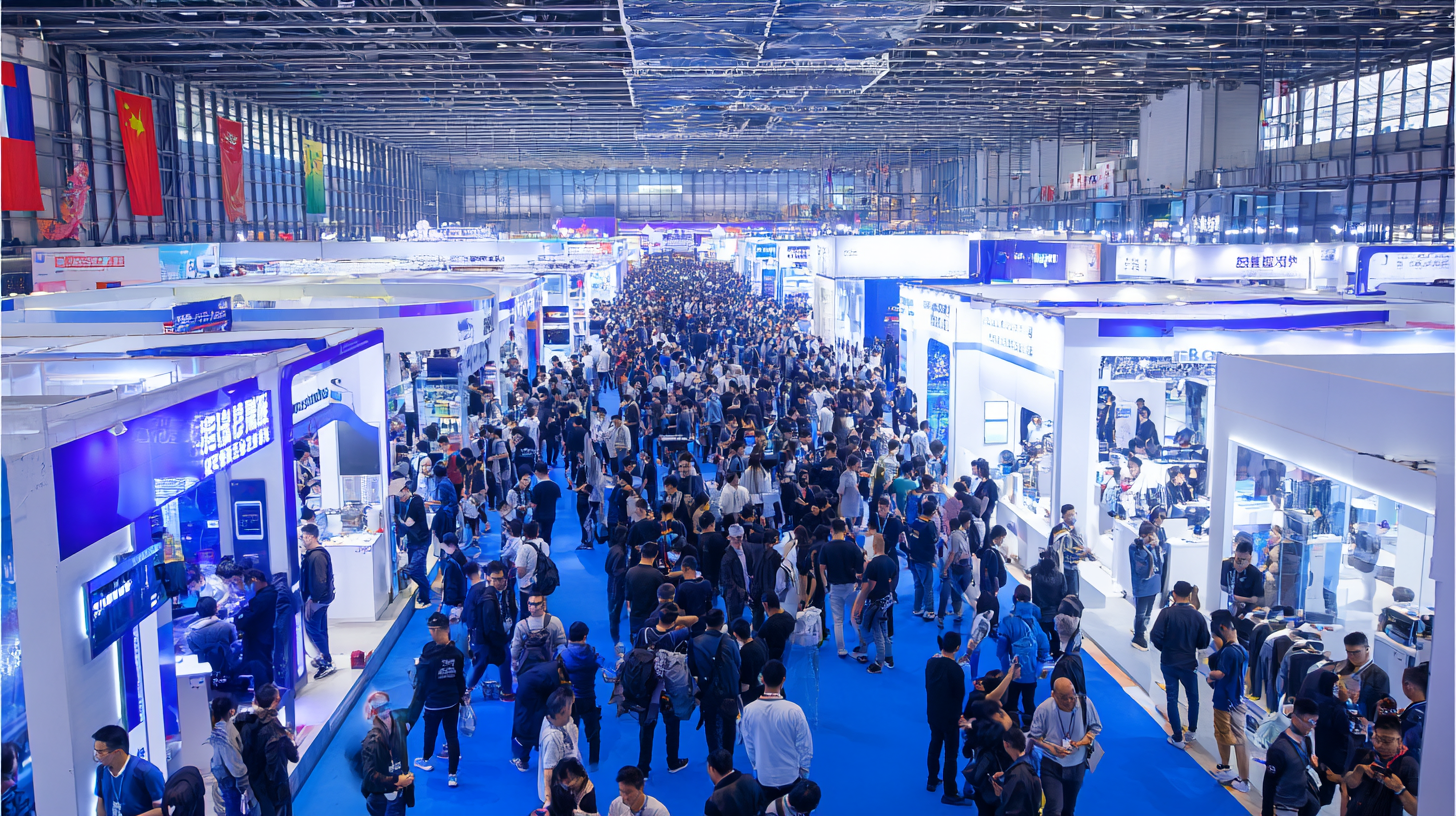
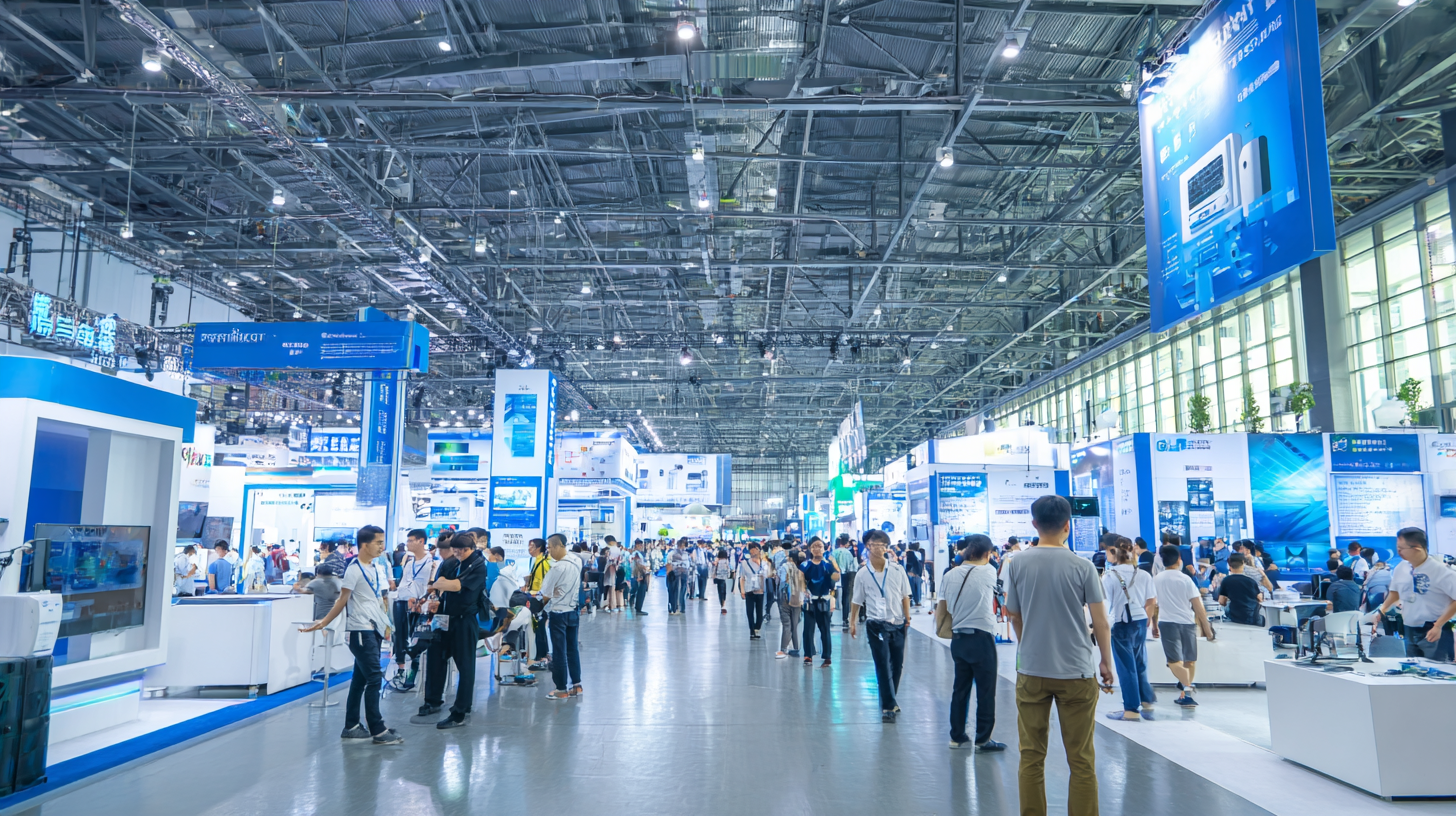
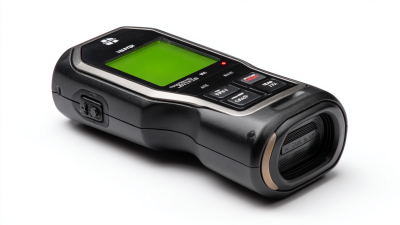
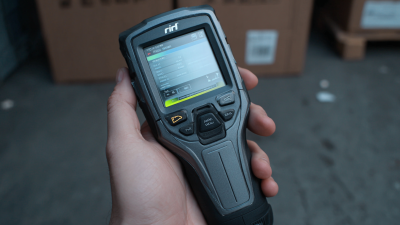
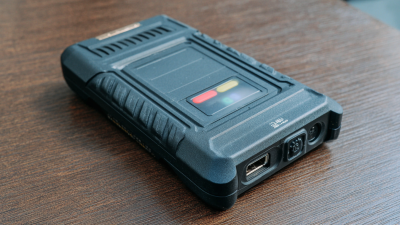
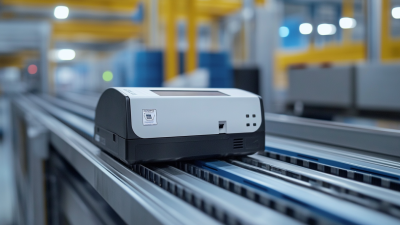
So, at the upcoming138th China Import and Export Fair in 2025, there's this exciting buzz about new Bluetooth RFID Reader tech that’s really set to shake things up in logistics and inventory management. As the Internet of Things (or IoT, if you wanna keep it casual) keeps evolving, market folks are saying that the worldwide RFID market could hit around $40 billion by 2026. And guess what? Bluetooth tech is getting a lot of the spotlight because of its better connectivity and efficiency.
Companies like MingQ Technology Limited, who lead the way in IoT solutions — both software and hardware — are right there at the forefront, rolling out WiFi-enabled RFID readers that make tracking and data collection way smoother. By mixing in some of the latest AI and industrial IoT features, businesses can really tap into these innovations to get more efficient operations and stay ahead in this fast-changing world — it’s pretty exciting stuff!
Innovative Bluetooth RFID Solutions Enhancing Supply Chain Management at the Fair
Hey there! At the upcoming 138th China Import and Export Fair in 2025, they've got some pretty exciting Bluetooth Rfid Solutions that could really shake up how we manage supply chains. These innovations make it way easier to track goods in real-time, which means fewer delays and way fewer mistakes when counting inventory. Thanks to Bluetooth tech, businesses can actually run more smoothly — making sure everything's accounted for all along the way.
Plus, with these Bluetooth RFID systems, folks involved in the process can communicate better, creating a more collaborative vibe. It’s all about transparency—partners can see live data on where things are and what's in stock, so they can make smarter decisions, faster. Focusing on efficiency and accuracy, the companies at the fair will totally get how these new tech tools can give their supply chain game a serious upgrade in today’s competitive world.
Impact of Bluetooth RFID Technology on Trade Efficiency Metrics Among Exhibitors
So, at the 138th China Import and Export Fair in 2025, the buzz is all about how Bluetooth RFID tech is about to shake up the way exhibitors operate. Honestly, just by plugging in these Bluetooth RFID readers, exhibitors are gonna find their lives way easier — tracking inventory in real-time, speeding up transactions, and making everything smoother. It’s a game changer, really, because it means better visibility across the whole supply chain, and cutting down on the time spent on inventory checks and data entry. Basically, it helps get things done faster and more efficiently.
But here's the cool part — the impact isn’t just about speed. Thanks to data analytics, exhibitors can actually dive into consumer habits and preferences, which means they can tweak their offerings to better meet what visitors want. It’s a more data-driven approach that’s becoming a big deal in trade shows today. As things keep evolving, embracing tech like Bluetooth RFID is gonna be key for making the most of opportunities at these big events and helping exhibitors stand out. It’s pretty exciting to see how trade fairs are shifting with all these new tools, right?
Transforming Trade with Bluetooth RFID Reader Innovations at the 138th China Import and Export Fair 2025 - Impact of Bluetooth RFID Technology on Trade Efficiency Metrics Among Exhibitors
| Exhibitor Type | Number of Exhibitors | Trade Transactions ($) | Average Transaction Time (minutes) | Efficiency Improvement (%) |
| Electronics | 150 | 1,200,000 | 15 | 20% |
| Textiles | 120 | 800,000 | 20 | 15% |
| Machinery | 90 | 1,500,000 | 30 | 18% |
| Furniture | 80 | 400,000 | 25 | 10% |
| Automotive | 70 | 2,000,000 | 35 | 25% |
Case Studies: Successful Implementations of RFID Readers by Major Brands in 2024
Looking ahead to the 138th China Import and Export Fair in 2025, everyone's gonna be talking about the latest and greatest in Bluetooth RFID reader tech—especially the innovations that major brands have already rolled out. But honestly, it’s been a busy year in 2024, with companies from all kinds of industries showing off how these new gadgets don’t just make supply chains smoother—they actually help with inventory management, too. For example, one top apparel brand saw a huge drop in stock discrepancies after they started using Bluetooth RFID readers in their logistics. It’s like they gained real-time visibility, making inventory counts way more accurate.
And there's more. Take a big electronics retailer, for instance—they decided to bring RFID tech into their stores to make shopping easier for customers. By installing Bluetooth RFID readers everywhere, they sped up checkout times and cut down on long lines. Not only did that boost their sales, but shoppers left happier and more willing to come back because it was just a smoother experience. Stories like these really show how RFID tech is changing the game—making markets more connected, responsive, and all-around smarter. It’s pretty exciting to see this trend grow, isn’t it?
Market Trends: Growth of Bluetooth RFID Adoption in the Global Trade Industry
Lately, it’s pretty clear that Bluetooth RFID tech is really picking up steam in the global trade scene. You know, with everyone looking for smarter ways to handle inventory and make supply chains run smoother, it makes sense. A recent report from MarketsandMarkets even shows that the Bluetooth RFID market is expected to jump from about $1.2 billion in 2022 all the way up to $3.8 billion by 2027—that’s a compound annual growth rate of roughly 26%. No kidding, this growth is kinda wild, and it’s highlighting just how much potential this tech has to turn things around for businesses—making operations more efficient and cutting costs at the same time.
One thing that really stands out is how much companies are craving better tracking systems, especially when dealing with complex supply chains. According to a study by Grand View Research, around 76% of logistics firms are thinking about jumping onboard with RFID solutions to fix issues like inaccurate inventory and theft. As more companies see the value in having real-time data and simpler processes, I think we’re gonna see Bluetooth RFID really change the game—bringing more transparency and making international trading a whole lot more agile and responsive.
Analysis of Cost Savings Associated with Bluetooth RFID Technologies for Importers
You know, the integration of Bluetooth RFID tech is really about to shake up how imports work. It’s gonna cut down a bunch of operational costs for importers, no joke. I came across a report from Allied Market Research that predicts the global RFID market will hit around $40 billion by 2027 — and that’s mainly thanks to all the new Bluetooth-enabled gadgets coming out. These devices make it super easy to keep track of goods all along the supply chain, which means manual scanning labor costs can drop by as much as 30%. That’s a huge boost in efficiency, and it helps businesses move faster, respond quicker to market changes, and stay ahead of the game.

Plus, there’s more good news. A study by Research and Markets shows that using Bluetooth RFID systems can slash inventory management costs by an average of 20%. The real-time data these systems provide? It’s a game-changer — helping importers keep better tabs on stock levels, cut down on excess inventory, and reduce waste. Some companies have even said their inventory counts got way more accurate after switching, which means fewer stockouts or over-stocking headaches. As more and more importers start seeing how beneficial this tech can be, it’s pretty clear that adopting Bluetooth RFID isn’t just a cool perk anymore — it’s becoming a must-have strategy for running cost-effective, competitive operations. All this just became even more relevant after the 138th China Import and Export Fair in 2025, where everyone was buzzing about the future of trade tech.
The Future of Trade: Predicting RFID Reader Developments Through 2030
As the world of trading keeps changing, the role of RFID tech—especially Bluetooth RFID readers—is expected to shake things up and set new industry standards by 2030. If you look at recent market reports, the global RFID market is expected to jump from around $14.7 billion in 2022 to roughly $29 billion by 2030, growing at about 9.1% every year (thanks, Grand View Research). A big reason? Companies are increasingly craving real-time tracking and easy access to data. That’s a game-changer for businesses wanting to boost efficiency and make their supply chains more transparent.
And, get this—at big events like the 138th China Import and Export Fair in 2025, we’ll see some pretty cool innovations in Bluetooth RFID tech. These upgrades are designed to make it super easy to plug into existing systems. According to reports, Bluetooth RFID readers could cut operational costs by as much as 30%, and at the same time, they’re improving inventory accuracy up to 98% (shoutout to Zebra Technologies). All of this isn’t just about making things run smoother; it’s also about building more resilient supply chains in a world that’s becoming more unpredictable every day. So, it’s safe to say that businesses investing now in RFID solutions might just be setting themselves up to handle future trade challenges a whole lot better—and maybe even ahead of the curve.
Maximizing Efficiency: Leveraging RFID Gateway Networking Systems for Improved Asset Tracking and Inventory Management in Supply Chain Operations
In the fast-paced world of supply chain operations, maximizing efficiency is paramount. Leveraging RFID gateway networking systems presents a game-changing solution for Asset Tracking and inventory management. With the development of intelligent gateways designed for data aggregation, businesses can seamlessly connect multiple RFID readers, enabling real-time reporting and analytics. These gateways facilitate front-end calculations and efficient data uploads through customized algorithms, which significantly enhance identification speeds while alleviating back-end computing pressures.
The integration of innovative RFID solutions empowers enterprises to streamline their inventory management processes. By utilizing our company’s diverse range of RFID reader products, businesses can achieve improved accuracy and reduced operational costs. Our OEM/ODM services further enable organizations to tailor solutions that meet their specific needs. This adaptability translates to reliable, scalable, and efficient hardware solutions that are essential for thriving in the digital age. Collaborating with us means investing in technology that not only boosts productivity but also drives success in today’s competitive landscape.
FAQS
: The Bluetooth RFID market is projected to grow from USD 1.2 billion in 2022 to USD 3.8 billion by 2027, at a compound annual growth rate (CAGR) of 26.2%.
There is an increasing demand for Bluetooth RFID technology due to the need for improved tracking systems to address challenges related to inventory accuracy and theft prevention.
Importers can expect an average cost reduction of 20% in inventory management by implementing Bluetooth RFID systems.
Bluetooth RFID technology can reduce labor costs associated with manual scanning by up to 30%, enhancing overall operational efficiency.
The real-time data provided by Bluetooth RFID technology allows importers to optimize stock levels, leading to improved accuracy in inventory counts and minimizing excess inventory and waste.
The global RFID market is projected to grow from $14.7 billion in 2022 to approximately $29.0 billion by 2030, with a CAGR of 9.1%.
Bluetooth RFID readers can reduce operational costs by up to 30% and improve inventory accuracy by 98%, optimizing logistics and inventory management.
Innovations in Bluetooth RFID technology showcased at such events will facilitate seamless integration with existing systems and highlight advancements that support supply chain resilience.
Businesses investing in Bluetooth RFID solutions will be better equipped to navigate future trade challenges and opportunities, enhancing efficiency and supply chain transparency.
Conclusion
So, the article titled "Transforming Trade with Bluetooth RFID Reader Innovations at the 138th China Import and Export Fair 2025" really sheds light on how Bluetooth RFID readers are playing a game-changing role in improving supply chain management. You know, at the fair, they showed off some pretty cool solutions that can make trade run smoother—think real-time data tracking and better inventory control. It’s pretty exciting because, based on some case studies from 2024, big brands are already seeing success with these new techs. It just keeps pointing to the fact that Bluetooth RFID is becoming a major trend in global trade.
Plus, the article dives into the money side of things—like how using Bluetooth RFID tech can save importers a ton of cash. It’s not just about being fancy; it really has some serious economic benefits. Looking ahead, the future of trade seems to be heading toward more cool developments in RFID reader tech, at least through 2030. Think of how these innovations will totally change IoT and industrial stuff. MingQ Technology Limited, for example, is really pushing the envelope with their cutting-edge solutions in this space. All in all, it’s clear that these innovations are set to reshape the game and make international trade way more efficient.

 Rotary HF RFID Tag Reader GRH-I40 Suitable for Assembly Lines
 Industrial-grade High-frequency Integrated Reader GRH-I65 Suitable for Asset Tracking
 With ESD Protection HF RFID Reader GRH-I68 Suitable for Progress Tracking
 Proximity HF RFID Reader GRH-M30 Suitable for Manufacturing Workshops
 Desktop HF RFID Scanner GRH-D80-HID Suitable for Card-issuing Applications
 High Frequency Medium Distance Reader GRH-I90 Suitable for Logistics Production Line
 UHF RFID Portals and Tunnel Machine RFly-AM3000 for Access Control
 Narrow RFID Portals Series TD-P20040-SS for Single Tag Entry and Exit Identification Scenario
 RFID Transmission Line Simple Identification Tunnel Machine (TD-T3050)
 Vision and RFID Tunnel Machine TD-T7692-RV for Logistics Sorting
 RFID Transmission Line Identification Tunnel Machine TD-T10090
 RFID Mobile Inventory Tunnel Machine TD-T65150 for Conveyor Belts
 High-Performance Far-Field Antennas for Broad Coverage.
 Multi-Purpose Antennas: Flexibility for Diverse Applications
 Near-Field Antennas for Short-Distance Tag Detection.
 Portals & Tunnel Antennas for Integrated RFID Series
 Slimline PCB Antennas for Warehousing and Logistics
 Miniaturized and Thin Antennas can Provide Good Performance in a Smaller Size.
 GPS Tracker for Vehicles, Car, Kids, Assets.
 CO2 Sensors Detect CO2 Gas through Alarms, Suitable for Offices, Planting Tents.
 Door Sensor, Detect Open and Closed Doors or Windows, Sends Alerts, Triggers Siren.
 Wireless Level Sensor Equipped with a 5-Meter Detection Line, Suitable for Water Tanks
 Real Time Monitoring of Air Quality Using PM2.5/PM10 Sensors.
 Smoke Sensor, Fire Alarm Smoke Detector with Test Button and Low Battery Reminder.
 Soil Stress Sensor,Bridge and Tunnel Monitors.
 Vibration Sensor Monitors Equipment, Like Conveyors and Motors, for Operational Status.
 E -Paper Display
 Smart Water Sensor Alarms, 1.2 M Detection Line.
 CO Sensor for Basements Home Office House Bedroom Living Room Car, Light Plug and Play.
 Temperature and Humidity Sensor
 Multi-sensor GD-ME
 Temperature Sensors Monitor the Surface Temperature of Various Heating Equipment.-1
 Signal Enhancement Terminal, Long Range Coverage.
 Multi-Protocol Communication Gateway, App Remote Control.
 Edge Vision Gateway can Access Various Mainstream Cameras, Suitable for Office, Factory.
 GBS-3550 Outdoor Sensor Gateway,LoRa, 2/3/4G Communication.
 Smart WiFi Gateway, Realize Remote Control.
 Ultra-Low-Power Solar-Powered Intelligent Gateway (Outdoor)
 IP67-protected Integrated RFID Reader Writer RFly-I165 for Supply Chain
 Long-range Distance UHF RFID Reader RFly-I195 for Inventory Management
 Small UHF RFID Tag Reader RFly-I300 for Cars
 Two-channel Compact Fixed RFID Reader RFly-F210 for Warehousing
 Four Channels Fixed UHF RFID Reader RFly-R6 for Supply Chain
 8-channel UHF RFID Tag Reader RFly-R8 for File Cabinet Identification
 Bluetooth Portable RFID Reader and Writer GRU-HBT100 for Inventory Management
 Industrial Grade Handheld UHF RFID Reader GRU-HC520 Suitable for Logistics
 RFID Gateway Networking System
 RFID Passive Temperature Measurement System
 RFID Tags for Container Turnover Management
 RFID Tags for Equipment O&M Management
 RFID Tags for Manufacturing Management
 RFID Tags for Tool Management
 A Kits for Equipment Condition Detection
 A Kits for Office Computer Room Environment Monitoring
 A Kits for Reservoir Environmental Monitoring
 A Kits for Storage Space Environment Monitoring
 A Kits for Stress Detection of Underground Tunnel
 A Kits for Urban Environment Monitoring
 Intelligent IoT Monitoring Platform
 Integrating Multiple Functional OTG Demo Software
 HF Demo Software
 UHF Demo Software