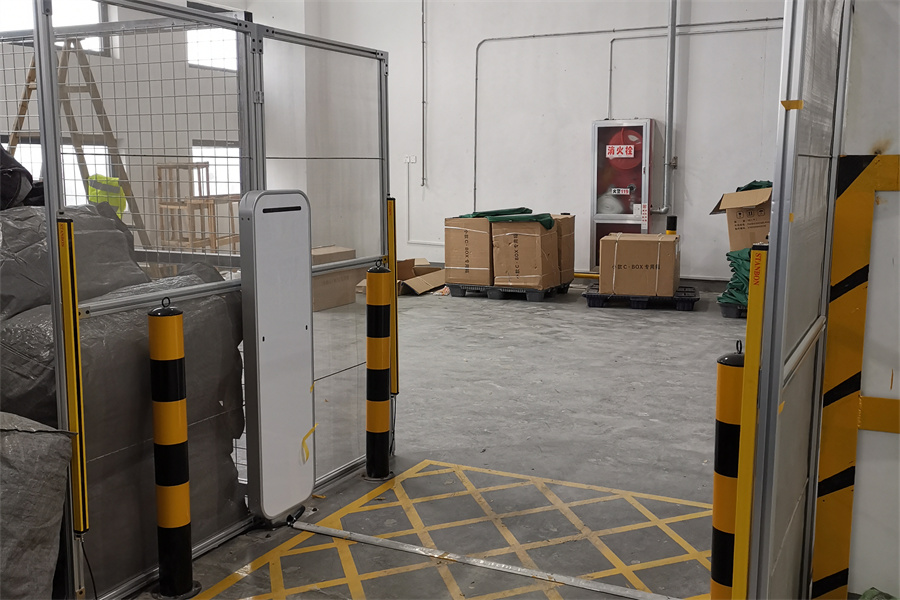
Global 3PL Streamlines High-End Fashion Inventory with MingQ RFID Tunnel Solution
Leading E‑Commerce Platform Accelerates Flash-Sale Fulfillment and Boosts Warehouse Productivity with MingQ RFID Sorting Wall Solution
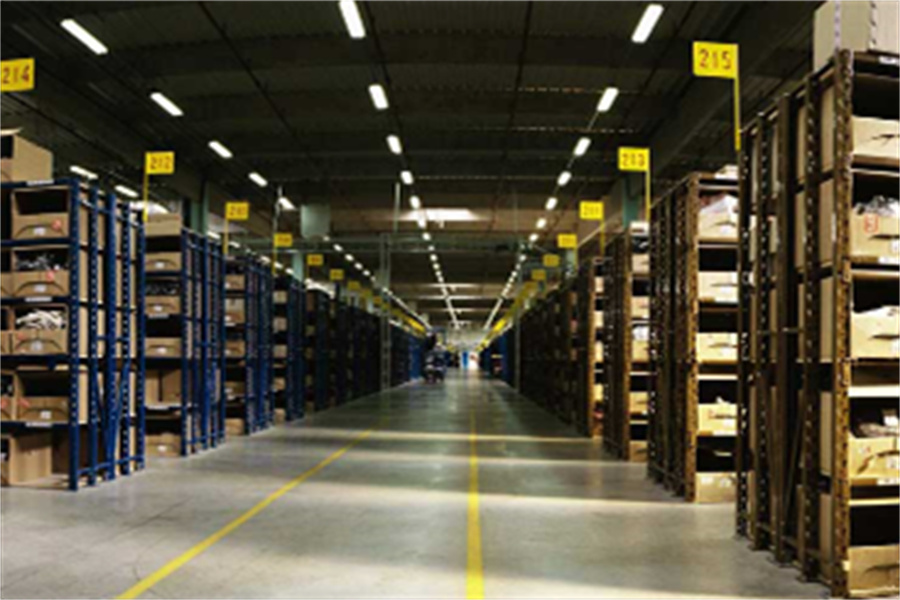
Global Automaker Elevates Component Kitting Accuracy with MingQ RFID Shelf‑Level Management Solution
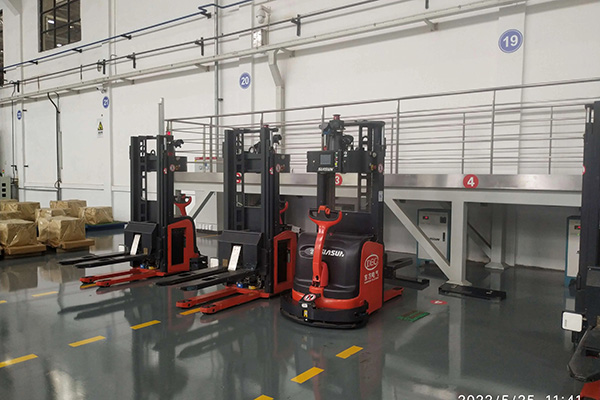
Asia’s Largest Logistics Provider Enhances Warehouse Intelligence with RFID Pallet & Container Management Solution
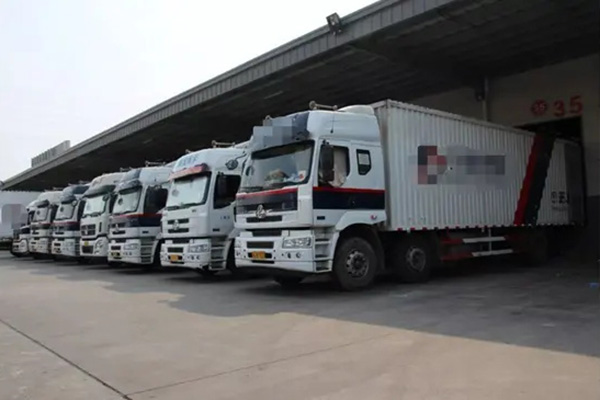
RFID Application in Platform Vehicle Management
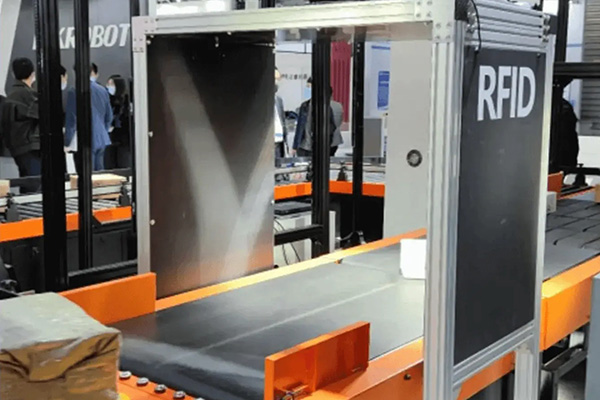
RFID Application in Logistics Sorting
RFID Application in Supply Chain Management
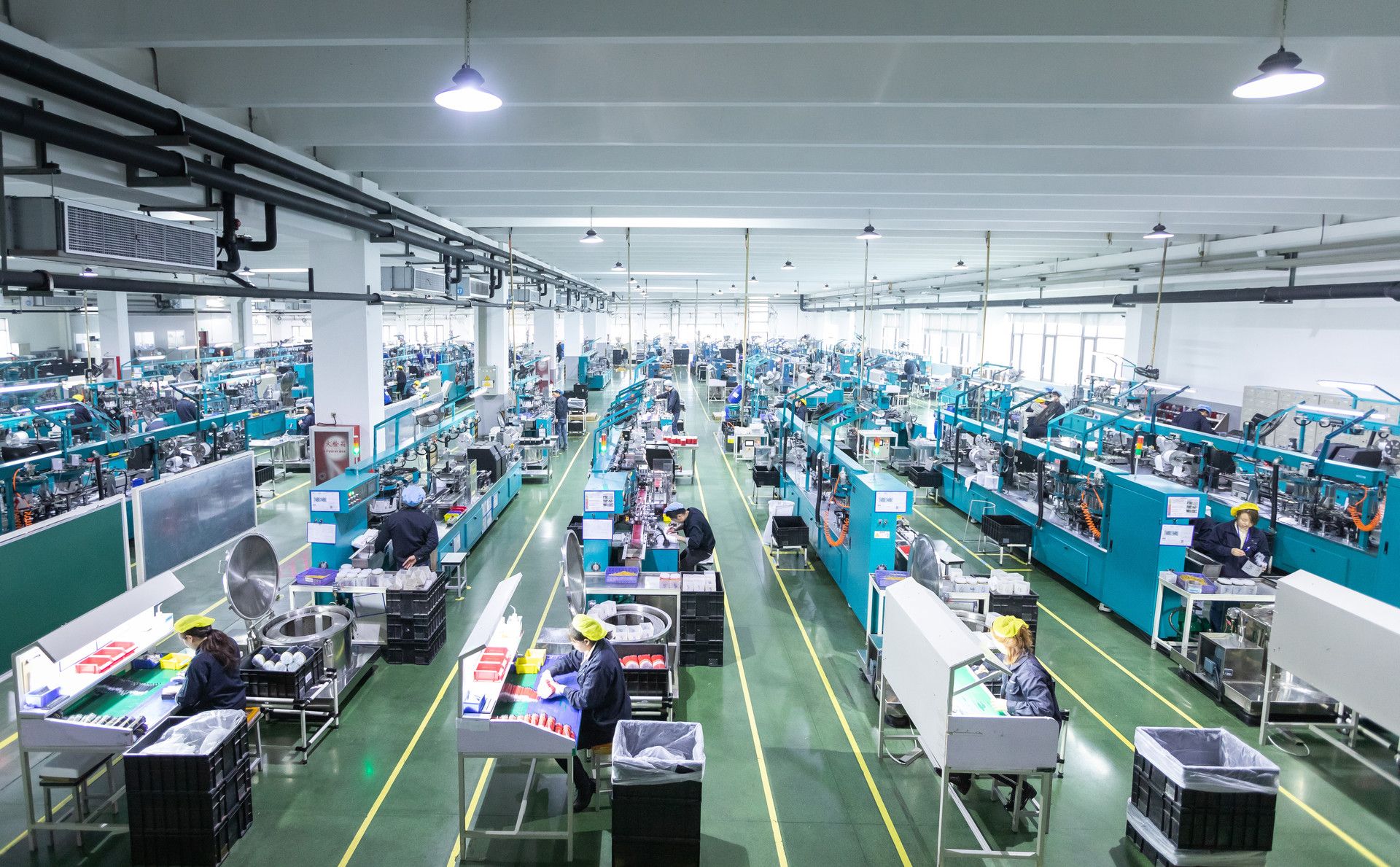
RFID Application for Workshop/Warehouse Tracking
TP‑Link Enhances Warehouse Inbound/Outbound Efficiency with MingQ RFID Dock‑Door Solution
RFID technology empowers port containers: a new direction for future logistics
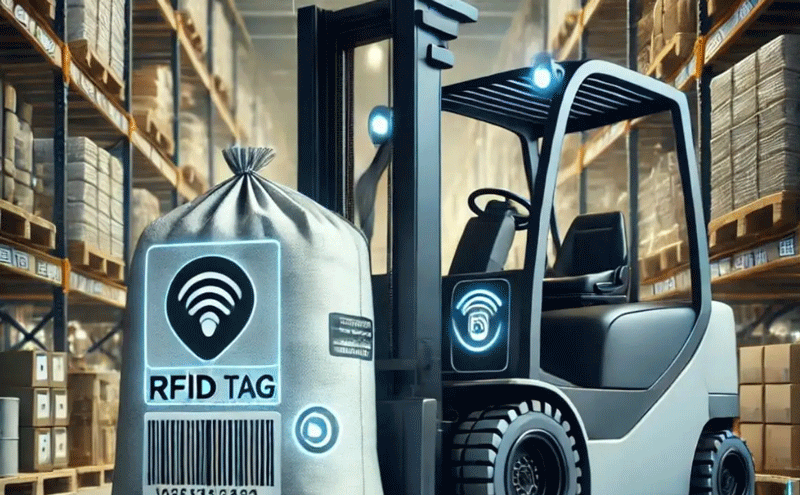
RFID technology in forklift tracking and container bag identification
Real-Time Data, Secure Transportation: The Future Trends of Cold Chain Logistics
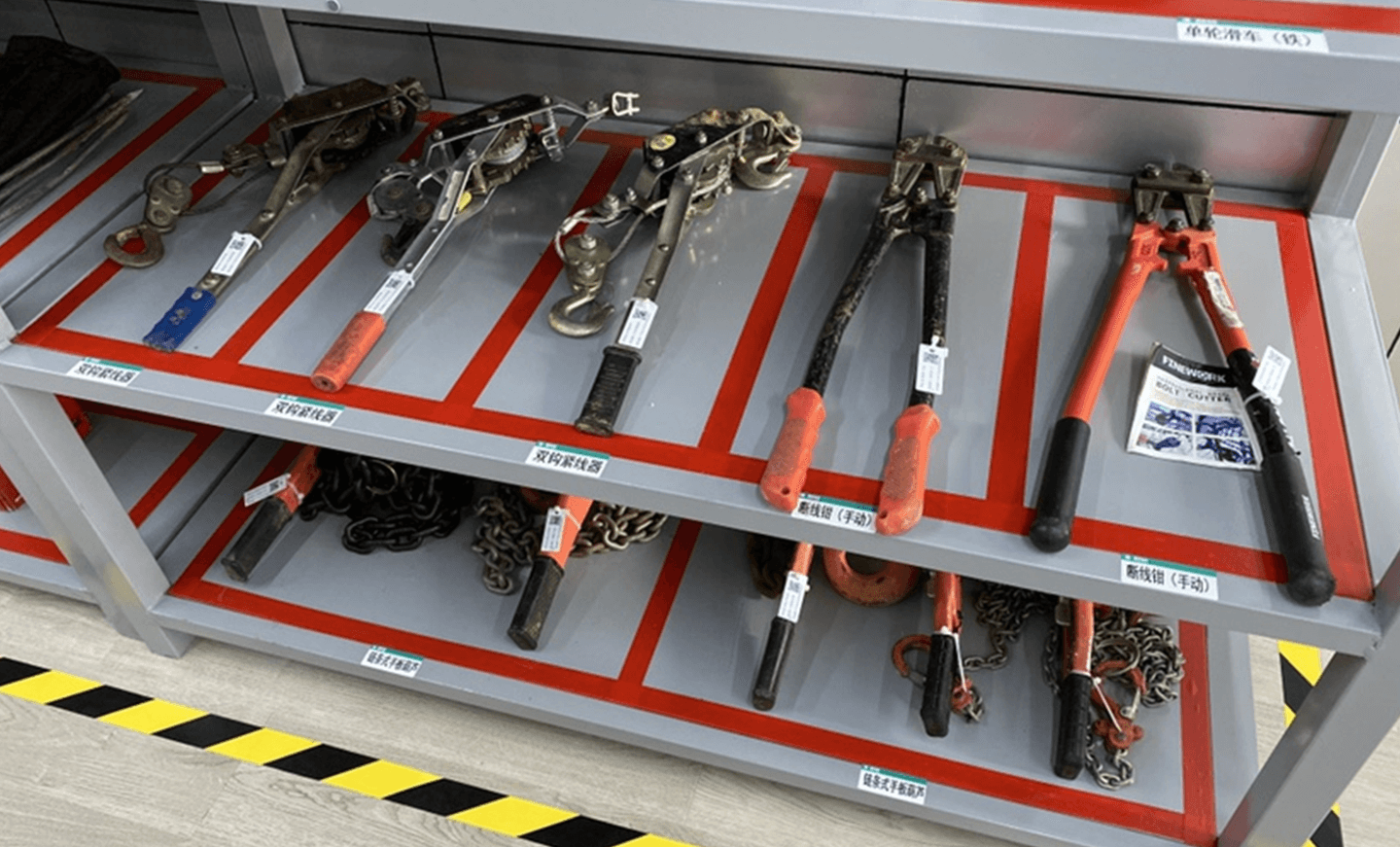
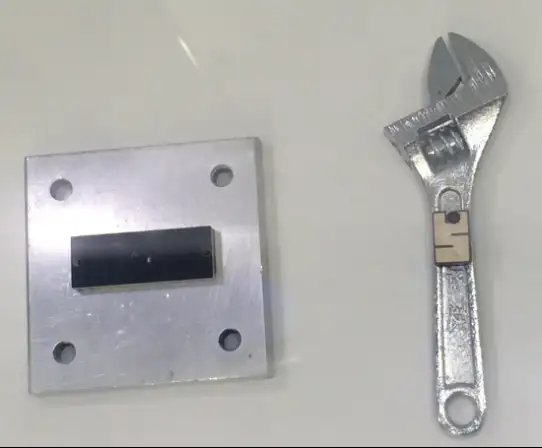
RFID Tool Management
RFID Application in Battery Factory Production
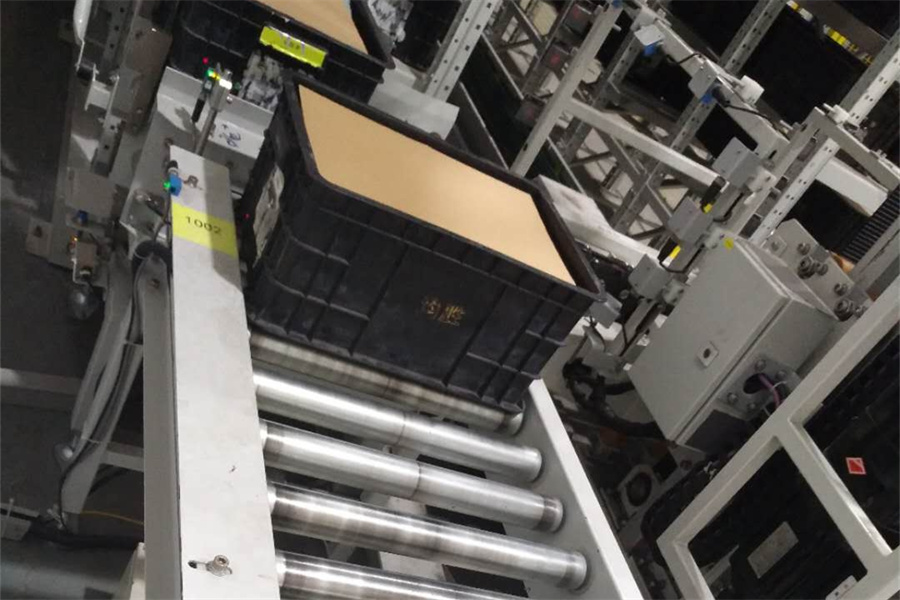
RFID Application in Production Line Rubber Box Management
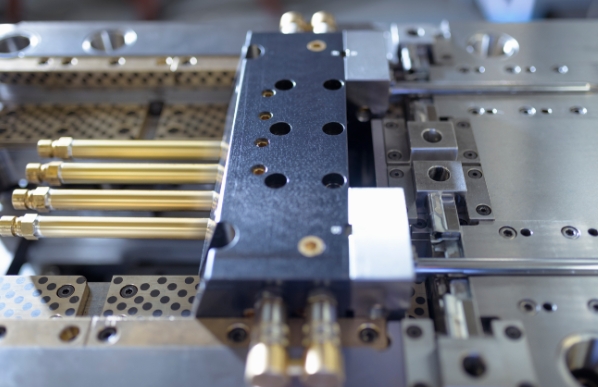
RFID Application in Mold Management on Production Lines
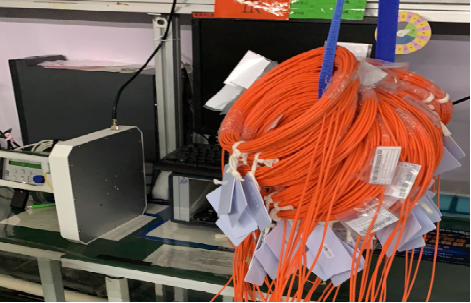
RFID Application in Fiber Optic Cable Manufacturing
Smart Manufacturing
The medical industry uses RFID technology to make drug tracking more accurate
RFID technology helps beverage production and build an efficient supply chain
RFID technology helps car seat production lines: intelligent management improves efficiency and quality
RFID technology in the production of electronic appliances monitoring and tracing application
Use RFID technology to improve appliance management efficiency and security
RFID technology helps precise installation of headrests
Clean‑Energy Equipment Manufacturer Enhances Material Traceability with MingQ RFID Pallet Management Solution
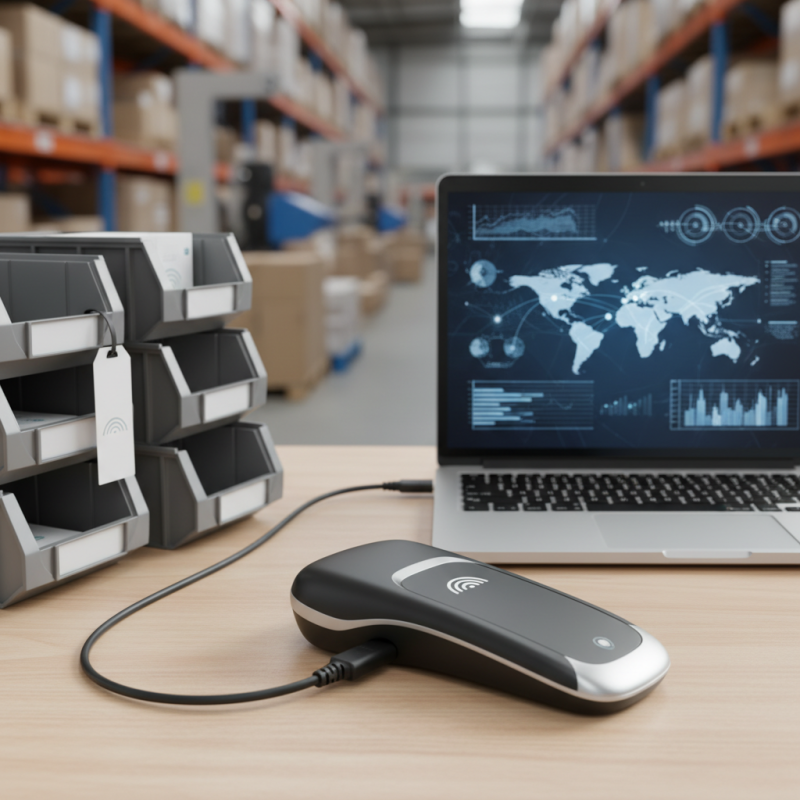
Hey, in today’s fast-changing world of global sourcing, leveraging the right technology is more important than ever. Take the USB RFID Reader, for example — it's become a pretty essential tool for businesses that want to stay efficient with their inventory. According to the latest report from MarketsandMarkets, the RFID market is expected to hit around $41.5 billion by 2026, which just shows how much demand there is for versatile solutions like these USB Rfid Devices.
These gadgets really boost a company's ability to keep track of assets and smooth out operations. They’re portable, easy to set up, and offer a lot of advantages. But here’s the catch — not all Usb Rfid Readers out there are reliable or top-notch. Picking the right one is actually pretty crucial.
Big names like Zebra Technologies and Impinj recommend choosing models that fit your specific needs. Sure, many devices might brag about having cutting-edge tech, but that doesn’t mean they work well everywhere. In this day and age, having the right tools can literally make or break your success, so it’s worth investing in a quality USB RFID Reader — it can really pay off in the long run.
RFID technology has significantly transformed global sourcing. It automates the tracking of goods, reducing errors and minimizing delays. According to a recent report by GS1, the use of RFID can improve inventory accuracy by up to 30%. This is crucial for companies sourcing products worldwide, as accurate inventory management ensures timely delivery.
Usb Rfid Reader Scanners are essential tools for businesses incorporating RFID into their operations. They facilitate seamless data capture from RFID tags. An industry analysis noted that RFID technology could save businesses roughly $1.5 trillion in supply chain costs by 2026. The integration of these devices into sourcing strategies can lead to enhanced visibility and better decision-making.
However, challenges remain in implementing RFID technology. Initial setup costs and integration with existing systems can be significant hurdles. Some companies face difficulties in staff training and adaptation to new processes. Addressing these issues is vital for fully leveraging the potential benefits of RFID in global sourcing.
| Model | Read Range | Frequency | Compatibility | Price Range |
|---|---|---|---|---|
| Model A | Up to 10 cm | 125 kHz / 13.56 MHz | Windows, Linux, MacOS | $50 - $75 |
| Model B | Up to 5 cm | 13.56 MHz | Windows, Android | $40 - $60 |
| Model C | Up to 15 cm | 860-960 MHz | Windows, Linux | $80 - $120 |
| Model D | Up to 20 cm | 860-960 MHz | Windows, Linux, MacOS, Android | $100 - $150 |
| Model E | Up to 30 cm | 2.4 GHz | Windows, Linux, iOS | $120 - $180 |
When selecting a USB RFID reader in 2026, certain features will enhance your global sourcing efforts. Prioritize compatibility with various RFID tags. A versatile reader should support both passive and active tags. This ensures seamless integration across different supply chains.
Additionally, consider the reading distance of the Usb Uhf Rfid Reader. Some models provide effective read ranges of up to 15 meters. This capability can significantly improve inventory management efficiency. Moreover, the device's speed is crucial. A high-speed reader can process numerous tags within seconds, saving valuable time during operations.
It's also essential to evaluate the software compatibility of the RFID reader. The right software can streamline data processing. Real-time data access is vital when making sourcing decisions. Lastly, examine the durability of the device. A robust reader can withstand harsh environments, ensuring reliability in various conditions. Remember, technology is constantly evolving. Stay updated on new features and improvements to make informed decisions.
In the fast-changing world of global sourcing, selecting the right USB RFID reader is crucial. Many businesses depend on these devices for inventory management and tracking purposes. The top brands offer reliability and efficiency, ensuring you can access critical data quickly. They also design their devices to be user-friendly, making them accessible to a range of users.
Despite their advantages, challenges exist. Some readers may not be compatible with all operating systems. This can lead to issues in a global sourcing operation where diverse technology is in use. Additionally, battery life can vary greatly, meaning that frequent charging might disrupt workflow. Considering these factors is vital when investing in RFID technology for your business.
The wireless capabilities of many RFID readers enhance convenience. However, security remains a concern for many organizations. Educating teams on best practices for using these technologies is essential. Addressing potential vulnerabilities can ensure a more secure and efficient global sourcing process.
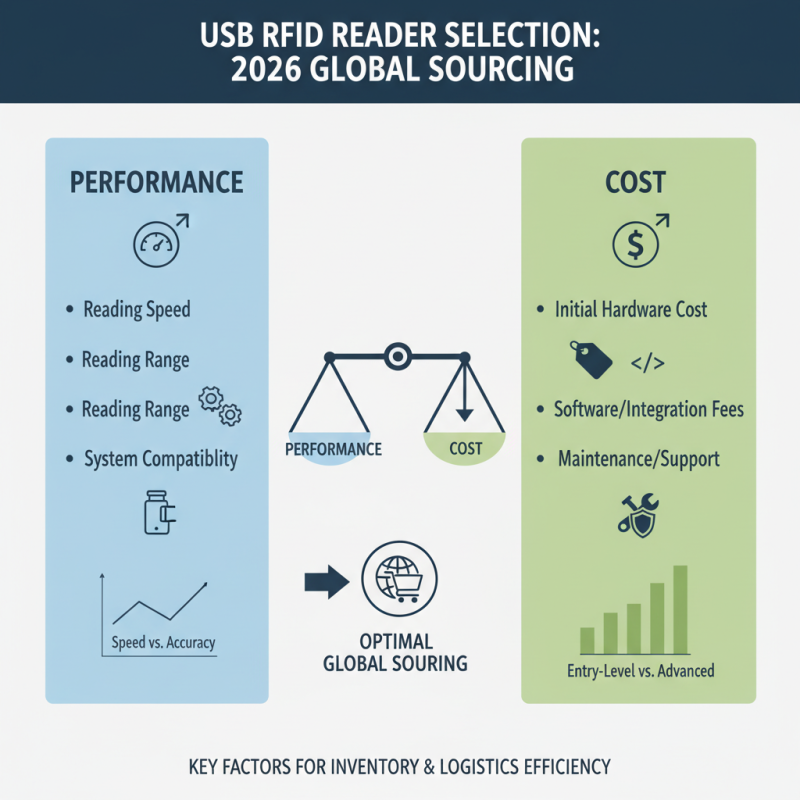
When selecting a USB RFID reader for global sourcing in 2026, understanding performance and cost is crucial. USB RFID readers are vital tools for inventory management and logistics. They vary widely in their reading speed, range, and compatibility with different systems. Balancing these factors can be challenging.
Cost is often a primary concern. Some readers are budget-friendly but may lack advanced features. Others offer premium functionality at a higher price. Evaluating the true cost includes considering maintenance and support. Sometimes, a cheaper option leads to higher long-term costs due to frequent repairs or replacements.
Tips: Assess your specific needs before choosing a reader. If you have a limited budget, prioritize essential features. Look into user reviews to gauge reliability. A comprehensive comparison helps identify the best balance of performance and cost.
Be prepared for trade-offs. A higher speed reader may have a lower range or vice versa. Analyzing these aspects will help refine your choice. Don't overlook potential compatibility issues with existing infrastructure. Adjust as necessary based on actual user experiences and feedback.
The landscape of RFID technology is evolving rapidly. By 2026, RFID systems will become more integrated with IoT applications. Data from Gartner predicts a significant increase in RFID adoption rates, projecting a rise to over 45% across supply chains.
One emerging trend is the miniaturization of RFID devices. Smaller, more efficient readers will enhance logistics operations. Additionally, the accuracy of RFID tracking is improving, with recent studies showing a potential increase in tracking precision to over 99%. This advancement helps companies reduce errors and improve inventory management significantly.
However, challenges remain. The complexity of implementing RFID systems can deter smaller players. Experts suggest that customization and training are critical for successful deployment. As companies navigate these challenges, understanding the costs versus benefits of RFID technology will be essential for global sourcing strategies in the coming years.
Integrating USB RFID readers into supply chain operations can enhance efficiency and accuracy. RFID technology provides real-time tracking and data collection. This can significantly reduce errors in inventory management. However, proper integration is essential to maximize the benefits.
Here are some tips for effective integration. First, assess your current systems. Identify gaps where RFID can improve processes. Train staff on RFID technology. Understanding its role is crucial for seamless operation. Regular maintenance of devices is vital to ensure they function optimally.
Consider starting with a pilot program. This allows your team to test the technology on a small scale. It helps in identifying challenges before full-scale implementation. Lastly, ensure you have reliable support for troubleshooting. Leveraging a reliable USB RFID reader scanner makes all the difference. These strategies can lead to significant improvements in supply chain efficiency.
In 2026, the demand for USB RFID readers is expected to rise significantly in global sourcing. Various industry reports indicate that the RFID market could grow by 23% annually. Users are seeking reliable, efficient readers that enhance inventory management and reduce errors. Reviews emphasize the importance of compatibility and speed in high-volume environments.
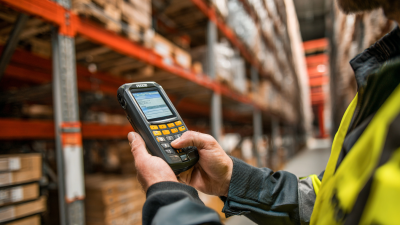
One user noted how a reliable USB RFID reader improved their workflow. They experienced fewer processing delays during shipments. This demonstrates the critical role such devices play in operational efficiency. However, not all models received praise. Some were noted for their bulky designs, which hindered mobility.
**Tips:** When considering a purchase, examine user reviews for real-world applications. Look for features like read range and user-friendliness. Additionally, consider value-for-money offers like a Discount Usb Uhf Rfid Reader. Ensuring compatibility with existing systems is crucial. Not all readers work seamlessly with every software, leading to frustration. A well-considered purchase can save time and resources in the long run.
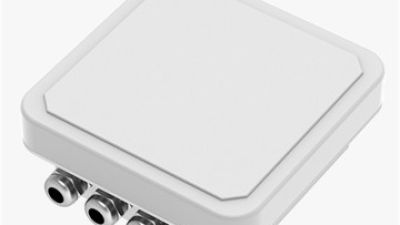
In today's fast-paced industrial landscape, enhancing supply chain efficiency is paramount for maintaining competitive advantage. The use of integrated RFID systems, such as the IP67-protected RFly-I165 reader/writer, has proven to be a game-changer in improving asset tracking and inventory management. With its compact design and built-in high-performance circular polarized antenna, the RFly-I165 ensures efficient and reliable data capture even in challenging environments, thus optimizing operational workflows.
According to recent industry reports, the global RFID market is projected to reach $40 billion by 2025, driven by the increasing adoption of IoT technology within supply chain management. This growth emphasizes the critical role that RFID plays in streamlining processes, reducing errors, and enhancing visibility across all stages of the supply chain. With applications in diverse sectors ranging from manufacturing to logistics, the reliability and effectiveness of devices like the RFly-I165 are indispensable. They not only facilitate improved inventory accuracy, which can reach over 99% in some implementations but also help businesses achieve significant cost savings by minimizing manual tracking and human errors.
Organizations seeking to leverage RFID technology can benefit from customizable solutions tailored to their specific needs. By integrating robust RFID systems, businesses not only enhance operational efficiency but also gain valuable insights through real-time data analytics. This enables more informed decision-making, ultimately contributing to a more responsive and adaptive supply chain. Whether for general inventory control or specialized industrial applications, investing in high-quality RFID technology can transform how businesses manage their assets and streamline their supply chains.
: Consider performance, cost, reading speed, and compatibility. Assess needs and budget carefully.
Cost affects not only purchase price but also maintenance and potential repairs. Cheaper options may incur higher long-term costs.
Begin by assessing current systems. Identify gaps that RFID can fill to enhance efficiency.
A pilot program tests technology on a small scale. It helps identify challenges before larger implementation.
Train staff thoroughly on RFID technology. Regular maintenance and user understanding are essential for optimal function.
Compatibility issues can arise with existing systems. Users should be prepared to adjust as needed based on experiences.
Reliable support is crucial for troubleshooting and maintenance. It can greatly enhance overall system efficiency.
Focus on essential features that meet immediate needs. Advanced functionalities can be considered later if budget allows.
The article titled "Best USB RFID Reader for Global Sourcing in 2026?" delves into the significance of RFID technology in enhancing global sourcing practices. It begins by explaining RFID technology and its various applications, emphasizing how businesses can leverage it for improved efficiency in supply chain operations. Key features to look for in USB RFID readers are outlined, highlighting the importance of performance, reliability, and compatibility with existing systems.
The piece also conducts a comparative analysis of different USB RFID readers, focusing on their performance metrics and cost-effectiveness to assist businesses in making informed choices. Additionally, it discusses future trends in RFID technology that could impact global sourcing and provides practical tips for integrating USB RFID readers into current supply chain processes. Finally, user reviews and recommendations offer insights into the best USB RFID readers available in 2026, guiding users to make the right investment for their sourcing needs.