Global 3PL Streamlines High-End Fashion Inventory with MingQ RFID Tunnel Solution
Leading E‑Commerce Platform Accelerates Flash-Sale Fulfillment and Boosts Warehouse Productivity with MingQ RFID Sorting Wall Solution
Global Automaker Elevates Component Kitting Accuracy with MingQ RFID Shelf‑Level Management Solution
Asia’s Largest Logistics Provider Enhances Warehouse Intelligence with RFID Pallet & Container Management Solution
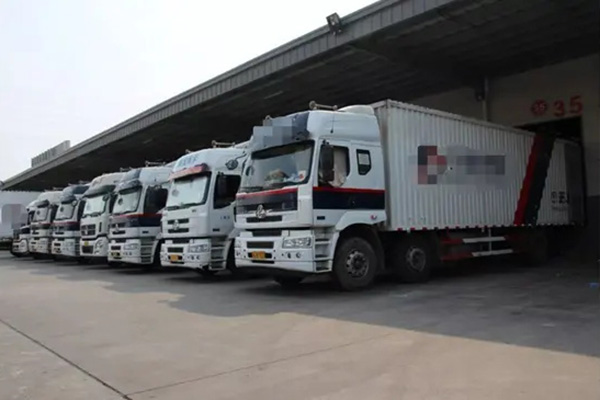
RFID Application in Platform Vehicle Management
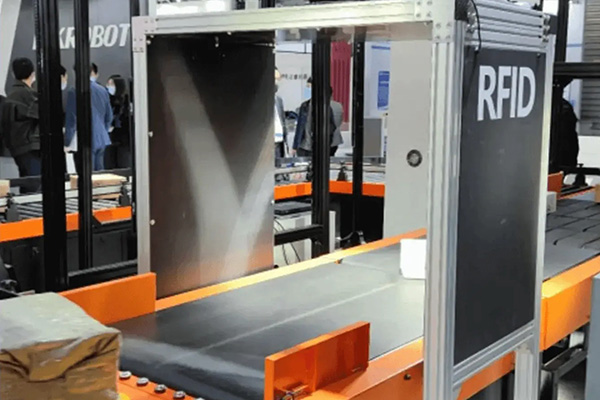
RFID Application in Logistics Sorting
RFID Application in Supply Chain Management
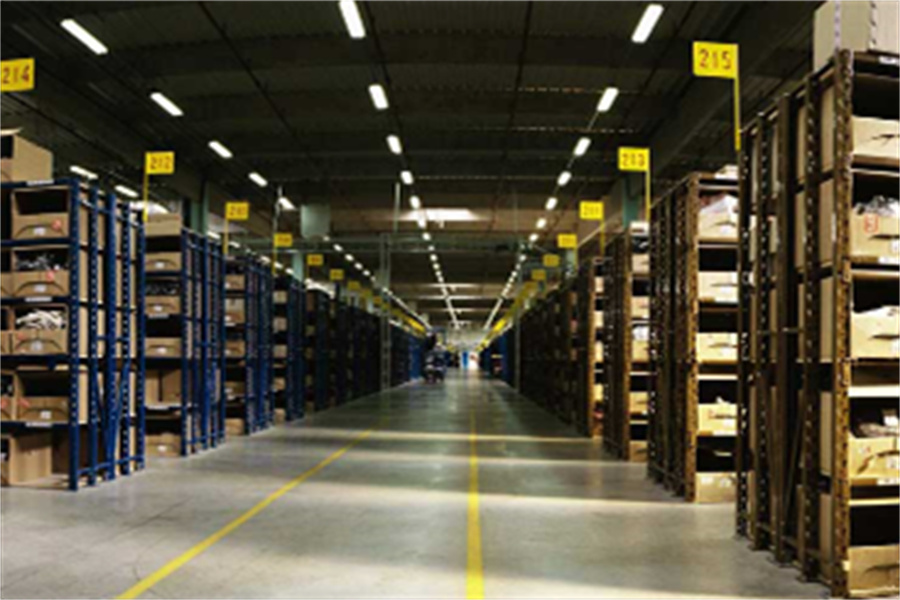
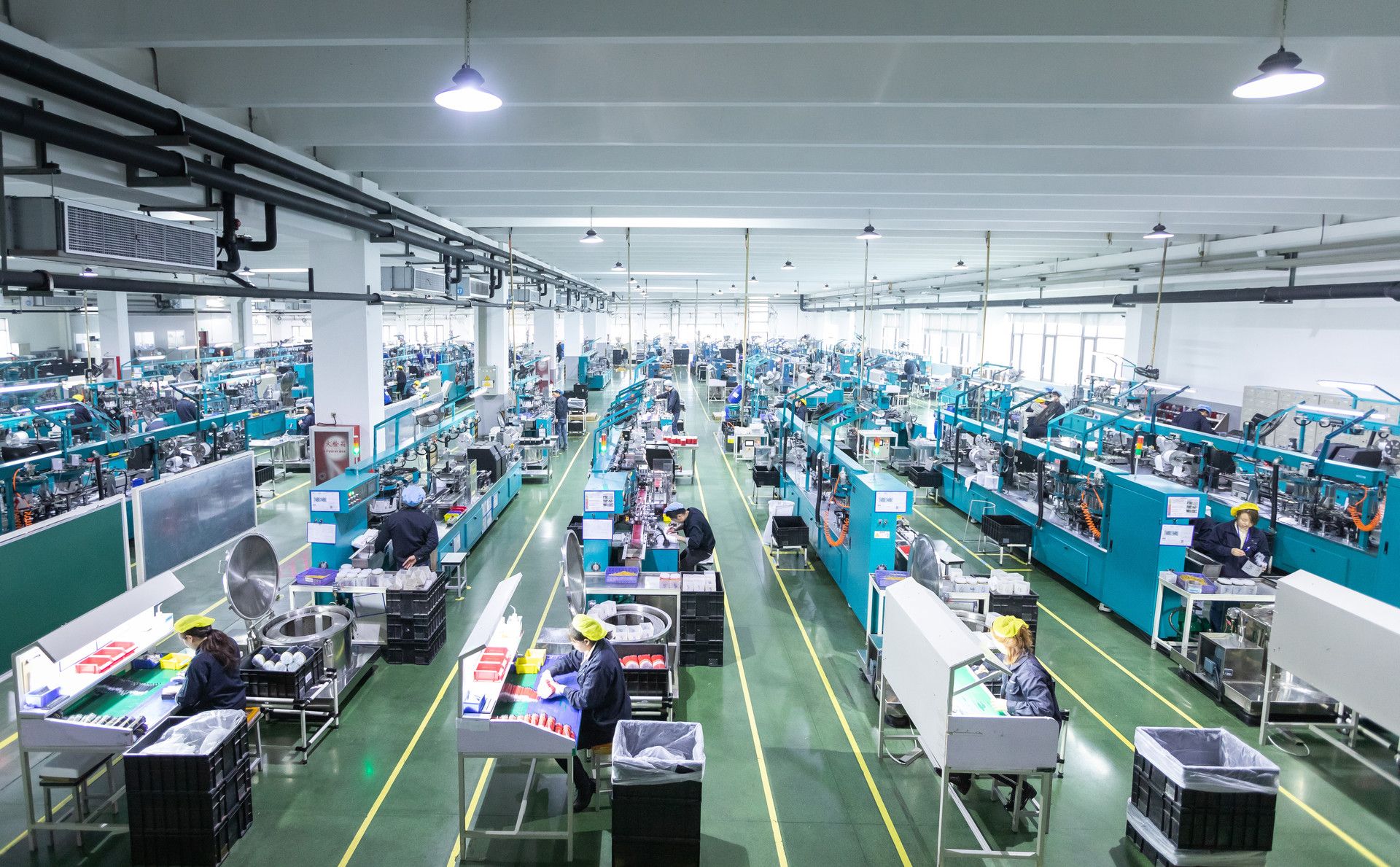
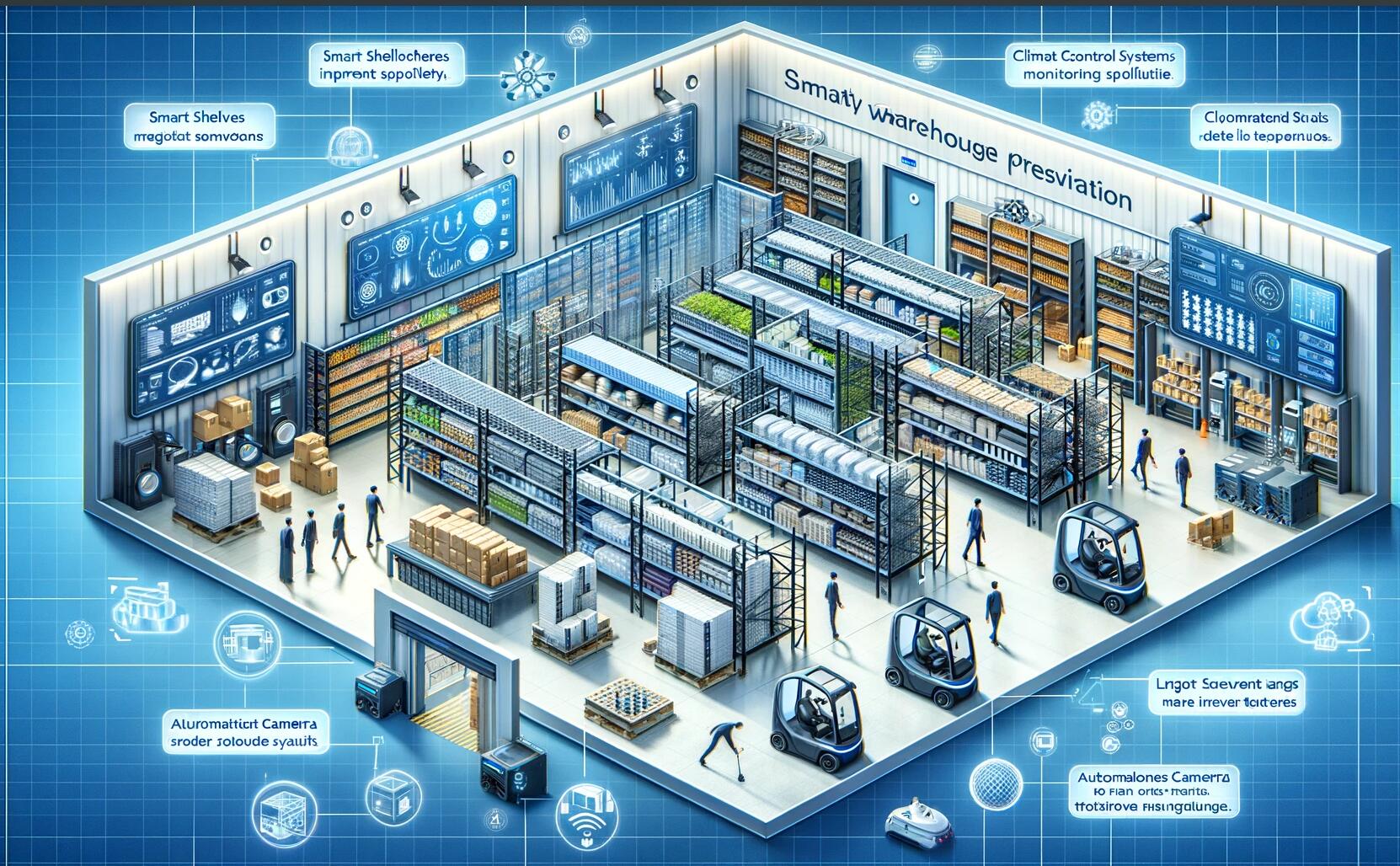
RFID Application for Workshop/Warehouse Tracking
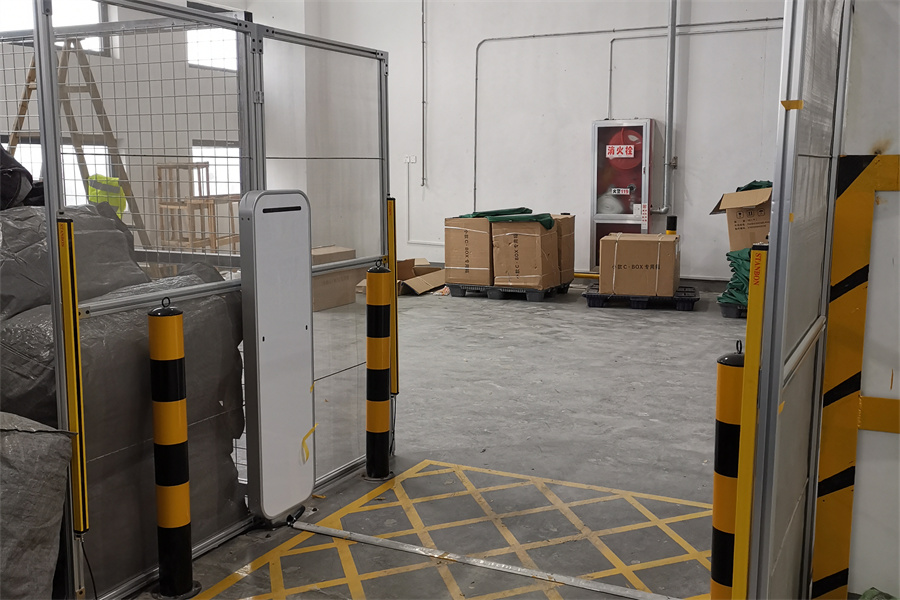
TP‑Link Enhances Warehouse Inbound/Outbound Efficiency with MingQ RFID Dock‑Door Solution
RFID technology empowers port containers: a new direction for future logistics
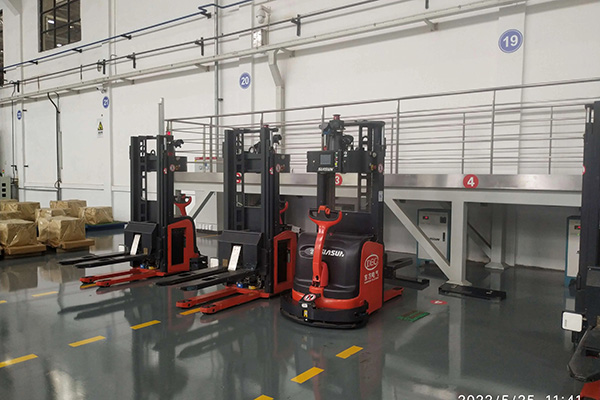
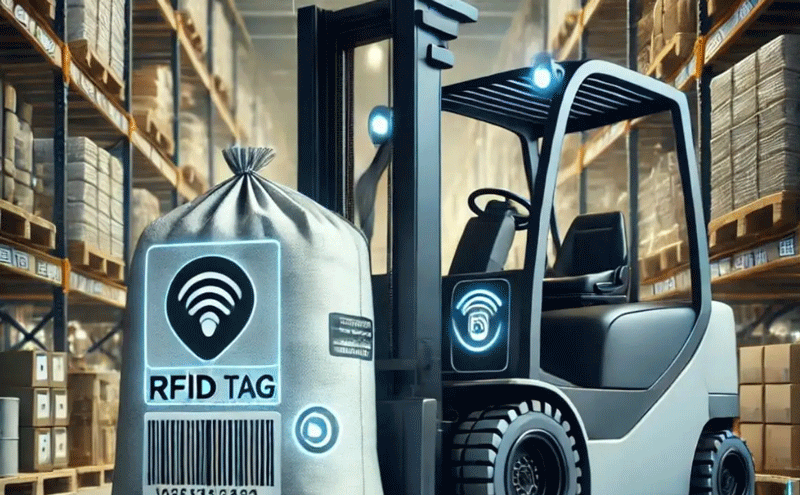
RFID technology in forklift tracking and container bag identification
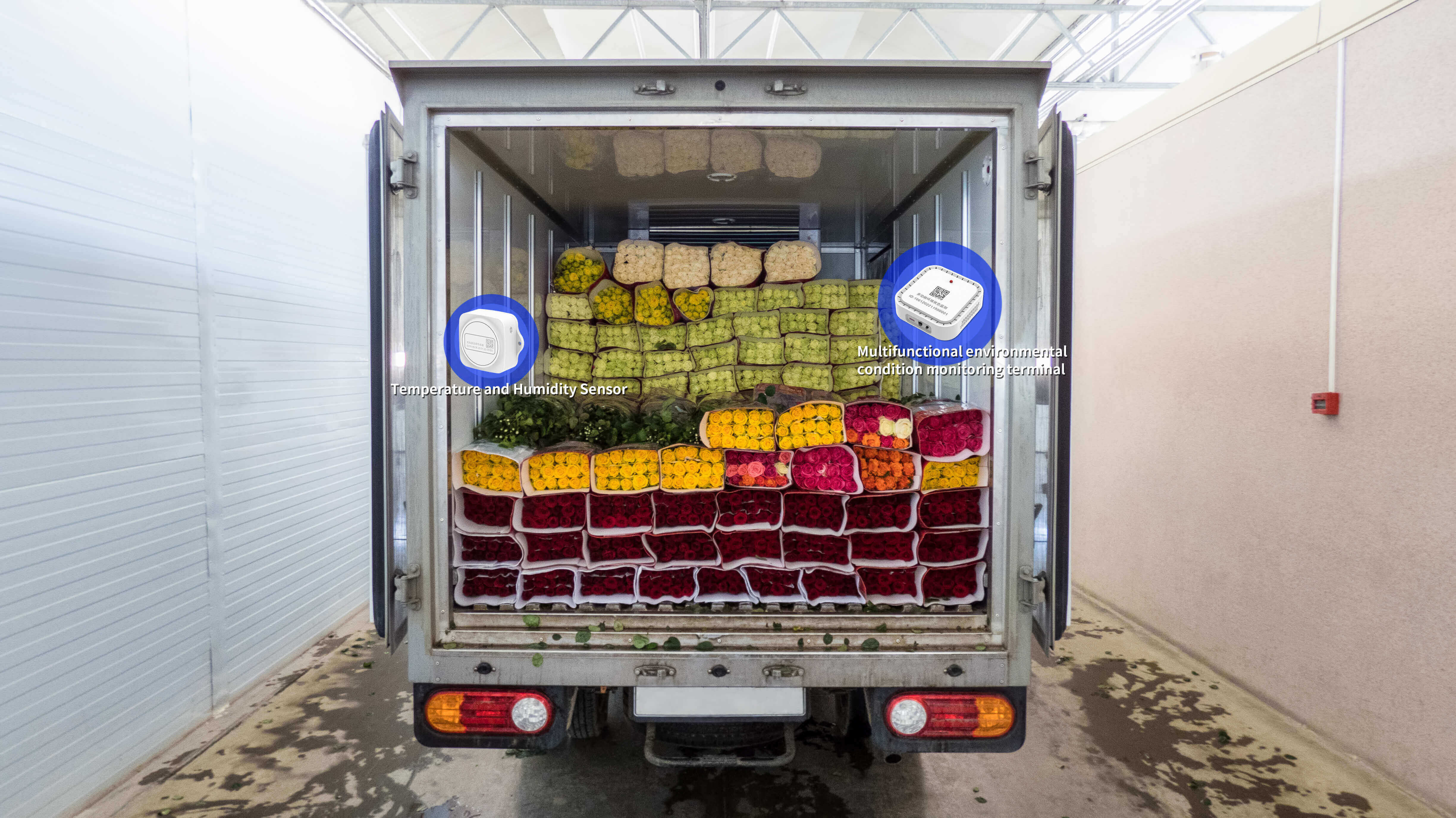
Real-Time Data, Secure Transportation: The Future Trends of Cold Chain Logistics
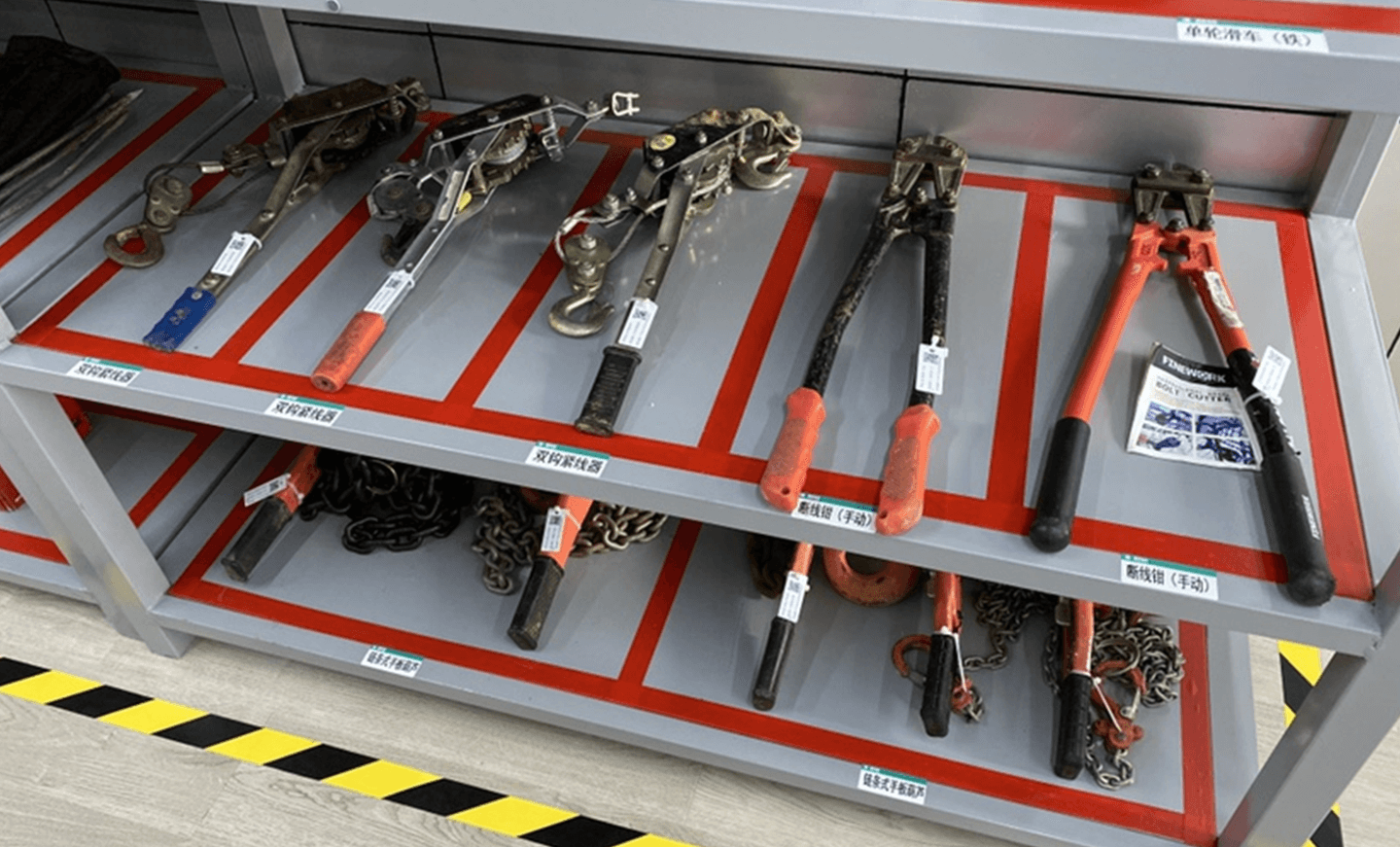
RFID Tool Management
RFID Application in Battery Factory Production
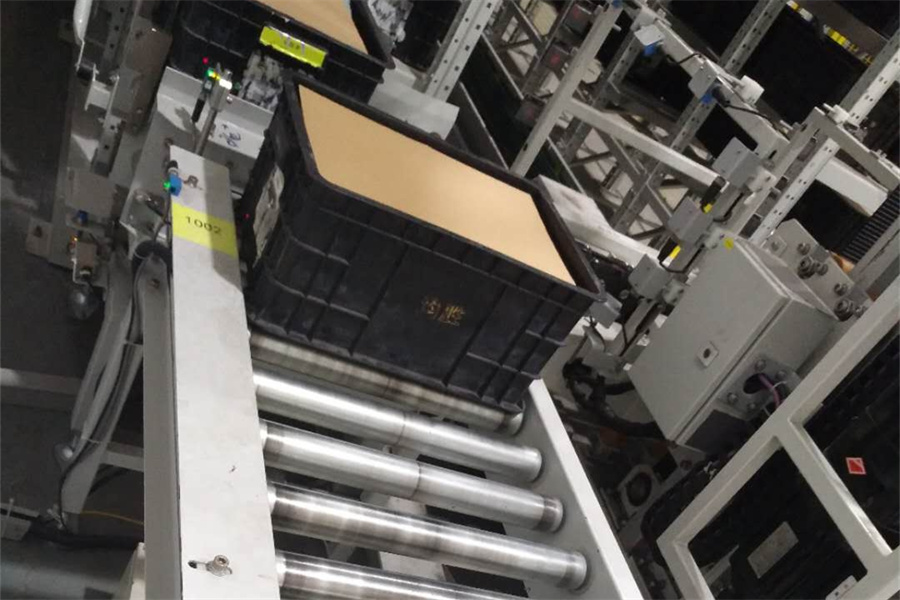
RFID Application in Production Line Rubber Box Management
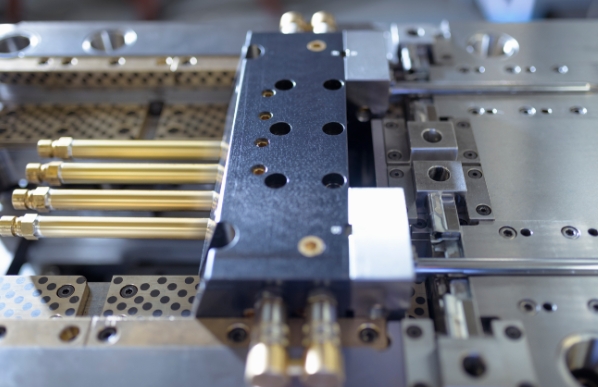
RFID Application in Mold Management on Production Lines
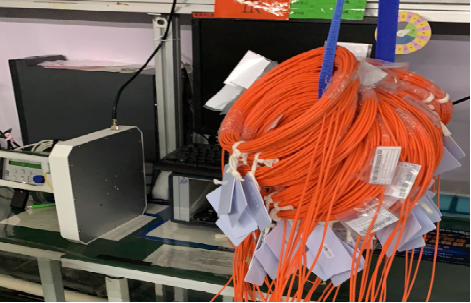
RFID Application in Fiber Optic Cable Manufacturing
Smart Manufacturing
The medical industry uses RFID technology to make drug tracking more accurate
RFID technology helps beverage production and build an efficient supply chain
RFID technology helps car seat production lines: intelligent management improves efficiency and quality
RFID technology in the production of electronic appliances monitoring and tracing application
Use RFID technology to improve appliance management efficiency and security
RFID technology helps precise installation of headrests
Clean‑Energy Equipment Manufacturer Enhances Material Traceability with MingQ RFID Pallet Management Solution
These days, global supply chains are finally getting more transparent, but honestly, that visibility still depends heavily on solid hardware. That’s where the Uhf Rfid Tag Readerreally comes into play. It’s pretty amazing—being able to identify tagged products without needing to line up perfectly in front of them. So, imagine a warehouse worker pulling a carton through a dock door; the reader can still scan it, no matter how the labels are turned or facing different directions.
According to the RAIN RFID Alliance, more than 45 billion RFID Tags were sold worldwide in 2023 alone. That’s a staggering number, and it shows how big this industry is—especially in retail, logistics, healthcare, and manufacturing. Market research firms like Grand View Research predict that the RFID market will keep growing strongly over the next decade. But hey, just because numbers are going up doesn’t mean everything works perfectly in practice. There are still things like reader sensitivity, antenna design, interference issues, software compatibility, and regional frequency rules that matter. Even small differences can make a huge impact—like how many scans succeed or fail each day.
Mark Roberti, founder of RFID Journal, often points out, “RFID isn’t just a tech problem; it’s a business challenge.” And honestly, that’s still true. Even the most powerful reader won’t necessarily be the right fit if you’re dealing with tight spaces or a lot of metal. No device is perfect. So, in this guide, we look at seven top Uhf Rfid Tag readers for global buyers. We consider things like read range, protocol support, durability, how easily they can be integrated, deployment effort, and overall cost. We’ve pulled together specs from manufacturers, industry insights, and practical buying tips. Keep in mind, some results might need extra testing—especially in crowded or complex environments. It’s always a smart move to run a small pilot before rolling out massive deployments.
Hope this helps you get a clearer picture of what to look for!
A UHF RFID reader sends and receives signals across the 860–960 MHz range. This is not one universal frequency. European deployments commonly use 865–868 MHz, while North American systems often operate around 902–928 MHz. Buyers should confirm local spectrum rules before selecting hardware.
EPC Gen2v2 aligned with ISO/IEC 18000-63, defines air-interface behavior for passive UHF tags. It supports faster inventory, reader-to-tag communication, and optional security functions. In practical testing, antenna placement matters as much as reader power. Metal shelves, liquid containers, and tightly packed cartons can reduce read reliability. Small changes help. Move the antenna.
A 8-channel UHF RFID Tag Reader can connect several antennas and monitor multiple portal zones. Channel count alone does not guarantee better performance. Cable loss, polarization, tag orientation, and software filtering still shape results. RAIN Alliance market reports recorded 44.8 billion passive UHF tags sold in 2022, showing the scale of this technology. GS1 guidance also stresses standardized encoding and application design. These reports are useful, but field conditions remain messier than spreadsheets. I would request regional frequency support, EPC Gen2v2 command compatibility, adjustable power, and documented sensitivity results. Do not rely on impressive maximum read-distance claims. Test with your actual cartons, aisle width, and handling speed.
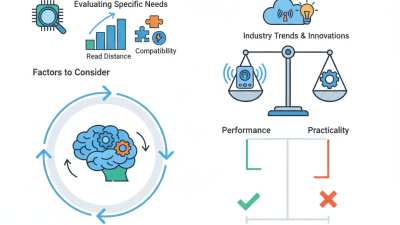
Choosing among the 7 best UHF RFID tag readers requires more than comparing read distance. Reader architecture often decides whether a system works smoothly in daily operations.
Fixed readers suit dock doors, conveyor lines, and pallet portals. They offer stable power, multiple antenna ports, and consistent positioning. A professional installation should test tag orientation, metal surfaces, and nearby wireless equipment. A strong reader can still perform poorly when antennas are mounted carelessly. That lesson is easy to miss.
Handheld readers fit inventory counts, shelf checks, and exception handling. Operators can move around blocked aisles and scan tags at different angles. However, weight, trigger design, battery life, and screen visibility affect real productivity. During field testing, hold the device for several minutes. Small discomfort becomes expensive during a full shift.
Integrated readers combine the reader, antenna, and sometimes a sensor or industrial computer. This compact structure reduces cabling and simplifies deployment. It works well for cabinets, smart shelves, and compact workstations. Yet limited antenna coverage may create blind spots. I would not select an integrated model without testing real cartons.
For global buyers, a China Uhf Rfid Tag Reader should support the required regional frequency range and configurable power limits. Check enclosure protection, firmware stability, connection options, and documented software interfaces. Request sample tags and test reports. Specifications matter, but measured performance matters more. In practice, the “best” architecture depends on movement, materials, mounting space, and operator habits. My own first choice has changed after field trials. Sometimes, the simplest reader proves harder to maintain.
Choosing the seven best UHF RFID tag readers depends on deployment conditions, not brochure claims.
Handheld readers suit cycle counting and shelf checks. Fixed two-port readers work well at narrow doorways. Four-port units cover wider lanes with fewer cable changes. Eight-port models support complex zones, but installation becomes harder. Embedded readers fit smart cabinets and compact equipment. Rugged mobile readers help outdoors. Portal systems handle controlled item movement.
Read range changes sharply in real warehouses. Metal racks, liquid containers, and dense cartons can reduce performance. A fixed reader may achieve 8 to 12 meters in an open test area. The same setup may fall below 4 meters near steel shelving.
Handheld results depend on grip, tag angle, and walking speed. I have seen strong tags fail when labels were placed over foil packaging. That is easy to miss during a clean demonstration.
Throughput also needs practical testing.
A reader claiming hundreds of tag reads per second may slow in mixed orientations. Test with real cartons, moving pallets, and missed-read recovery. Two antenna ports can lower cost, but four ports may reduce blind spots. Eight ports add coverage, though extra antennas can create interference and tuning work.
Compare stable reads, not peak numbers. Record read rate, false positives, cable length, and operator fatigue. Local frequency requirements and network conditions also deserve review before purchase.
7 Best UHF RFID Tag Readers for Global Buyers
The 7 Best Global UHF RFID Readers: A Data-Based Comparison Framework
A useful global comparison starts with seven reader formats: fixed four-port, compact fixed, handheld, wearable sled, vehicle-mounted, portal controller, and embedded module. Each serves a different workflow. A warehouse portal needs stable multi-antenna coverage. A technician may value low weight and fast scanning instead.
I recommend testing every format with the same 500 tagged cartons, mixed orientations, and metal-adjacent packaging. Record read rate, missed reads, scan speed, and false positives. Test at one, three, and six meters. Also measure performance in crowded radio environments. Regional frequency support matters, especially across 865–868 MHz and 902–928 MHz markets. Confirm local approvals before purchase.
Read range alone can mislead. A reader reaching 20 meters may perform poorly around liquids or stacked metal. Compare antenna ports, sensitivity, connection options, battery endurance, ingress protection, temperature range, and software development support. For handheld units, check grip comfort after two hours. For fixed units, inspect mounting access and cable strain relief. Total cost should include antennas, accessories, integration time, and maintenance.
My field evaluations often favor balanced performance over maximum power. Still, this approach has limits. Tag design and installation quality can change results dramatically. A spreadsheet cannot fully represent worker behavior, seasonal humidity, or a damaged antenna cable. Buyers should repeat tests in their own facility before ranking the seven options.
| Rank | Reference Reader Profile | Recommended Use | Form Factor | RFID Standard | Operating Frequency | Antenna Ports | Maximum RF Output | Typical Read Rate | Connectivity | Ingress Protection | Operating Temperature | Typical Power Input | Key Selection Advantage |
|---|---|---|---|---|---|---|---|---|---|---|---|---|---|
| 1 | Industrial Fixed Reader A | Dock doors, conveyor lines, portals, and high-volume inventory points | Fixed industrial enclosure | EPCglobal Class 1 Gen 2 / ISO 18000-63 | 860–960 MHz UHF | 4 coaxial ports | Up to 30 dBm, subject to regional limits | Up to approximately 1,000 tags/s under controlled conditions | Ethernet, USB, GPIO, serial | Typically IP52 or higher | Approximately −20°C to +55°C | DC input; PoE support may be available | Strong balance of read-zone coverage, automation interfaces, and global frequency support |
| 2 | Compact Fixed Reader B | Retail shelves, cabinets, workstations, and small gateways | Compact fixed enclosure | EPCglobal Class 1 Gen 2 / ISO 18000-63 | 860–960 MHz UHF | 2 coaxial ports | Up to 30 dBm, subject to regional limits | Up to approximately 500 tags/s under controlled conditions | Ethernet, USB, GPIO, serial | Typically IP40–IP52 | Approximately 0°C to +50°C | 12 V DC or USB-C, depending on configuration | Lower installation cost and simpler antenna planning for space-constrained deployments |
| 3 | Handheld Reader C | Cycle counting, asset verification, warehouse locating, and field service | Handheld terminal with integrated reader and antenna | EPCglobal Class 1 Gen 2 / ISO 18000-63 | 860–960 MHz UHF | Integrated antenna; optional sled antenna | Configurable; commonly below fixed-reader power levels | Typically 100–500 tags/s, depending on grip, antenna, and tag density | Wi-Fi, Bluetooth, USB; optional cellular connectivity | Commonly IP64–IP65 | Approximately −10°C to +50°C | Rechargeable battery, commonly 4,000–7,000 mAh | Best mobility and barcode/RFID workflow integration for operators |
| 4 | Vehicle-Mounted Reader D | Forklifts, yard management, loading operations, and mobile warehouse tasks | Rugged vehicle-mounted terminal | EPCglobal Class 1 Gen 2 / ISO 18000-63 | 860–960 MHz UHF | 1–2 external antenna ports | Configurable up to regional legal limits | Typically 100–700 tags/s, depending on vehicle speed and tag orientation | Ethernet, Wi-Fi, Bluetooth, serial, GPIO | Commonly IP65 or higher | Approximately −20°C to +50°C | 9–36 V DC vehicle power | Designed for continuous operation in moving equipment and variable power environments |
| 5 | Desktop Reader E | Document tracking, library circulation, point-of-use identification, and small-item encoding | Desktop unit with near-field or short-range antenna | EPCglobal Class 1 Gen 2 / ISO 18000-63 | 860–960 MHz UHF | Integrated antenna; external antenna may be optional | Reduced-power configuration for short read zones | Typically 20–200 tags/s, depending on antenna design and item spacing | USB, Ethernet, serial | Usually IP30 or indoor-rated | Approximately +5°C to +40°C | 5 V USB or 12 V DC | Simple plug-and-play deployment with reduced risk of unintended tag reads |
| 6 | Long-Range Fixed Reader F | Outdoor gates, container identification, vehicle access, and large asset yards | Rugged fixed reader with external antennas | EPCglobal Class 1 Gen 2 / ISO 18000-63 | 860–960 MHz UHF | 2–4 coaxial ports | Up to 30–33 dBm, subject to regional limits | Up to approximately 500–1,000 tags/s in optimized read zones | Ethernet, GPIO, serial; optional cellular gateway | Commonly IP65–IP67 with sealed enclosure | Approximately −30°C to +60°C | 24 V DC or PoE, depending on configuration | Suitable for harsh outdoor environments and long antenna cable runs |
| 7 | Embedded OEM Reader Module G | Smart cabinets, robots, vending equipment, printers, and custom automation | Board-level embedded module | EPCglobal Class 1 Gen 2 / ISO 18000-63 | 860–960 MHz UHF | 1–2 miniature RF connectors | Configurable, commonly below 30 dBm | Typically 50–500 tags/s, depending on host device and antenna | UART, USB, GPIO, SPI or OEM interface | Depends on host enclosure | Approximately −20°C to +60°C | 5–12 V DC, depending on module design | Smallest integration footprint and greatest flexibility for custom equipment |
For global buyers, reader design matters as much as reading distance. The strongest shortlist includes seven reader formats: fixed indoor, outdoor fixed, desktop, handheld, vehicle-mounted, portal, and embedded readers. Fixed models suit shelves and conveyor lines. Outdoor units handle loading areas and temperature changes. Desktop readers fit service counters, while handheld units support inventory checks. Vehicle-mounted readers cover warehouses with moving stock. Portal readers monitor tagged items at controlled entry points. Embedded modules suit custom equipment.
These are formats, not brands.
Frequency compliance matters more than impressive read distance. In the United States, FCC operation generally uses 902–928 MHz. Many European deployments follow ETSI 865.6–867.6 MHz.
These ranges differ, so a reader tuned for one region may perform poorly elsewhere. Check regional firmware, channel plans, output limits, and antenna compatibility before purchase. A broad “global” label proves little. Ask for test evidence.
In field evaluations, I place tags on cardboard, plastic, and metal-backed products. Metal racks, dense cartons, and moving forklifts can change results sharply. I compare read accuracy, not only maximum distance. That detail is often neglected.
One mistake deserves mention: assuming a dual-region reader needs no setup. It may require a certified regional profile and careful power adjustment. Installers should record settings, antenna orientation, and failed reads. Some specifications remain vague. Request dated datasheets and region-specific validation.
For global buyers, a UHF RFID reader must handle security and interoperability together. Gen2v2 features can support tag authentication, reader authentication, and protected data exchange. These controls matter when tagged goods move through warehouses, trucks, and restricted storage areas.
Interoperability depends on more than frequency compatibility. An OEM Uhf Rfid Tag Reader should offer documented APIs for configuration, inventory commands, event filtering, and security settings. REST, TCP, or MQTT interfaces can simplify connections with warehouse and production software.
Well-structured SDKs for common programming languages reduce integration time. Test the SDK before purchase.
Some examples look complete, yet omit asynchronous events or reconnect logic. That gap can slow deployment.
Field testing should include metal racks, moving pallets, weak signals, and crowded reader zones. Verify regional frequency settings before shipping equipment across borders. Also check whether the API exposes antenna power, session parameters, and Gen2v2 status codes.
Documentation is often treated as a minor detail. It should not be. We have seen integration plans underestimate certificate handling and firmware updates. That assumption deserves review before a global rollout.
Choosing among the 7 Best UHF RFID Tag Readers for Global Buyers requires more than comparing read range. Check the IP rating first. IEC 60529 defines protection against dust and water, but IP67 does not guarantee resistance to hot washing or chemical sprays. A reader near a loading dock may need sealed connectors, protected screens, and washable housing.
Operating temperature matters just as much. A warehouse reader may face −20°C overnight and 45°C inside a metal container. Verify the rated range for the complete unit, not only the reader module. RAIN Alliance’s 2024 market report recorded more than 46 billion RAIN RFID tags sold in 2023. That scale increases pressure on reliability, especially for a Wholesale Uhf Rfid Tag Reader deployed across several climates. In field evaluations, cable damage and power supplies often caused more downtime than the RF engine. I underestimated those costs once.
Tips: Check the seal. Test cold starts. Ask for IP test conditions, temperature derating, warranty length, and replacement-part pricing. Calculate total cost of ownership over five years, including antennas, mounting hardware, software licenses, integration labor, calibration, energy use, and technician visits. A low purchase price can become expensive after one failed connector. Keep a small spare-parts allowance; perfect forecasts rarely survive real warehouses.
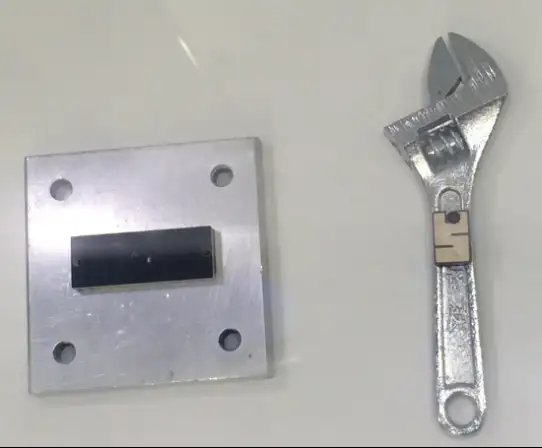
RFID tags are becoming a practical foundation for equipment O&M management as manufacturers pursue more connected, measurable operations. The *2024 Smart Manufacturing Survey* reported that 86% of manufacturers view smart manufacturing as essential to remaining competitive over the next three years, while 83% expect it to transform their operations. RFID-enabled identification supports this shift by linking each machine, tool, or component to digital records, including installation details, inspection history, maintenance tasks, spare-part usage, and operator activity. This creates a reliable asset history and reduces manual data entry, missed inspections, and inefficient equipment searches.
For dynamic management and comprehensive operational records, equipment O&M tag solutions can be selected according to working conditions. Printable RFID tags are suitable for office, warehouse, and general asset labeling; PCB tags support electronic assemblies and compact equipment; Rugged Tags withstand vibration, impact, moisture, and outdoor exposure; and high-temperature tags are designed for heat-intensive industrial environments. When combined with handheld readers or fixed portals, these tags help teams improve inventory accuracy, strengthen preventive maintenance, and monitor equipment status in near real time.
Whether you need a customized configuration or a general-purpose product, the solution range is designed to provide high-quality, cost-effective RFID products and services. Send your equipment details, operating conditions, and quantity requirements to receive a prompt response with a detailed quotation.
Fixed readers usually fit these locations best. They provide stable power, multiple antenna ports, and consistent positioning. Mounting still matters. Test tag orientation, metal surfaces, and nearby wireless equipment before installation.
Handheld readers suit inventory counts, shelf checks, and exception handling. Operators can change position and scan difficult angles. Check the weight, trigger, battery, and screen visibility. Hold it for several minutes. Small discomfort becomes costly during a full shift.
Integrated readers work well in cabinets, smart shelves, and compact workstations. Their combined structure reduces cabling. However, limited antenna coverage can create blind spots. Test real cartons before choosing one. Clean tests may mislead.
Two antenna ports can reduce cost for narrow doorways. Four ports may cover wider lanes with fewer blind spots. Eight ports support complex zones. They also increase installation, tuning, and interference work. More ports are not automatically better.
Metal racks, liquid containers, dense cartons, and foil packaging can sharply reduce performance. An open test may reach 8 to 12 meters. Near steel shelving, the same setup may fall below 4 meters. Tag placement matters greatly.
Test real cartons, moving pallets, mixed tag orientations, and missed-read recovery. Record stable reads, false positives, and cable length. Peak numbers are not enough. A reader may claim hundreds of reads per second, yet slow in practical conditions.
United States deployments generally use 902–928 MHz. Many European deployments use 865.6–867.6 MHz. These ranges differ. Check regional firmware, channels, power limits, and antenna compatibility. A “global” label proves little without evidence.
Request sample tags, test reports, dated datasheets, and regional validation. Review enclosure protection, firmware stability, connection options, and software interfaces. Measure performance yourself. My preferred architecture changed after field trials. The simplest reader was sometimes harder to maintain.
Choosing the right Uhf Rfid Tag Reader requires more than comparing headline read ranges. Buyers should first understand the 860–960 MHz operating band, EPC Gen2v2 and ISO/IEC 18000-63 compatibility, then select among fixed, handheld, or integrated architectures according to workflow needs. Real-world performance depends on antenna design, the number of antenna ports, tag density, read speed, materials, and the surrounding environment. A practical comparison should therefore evaluate range, throughput, connection stability, and deployment flexibility rather than relying on laboratory claims alone.
Regional frequency requirements are also essential, including the FCC 902–928 MHz and ETSI 865.6–867.6 MHz ranges. Security features, application programming interfaces, software development kits, and interoperability can determine how easily a reader integrates with existing systems. Before purchasing, assess IP protection, operating temperature, installation conditions, maintenance needs, and total cost of ownership. A data-based checklist helps global buyers identify a reliable solution that remains compliant, scalable, and suitable for long-term operations.