Leave Your Message
0%

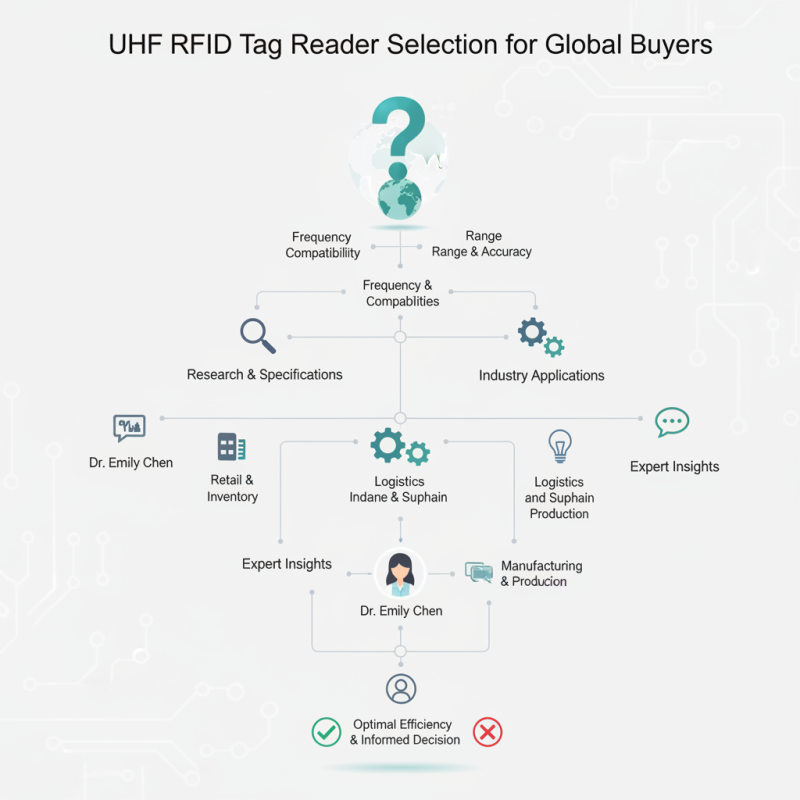
In today's fast-changing world of supply chain management, having reliable and efficient tracking systems is more important than ever. Experts like Dr. Emily Chen, who’s a top authority on RFID tech at Tech Innovations corp, really highlight how crucial advanced solutions are. She once mentioned, over coffee, that "the future of tracking is all about how well we can harness the power of theUhf Rfid Tag Reader." That kind of says it all—these UHF Rfid Tag Readers are game changers for making operations smoother worldwide.

UHF RFID Tag Readers have totally shaken up industries like retail, logistics, and manufacturing. They’re fantastic for quick data capture and keeping inventory levels accurate. But here’s the thing—you’ve got tons of options out there, right? So, it’s pretty natural to wonder: which one actually fits what I need? Taking the time to understand specs, compatibility, and the specific scenarios where you'll use them is really key if you want to make a smart choice.

That said, not every reader out there is perfect—some might have issues like limited range or trouble fitting into existing systems. So, it’s a good idea to do some homework and maybe even chat with experts before you buy. Choosing the right UHF RFID Tag Reader isn’t just about picking the cheapest or most popular one; it’s about thinking through what works best for your situation to get those great efficiencies you’re after.

2026 Best UHF RFID Tag Reader for Global Buyers?

Overview of UHF RFID Technology and Its Applications in 2026

UHF RFID technology continues to evolve, showing promising applications across various sectors in 2026. According to a recent market report by Grand View Research, the global RFID market is projected to reach USD 40 billion by 2028, with UHF RFID accounting for a significant share. This growth is driven by increased demand for efficient inventory management and real-time tracking in industries like retail, healthcare, and logistics.

In retail, UHF RFID tags enhance inventory accuracy, leading to greater customer satisfaction. A study by Zebra Technologies found that 76% of retailers using RFID have seen improved stock accuracy. In the healthcare sector, UHF RFID helps in tracking medical equipment and medication, reducing errors significantly. These advancements highlight the technology’s reliability and integration potential in everyday processes.

Tip: When selecting a UHF RFID solution, consider scalability. As your business grows, your RFID needs will evolve.

However, challenges remain. Misalignment between standards may affect interoperability. The technology can also face privacy concerns, with consumers wary of tracking. Understanding these nuances is crucial for successful implementation.

Tip: Evaluate your privacy policy alongside RFID adoption. This will build trust with your customers.

By staying informed and addressing these concerns, businesses can maximize the benefits of UHF RFID technology in 2026.

Key Factors Influencing UHF RFID Tag Reader Performance

When selecting a UHF RFID Tag Reader, several key factors can influence performance. The reader's sensitivity plays a crucial role. Higher sensitivity allows for better read rates, especially in environments with interference. Look for specifications that indicate robust performance under various conditions. Compatibility with different tags is another essential aspect. A versatile reader can engage with multiple tag types, enhancing productivity.


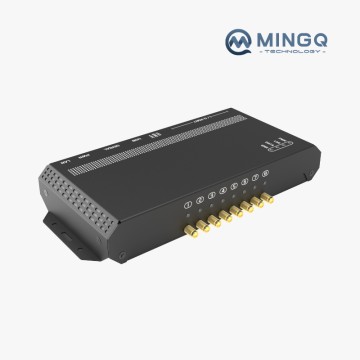
Many readers now feature advanced algorithms for noise reduction. This advancement significantly improves data accuracy. An 8-channel UHF RFID Tag Reader is particularly effective since it can simultaneously process multiple signals. This capability is ideal for busy environments, maintaining efficiency while reading multiple tags at once.


Tips: Always conduct field testing before committing to a specific model. This practice helps ensure the selected reader meets your unique operational needs. Additionally, consider the size and weight of the reader, especially if portability is necessary. Durability should not be overlooked either, particularly for outdoor use where equipment faces harsh conditions. Remember, not every product claiming high performance will actually deliver. Choosing based on specifications alone can lead to disappointment.

Top Manufacturers Leading the UHF RFID Tag Reader Market

The UHF RFID tag reader market is rapidly growing. Many manufacturers are stepping up their game. They are introducing innovative technologies to meet diverse needs. Quality and functionality remain essential for buyers. Some companies emphasize accuracy while others focus on durability. It’s a balancing act.

Many expert reviews highlight resources available in the market. Look into user feedback for better insights. The China Uhf Rfid Tag Reader segment shows notable advancement. Products from this region often excel in price and efficiency. However, challenges exist. Some users may find connectivity issues with certain models. Others may struggle with integration into existing systems.

Finding the right UHF RFID tag reader requires careful evaluation. Each manufacturer claims to have the best solution. Yet, real-world tests can reveal a different story. Buyers need to consider factors like user experience, product support, and long-term reliability. It can be overwhelming, but informed choices lead to satisfactory outcomes.

Comparison of UHF RFID Frequencies and Their Impact on Read Range

UHF RFID technology operates within the frequency range of 860 to 960 MHz. This frequency range influences the read range and performance of RFID systems significantly. According to the International Organization for Standardization (ISO), systems operating at lower frequencies tend to have shorter read ranges. For example, 860 MHz systems may achieve a range of up to 10 meters in optimal conditions, whereas systems at 950 MHz can extend this range significantly, sometimes up to 12 meters.

The environment also affects read ranges. In open spaces, UHF RFID systems can achieve their maximum potential. However, in crowded or cluttered environments, interference from objects or other signals could hinder performance. Studies have shown that read rates can drop substantially, sometimes by 30% or more, in such conditions. This variability raises questions about reliability and consistency, which are critical for global buyers.

Choosing the right frequency is essential for effective deployment. While higher frequencies can offer better range, the potential for interference cannot be overlooked. In some cases, a lower frequency may provide more stable performance despite shorter ranges. Understanding these trade-offs is crucial for companies planning to invest in RFID technology.

Analysis of UHF RFID Tag Reader Pricing Trends in 2026

As we approach 2026, the pricing dynamics of UHF RFID tag readers show notable trends. The demand for reliable and efficient readers continues to rise. As businesses invest in supply chain innovations, understanding these trends becomes crucial for informed purchasing decisions.

Recently, many industries have embraced OEM Uhf Rfid Tag Readers for their robust capabilities. These readers facilitate faster transactions and enhance inventory management. However, the market is leaning towards modular pricing models, which could offer better flexibility. Some early adopters express concerns regarding the initial costs. The trade-off between upfront investment and long-term savings can be difficult to assess.

Price variations also stem from technological advancements. New features in UHF RFID tag readers can lead to increased costs. Yet, those investments can result in improved operational efficiencies. Companies must be attentive to their specific needs before committing. The future of RFID technology is promising, but businesses must navigate the complexities of pricing to maximize their returns. This ongoing learning journey is essential for any serious buyer in the RFID market.

Emerging Features and Innovations in UHF RFID Tag Readers

2026 Best UHF RFID Tag Reader for Global Buyers?

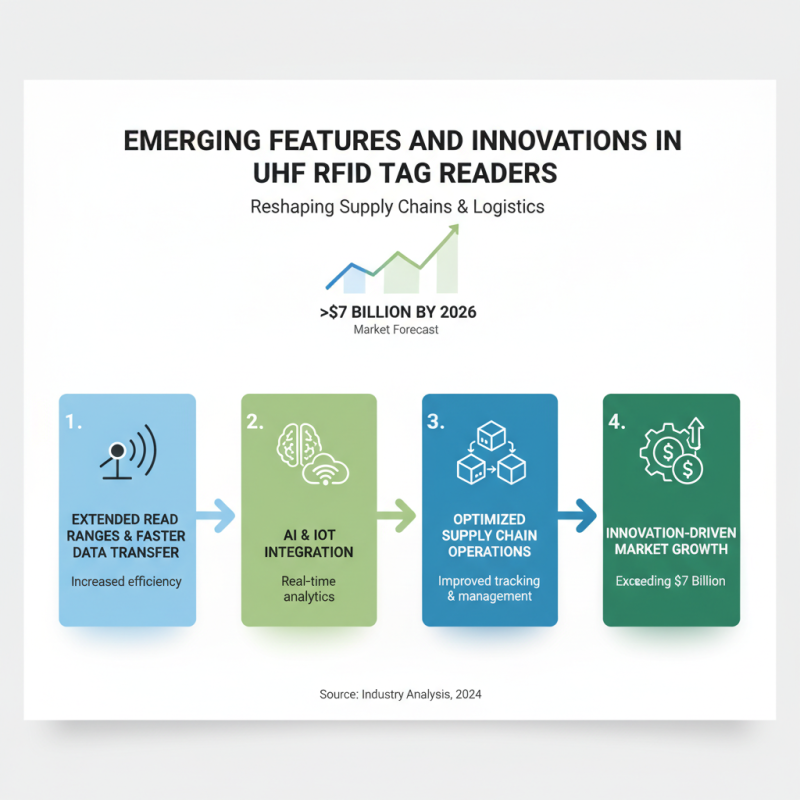
Emerging technologies are reshaping the landscape of UHF RFID tag readers. Analysts predict the market will exceed $7 billion by 2026, driven by innovations. Increased read ranges and faster data transfer rates are notable trends. The integration of AI and IoT in RFID systems provides real-time analytics. This allows businesses to optimize their supply chain operations effectively.

However, challenges remain. Scalability issues and high integration costs can deter small businesses from adopting these systems. It's essential that brands understand their specific needs before investing. Quality concerns also arise; not all readers perform equally in diverse environments.

Tip: When choosing a Wholesale Uhf Rfid Tag Reader, consider the reader's compatibility with existing systems. Seek systems that can easily adapt to future upgrades. Another important aspect is customer service; reliable support can make a big difference in the long run. By focusing on both innovative features and practical integration, businesses can make informed choices that drive efficiency.

Global Market Trends and Forecast for UHF RFID Readers in 2026

The global market for UHF RFID readers is evolving rapidly. As we approach 2026, we can expect significant technological advancements. The integration of IoT with UHF RFID technology is a game changer. This blend will enhance data accuracy and real-time tracking capabilities.

Emerging markets are seeing increased adoption. Retail, healthcare, and logistics sectors lead the way. UHF RFID readers provide efficiency in inventory management. Yet, challenges remain. Many buyers face compatibility issues with legacy systems. They must weigh the costs against potential benefits. Understanding these dynamics is crucial for global buyers.

Security and data privacy will be top concerns. With data breaches on the rise, companies will need to invest in robust protective measures. Trust in technology is paramount. Manufacturers must ensure their products meet stringent security standards. Overall, the future of UHF RFID readers looks promising, but businesses must approach this shift with caution.

2026 Best UHF RFID Tag Reader for Global Buyers

Region Market Size (Million USD) Growth Rate (%) Key Applications Technology Adoption Level
North America 450 12.5 Retail, Logistics High
Europe 350 10.2 Healthcare, Automotive Medium
Asia-Pacific 600 14.8 Manufacturing, Supply Chain Very High
Latin America 150 9.5 Agriculture, Retail Low
Middle East & Africa 100 8.1 Transportation, Security Medium

Maximizing Efficiency with the GRH-I65: The Ultimate Industrial-Grade Solution for Asset Tracking

In the fast-paced world of industrial operations, optimizing asset tracking is crucial for maintaining efficiency and productivity. The GRH-I65 offers a robust solution, designed specifically for the demanding environments of asset management. Its HF reader technology not only streamlines communication but also supports multiple options, including TCP/IP, RS485, and RS232. This versatility allows organizations to select the most suitable communication method tailored to their unique requirements, ensuring seamless integration into existing systems.

Moreover, the GRH-I65's capability to adapt to various operational contexts means it stands out as a premier choice for businesses looking to enhance their tracking capabilities. Whether implementing customized solutions or utilizing general-purpose applications, organizations can benefit from high-quality, cost-effective products that align with their strategic goals. Our commitment to providing reliable service and timely responses to inquiries guarantees that users can quickly obtain the information and resources they need to elevate their asset management practices.

FAQS

: What are the key applications of UHF RFID technology in 2026?

: UHF RFID technology is widely used in retail, healthcare, and logistics for inventory management and tracking.

How does UHF RFID improve inventory accuracy?

UHF RFID tags enhance stock accuracy, resulting in better customer satisfaction for retailers.

What challenges does UHF RFID technology face?

Challenges include standards misalignment, interoperability issues, and privacy concerns for consumers.

What should businesses consider when adopting UHF RFID?

Evaluate scalability and ensure your RFID solution can grow with your business needs.

How important is the sensitivity of a UHF RFID Tag Reader?

Higher sensitivity improves read rates, especially in environments with interference.

Why is compatibility important in a UHF RFID Tag Reader?

A versatile reader that works with multiple tag types increases productivity and operational efficiency.

What should be checked before purchasing a UHF RFID Tag Reader?

Conduct field testing to ensure the reader meets your specific operational requirements.

How does noise reduction impact data accuracy?

Advanced algorithms in readers reduce noise, significantly enhancing the accuracy of the data collected.

Why is the size and weight of a UHF RFID Tag Reader important?

Portability can be crucial, especially if the reader needs to be used in various locations.

What should be considered for outdoor UHF RFID equipment?

Durability is key, as outdoor equipment must withstand harsh conditions effectively.

Conclusion

The article explores the advancements and trends in UHF RFID tag readers for 2026, highlighting the importance of UHF RFID technology across various sectors. It discusses key factors that influence the performance of UHF RFID tag readers, including read range enhancements linked to different UHF frequencies. Additionally, the analysis covers pricing trends and emerging innovations, such as enhanced features that improve functionality and user experience.

Furthermore, the article examines the leading manufacturers in the UHF RFID tag reader market and provides insights into global market trends and forecasts. As businesses increasingly adopt UHF RFID solutions for inventory tracking, asset management, and supply chain optimization, understanding these developments will be crucial for global buyers seeking the best UHF RFID tag reader for their needs.

Sophia

Sophia

Sophia is a dedicated marketing professional at Shenzhen Jinruiming Technology Co., Ltd., where her expertise contributes significantly to the company’s vision and success. With a deep understanding of the company’s innovative product line, she effectively communicates their features and advantages......
Previous Top 5 Tips for Choosing the Best ODM Bluetooth RFID Reader Exporter?