Leave Your Message
0%

In today's fast-changing world of inventory management, having good tracking solutions is more important than ever. I came across a report from Research and Markets that says the global RFID market is expected to hit around $40 billion by 2026. A big reason? Ultra High Frequency RFID Readers are really driving this growth. These gadgets are a game-changer for businesses trying to get better at managing their stock and avoiding mistakes. Unlike old-school barcodes, these readers can scan multiple tags at once from pretty far away, making things way more efficient.

Best Ultra High Frequency Rfid Reader for Efficient Inventory Management

Key Features to Look for in an Ultra High Frequency RFID Reader

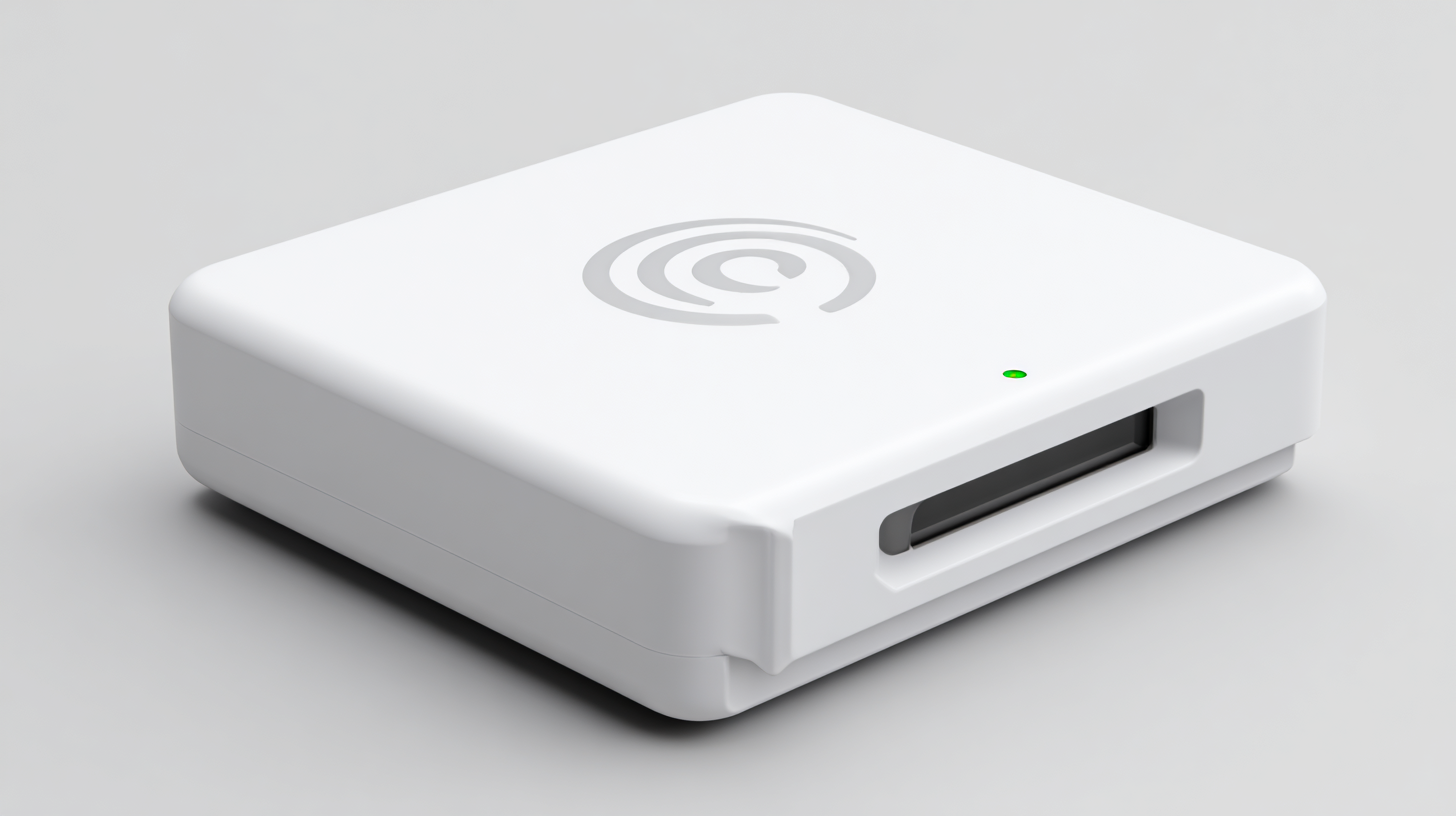
When selecting an Ultra High Frequency (UHF) RFID reader for efficient inventory management, several key features should be prioritized to enhance performance and streamline operations. First and foremost, the read rangeis crucial; an ideal UHf Rfid Reader should be capable of scanning tags from a significant distance, which improves speed and accuracy during inventory counts. Typically, a read range of up to10 meters is desirable, allowing for broader coverage in larger warehouses or retail environments.

Another essential feature to consider is the multi-tag reading capability. A high-quality UHF RFID reader should be able to scan multiple tags simultaneously, significantly reducing the time required for inventory tracking. Look for readers that support advanced anti-collision algorithms, which enable them to accurately identify numerous tags in quick succession without confusion. Additionally, connectivity options such as Bluetooth, Wi-Fi, or USB can be vital for integrating the RFID system with existing inventory management software, facilitating real-time data updates and seamless operations across platforms.

Top Ultra High Frequency RFID Readers for Inventory Management in 2025

In 2025, the landscape of inventory management is set to be transformed by advancements in Ultra High Frequency (UHF) RFID technology. The global RFID market is projected to reach approximately $14.56 billion by 2025, with UHF RFID systems expected to capture a significant share due to their efficiency and cost-effectiveness. These systems allow for rapid data capture and improved accuracy in inventory tracking, outperforming traditional barcode systems, which can only read one item at a time.

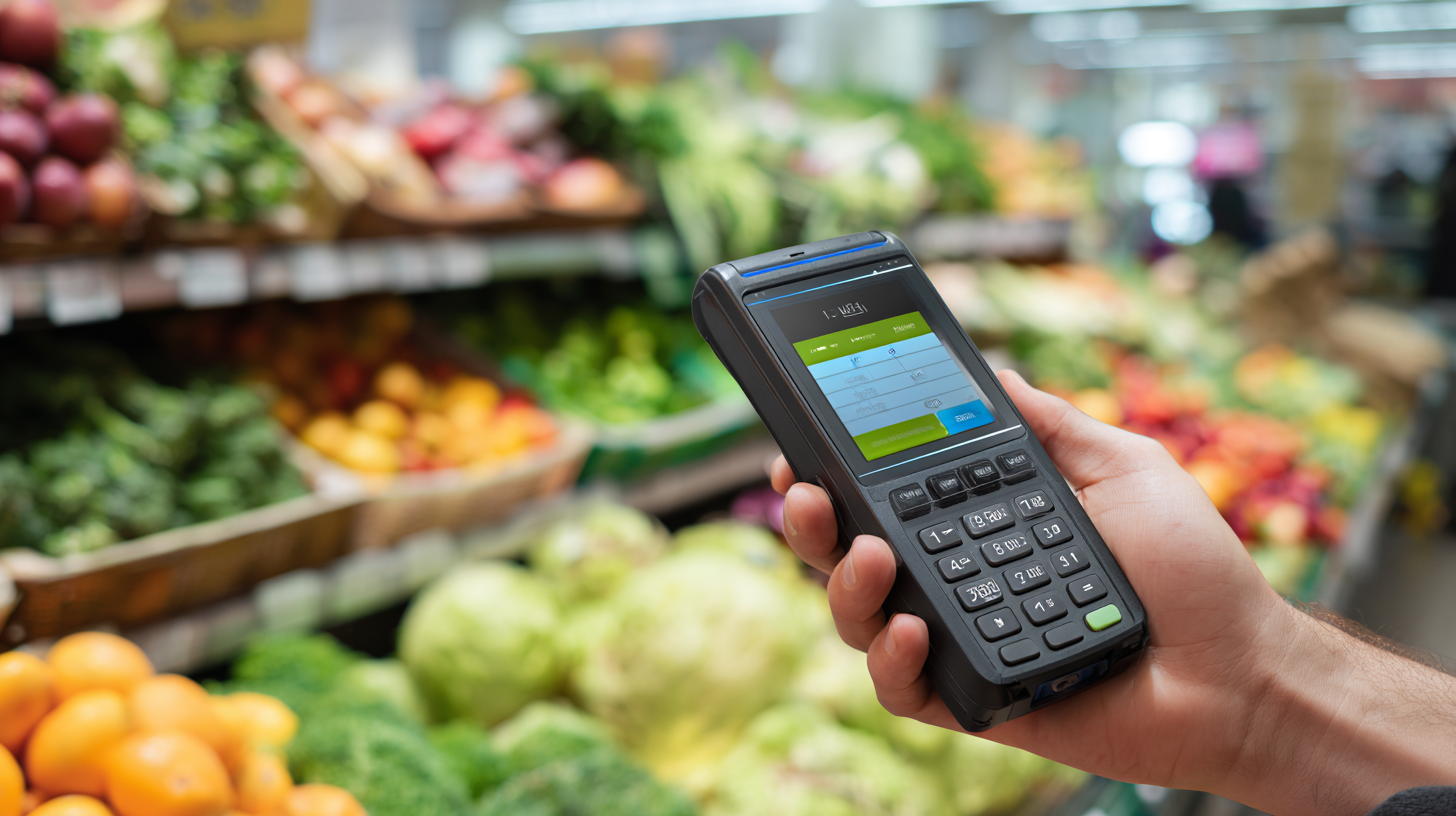
Leading UHF RFID readers, such as the Zebra FX9500 and Impinj Speedway Revolution, are emerging as top contenders in the market. The Zebra FX9500 boasts an impressive read rate of over 1,000 tags per second, making it ideal for high-volume environments. Meanwhile, the Impinj Speedway Revolution offers dynamic power control and customizable coverage, enhancing adaptability in various inventory management scenarios. According to a report by IDTechEx, companies adopting UHF RFID technology report up to a 30% increase in inventory accuracy, underscoring the necessity of these advanced readers in streamlining operations and reducing losses. As organizations continue to seek efficiency, the integration of UHF RFID readers in inventory management systems will be integral to achieving these goals in 2025 and beyond.

Best Ultra High Frequency RFID Readers for Efficient Inventory Management - 2025

Comparative Analysis of RFID Reader Technologies for Efficient Tracking

Radio Frequency Identification (RFID) technology has become a cornerstone of efficient inventory management across various industries. A comparative analysis of RFID reader technologies reveals that Ultra High Frequency (UHF) RFID readers stand out due to their ability to read multiple tags simultaneously and at greater distances. According to a report by RFID Journal, Uhf Readers can cover ranges of up to 12 meters, significantly enhancing tracking efficiency in large warehouses compared to their Low Frequency (LF) and High Frequency (HF) counterparts, which have more limited read ranges and slower data processing speeds.

When selecting the right UHF RFID reader, businesses should consider factors such as read accuracy and environmental conditions. For instance, studies show that a high-quality UHF reader can achieve a read rate of over 95%, minimizing errors during inventory audits. It's also crucial to anticipate potential interference from electronic devices and metal surfaces, which can impede signal strength.

**Tips:** Ensure that you evaluate the reader's compatibility with existing systems and tag types. Implementing a phased approach to testing different readers in your environment can yield valuable insights before a full-scale deployment. Additionally, providing training for staff on RFID technology can maximize operational efficiency by reducing the learning curve associated with new equipment.

Best Ultra High Frequency RFID Reader for Efficient Inventory Management

Feature Reader A Reader B Reader C
Frequency Range 860-960 MHz 860-868 MHz 902-928 MHz
Read Range 10 meters 12 meters 15 meters
Power Output 30 dBm 27 dBm 33 dBm
Connectivity USB, RS232 Ethernet, USB Wi-Fi, Bluetooth
Weight 0.8 kg 0.7 kg 1.0 kg
IP Rating IP65 IP66 IP67

Implementation Strategies for RFID Readers in Inventory Management

Best Ultra High Frequency Rfid Reader for Efficient Inventory Management Implementing Ultra High Frequency (UHF) RFID readers in inventory management can significantly enhance operational efficiency and accuracy. According to a report by Gartner, organizations that adopt RFID technology can reduce inventory discrepancies by up to 30%, leading to improved stock accuracy and decreased carrying costs. UHF RFID readers allow for the rapid scanning of multiple items and provide real-time data access, which is crucial in today’s fast-paced retail environments.

To maximize the benefits of RFID technology, businesses should establish clear implementation strategies. First, conducting a thorough assessment of existing inventory processes is essential to identify areas where RFID can bring improvements. Training staff to effectively use RFID systems is equally important, as user adoption can dramatically affect the overall success of the implementation. A study by IDTechEx indicates that companies successfully integrating RFID report a significant increase in inventory turnover rates—by as much as 50%. By aligning RFID technology with specific inventory goals and objectives, organizations can achieve unprecedented levels of efficiency in their supply chain operations.

Cost-Benefit Analysis of Using RFID Readers for Inventory Control

The integration of Ultra High Frequency (UHF) RFID readers into inventory management systems has transformed the landscape of supply chain efficiency. A cost-benefit analysis reveals that while the initial investment in RFID technology may seem substantial, the long-term savings and operational advantages significantly outweigh these costs. Companies can expect reduced labor costs due to automatic tracking and fewer discrepancies, along with the capability to manage inventory in real-time, leading to better stock control and reduced shrinkage rates.

Best Ultra High Frequency Rfid Reader for Efficient Inventory Management

MingQ Technology Limited stands at the forefront of this innovation, offering advanced IoT software and hardware solutions tailored for industrial applications. With a commitment to enhancing information communication and supporting artificial intelligence initiatives, MingQ provides the necessary infrastructure for businesses to implement RFID systems effectively. By leveraging their expertise, companies can adopt RFID technology that not only streamlines inventory management but also integrates seamlessly with existing IoT frameworks, ensuring a smarter, more efficient operational model.

Maximizing Efficiency in Manufacturing Workshops with the Proximity HF RFID Reader GRH-M30

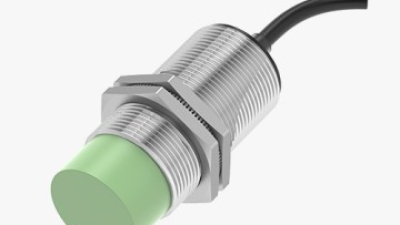
In today's fast-paced manufacturing landscape, efficiency is paramount. The integration of advanced technologies, such as the Proximity HF RFID Reader GRH-M30, can significantly enhance operational workflows. This robust reader, equipped with Modbus-RTU communication support, exemplifies a reliable solution for industrial automation. According to industry reports, organizations that utilize RFID technology can expect to reduce inventory costs by up to 30% and increase labor productivity by as much as 25%. The GRH-M30's advanced capabilities not only facilitate secure data collection but also streamline inventory management and asset tracking processes, making it a cornerstone in contemporary manufacturing workshops.

The versatility of the GRH-M30 further enhances its appeal, allowing seamless integration into various applications. Its advanced technology meets diverse industry needs, from automating warehouse operations to ensuring traceability in production lines. A study by MarketsandMarkets indicates that the RFID market is projected to reach $40 billion by 2026, underlining the growing trend toward automation and real-time data utilization in manufacturing. By choosing the GRH-M30, facilities can leverage cutting-edge solutions designed for efficiency and accuracy, ensuring they stay competitive in an increasingly automated environment.

As manufacturers continue to evolve, investing in high-quality, cost-effective products like the GRH-M30 is essential. Responding to the demand for customized solutions, we are dedicated to providing detailed product information and quotations. Organizations looking to optimize their manufacturing processes should consider the advantages offered by this powerful RFID technology to maximize efficiency and drive business growth.

FAQS

: What is RFID technology and why is it important for inventory management?

: RFID technology is a method used for automatic identification and data capture, enabling efficient inventory management across various industries. It provides real-time tracking and enhances operational efficiency by minimizing manual errors.

What type of RFID readers are most effective for tracking inventory?

Ultra High Frequency (UHF) RFID readers are the most effective as they can read multiple tags simultaneously and cover distances of up to 12 meters, significantly improving tracking efficiency in large warehouses.

What should businesses consider when selecting UHF RFID readers?

Businesses should consider factors like read accuracy, environmental conditions, potential interference from electronic devices and metal surfaces, and compatibility with existing systems and tag types.

How accurate are UHF RFID readers in reading tags?

A high-quality UHF RFID reader can achieve a read rate of over 95%, which minimizes errors during inventory audits.

What are the long-term benefits of investing in RFID technology despite the initial costs?

Long-term benefits include reduced labor costs due to automatic tracking, fewer discrepancies, real-time inventory management, better stock control, and reduced shrinkage rates, which outweigh the initial investment.

How can companies enhance RFID technology implementation?

Companies can enhance implementation by evaluating different readers in their environment, adopting a phased approach for testing, and providing training for staff to efficiently use the technology.

What role does MingQ Technology Limited play in the RFID industry?

MingQ Technology Limited offers advanced IoT software and hardware solutions tailored for industrial applications, supporting companies in effectively implementing RFID systems and integrating them with existing IoT frameworks.

What challenges might businesses face when using RFID readers?

Businesses may face challenges such as potential interference affecting signal strength, as well as the need to ensure the compatibility of RFID systems with current infrastructure and tag types.

How does RFID technology contribute to supply chain efficiency?

RFID technology streamlines the supply chain by enabling automatic tracking of inventory, which improves accuracy, reduces labor costs, and enhances overall operational efficiency.

What training is recommended for staff when implementing RFID systems?

Providing training on RFID technology is recommended to help staff understand the system, operate new equipment effectively, and maximize operational efficiency by reducing the learning curve.

Conclusion

In today's fast-paced inventory management landscape, the Ultra High Frequency RFID Reader has emerged as a crucial tool for enhancing operational efficiency. Key features to consider when selecting an RFID reader include read range, speed, and compatibility with existing systems. As we look towards 2025, a variety of top-performing Ultra High Frequency RFID Readers are set to revolutionize inventory control, allowing businesses to track assets with unparalleled accuracy.

Moreover, a comparative analysis of different RFID reader technologies underscores the advantages of Ultra High Frequency solutions for real-time tracking. Effective implementation strategies are essential to harness the full potential of these readers, while a thorough cost-benefit analysis reveals significant savings and improved inventory accuracy. Companies like MingQ Technology Limited are leading the charge in providing innovative IoT solutions, including Ultra High Frequency RFID Readers, to streamline inventory management processes.

Sophia

Sophia

Sophia is a dedicated marketing professional at Shenzhen Jinruiming Technology Co., Ltd., where her expertise contributes significantly to the company’s vision and success. With a deep understanding of the company’s innovative product line, she effectively communicates their features and advantages......
Previous Exploring the Key Specifications of Advanced Rfid Writer Technology