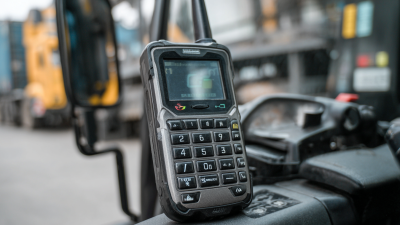
Managing inventory is such a vital part of running a smooth business, and honestly, technology has totally changed the game in this area. One of the coolest advancements lately has gotta be UHF RFID handheld scanners — they’ve really shaken things up when it comes to how companies keep track of their stuff. These gadgets use Ultra High Frequency (UHF) tech to read RFID Tags from pretty far away, making it way faster and more accurate to gather data. That kind of speed and precision helps boost productivity a lot. As more businesses start realizing how crucial it is to fine-tune their inventory processes, picking the right UHF RFID handheld device becomes more important than ever to keep things running smoothly.
In this guide, we’ll walk through what we think are the top 10 UHF RFID handheld readers out there right now. We’ll look at their features, what makes them special, and how they can really benefit your business. Our goal is to help you make smarter choices that fit your specific needs — whether you’re a small shop trying to get a better grip on your stock, or a bigger company looking to streamline your supply chain. Picking the right reader can honestly give you a real edge over the competition, saving you time, lowering mistakes, and cutting down costs in the long run.

Understanding UHF RFID Technology and Its Importance in Inventory Management
UHF (Ultra High Frequency) RFID technology has emerged as a crucial component in enhancing inventory management across various industries. It enables businesses to track items with remarkable accuracy and efficiency. According to a report from the Market Research Future, the global RFID market is expected to reach $40 billion by 2025, driven significantly by advancements in UHF technology. This technology works by using electromagnetic waves in the 300 MHz to 3 GHz range, allowing readers to identify multiple tags from a distance without the need for line-of-sight scanning.
Effective inventory management relies on precise data collection and quick access to information, which UHF RFID technology provides. By employing handheld readers, organizations can streamline their inventory processes, reduce errors, and significantly cut down the time spent on stocktaking. According to a study by AIM Global, firms implementing UHF Rfid Solutions have reported a reduction in inventory errors by up to40%, showcasing its impact on operational efficiency.
Tips: When selecting a UHF RFID handheld reader, consider features such as read range, battery life, and compatibility with existing systems to ensure seamless integration. Additionally, training staff on optimal usage can significantly enhance the efficacy of your inventory management system and lead to improved overall productivity. Remember, investing in the right technology is just as crucial as choosing the right implementation strategy.
Key Features to Look for in a UHF RFID Handheld Reader
When selecting a UHF RFID handheld reader for effective inventory management, there are several key features that should be prioritized. First and foremost, the reader's read range is critical. A longer read range allows for greater flexibility in inventory tracking, enabling users to scan multiple items from a distance without direct line-of-sight. This feature is particularly beneficial in large warehouses where accessing items can be cumbersome. Additionally, the speed of the scanning process is essential; a high scanning speed ensures that inventory counts can be completed quickly and efficiently, minimizing downtime in operations.
Another important aspect to consider is the ergonomics of the handheld reader. A comfortable grip and lightweight design can reduce user fatigue during prolonged use, making it easier for staff to manage inventory effectively. Furthermore, durability is key in a warehouse setting; the reader should be robust enough to withstand drops, dust, and moisture. Compatibility with various software systems is also a significant feature, as it enables easier integration into existing inventory management systems and enhances data processing capabilities. By focusing on these essential characteristics, businesses can choose a UHF RFID handheld reader that significantly boosts their inventory management efficiency.
Top 10 Best UHF RFID Handheld Readers for Efficient Inventory Management
| Model | Frequency Range | Read Range | Connectivity | Battery Life | Weight |
| Model A | 860-960 MHz | Up to 10 meters | Bluetooth, Wi-Fi | 12 hours | 300 g |
| Model B | 850-930 MHz | Up to 12 meters | NFC, USB | 10 hours | 250 g |
| Model C | 860-928 MHz | Up to 15 meters | Wi-Fi, Bluetooth | 14 hours | 350 g |
| Model D | 860-960 MHz | Up to 8 meters | USB, Ethernet | 9 hours | 320 g |
| Model E | 865-960 MHz | Up to 11 meters | Bluetooth, USB | 10 hours | 270 g |
Top 10 UHF RFID Handheld Readers: Overview and Specifications
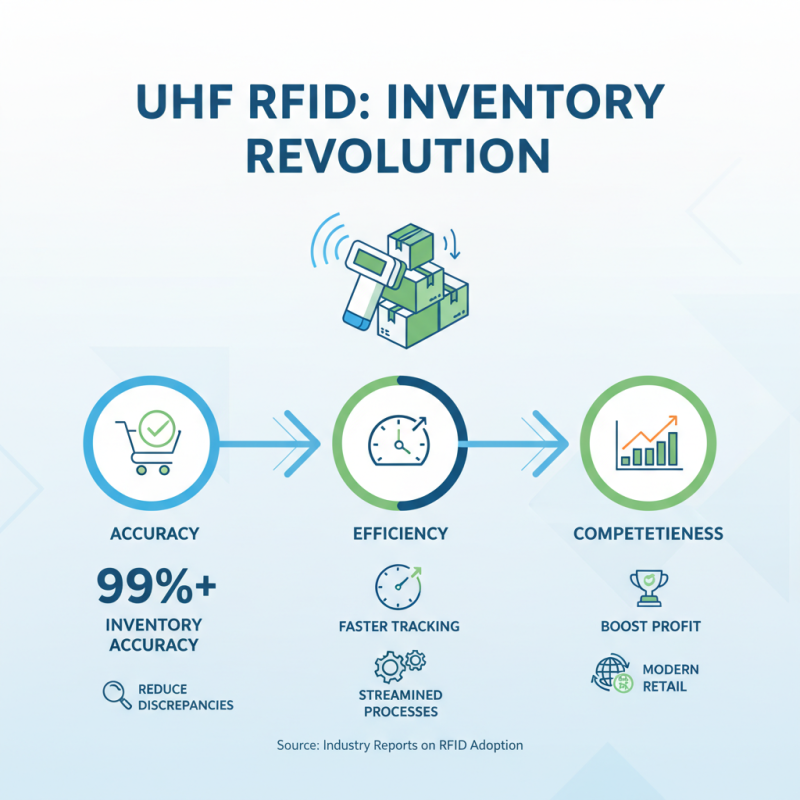
In today's fast-paced retail environment, efficient inventory management has become crucial for businesses striving to stay competitive. UHF RFID handheld readers have emerged as a powerful tool for streamlining inventory processes, enabling companies to accurately track stock levels and reduce discrepancies. According to industry reports, adopting RFID technology can improve inventory accuracy by up to 99%, significantly enhancing overall operational efficiency.
When choosing the right UHF RFID handheld reader, it's essential to consider specifications such as read range, battery life, and data processing speed. A high read range, typically between 3 to 10 meters, allows users to scan multiple tags from a distance, leading to faster inventory counts. Additionally, devices equipped with long-lasting batteries ensure continuous operation throughout the workday without frequent recharges. It’s also beneficial to evaluate the data handling capabilities of the reader, which influences how quickly information can be processed and reported, crucial for time-sensitive operations.
**Tips:** When selecting a UHF RFID handheld reader, prioritize those that offer customizable software solutions for seamless integration with existing inventory management systems. Furthermore, ensure that the reader supports a variety of RFID tag types to maintain flexibility in your inventory processes. Proper training for staff on how to efficiently utilize these devices can maximize any investment in RFID technology.
Performance Metrics: Speed and Read Range of UHF RFID Readers
When selecting a UHF RFID handheld reader for efficient inventory management, two critical performance metrics—speed and read range—play a pivotal role. Speed refers to the reader's ability to quickly scan and process multiple tags in a short period. High-speed readers are essential in fast-paced environments, such as warehouses or retail settings, where efficiency is paramount. A reader that can capture dozens of tags per second significantly reduces the time spent on inventory audits and enhances overall operational productivity.
In addition to speed, the read range of a UHF RFID reader determines how far away it can successfully identify tags. A longer read range allows users to scan items from a distance, which is particularly useful for managing bulk inventory or accessing items that are stacked or not easily reachable. Enhanced read range capabilities can reduce the need for physical handling of goods, further facilitating swift inventory checks and replenishment processes. Balancing these metrics ensures that businesses can optimize their inventory management systems, reducing costs and improving accuracy in tracking assets.
Top 10 Best UHF RFID Handheld Readers Performance Metrics
User Experience: Ergonomics and Interface of Handheld Readers
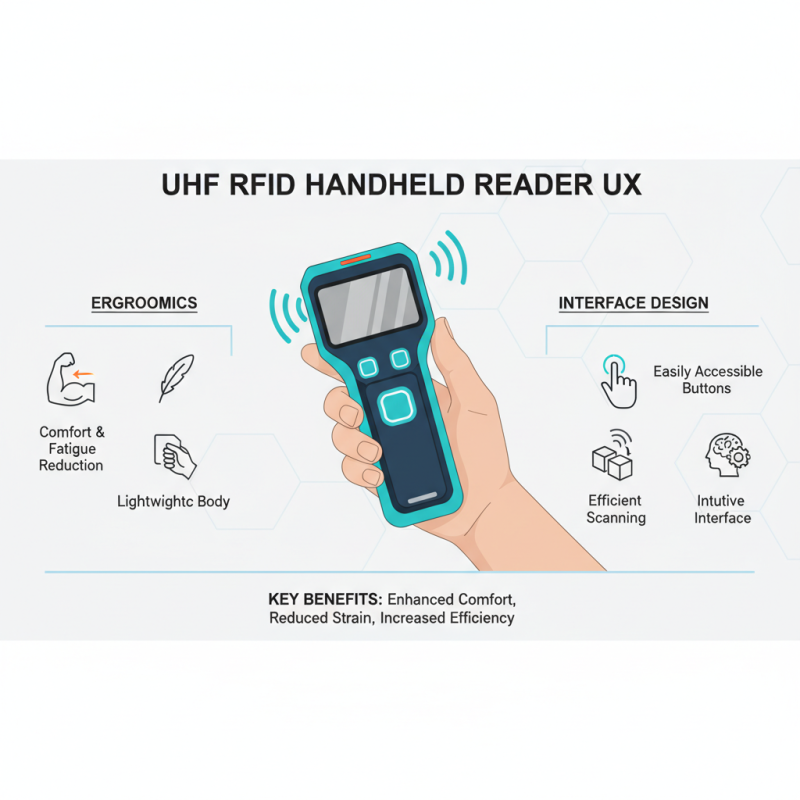
The user experience of UHF RFID handheld readers is significantly influenced by their ergonomics and interface design. A well-designed handheld reader should prioritize comfort, allowing users to operate the device for extended periods without experiencing fatigue. This encompasses features such as a lightweight body, easily accessible buttons, and a grip that conforms to the natural shape of the hand. A thoughtful design can also minimize strain during scanning tasks, which is particularly important in inventory management where efficiency is key.
In addition to ergonomics, the interface plays a crucial role in the overall usability of handheld readers. A clear and intuitive interface can greatly enhance the speed and accuracy of inventory processes. The use of bright screens with high resolution ensures that users can quickly read data even in various lighting conditions. Touchscreen or tactile buttons should provide quick access to essential functions, allowing users to seamlessly switch between different modes such as scanning, data entry, and reporting. By combining ergonomic design with a user-friendly interface, handheld readers can empower inventory management teams to operate more effectively and with greater confidence.
Integration Capabilities: UHF RFID Readers with Inventory Management Systems
The integration of UHF RFID handheld readers with inventory management systems is transforming how businesses approach asset tracking and inventory control. According to the "2023 RFID Industry Report," companies that adopt UHF RFID technology can achieve up to a 30% reduction in labor costs and a 50% decrease in inventory inaccuracies. This efficiency is primarily due to the seamless communication between RFID readers and inventory systems, which allows real-time data updates, streamlining stock-taking processes and minimizing human error.
For organizations looking to enhance their inventory management, it’s crucial to choose UHF RFID handheld readers that offer robust integration capabilities. A reader that supports various protocols and can easily connect with existing software platforms not only enhances operational efficiency but also ensures scalability as business needs evolve. By integrating these readers into an inventory system, businesses can automate data collection, monitor stock levels in real-time, and generate accurate reports, ultimately leading to better decision-making.
Tips: When selecting a UHF RFID handheld reader, consider its compatibility with your current inventory management system to avoid integration hurdles. Additionally, evaluate the reader's battery life and ergonomics, as user comfort and extended usage periods are essential for productive warehouse operations. Lastly, ensure the reader’s software supports cloud connectivity for easy access to inventory data from any location.
Budget Considerations: Price Range and Value for Money in RFID Readers
When selecting UHF RFID handheld readers for inventory management, budget plays a crucial role in balancing cost and functionality. The price range for these devices typically varies, starting from around $300 for entry-level units to over $2,000 for advanced models with comprehensive features. According to research by Gartner, businesses can expect a significant return on investment (ROI) by utilizing RFID technology; companies report inventory accuracy improvements of up to 30% or more, which can vastly outweigh initial expenditures.
It's essential to evaluate the value for money when shopping for RFID readers. Factors such as read range, battery life, and data processing speed can significantly impact operational efficiency. A recent study from the RFID Research Center noted that organizations that invested in higher-quality readers not only experienced lower operational costs over time but also achieved better data integration and faster inventory processes. This indicates that while the upfront costs might be higher, the long-term savings and efficiency gains can make the investment worthwhile.
Tips: Before purchasing, consider your specific inventory needs and the environments in which the devices will be used. Ensuring the reader has rugged features may save costs on replacements or repairs. Additionally, look for models that offer a good balance of features without extra expenditures on unnecessary functionalities.
Leveraging High Frequency Medium Distance Readers in Logistics: Insights from the Global RFID Technology Market Report
The logistics industry is increasingly adopting innovative technologies to optimize operations, and high-frequency medium distance readers play a crucial role in this transformation. These integrated readers are designed to provide reliable performance even in challenging environments, particularly those with high levels of electrostatic activity. Their enhanced ESD protection features ensure consistent operation, significantly reducing risks such as equipment damage and operational downtimes.
With the evolution of the global RFID technology market, it is essential for businesses to invest in products that not only meet their logistical challenges but also enhance overall efficiency. High-frequency readers, like those designed with user-friendly interfaces, enable seamless integration into existing systems. This adaptability allows companies to tailor their solutions according to specific needs, whether for inventory management, tracking shipments, or improving supply chain transparency.
Furthermore, the emphasis on quality and cost-effectiveness is paramount. Providers of high-frequency readers are committed to delivering products that combine durability with performance, ensuring that enterprises can rely on them for long-term operations without incurring excessive costs. By prioritizing these technological advancements, logistics companies can position themselves for improved productivity and competitive advantage in the rapidly evolving marketplace.
FAQS
: The two critical performance metrics to consider are speed and read range. Speed refers to the reader's ability to scan and process multiple tags quickly, while read range indicates how far away the reader can successfully identify tags.
Speed is essential in fast-paced environments like warehouses or retail settings, as it significantly reduces the time spent on inventory audits and enhances overall operational productivity by allowing the capture of dozens of tags per second.
A longer read range allows users to scan items from a distance, which is particularly useful for managing bulk inventory or accessing items that are difficult to reach, thus facilitating quicker inventory checks and replenishment processes.
Handheld readers should be lightweight, have easily accessible buttons, and a grip designed to conform to the natural shape of the hand, allowing users to operate the device comfortably for extended periods.
A clear and intuitive interface enhances the speed and accuracy of inventory processes. Features like bright screens with high resolution and quick access to essential functions improve the overall user experience.
A well-designed handheld reader minimizes strain during scanning tasks and improves confidence in operations, enabling inventory management teams to work more effectively and efficiently.
User experience, influenced by ergonomics and interface design, is critical for ensuring that users can operate the device comfortably and efficiently, ultimately impacting productivity in inventory management.
Balancing speed and read range allows businesses to optimize their inventory management systems, reducing costs and improving accuracy in tracking assets.
Ergonomic designs can reduce fatigue by minimizing strain on users during scanning tasks, which is particularly important for maintaining productivity during long inventory management operations.
High-speed UHF RFID readers are particularly essential in environments such as warehouses or retail settings, where efficiency and the ability to quickly process multiple tags are crucial for successful inventory management.
Conclusion
In the modern landscape of inventory management, understanding UHF RFID technology is crucial for enhancing operational efficiency. UHF RFID handheld readers have emerged as vital tools, equipped with features that ensure quick and accurate inventory tracking. When selecting the best UHF RFID handheld reader, key aspects to consider include performance metrics like speed and read range, user experience factors such as ergonomics and interface design, and integration capabilities with existing inventory management systems.
Budget considerations also play an essential role in making an informed choice, ensuring that the selected UHF RFID handheld reader offers the best value for money. The right device not only improves inventory management processes but also contributes to overall productivity in various business environments.

 Rotary HF RFID Tag Reader GRH-I40 Suitable for Assembly Lines
 Industrial-grade High-frequency Integrated Reader GRH-I65 Suitable for Asset Tracking
 With ESD Protection HF RFID Reader GRH-I68 Suitable for Progress Tracking
 Proximity HF RFID Reader GRH-M30 Suitable for Manufacturing Workshops
 Desktop HF RFID Scanner GRH-D80-HID Suitable for Card-issuing Applications
 High Frequency Medium Distance Reader GRH-I90 Suitable for Logistics Production Line
 UHF RFID Portals and Tunnel Machine RFly-AM3000 for Access Control
 Narrow RFID Portals Series TD-P20040-SS for Single Tag Entry and Exit Identification Scenario
 RFID Transmission Line Simple Identification Tunnel Machine (TD-T3050)
 Vision and RFID Tunnel Machine TD-T7692-RV for Logistics Sorting
 RFID Transmission Line Identification Tunnel Machine TD-T10090
 RFID Mobile Inventory Tunnel Machine TD-T65150 for Conveyor Belts
 High-Performance Far-Field Antennas for Broad Coverage.
 Multi-Purpose Antennas: Flexibility for Diverse Applications
 Near-Field Antennas for Short-Distance Tag Detection.
 Portals & Tunnel Antennas for Integrated RFID Series
 Slimline PCB Antennas for Warehousing and Logistics
 Miniaturized and Thin Antennas can Provide Good Performance in a Smaller Size.
 GPS Tracker for Vehicles, Car, Kids, Assets.
 CO2 Sensors Detect CO2 Gas through Alarms, Suitable for Offices, Planting Tents.
 Door Sensor, Detect Open and Closed Doors or Windows, Sends Alerts, Triggers Siren.
 Wireless Level Sensor Equipped with a 5-Meter Detection Line, Suitable for Water Tanks
 Real Time Monitoring of Air Quality Using PM2.5/PM10 Sensors.
 Smoke Sensor, Fire Alarm Smoke Detector with Test Button and Low Battery Reminder.
 Soil Stress Sensor,Bridge and Tunnel Monitors.
 Vibration Sensor Monitors Equipment, Like Conveyors and Motors, for Operational Status.
 E -Paper Display
 Smart Water Sensor Alarms, 1.2 M Detection Line.
 CO Sensor for Basements Home Office House Bedroom Living Room Car, Light Plug and Play.
 Temperature and Humidity Sensor
 Multi-sensor GD-ME
 Temperature Sensors Monitor the Surface Temperature of Various Heating Equipment.-1
 Signal Enhancement Terminal, Long Range Coverage.
 Multi-Protocol Communication Gateway, App Remote Control.
 Edge Vision Gateway can Access Various Mainstream Cameras, Suitable for Office, Factory.
 GBS-3550 Outdoor Sensor Gateway,LoRa, 2/3/4G Communication.
 Smart WiFi Gateway, Realize Remote Control.
 Ultra-Low-Power Solar-Powered Intelligent Gateway (Outdoor)
 IP67-protected Integrated RFID Reader Writer RFly-I165 for Supply Chain
 Long-range Distance UHF RFID Reader RFly-I195 for Inventory Management
 Small UHF RFID Tag Reader RFly-I300 for Cars
 Two-channel Compact Fixed RFID Reader RFly-F210 for Warehousing
 Four Channels Fixed UHF RFID Reader RFly-R6 for Supply Chain
 8-channel UHF RFID Tag Reader RFly-R8 for File Cabinet Identification
 Bluetooth Portable RFID Reader and Writer GRU-HBT100 for Inventory Management
 Industrial Grade Handheld UHF RFID Reader GRU-HC520 Suitable for Logistics
 RFID Gateway Networking System
 RFID Passive Temperature Measurement System
 RFID Tags for Container Turnover Management
 RFID Tags for Equipment O&M Management
 RFID Tags for Manufacturing Management
 RFID Tags for Tool Management
 A Kits for Equipment Condition Detection
 A Kits for Office Computer Room Environment Monitoring
 A Kits for Reservoir Environmental Monitoring
 A Kits for Storage Space Environment Monitoring
 A Kits for Stress Detection of Underground Tunnel
 A Kits for Urban Environment Monitoring
 Intelligent IoT Monitoring Platform
 Integrating Multiple Functional OTG Demo Software
 HF Demo Software
 UHF Demo Software