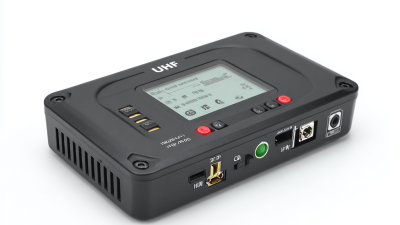
In today’s fast-moving world, picking the right Uhf Rfid Handheld Readeris super important for businesses that want to stay efficient. According to research from MarketsandMarkets, the RFID market is expected to jump from about $10.9 billion in 2020 all the way up to $27.5 billion by 2026—that's quite a surge! It really shows how much companies are turning to RFID tech these days. Choosing the right reader can make a big difference in managing inventory, tracking assets, and streamlining supply chains.
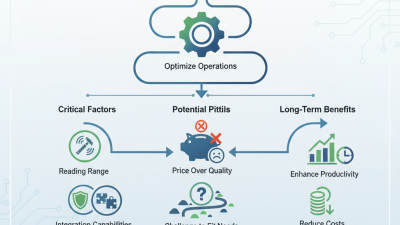
A good uhf rfid handheld Reader isn’t just about speed; it also helps keep data accurate. Brands like Zebra Technologies and Impinj offer a bunch of different features, so you can find something that fits your specific needs. But honestly, with all the options out there—from budget-friendly models to high-end gadgets—it can get pretty overwhelming to pick the perfect one. Things to think about include how far it can read, how long the battery lasts, and whether it’s comfortable to hold and use.
A lot of users have shared their frustrations—sometimes their devices don’t quite match up with what they actually need, or they don’t sync well with existing systems, which is super annoying. So, finding the perfect Uhf Rfid Handheld Reader really does require some careful research and a good assessment of what your operation demands. Otherwise, you might end up with something that’s just not quite right and end up regretting your choice.
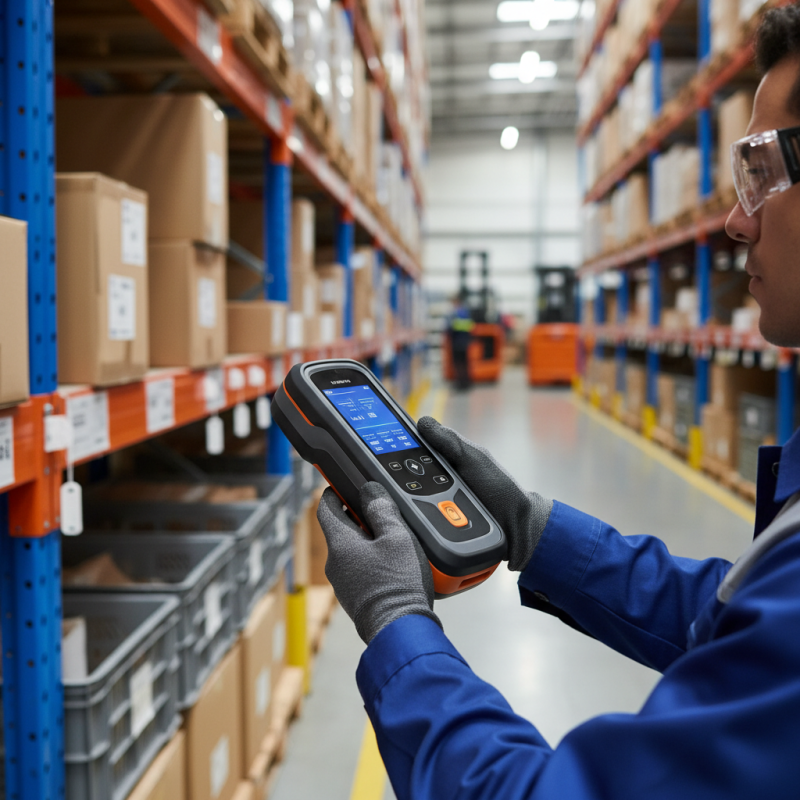
What is UHF RFID Technology and How Does It Work?
UHF RFID technology is a powerful tool used in various industries. It employs radio waves to read information stored on tags attached to items. These tags can be read from a distance, which is beneficial for inventory management and tracking. This technology simplifies processes, making operations more efficient.
When considering a UHF RFID handheld reader, look for features that match your needs. Ensure it has a good read range. A device that offers a longer distance can save time in scanning. Battery life is also essential. A device that runs out of power frequently can disrupt workflow.
Tips: Always test the reader in your environment. Not every reader is suitable for every situation. Assess its performance under real conditions. Remember, choosing a reader based on its specifications alone isn’t enough. A Famous Uhf Rfid Handheld Reader might look impressive on paper but could underperform in practice. Pay attention to user reviews and hands-on experiences when making your decision.
Key Features to Look for in a UHF RFID Handheld Reader
When selecting a UHF RFID handheld reader, several key features must be considered. The scanning range is crucial. A reader that can scan tags from a distance increases efficiency. Look for models with adjustable power settings. This allows for flexibility based on your needs.
Battery life is another important aspect. Readers with long-lasting batteries reduce downtime. Opt for devices that support quick charging. Lightweight designs enhance portability. This is vital for users who need to carry the reader throughout the day. User-friendly interfaces also matter. A simple screen display helps in navigating functions quickly.
Data processing speed should not be overlooked. Some devices may lag, which can frustrate users. It’s essential to find a balance between performance and ease of use. Check for compatibility with your existing systems too. If integration proves difficult, the benefits may not justify the cost. Always consider the support and documentation available. Clear instructions can save time and confusion down the line. Ultimately, reflecting on these features will guide you in making a smart choice.
Top Brands in UHF RFID Handheld Readers: An Industry Overview
UHF RFID handheld readers are vital in various industries. Different brands offer unique features that cater to specific needs. According to recent industry reports, the UHF RFID market is projected to grow by 14.4% annually. This surge highlights the demand for efficient reading solutions.
Several key specifications play a role in choosing a reader. Speed, range, and battery life are essential factors. Some models can read tags from distances of up to 10 meters. However, a longer range can sometimes result in slower processing speeds. Users may find it challenging to balance these aspects. Many struggle with confusion over which specifications truly matter for their applications.
Workforce efficiency is another critical point. The right handheld reader can enhance inventory management or Asset Tracking. However, users often report a steep learning curve with advanced features. Some find that even the best devices may not fit all operational scenarios. Taking time to assess unique requirements is crucial. Selecting a reader without understanding specific needs can lead to inefficiencies. In this evolving market, staying informed is key.
Top Features of UHF RFID Handheld Readers
Performance Metrics: Read Range and Speed in UHF RFID Readers
When choosing a UHF RFID handheld reader, performance metrics matter greatly. The read range of the device will determine how far it can successfully identify tags. A typical UHF RFID reader might have a read range from a few centimeters to over 10 meters, depending on the environment and tag specifications. For bulk operations like inventory checks, a longer read range is often desirable. It's essential to assess how these specifications align with your specific needs.
Speed is another critical factor in the reader's performance. Some handheld readers process tags in milliseconds, while others may take several seconds. A slower reader can impede workflow efficiency. Consider how fast you need to scan items in your operation. Sometimes, achieving faster results might involve trade-offs on read range or battery life. High-Quality Uhf Rfid Handheld Readers offer a balance between speed and distance; however, not every application will benefit from the same design.
Finding the ideal UHF RFID handheld reader may require testing various models. There are no perfect solutions, and each reader brings unique strengths and weaknesses. User feedback, alongside real-world performance tests, can shed light on what truly works. Investing time to reflect on these performance metrics can significantly enhance operational efficiency. Adjust your choice based on specific use cases, and don't hesitate to experiment with different devices.
Comparative Analysis of Price Points for UHF RFID Handheld Readers
When selecting a UHF RFID handheld reader, pricing is a crucial factor. The price of these devices can vary significantly. On average, one can expect to spend between $500 to $2,500. A 2021 industry report noted that the global UHF RFID market will approach $30 billion by 2026. This growth reflects an increasing demand for efficiency in inventory management.
It’s important to understand the pricing structure. Basic models may lack advanced features like long-range scanning or advanced connectivity options. In contrast, more expensive models often come with enhanced read rates and durability. A survey indicated that nearly 40% of businesses find cost-effectiveness a challenge when choosing the right device.
Moreover, some features, such as battery life and ergonomic design, impact pricing. Users in diverse sectors may need to weigh their specific needs against the cost. For instance, a user in logistics may prioritize longer battery life. Meanwhile, someone in retail might need rapid read speeds. There’s not a one-size-fits-all solution, particularly in a market as dynamic as China Uhf Rfid Handheld Reader systems. Each purchase should align with operational goals and budget constraints.
What is the Best UHF RFID Handheld Reader for Your Needs? - Comparative Analysis of Price Points for UHF RFID Handheld Readers
| Features | Reader A | Reader B | Reader C |
| Read Range | 10 meters | 8 meters | 12 meters |
| Weight | 0.5 kg | 0.7 kg | 0.45 kg |
| Battery Life | 10 hours | 8 hours | 12 hours |
| Price | $300 | $250 | $350 |
| Data Transfer Method | Bluetooth | Wi-Fi | Bluetooth & Wi-Fi |
| Durability (IP rating) | IP65 | IP54 | IP67 |
Common Use Cases for UHF RFID Handheld Readers in Different Industries
UHF RFID handheld readers play a crucial role in various industries. In retail, they streamline inventory management. Store employees can quickly scan items. This reduces time spent on stock checks. However, not all handheld readers work the same way. Some may struggle in crowded shelves, missing scans. This can lead to errors in inventory counts.
In logistics, these devices assist in tracking shipments. Each package gets a tag, simplifying the shipping process. Workers can easily verify items during loading and unloading. Yet, connectivity issues may arise in large warehouses. A Cheap Uhf Rfid Handheld Reader might lack the necessary range. Users often need to experiment with different settings.
Healthcare facilities also benefit from UHF RFID technology. Equipment tracking and patient monitoring are vital. Staff can locate items quickly, enhancing workflow efficiency. Still, training is often required for optimal use. Some readers can be complex, deterring staff from full usage. Identification of the right device should focus on specific needs.
Future Trends in UHF RFID Technology: Predictions and Innovations
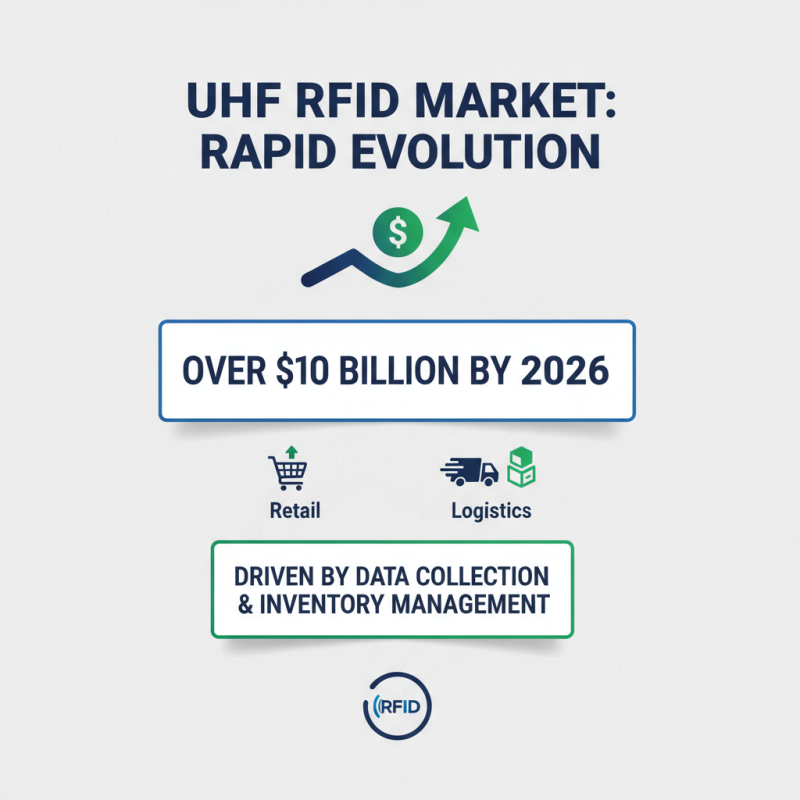
The UHF RFID sector is evolving rapidly. Recent reports suggest that the global market for RFID technology is set to grow significantly, reaching over $10 billion by 2026. This growth is driven by advancements in data collection and inventory management. Businesses in retail and logistics are increasingly adopting these technologies.
Innovations are emerging, especially in read ranges and integration capabilities. Next-gen UHF RFID handheld readers now offer improved sensitivity and speed. Some devices can read hundreds of tags in seconds. This capability streamlines operations and minimizes human error. However, challenges remain. Some readers struggle in environments with interference.
Another trend is the rise of IoT integration. UHF RFID readers are now being paired with sensors and cloud systems. This enhances data analytics and inventory accuracy. However, the implementation costs can be high. Many companies find it hard to justify such investments without clear ROI. As the technology matures, industry players will need to balance innovation with practical needs.
Enhancing Warehouse Efficiency with the Two-Channel Compact Fixed RFID Reader RFly-F210
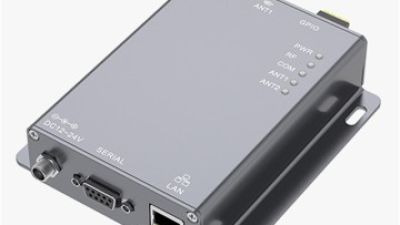
In the ever-evolving landscape of warehouse management, efficiency is a key driver of success. A significant factor contributing to enhanced operational performance is the integration of advanced RFID technology. The Two-Channel Compact Fixed RFID Reader, exemplified by models like the RFly-F210, presents an ideal solution for businesses seeking to optimize their inventory handling processes. With its compact design and robustness, it is perfectly suited to navigate the confines of a warehouse while delivering high performance.
Data shows that the RFID market is projected to surpass USD 30 billion by 2026, with a compound annual growth rate (CAGR) of over 23%. This surge underscores the increasing adoption of RFID systems in warehouses, where real-time tracking and management of goods remain paramount. The dual-channel functionality of units like the RFly-F210 allows for simultaneous reading of multiple tags, significantly reducing the time spent on inventory counts and improving overall throughput. Furthermore, the flexibility of OEM/ODM customization allows businesses to tailor the device to their unique operational needs, whether it’s adapting communication protocols or incorporating specialized functionalities.
As warehouse environments become more complex, the demand for scalable and adaptable solutions grows. The ability to modify products like the RFly-F210 ensures that organizations can implement cutting-edge technology that not only meets but anticipates their evolving operational requirements. Investing in such technology not only enhances efficiency but also positions businesses for future growth in an increasingly competitive marketplace.
FAQS
: The product aims to enhance everyday activities and make tasks easier for users.
Follow the instructions provided. Practice makes it easier to use over time.
Yes, always follow safety guidelines. Keep out of reach of children.
Everyone does at some point. Learning from errors is part of the process.
Check the setup and user manual. Don’t hesitate to seek help if needed.
Regular cleaning is essential. Use a damp cloth and mild detergent for maintenance.
Yes, a limited warranty is often provided. Check terms for full details.
Yes, customer support is available. Reach out for any assistance needed.
Explore return options. Reflect on your needs for better choices next time.
Research online. Look for community forums and reviews for insights.
Conclusion
UHF RFID handheld readers are powerful tools that leverage UHF RFID technology to facilitate efficient data collection and inventory management. These devices operate by emitting radio waves to communicate with RFID tags, allowing for quick reading and processing of information. When selecting a UHF RFID handheld reader, it's crucial to consider key features such as read range, speed, and durability, which can significantly impact performance in various environments.
In examining the landscape of UHF RFID handheld readers, users should be aware of the diverse price points and how they relate to performance metrics. Common applications span multiple industries, including retail, logistics, and healthcare, showcasing the versatility of this technology. As UHF RFID continues to evolve, staying informed about future trends and innovations will help organizations leverage these readers to enhance operational efficiency and accuracy.

 Rotary HF RFID Tag Reader GRH-I40 Suitable for Assembly Lines
 Industrial-grade High-frequency Integrated Reader GRH-I65 Suitable for Asset Tracking
 With ESD Protection HF RFID Reader GRH-I68 Suitable for Progress Tracking
 Proximity HF RFID Reader GRH-M30 Suitable for Manufacturing Workshops
 Desktop HF RFID Scanner GRH-D80-HID Suitable for Card-issuing Applications
 High Frequency Medium Distance Reader GRH-I90 Suitable for Logistics Production Line
 UHF RFID Portals and Tunnel Machine RFly-AM3000 for Access Control
 Narrow RFID Portals Series TD-P20040-SS for Single Tag Entry and Exit Identification Scenario
 RFID Transmission Line Simple Identification Tunnel Machine (TD-T3050)
 Vision and RFID Tunnel Machine TD-T7692-RV for Logistics Sorting
 RFID Transmission Line Identification Tunnel Machine TD-T10090
 RFID Mobile Inventory Tunnel Machine TD-T65150 for Conveyor Belts
 High-Performance Far-Field Antennas for Broad Coverage.
 Multi-Purpose Antennas: Flexibility for Diverse Applications
 Near-Field Antennas for Short-Distance Tag Detection.
 Portals & Tunnel Antennas for Integrated RFID Series
 Slimline PCB Antennas for Warehousing and Logistics
 Miniaturized and Thin Antennas can Provide Good Performance in a Smaller Size.
 GPS Tracker for Vehicles, Car, Kids, Assets.
 CO2 Sensors Detect CO2 Gas through Alarms, Suitable for Offices, Planting Tents.
 Door Sensor, Detect Open and Closed Doors or Windows, Sends Alerts, Triggers Siren.
 Wireless Level Sensor Equipped with a 5-Meter Detection Line, Suitable for Water Tanks
 Real Time Monitoring of Air Quality Using PM2.5/PM10 Sensors.
 Smoke Sensor, Fire Alarm Smoke Detector with Test Button and Low Battery Reminder.
 Soil Stress Sensor,Bridge and Tunnel Monitors.
 Vibration Sensor Monitors Equipment, Like Conveyors and Motors, for Operational Status.
 E -Paper Display
 Smart Water Sensor Alarms, 1.2 M Detection Line.
 CO Sensor for Basements Home Office House Bedroom Living Room Car, Light Plug and Play.
 Temperature and Humidity Sensor
 Multi-sensor GD-ME
 Temperature Sensors Monitor the Surface Temperature of Various Heating Equipment.-1
 Signal Enhancement Terminal, Long Range Coverage.
 Multi-Protocol Communication Gateway, App Remote Control.
 Edge Vision Gateway can Access Various Mainstream Cameras, Suitable for Office, Factory.
 GBS-3550 Outdoor Sensor Gateway,LoRa, 2/3/4G Communication.
 Smart WiFi Gateway, Realize Remote Control.
 Ultra-Low-Power Solar-Powered Intelligent Gateway (Outdoor)
 IP67-protected Integrated RFID Reader Writer RFly-I165 for Supply Chain
 Long-range Distance UHF RFID Reader RFly-I195 for Inventory Management
 Small UHF RFID Tag Reader RFly-I300 for Cars
 Two-channel Compact Fixed RFID Reader RFly-F210 for Warehousing
 Four Channels Fixed UHF RFID Reader RFly-R6 for Supply Chain
 8-channel UHF RFID Tag Reader RFly-R8 for File Cabinet Identification
 Bluetooth Portable RFID Reader and Writer GRU-HBT100 for Inventory Management
 Industrial Grade Handheld UHF RFID Reader GRU-HC520 Suitable for Logistics
 RFID Gateway Networking System
 RFID Passive Temperature Measurement System
 RFID Tags for Container Turnover Management
 RFID Tags for Equipment O&M Management
 RFID Tags for Manufacturing Management
 RFID Tags for Tool Management
 A Kits for Equipment Condition Detection
 A Kits for Office Computer Room Environment Monitoring
 A Kits for Reservoir Environmental Monitoring
 A Kits for Storage Space Environment Monitoring
 A Kits for Stress Detection of Underground Tunnel
 A Kits for Urban Environment Monitoring
 Intelligent IoT Monitoring Platform
 Integrating Multiple Functional OTG Demo Software
 HF Demo Software
 UHF Demo Software