Leave Your Message
0%

When it comes to managing supply chains these days, usingUhf Rfid Antennatechnology has really become a game-changer. I mean, industry pros like Dr. Emily Thompson from Rfid Solutions Inc. often say, "Getting the right UHF RFID Antenna can seriously boost your inventory management." That really highlights just how important it is to pick the right antenna for whatever your needs are.

If you're looking at which UHF RFID antennas will be the best bet in 2026, it's definitely something you want to keep on your radar. The market's changing all the time, and new designs are constantly pushing the boundaries when it comes to performance and reliability. But here’s the tricky part—figuring out which antennas actually fit different operational needs can be a real headache. Things like frequency range, gain, and polarization aren’t just technical mumbo jumbo—they really affect how well an antenna works.

Plus, as more players jump into the scene, it can feel overwhelming trying to sift through all the choices. You don’t want to just stick with the big, familiar brands, but at the same time, newer companies might still be testing their Waters. It’s a balancing act—trusting reliable names while staying open to innovative tech. The world of UHF RFID Antennas is pretty lively, full of opportunities but also some potential pitfalls. Staying current and well-informed is key if you want to make smart decisions and avoid regrets down the line.

2026 Best UHF RFID Antenna Types for Global Buyers?

2026 Global Market Overview for UHF RFID Antenna Types

The UHF RFID antenna market is evolving rapidly. Buyers around the world are searching for reliable types that meet their unique needs. Various factors influence their choices. Notably, frequency range and read distance are crucial in making decisions. Antenna designs vary from directional to omnidirectional options, impacting performance significantly.

Recent trends indicate a rise in applications across different sectors. Retail and logistics are key adopters. The need for high efficiency drives innovations in Antenna Rfid Uhf technologies. However, many buyers struggle to identify the best match for their specific use cases.

Market analysis shows that understanding local regulations is essential. Compliance may not be straightforward. Moreover, some antenna types perform better in certain environments than others. Buyers often report mixed experiences based on installation and usage contexts. This highlights the importance of thorough research before making a purchase. What works for one company might not suit another. Thus, it remains critical for global buyers to engage in careful evaluation of their options.

Key Factors Driving UHF RFID Antenna Innovation in 2026

The landscape of UHF RFID antennas is evolving rapidly. In 2026, buyers are driven by several key factors influencing innovation. One significant aspect is the increasing demand for efficiency. Companies are seeking antennas that can read tags faster and from greater distances. This creates a need for advancements in design and materials. Lightweight, durable materials are now essential to enhance performance.

Another crucial factor is the push for interoperability. It’s vital for Uhf Rfid Reader Antennas to work seamlessly with various devices across different sectors. This requires a deeper understanding of technology integration. Challenges remain in achieving universal standards. Antenna designers must reflect on existing products to identify gaps.

Additionally, environmental sustainability is becoming a priority. Antennas need to be energy-efficient and made from recyclable materials. This shift not only appeals to eco-conscious consumers but also meets regulatory expectations. Innovations must not compromise performance for sustainability. The balance between these factors will shape the future of UHF RFID technology.

Comparative Analysis of Passive vs. Active UHF RFID Antennas

When comparing passive and active UHF RFID antennas, several distinctions arise. Passive antennas do not require a power source. They rely on the energy from the RFID reader. This makes them cost-effective and suitable for many applications. However, their read range is limited, often reaching up to 30 feet. This can be a constraint in some environments.

Active antennas, on the other hand, are powered by batteries. They offer enhanced range, often exceeding 300 feet. This feature is beneficial in large warehouses or outdoor tracking. While they provide better performance, the initial investment and maintenance can be significant. Understanding the specific use case is crucial.

Both types possess unique advantages and drawbacks. Passive antennas are ideal for low-cost setups and smaller distances. Active antennas excel in expansive areas, but their complexity raises concerns. Not all users may fully grasp the operational differences. This disparity in understanding can impact implementation success. Balancing cost against performance is a continuous challenge.

2026 Best UHF RFID Antenna Types: Passive vs Active

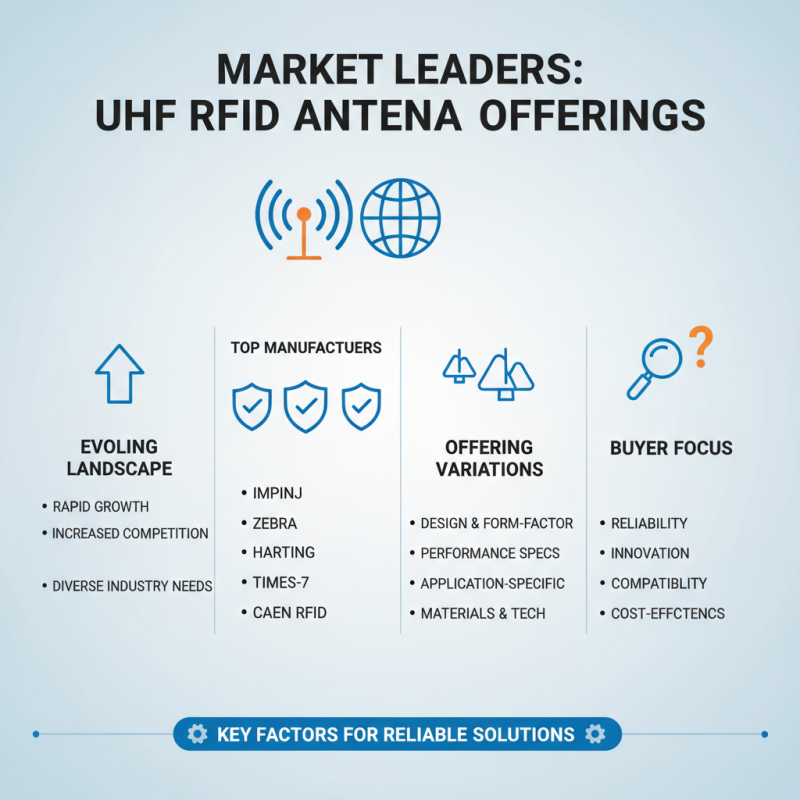
Market Leaders: Top Manufacturers and Their UHF RFID Antenna Offerings

2026 Best UHF RFID Antenna Types for Global Buyers?

The landscape of UHF RFID antennas is evolving rapidly. Numerous manufacturers are competing to meet diverse needs in various industries. Their offerings vary widely in design, performance, and application. Innovations in materials and technology drive improvements. This is important for buyers seeking a reliable solution.

When choosing a UHF RFID antenna, consider factors like frequency range and reading distance. Some antennas are optimized for specific environments, such as warehouses or retail spaces. Look for options that provide robust performance and durability. Testing in real-world conditions can reveal strengths and weaknesses.

Remember, not every application needs the most expensive or complex options. Assessing your specific needs is crucial before choosing a product. Understanding the environment can guide you. Ensuring compatibility with existing systems also matters. A thoughtful approach will illuminate the best antennas for your operations, avoiding costly mistakes.

Emerging Trends in UHF RFID Antenna Design and Technology

The landscape of UHF RFID antenna design is evolving rapidly. New materials are being incorporated to enhance performance. Lightweight composites and flexible substrates are becoming popular. These changes lead to better reading ranges and improved signal quality. Designers focus on reducing size while maintaining functionality. This trend encourages creativity and innovation in design.

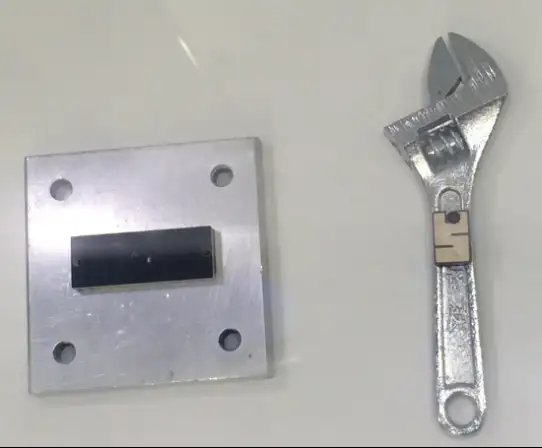
Collaboration with technologists is essential. Understanding how antennas interact with their environment is crucial. Experts are exploring various geometries to optimize performance. Antennas must adapt to diverse applications. For instance, logistics and inventory management require distinct design considerations. Importantly, China Uhf Rfid Antenna technology is making strides. The market demand drives innovation and production efficiencies.

Despite advancements, challenges remain. Interference from metal surfaces can hinder performance. Achieving global standards for interoperability is also difficult. Accurate testing methods are still being refined. Continuous learning and adaptation are critical in this field. Solutions must reflect real-world conditions where these antennas will operate. The future of UHF RFID antennas relies on both innovation and addressing these complex issues.

Performance Metrics: Read Range, Sensitivity, and Frequency Range

When exploring the best UHF RFID antenna types, performance metrics such as read range, sensitivity, and frequency range become crucial. Read range is often the primary focus. It can significantly impact operational efficiency. A longer read range allows for faster inventory management. However, not all antennas perform equally in this regard. Some may achieve impressive distances in optimal conditions but struggle in real-world applications.

Sensitivity is another vital metric. It refers to how well an antenna can detect weak signals. High sensitivity ensures reliable communication, even in challenging environments. A sensitive antenna can capture information from tags that are far away. Often, a balance between read range and sensitivity must be struck. Designing an OEM Uhf Rfid Antenna involves careful consideration of these factors.

Frequency range plays a role too. It defines the spectrum over which an antenna operates. Wider frequency ranges allow for greater adaptability. However, antennas that cover broader ranges can sometimes sacrifice performance in specific applications. Incompatibilities with tags can arise due to these variations. Making an informed choice requires understanding these trade-offs. Users often find themselves reflecting on how much they truly need versus the complexities involved.

Applications of UHF RFID Antennas Across Various Industries

UHF RFID antennas are pivotal in many industries today. Retail is a key sector leveraging this technology. According to a recent report by IDTechEx, RFID adoption in retail could save up to $18 billion annually through improved inventory management. Accurate item tracking reduces stockouts, enhancing customer satisfaction. UHF RFID antennas enable fast data transmission and reliable reads, making them ideal for inventory systems.

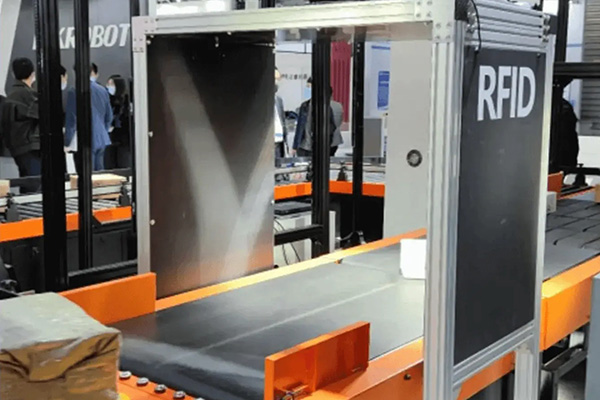
In logistics, UHF RFID antennas streamline operations significantly. These antennas play a vital role in tracking pallets and shipments. The Global Market Insights report predicts that the logistics sector will see continuous growth of around 17% annually in RFID adoption. Anti-collision technology allows multiple tags to be read simultaneously, allowing better throughput in busy distribution centers. Despite the advantages, challenges remain. Proper tag placement and environmental factors can affect performance.

Healthcare is another industry benefiting from UHF RFID antennas. Patient tracking and asset management are becoming more efficient. According to a study by GS1, hospitals that implemented RFID saw a 30% reduction in asset loss. However, implementation costs and staff training can be obstacles. Many institutions need time to adjust fully to new systems. Balancing technology benefits with operational realities is crucial in these sectors.

Harnessing Advanced Technology: The Benefits of the Small UHF RFID Tag Reader RFly-I300 for Automotive Applications

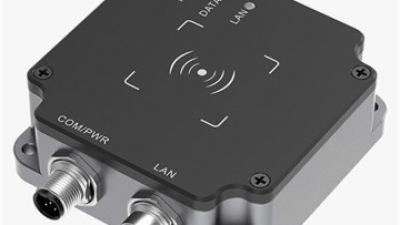
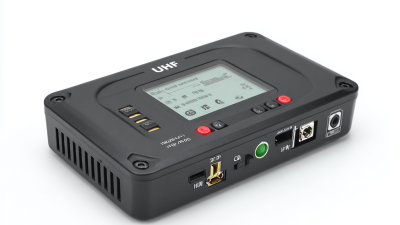
The RFly-I300 is a cutting-edge small UHF RFID tag reader, specifically designed to meet the unique demands of automotive applications. By utilizing advanced UHF technology, it ensures fast and accurate data capture, making it an ideal solution for asset tracking and inventory management in the automotive sector. The reader supports robust communication protocols such as RS485 Modbus (RTU) and TCP/IP, allowing seamless integration with existing systems and enhancing operational efficiency.

The adaptability of the RFly-I300 enables businesses to tailor the device for their specific needs. Its customizable designs facilitate the integration of RFID technology with various IoT devices, creating a cohesive ecosystem for monitoring and managing automotive assets. With OEM/ODM services, companies can leverage innovative solutions that not only streamline processes but also fortify security and asset visibility. Partnering with a provider of this technology opens doors to scalable and efficient hardware solutions that are crucial for thriving in today's digital landscape.

For the automotive industry, harnessing the potential of RFID technology through devices like the RFly-I300 translates to reduced operational costs, improved inventory accuracy, and enhanced overall productivity. As industries evolve, the integration of such advanced technology paves the way for more intelligent and responsive automotive operations.

FAQS

: What factors should I consider when choosing a UHF RFID antenna?

: Consider frequency range and reading distance. Assess your specific environment too.

Are all UHF RFID antennas equally effective in every situation?

No, antennas vary in design and performance. Some are optimized for specific settings like warehouses.

How can UHF RFID antennas benefit the retail industry?

They improve inventory management. This can save retailers up to $18 billion annually.

What challenges do UHF RFID antennas face in logistics?

Performance can be affected by tag placement and environmental factors.

Can UHF RFID antennas be used in healthcare?

Yes, they enhance patient tracking and asset management. They can reduce asset loss significantly.

What common obstacle do organizations face when implementing RFID?

The cost of implementation and staff training can hinder adoption. Adjusting to new systems takes time.

Do I need the most expensive UHF RFID antenna for my application?

Not necessarily. Assessing specific needs is crucial. The most complex options might not be the best fit.

How does real-world testing impact UHF RFID antenna performance?

Testing reveals strengths and weaknesses. It helps ensure antennas meet operational requirements effectively.

Conclusion

The 2026 global market for UHF RFID antennas is experiencing significant growth driven by advancements in technology and increasing applications across various industries. Key factors fueling innovation in UHF RFID antennas include enhanced performance metrics such as read range, sensitivity, and frequency range, which are critical for efficient data capture and transmission. A comparative analysis of passive and active UHF RFID antennas highlights their distinct advantages, catering to different operational needs.

Emerging design trends and technological advancements are also reshaping the landscape of UHF RFID antennas, making them more adaptable for diverse sectors. As leading manufacturers invest in research and development, the market is poised to offer a range of solutions that meet the evolving demands of global buyers, ensuring a robust future for UHF RFID technology.

Sophia

Sophia

Sophia is a dedicated marketing professional at Shenzhen Jinruiming Technology Co., Ltd., where her expertise contributes significantly to the company’s vision and success. With a deep understanding of the company’s innovative product line, she effectively communicates their features and advantages......
Previous Top 5 Reader Antenna Tips for 2026 Canton Fair Success?