The RFID industry is moving fast these days, and by 2026, we're definitely expecting some pretty cool new solutions to come out. Managing data efficiently has become more important than ever. Just recently, MarketsandMarkets released a report saying that the RFID market could hit around $30 billion by 2026—that's mainly because more and more companies are really leaning on RFID for stuff like tracking inventory and managing assets.
Experts like Dr. Emily Carter often highlight how key it is to have good Rfid Solutions in place. She’s been quoted saying, 'An efficient RFID writer can totally change how you handle your data.' As businesses aim to get their stuff more organized, technology likeIntegrated RFID Reader Writer is definitely catching on. But with all this talk of progress, it’s also important to think about what challenges might come with it.
One of the big issues people are talking about is scalability. Not every RFID writer available on the market can perform well across different industries or applications. So, companies really need to take their specific needs into account when choosing the right RFID equipment. As things keep evolving, understanding what makes an RFID writer suitable for your business is more crucial than ever.
Rfid Writer s play a crucial role in efficient data management. They enable businesses to write information directly onto RFID tags. This simplifies tracking items and enhances inventory accuracy. In a world where data is king, choosing the right RFID writer is essential. A well-chosen device can improve workflow and eliminate errors.
When selecting an RFID writer, consider your specific needs. Think about speed, compatibility, and ease of use. These factors greatly influence efficiency. Additionally, ensure your writer can handle the volume of work you expect. Not all RFID writers can meet high demands. Test the device before fully integrating it into your system.
Tip: Regular maintenance of your RFID writer is essential. Routine checks can prevent unexpected failures. Also, train your staff on proper usage. A well-informed team can maximize the device’s capabilities. Reflect on past experiences with data management tools. Learning from them can guide better choices.
When selecting an RFID writer, key features become essential for efficient data management. The speed of data writing is one fundamental aspect. According to industry reports, fast writers can significantly reduce operational delays. A variety of speeds, measured in tags per second, can be found on the market. Users must assess their needs based on expected volumes.
Tip: Look for a writer that offers customizable writing speeds. This adaptability can improve efficiency in different workflows.
Another crucial feature is compatibility with various RFID standards. A flexible Rfid Reader Writer allows seamless integration into existing systems. Reports indicate that businesses often struggle with interoperability. This can lead to data inconsistencies and operational hiccups. Choose a writer that supports multiple protocols to enhance functionality.
Tip: Ensure that regular updates for software and firmware are available. These updates can mitigate potential technical issues.
Moreover, consider the ease of use. Interface design affects productivity. Some writers have complex menus that can slow down training. Intuitive controls can improve user experience significantly, reducing onboarding time. Remember, user feedback emphasizes the importance of quickly usable devices.
Tip: Always inquire about user reviews. They can provide insight into practical usability and functionality.
The demand for RFID technology continues to rise. In 2026, manufacturers are focusing on producing efficient RFID writers. These devices are crucial for accurate data management. They allow users to quickly program and rewrite data on RFID tags. Choosing the right model is essential for various applications. Some models offer advanced features like faster data transfer rates. These enhancements can significantly improve overall productivity.
Various manufacturers are stepping up their game. They are introducing lighter, more portable RFID writers. These changes help in field operations, where mobility is key. User-friendly interfaces are also becoming more common. This makes it easier for employees to operate the devices. However, not all models come with the desired durability. Some writers may face challenges in harsh environments. Users must evaluate their specific needs before purchasing an RFID writer.
In 2026, the landscape of RFID technology is rapidly evolving. Innovation is vital, but reliability is equally important. Many options exist, yet not every writer will meet every requirement. Finding the right balance between features and price can be challenging. Additionally, the integration of Rfid Reader And Writer systems needs thorough consideration. This ensures seamless data management across different sectors.
When evaluating RFID writers, performance is crucial. These devices encode and modify data on RFID tags. Efficiency affects your workflow and inventory management. Choosing a model with a reliable writing speed can save time. Additionally, power consumption impacts operating costs. Many models vary significantly in this respect.
Data accuracy is another essential factor. Writers that provide consistent results help avoid costly mistakes. Some devices may struggle with certain tag types. It's vital to test compatibility before making a purchase. Also, user interfaces can differ. A more intuitive system may reduce training time for staff.
Another aspect worth considering is support and updates. Manufacturers who offer regular firmware updates show commitment to improving performance. However, some devices may lack ongoing support. This could present future challenges, especially if issues arise. Reflecting on these factors can guide your decision-making effectively.
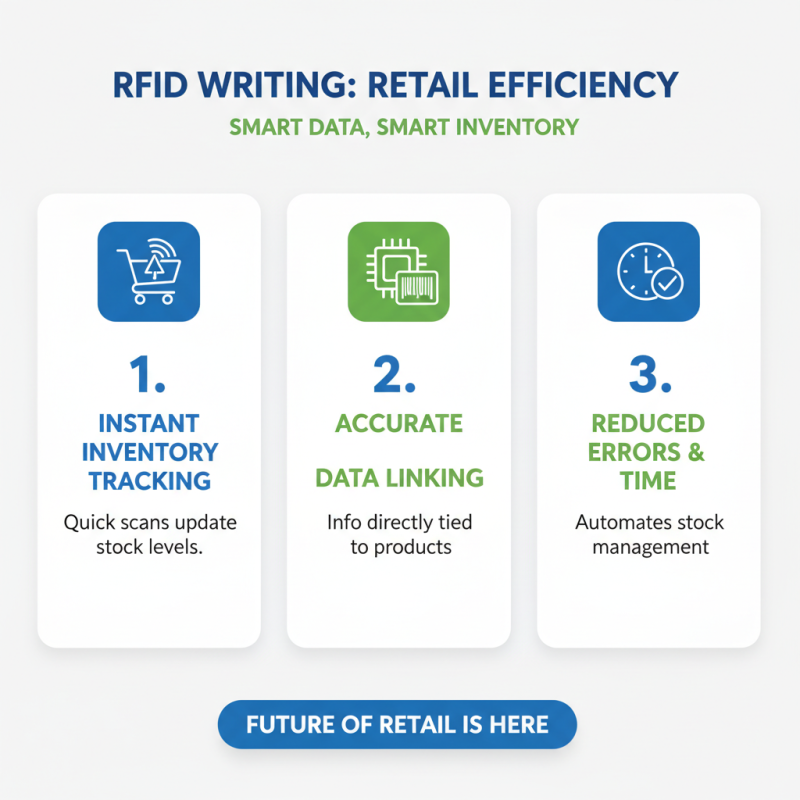
RFID writers are becoming essential tools in various industries. They allow for efficient data management by writing information directly to RFID tags. Retailers use these devices to track inventory. This streamlines stock management and reduces human error. Imagine a busy store where a quick scan reveals stock levels instantly. It saves time and effort.
In logistics, RFID writers can help improve supply chain transparency. Packages can be tagged with crucial information. This includes destination and contents. A simple write can reduce misplacements. However, some companies still struggle with implementing this technology effectively. Training staff is often overlooked, leading to wasted resources.
Healthcare is another sector where RFID writers show promise. Hospitals utilize them to track equipment and medications. This can enhance patient safety and ensure proper inventory management. But, challenges remain. Some workers may resist adopting new systems. Continuous training and support are vital for success.
The rise of RFID technology has significantly transformed data management solutions. Businesses are increasingly relying on RFID tag readers and writers for efficient inventory tracking. Companies can automate processes and reduce human error. However, some businesses struggle with integration. The cost and complexity can be daunting for smaller operations.
Future trends suggest that RFID technology will evolve rapidly. We will see improvements in data processing speeds and storage capacity. With advancements, real-time data analytics will become more accessible. It raises questions about security and data privacy. These are vital issues that companies need to address. RFID systems must ensure robust encryption to protect sensitive information.
Additionally, user experience with RFID systems needs attention. While hardware is improving, the software can lag behind. Companies should seek solutions that prioritize usability. If users find the systems difficult, they may resist adoption. Understanding workforce needs is crucial for success. Balancing technology with user-friendly designs will define the future of RFID implementations.
Maintaining RFID writing equipment is crucial for optimal performance. Regularly inspect the writer for debris or damage. Even small issues can lead to data errors. Clean the equipment after each use to prevent buildup. Dust and grime can impair functionality and reduce efficiency.
Optimize your settings for your specific tasks. Adjust power levels based on the range and type of tags you are working with. Sometimes, it’s easy to overlook simple adjustments. This could lead to an inefficient workflow. Feedback from your team can help identify recurring problems. Listening to their experiences can reveal hidden inefficiencies.
Lastly, consider the environment where your equipment operates. Humidity and temperature can affect performance. Store devices in a controlled space. Ignoring environmental factors might lead to unexpected failures. It’s important to be proactive, not just reactive, with maintenance.
| Model | Writing Speed (tags/sec) | Distance Range (meters) | Supported Protocols | Price ($) | Weight (kg) |
|---|---|---|---|---|---|
| Model A | 200 | 10 | ISO 18000-6C | 1500 | 1.2 |
| Model B | 180 | 8 | ISO 18000-6B | 1200 | 1.0 |
| Model C | 220 | 12 | EPC Gen2 | 1800 | 1.5 |
| Model D | 150 | 9 | ISO 18000-6C, EPC Gen2 | 1000 | 1.1 |
: The articles focus on the importance of sustainability and eco-friendly practices in daily life.
Individuals can use reusable bags, reduce water waste, and choose local products. Small changes matter.
Plastic pollution harms wildlife and ecosystems. Reducing plastic helps protect our environment and health.
Many believe all plastics are recyclable. In reality, only specific types can be processed effectively.
Begin with simple steps like composting and using energy-efficient appliances. It can evolve gradually.
Communities can organize clean-up events and share resources. Collective efforts create a larger impact.
Climate change leads to extreme weather, impacting agriculture and water supply. It poses serious challenges.
Switching to eco-friendly products may be costlier initially. It also requires time and effort to adapt.
Some may find it inconvenient or expensive. Changing habits takes time and commitment, which can be hard.
Families can involve kids in gardening and recycling. Teaching can be fun and engaging for them.
In the rapidly evolving landscape of data management, RFID writers have emerged as crucial tools for efficient information handling. This article explores the significance of RFID writers, highlighting their key features such as read/write speed, compatibility, and user interface. It further identifies top manufacturers and models available in 2026, providing a comparative analysis of their performance and efficiency.
Additionally, the article delves into the diverse applications of RFID writers across various industries, showcasing their adaptability. As technology advances, future trends in RFID solutions promise enhanced capabilities for data management. To ensure optimal performance, the article also offers valuable tips for maintaining and optimizing RFID writing equipment, emphasizing the importance of selecting the right RFID writer to meet specific operational needs.