Leave Your Message
0%

As demand for RFID tech keeps growing, picking the right Reader Antenna becomes more and more important. I came across a recent report from MarketsandMarkets that estimates the RFID market will hit around $40 billion by 2026—that’s pretty huge! It really shows just how critical antennas are in this whole setup. Big players like Zebra Technologies and Impinj highlight just how many types of RFID reader antennas are out there, each one designed to suit different industrial needs.

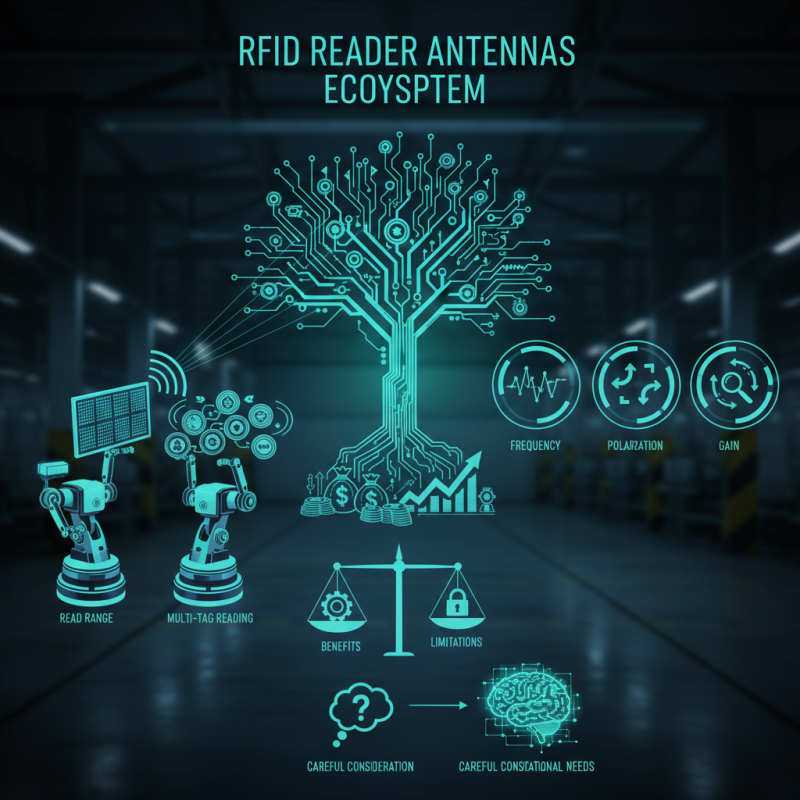
The truth is, the performance of your reader antenna can seriously make or break your entire system. Some antennas are better at long-range reading, while others are great for handling multiple tags at once. But here’s the thing—choosing the right one isn’t just about specs; you really need to understand your specific environment and what you're trying to do. A lot of folks overlook important details like frequency, polarization, and gain, which can lead to less-than-stellar results.

At the end of the day, picking the perfect antenna is all about balancing the pros and cons and thinking carefully about what your operation truly needs. It’s not always straightforward, but taking the time to consider these factors makes all the difference. The whole process can be a bit tricky, so don’t rush—do your homework and choose wisely.

What is the Best Reader Antenna for Global Buyers?

Understanding Reader Antennas: A Global Perspective

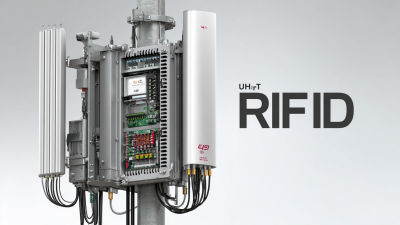
Understanding reader antennas in the global marketplace is crucial for businesses utilizing RFID technology. Rfid Reader Antennas are vital components that enhance communication between readers and tags. A well-optimized RFID reader antenna can significantly improve read rates and overall system performance. According to a recent industry report, up to 70% of RFID system failures are attributed to inadequate antenna selection and placement.

In diverse environmental conditions, reader antennas must adapt to various challenges. For instance, interference from metal objects can affect signal quality. A report by the International RFID Research Group indicates that proper positioning of RFID reader antennas can increase read accuracy by as much as 50%. This highlights the need for professionals to consider the physical surroundings when deploying their systems.

While some users may rely solely on general specifications, real-world applications often present unexpected issues. Not all antennas perform equally in every scenario, leading to trial and error. Businesses should continually assess their RFID reader antennas for effectiveness and be ready to make adjustments. It's essential to remember that the best solution may not always be the most expensive one; sometimes, versatility and adaptability are key.

Key Features to Consider When Choosing a Reader Antenna

What is the Best Reader Antenna for Global Buyers?

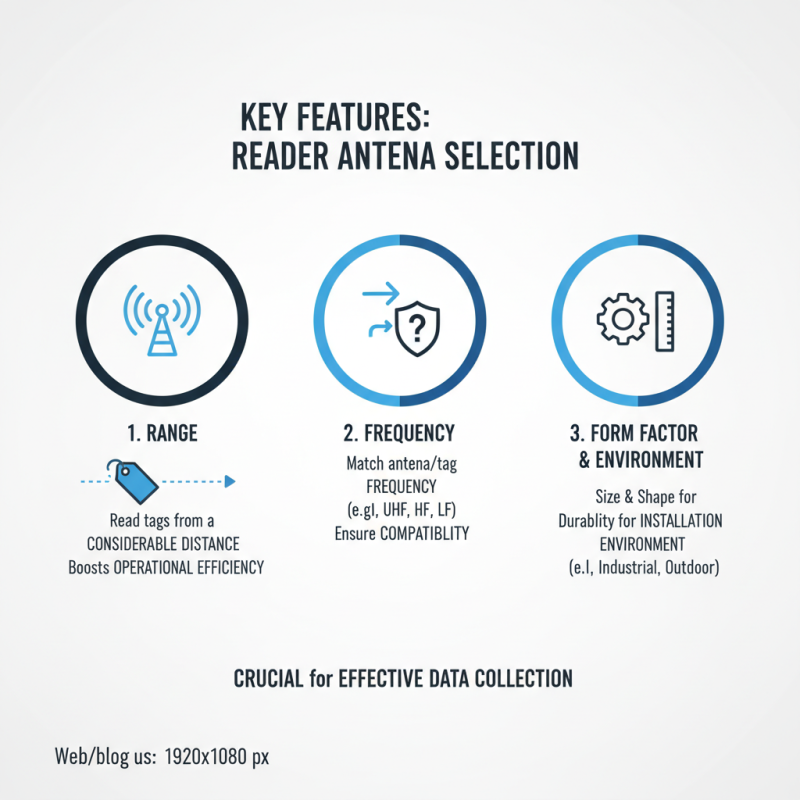
Choosing the right reader antenna is crucial for effective data collection. There are several key features to consider when making this decision. First, range plays a significant role. A good antenna should have the capacity to read tags from a considerable distance. This can greatly influence operational efficiency, especially in large spaces.

Another important aspect is frequency compatibility. Different applications may require specific frequencies. Ensure the antenna you choose matches the frequency of your RFID system. Additionally, consider the antenna's design. A compact and lightweight design can enhance portability. However, a robust and durable construction is necessary for long-term use.

You might also reflect on installation ease. An antenna that is difficult to install can cause unnecessary delays. It’s essential to think about how it integrates with existing systems. Sometimes, a perfect match might not exist. Balancing all these features can be challenging but is vital for maximizing your investment.

Types of Reader Antennas Suitable for Global Buyers

When considering the Best Reader Antenna for global buyers, it’s important to understand the types available. A variety of factors determine which antenna suits your needs. Generally, there are three main types: circular polarized antennas, linear polarized antennas, and dual polarized antennas. Each type offers unique benefits depending on the application and environment.

Circular polarized antennas are ideal for dynamic environments. They can read tags regardless of orientation. According to industry reports, up to 70% of global projects use circular polarization due to its versatility. On the other hand, linear polarized antennas work best in specific alignments. They are often preferred in stable setups where tag orientation is fixed. Dual polarized antennas combine the strengths of both, though they may come at a higher cost.

Tips: When choosing, consider your read range and environment. Testing different antennas can provide valuable data.

Remember, the right choice significantly impacts your efficiency in system performance. Adjustments may be necessary as project requirements evolve. Rfid Reader And Antenna integration plays a critical role in achieving effective outcomes. Be prepared to iterate on your choices based on real-world feedback to optimize performance.

Performance Metrics: How to Evaluate Reader Antennas

What is the Best Reader Antenna for Global Buyers?

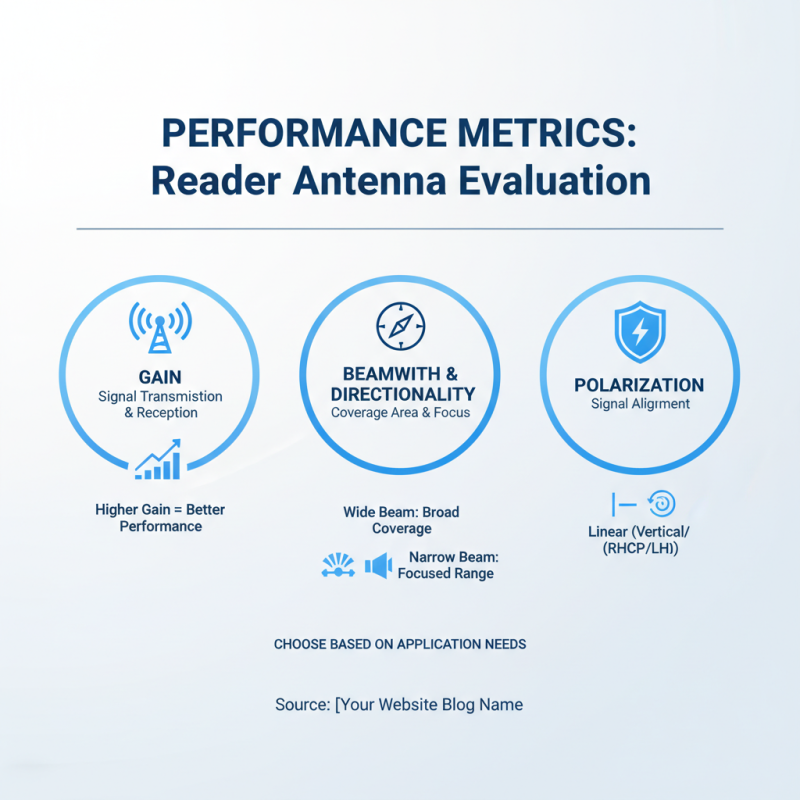
When choosing a reader antenna, performance metrics are crucial. Start by examining the antenna's gain. Gain indicates how well the antenna can transmit and receive signals. Higher gain often means better performance. Look for antennas with a gain measurement that suits your specific needs.

Next, consider the read range. The distance at which the antenna can effectively read tags varies widely. Some antennas work well at short distances, while others excel at longer ranges. Discuss your requirements with experts in the field. Their insights can guide your selection process.

Another important aspect is the frequency. Different applications use varying frequencies, impacting both performance and compatibility. Ensure the antenna you choose matches the frequency of your system. Don’t disregard environmental factors, as they can influence performance. Indoor and outdoor settings pose distinct challenges. Testing antennas in real-world conditions can reveal unexpected limitations.

Top Brands in the Reader Antenna Market

The reader antenna market has seen significant growth in recent years. According to industry reports, the global market is projected to reach over $2 billion by 2025. This surge highlights the increasing demand for RFID technology across various sectors. Retail, logistics, and healthcare are leading the charge in adopting RFID antennas.

Key players in the market focus on enhancing performance and reliability. They invest heavily in research and development. This investment aims to improve signal strength and reading accuracy. However, challenges persist. Many users report issues with range and environmental interference, which can impact the reliability of Rfid Antenna And Reader integration.

User feedback is crucial in this evolving landscape. Some customers express frustration with setup complexities. Others found that not all brands meet their specific needs. This indicates that while options are plentiful, finding the right solution requires careful evaluation and understanding of unique requirements. The choice of RFID antenna and reader should align with the intended application to maximize efficiency and effectiveness.

User Reviews and Feedback: What Buyers Are Saying

User reviews and feedback provide valuable insights for buyers seeking the best Antenna Reader. Many users emphasize the importance of design and compatibility. A well-constructed antenna is crucial for optimizing reception. Users often note that good materials enhance durability, especially for outdoor use. Some customers point out issues with specific models that don’t meet advertised performance levels, highlighting the need for thorough research.

Buyers frequently express a desire for clearer instructions. Many find themselves frustrated with complex setups. Practical advice from other users can be helpful here. Reviews indicate that some models perform better in urban areas, while others excel in rural environments. This variance stresses the importance of location awareness. A few users have also mentioned limited customer support from manufacturers, which can be a major drawback when encountering problems.

Overall, gathering feedback from various sources is essential. The experience shared by other buyers can guide potential purchasers. Each Antenna Reader may have its strengths and weaknesses, reflecting individual preferences and specific needs. Balancing features with budget is a common theme in discussions, as buyers weigh what is most important to them.

Cost Considerations: Budgeting for a Quality Reader Antenna

When considering the purchase of a reader antenna, cost is a pivotal aspect for global buyers. The market shows a wide spectrum of prices. Reports indicate that high-quality antennas typically range from $200 to $1,200. It’s crucial to evaluate your budget against your specific needs. A low-cost model may save money initially, but could lack the performance and reliability expected for long-term use.

Analyzing cost-effectiveness involves understanding antenna features. Reports suggest that better gain often correlates with higher prices. For instance, antennas with gain levels of 8 dBi are preferable for urban environments. They provide stronger signal clarity. In contrast, lower gain antennas may struggle in dense areas. Investing in quality can prevent future expenses related to replacements or repairs.

Finally, consider support and warranties. Quality antennas often come with solid customer service options. These can be invaluable in troubleshooting. Data shows that consumers who invest in reputable brands often enjoy a more satisfactory usage experience. A buyer's perceived value should encompass not only the price but also the expected longevity and performance. This holistic view can lead to a more informed purchase decision.

Enhancing Supply Chain Efficiency: Leveraging IP67-Protected Integrated RFID Reader Writer RFly-I165 for Robust Data Management

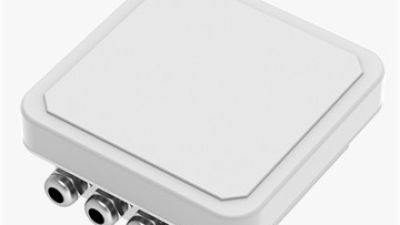
In today's fast-paced industrial landscape, enhancing supply chain efficiency is paramount. A pivotal element in achieving this is the use of advanced technology such as integrated RFID systems. The RFly-I165, a compact UHF integrated RFID reader, stands out with its high-performance circular polarized antenna, specifically designed to facilitate efficient and reliable data capture across various applications. Whether it’s asset tracking or inventory management, this device can seamlessly integrate into existing systems, providing businesses with the ability to monitor and manage their resources effectively.

The robustness of the RFly-I165 lies not only in its compact design but also in its IP67 protection, ensuring that it operates optimally even in challenging environments. This feature is crucial for industries where exposure to dust and moisture could compromise data integrity and overall performance. By leveraging such advanced RFID technology, organizations can significantly enhance their data management capabilities, ultimately leading to improved operational workflows and increased productivity. The RFly-I165 presents itself as an ideal solution for enterprises looking for customized, high-quality, and cost-effective products that meet their specific needs, ensuring that inquiries and orders are met with swift and detailed responses.

FAQS

: What should I consider when choosing a reader antenna?

: Range, frequency compatibility, design, portability, and installation ease are key factors.

Why is range important for a reader antenna?

A good range allows effective tag reading from longer distances, improving operational efficiency.

How do I determine the right frequency for my antenna?

Ensure the antenna matches the frequency required by your specific RFID application.

What design aspects should I look for in a reader antenna?

Look for a compact and lightweight design that also offers durability for long-term use.

How important is installation ease for antennas?

Easy installation minimizes delays and ensures better integration with existing systems.

What performance metrics should I evaluate?

Examine gain, read range, frequency compatibility, and consider environmental factors.

What is gain in relation to reader antennas?

Gain measures how well an antenna transmits and receives signals; higher gain generally indicates better performance.

Can environmental factors affect antenna performance?

Yes, indoor and outdoor settings present different challenges that can impact how well an antenna operates.

How can I test the effectiveness of an antenna?

Testing antennas in real-world conditions can help identify unexpected limitations and performance issues.

What should I do if I can't find the perfect antenna?

Balancing features may be necessary, even if no perfect match exists for your requirements.

Conclusion

When considering a Reader Antenna for global use, it's essential to understand the various features and types available. Key factors include frequency range, gain, and polarization, which can significantly influence performance in different environments. A thorough evaluation of performance metrics, such as read range and accuracy, will help buyers make informed decisions. Additionally, user reviews serve as valuable feedback, providing insights into real-world applications and satisfaction levels.

Cost considerations are also crucial, as budgeting for a quality Reader Antenna can vary widely based on features and capabilities. By weighing these factors, from technical specifications to user experiences, global buyers can choose the best Reader Antenna that meets their specific needs and expectations, ensuring optimal performance and value.

Sophia

Sophia

Sophia is a dedicated marketing professional at Shenzhen Jinruiming Technology Co., Ltd., where her expertise contributes significantly to the company’s vision and success. With a deep understanding of the company’s innovative product line, she effectively communicates their features and advantages......
Previous Top 10 USB RFID Readers for Global Buyers in 2026?