In today's fast-changing world of supply chain management, the 'Rfid Reader Long Range' tech really stands out for how much it can transform things. Experts like Dr. Emily Chen from GlobalRfid Solutions often say that having a dependable long-range RFID reader can really boost efficiency and help keep track of assets more accurately. These kinds of insights just show how more and more companies are on the hunt for smarter, more advanced solutions.
When global buyers start looking for the best long-range RFID readers, it’s super important to understand what features really matter. For many businesses, switching over to a Long-range Distance UHF RFID Reader can mean big improvements. They help keep inventory under control and cut down on mistakes made by humans. But, honestly, getting these systems to fit smoothly into existing setups isn’t always a walk in the park.
A lot of buyers run into struggles when trying to pick the right model. Not every option out there is up to snuff — some don’t perform reliably or meet quality standards. That’s why doing your homework and reading expert reviews is so crucial. Taking the time to really understand the ins and outs of 'Rfid Reader Long Range' can help you make smarter choices and get better results for your business.

Understanding RFID Technology: An Introduction to Long-Range Readers
Understanding RFID technology can be complex. At its core, RFID, or Radio Frequency Identification, uses electromagnetic fields to identify and track tags attached to objects. Long-range RFID readers play a crucial role in enhancing this technology. They can read RFID Tags from greater distances, improving inventory management and supply chain operations. These readers utilize high-frequency signals, unveiling potential benefits for various industries.
However, using Long Range Rfid Readers also poses challenges. Environmental factors, like interference or physical barriers, may affect their performance. Not all tags are optimized for long-range reading, leading to inconsistencies. Users must ensure compatibility between readers and tags. This is a critical step in deploying an effective system.
Many buyers often overlook the importance of security when implementing RFID technology. Strong security measures should accompany long-range systems. Without proper safeguards, data might be vulnerable to unauthorized access. Buyers need to critically assess their needs and the potential risks involved. This reflection is essential for a successful RFID strategy.
Key Factors to Consider When Choosing an RFID Reader
When choosing an RFID reader, several key factors warrant careful consideration. Range is one of the most important attributes. A long-range RFID reader can capture data from greater distances, increasing efficiency in tracking. However, this feature may also lead to interference, making it crucial to evaluate the operational environment. Physical obstructions or electronic noise can affect functionality.
Another critical aspect is compatibility. An RFID reader should support various tag types and standards. This ensures seamless integration into existing systems. Flexibility in adapting to new technology is vital for long-term investment. Additionally, the device’s battery life and durability are essential. A reliable reader should endure harsh conditions while maintaining performance.
Cost often influences decisions, but it should not overshadow quality. Investing in a more advanced reader may lead to better efficiency and productivity. Users should also consider the technical support offered. Comprehensive documentation and responsive customer service can mitigate future challenges. Reflecting on these factors helps in making an informed choice.
Top Features of Long-Range RFID Readers for Global Buyers
Long-range RFID readers are increasingly vital for businesses aiming to streamline operations and enhance efficiency. These devices can read tags from a distance of over 30 feet, making them ideal for inventory management and asset tracking. According to recent industry reports, the global RFID market is projected to reach $40 billion by 2025, with long-range readers playing a key role in this growth.
When selecting an RFID reader, consider its frequency range. HF (High Frequency) readers function well in short-range applications, while UHF (Ultra High Frequency) readers offer longer distances. The ability to handle multiple tags simultaneously is also crucial. This feature can dramatically cut down the time needed for scanning inventories. Notably, the best long-range RFID readers incorporate advanced filtering technology, which minimizes interference in crowded environments.
Analyze the specific needs of your business before making a choice. Long-range readers might introduce complexity due to their extensive capabilities. Test compatibility with existing systems to avoid integration pitfalls. Don't overlook the power source; devices powered by rechargeable batteries can offer mobility but may have limited uptime.
Evaluate the surrounding environment. Factors like physical obstructions can impact performance and range. Invest in knowledge about these items to navigate the purchasing process with confidence. Make informed decisions by researching peer reviews and expert analyses. Each detail helps in ensuring the right fit for your operations.
Best Rfid Reader Long Range for Global Buyers? - Top Features of Long-Range RFID Readers for Global Buyers
| Model | Frequency Range | Reading Distance | Antenna Type | Support Protocols | Power Supply | Weight |
| Model A | 860-960 MHz | 10 meters | Directional | ISO 18000-6C, EPC Gen 2 | Battery Operated | 300 grams |
| Model B | 915 MHz | 8 meters | Omnidirectional | EPC Gen 2 | USB Powered | 250 grams |
| Model C | 920-925 MHz | 12 meters | Sector | ISO 18000-6B | Rechargeable Battery | 280 grams |
Comparison of Popular Long-Range RFID Readers on the Market
When exploring long-range RFID readers, several key factors determine their effectiveness. These devices are designed to read tags from a distance, making them ideal for large-scale applications like inventory management or asset tracking. A critical component is their range, which can vary significantly among different models. Some readers can cover up to 12 meters, while others may be restricted to just a few meters.
Another essential aspect to consider is the antenna design. Different antennas can impact the sensitivity and performance of the reader. For instance, a circular polarized antenna may provide better performance in certain environments. Additionally, the ability to read multiple tags simultaneously enhances efficiency, especially in high-density scenarios.
It is also vital to evaluate compatibility with various RFID tag types. Some readers handle passive tags best, while others work with active tags. Potential buyers should reflect on their specific needs and how these factors align with their operational goals. Long-range readers often come with specific installation requirements, which may involve more technical expertise than anticipated. Choosing the right device is not merely about specifications; it requires a thorough understanding of the operational environment and challenges.
Applications of Long-Range RFID Readers in Various Industries
Long-range RFID readers are transforming various industries by enhancing operational efficiency. These devices can read tags from significant distances, making them invaluable in logistics and supply chain management. For instance, they help track shipments in real time, reducing delays and improving inventory accuracy. Companies can streamline operations using advanced RFID technology, ensuring all products are accounted for without manual scanning.
In the healthcare sector, long-range RFID readers play a crucial role in asset tracking and patient management. Hospitals can monitor equipment usage and ensure crucial supplies are readily available. Moreover, they help prevent human errors by providing accurate data regarding patient medications and equipment locations. This technology not only saves time but also enhances patient safety.
While the advantages are clear, there are challenges. The implementation of long-range RFID systems can be complex and require significant investment. Additionally, interference from metals or liquids can disrupt signals, leading to inaccuracies. Understanding these limitations is crucial for organizations considering this technology. Overall, long-range RFID readers have the potential to revolutionize practices across different sectors, despite the hurdles they may present.
Future Trends in RFID Technology and Long-Range Solutions
The landscape of RFID technology is rapidly evolving. Long-range RFID solutions are becoming more accessible and sophisticated. These advancements promise greater efficiency and reliability in various industries. Users can expect improved read ranges, allowing for faster inventory management and tracking capabilities. Developing countries are particularly benefiting, as long-range RFID can streamline operations without substantial infrastructure investments.
However, challenges remain. Not all environments are ideal for long-range operations. Interference from metal surfaces or electronic devices can hamper performance. Moreover, data privacy issues continue to surface. Companies must handle information responsibly and ensure they comply with regulations. This creates a need for better security protocols.
Future trends indicate a shift towards more compact and Portable Rfid Reader Long Range solutions. These devices can be integrated into smartphones and handheld equipment. This represents a significant leap for small businesses and logistics operations. As RFID technology becomes more ubiquitous, it is crucial to maintain a balance between innovation and ethical practices. Users must remain vigilant in addressing potential drawbacks while leveraging technology for growth.
Tips for Optimal Performance and Installation of RFID Readers
When considering the installation of an RFID reader for optimal performance, environmental factors play a vital role. The placement of the Rfid Long Range Reader can affect signal range and accuracy. Ideally, readers should be mounted high and in open areas to minimize interference. Obstructions like walls and metallic surfaces can disrupt the signal, leading to decreased efficiency. A recent industry report from the RFID Journal indicates that improper placement can reduce read accuracy by up to 30%.
Another crucial aspect is the configuration of the Rfid Long Range Reader. Incorrect settings can lead to inadequate performance. Ensure that the reader is configured for the specific application and frequency. A fascinating study published in the International Journal of RFID and Wireless Sensor Networks found that tuning readers to local environmental conditions improved read reliability significantly. Variables like tag orientation and distance can significantly impact performance, thus requiring periodic evaluations to maintain optimal efficiency.
Regular maintenance is essential. Dust and debris can accumulate on the reader, affecting its lifespan and functionality. Hence, routine checks should be a standard procedure. Real-world case studies show that organizations adopting preventive measures saw a performance boost of around 20%. While best practices can guide installations, continuous monitoring and adjustments are crucial for achieving long-lasting results in RFID technology.
Best RFID Reader Long Range Performance Analysis
This chart illustrates the average read range (in meters) of various RFID reader types commonly used in global markets, providing insights into their performance. The data represents the typical read distances achieved under optimal conditions.
Advancements in Portals & Tunnel Antennas for Integrated RFID Systems: Insights from Recent Market Analysis and Industry Trends
Recent advancements in portals and tunnel antennas have significantly enhanced the performance of integrated RFID systems, as evidenced by various market analyses highlighting industry trends. These technologies are on the forefront of supply chain efficiency, allowing for seamless tracking of goods and streamlining logistics. Antennas designed for large-scale RFID integrated equipment exhibit remarkable features, including long-range recognition capabilities and the absence of scanning blind spots. As reported in the latest industry studies, such antennas can identify electronic tags from multiple angles, ensuring that assets are tracked efficiently regardless of their position.
Market data indicates a growing demand for customized RFID solutions, particularly in sectors like retail and manufacturing where inventory management plays a crucial role. The ability to swiftly recognize tags from various directions can drastically reduce the time it takes to conduct inventory checks and manage stock levels. Organizations optimizing their operations are increasingly investing in high-quality, cost-effective RFID antennas. By focusing on tailored solutions that meet specific operational needs, companies can enhance overall productivity and reduce operational costs.
In light of these advancements, businesses are encouraged to explore these emerging technologies. Companies seeking to elevate their RFID solutions can inquire about detailed product offerings and specifications tailored to their unique requirements. With promising insights from recent market analyses, the investment in advanced portal and tunnel antenna systems proves to be a strategic decision for enterprises aiming for operational excellence in an increasingly competitive landscape.
FAQS
: Evaluate range, compatibility, battery life, and durability. Each impacts performance and integration.
A long-range reader captures data from far, enhancing tracking. Be aware of potential interference.
The reader must support various tag types. This ensures it integrates well with existing systems.
Cost matters, but do not sacrifice quality for savings. Better readers often lead to improved efficiency.
Place readers high and avoid obstructions. This reduces interference and boosts read accuracy.
Routine checks are vital. Dust can affect functionality and shorten the device's lifespan.
Conditions like walls and metal can disrupt signals. Adjust your setup to local environments.
Choose a reader that handles multiple tags and minimizes interference. These are essential for productivity.
Confirm settings match application and frequency requirements. Periodic evaluations help maintain optimal performance.
Conclusion
This article provides a comprehensive overview of RFID reader long range technology, highlighting its significance in various industries. Understanding the fundamentals of RFID technology is essential for global buyers looking to select the right long-range reader. Key factors to consider include reading range, compatibility, and power requirements, which directly impact the performance of these devices.
Moreover, the article explores the top features of long-range RFID readers, such as multi-tag reading and durability, catering to different applications from inventory management to supply chain logistics. It also compares popular long-range RFID readers available on the market, alongside future trends in RFID technology, which promise innovations in performance and reliability. Lastly, tips for optimal performance and installation offer valuable insights for buyers to maximize their investment in RFID reader long range solutions.

 Rotary HF RFID Tag Reader GRH-I40 Suitable for Assembly Lines
 Industrial-grade High-frequency Integrated Reader GRH-I65 Suitable for Asset Tracking
 With ESD Protection HF RFID Reader GRH-I68 Suitable for Progress Tracking
 Proximity HF RFID Reader GRH-M30 Suitable for Manufacturing Workshops
 Desktop HF RFID Scanner GRH-D80-HID Suitable for Card-issuing Applications
 High Frequency Medium Distance Reader GRH-I90 Suitable for Logistics Production Line
 UHF RFID Portals and Tunnel Machine RFly-AM3000 for Access Control
 Narrow RFID Portals Series TD-P20040-SS for Single Tag Entry and Exit Identification Scenario
 RFID Transmission Line Simple Identification Tunnel Machine (TD-T3050)
 Vision and RFID Tunnel Machine TD-T7692-RV for Logistics Sorting
 RFID Transmission Line Identification Tunnel Machine TD-T10090
 RFID Mobile Inventory Tunnel Machine TD-T65150 for Conveyor Belts
 High-Performance Far-Field Antennas for Broad Coverage.
 Multi-Purpose Antennas: Flexibility for Diverse Applications
 Near-Field Antennas for Short-Distance Tag Detection.
 Portals & Tunnel Antennas for Integrated RFID Series
 Slimline PCB Antennas for Warehousing and Logistics
 Miniaturized and Thin Antennas can Provide Good Performance in a Smaller Size.
 GPS Tracker for Vehicles, Car, Kids, Assets.
 CO2 Sensors Detect CO2 Gas through Alarms, Suitable for Offices, Planting Tents.
 Door Sensor, Detect Open and Closed Doors or Windows, Sends Alerts, Triggers Siren.
 Wireless Level Sensor Equipped with a 5-Meter Detection Line, Suitable for Water Tanks
 Real Time Monitoring of Air Quality Using PM2.5/PM10 Sensors.
 Smoke Sensor, Fire Alarm Smoke Detector with Test Button and Low Battery Reminder.
 Soil Stress Sensor,Bridge and Tunnel Monitors.
 Vibration Sensor Monitors Equipment, Like Conveyors and Motors, for Operational Status.
 E -Paper Display
 Smart Water Sensor Alarms, 1.2 M Detection Line.
 CO Sensor for Basements Home Office House Bedroom Living Room Car, Light Plug and Play.
 Temperature and Humidity Sensor
 Multi-sensor GD-ME
 Temperature Sensors Monitor the Surface Temperature of Various Heating Equipment.-1
 Signal Enhancement Terminal, Long Range Coverage.
 Multi-Protocol Communication Gateway, App Remote Control.
 Edge Vision Gateway can Access Various Mainstream Cameras, Suitable for Office, Factory.
 GBS-3550 Outdoor Sensor Gateway,LoRa, 2/3/4G Communication.
 Smart WiFi Gateway, Realize Remote Control.
 Ultra-Low-Power Solar-Powered Intelligent Gateway (Outdoor)
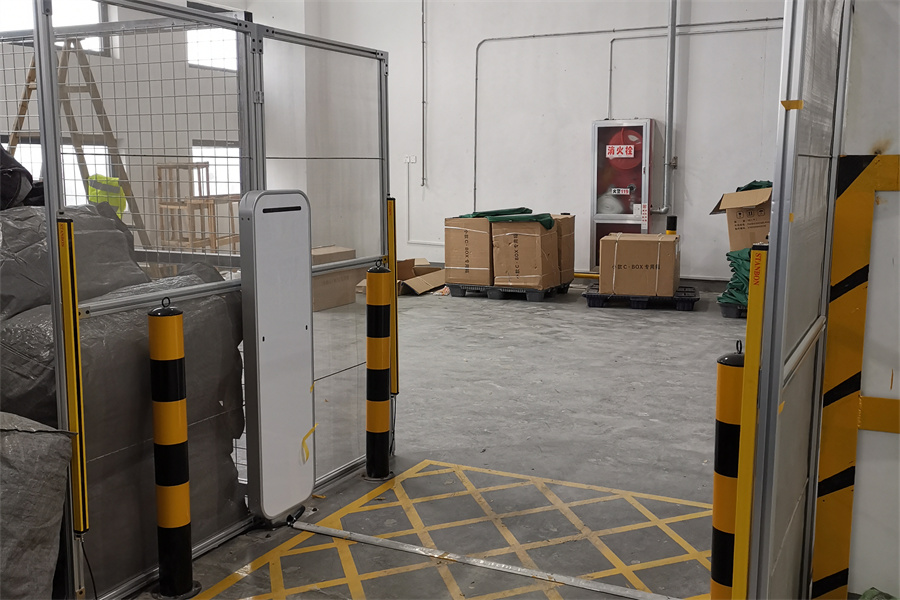 Global 3PL Streamlines High-End Fashion Inventory with MingQ RFID Tunnel Solution
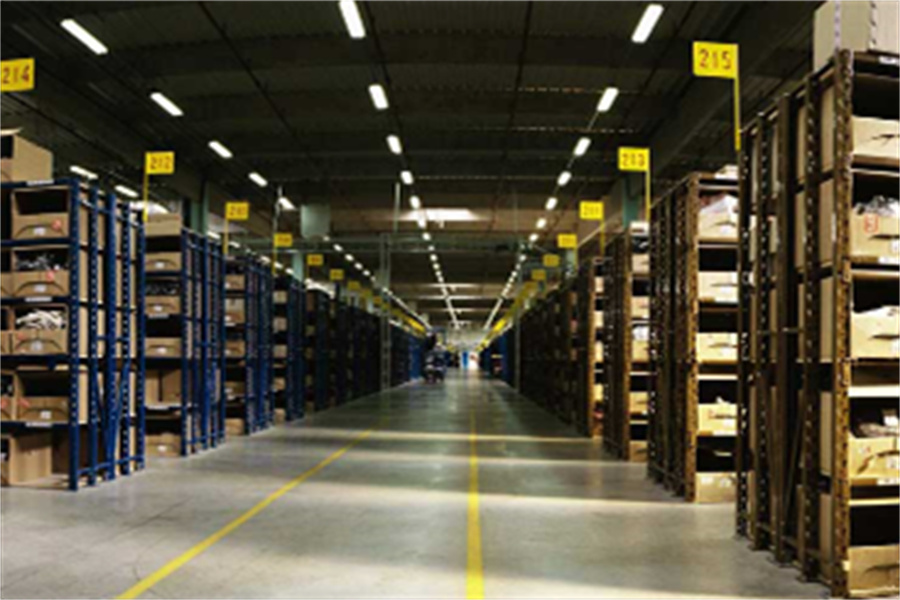 Leading E‑Commerce Platform Accelerates Flash-Sale Fulfillment and Boosts Warehouse Productivity with MingQ RFID Sorting Wall Solution
 Global Automaker Elevates Component Kitting Accuracy with MingQ RFID Shelf‑Level Management Solution
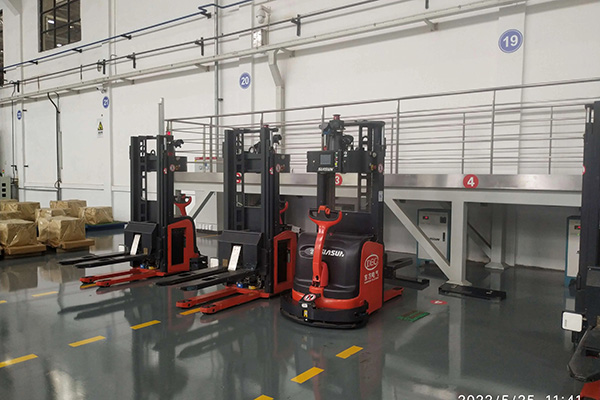 Asia’s Largest Logistics Provider Enhances Warehouse Intelligence with RFID Pallet & Container Management Solution
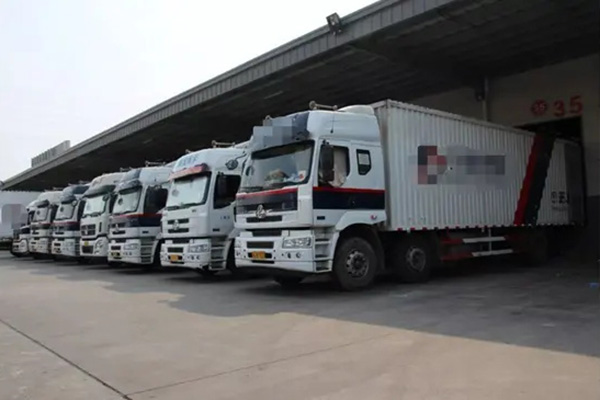 RFID Application in Platform Vehicle Management
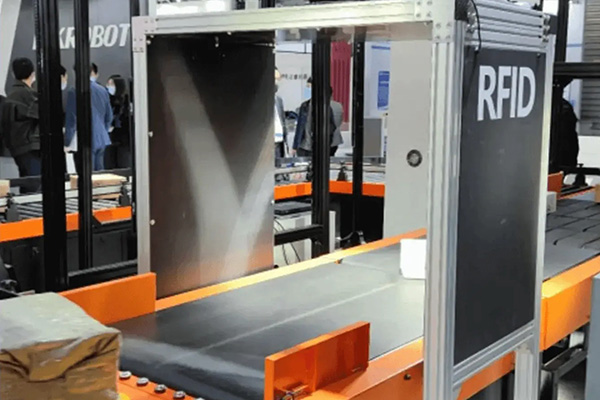 RFID Application in Logistics Sorting
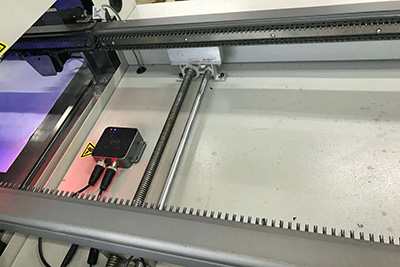 RFID Application in Supply Chain Management
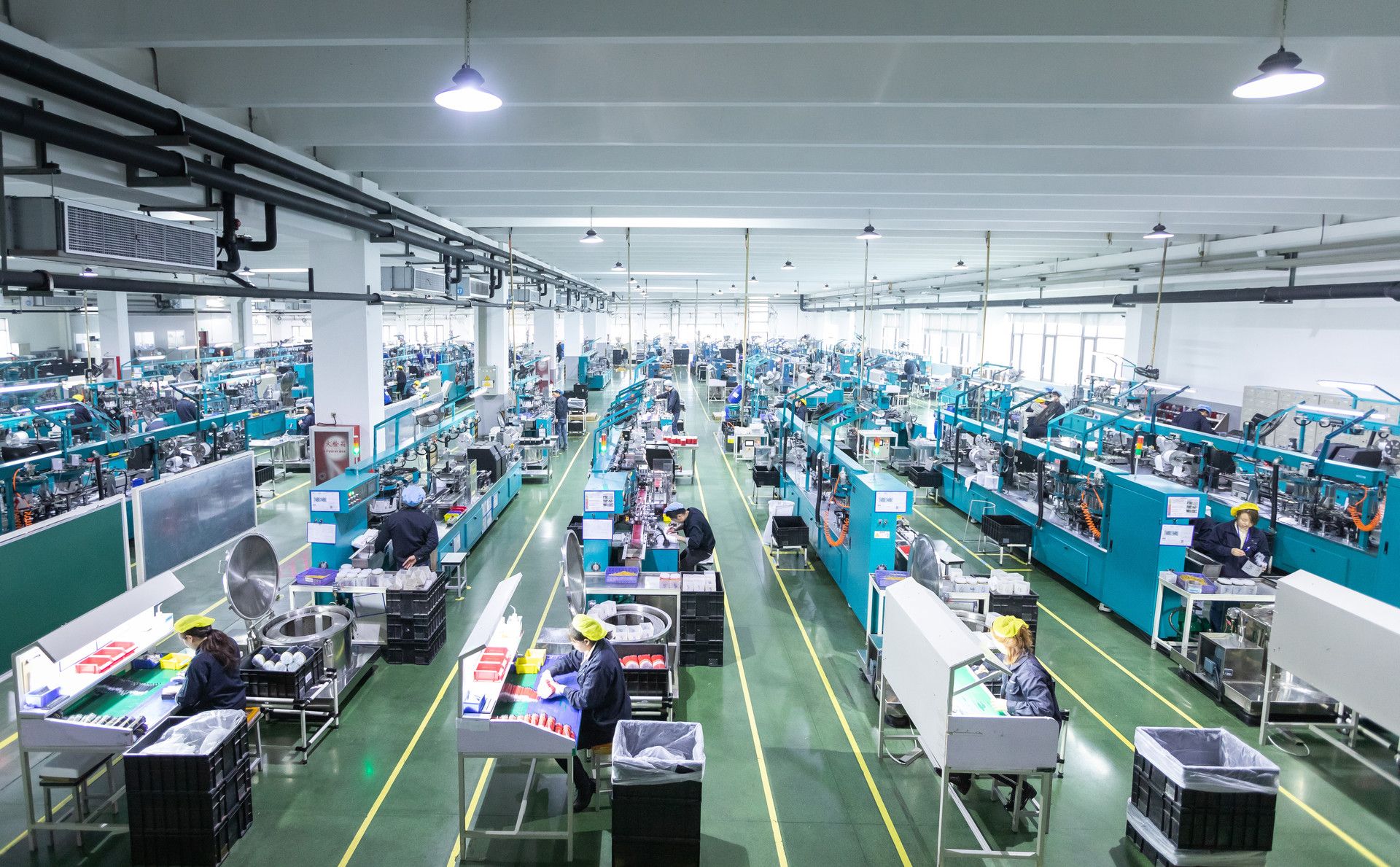 RFID Application for Workshop/Warehouse Tracking
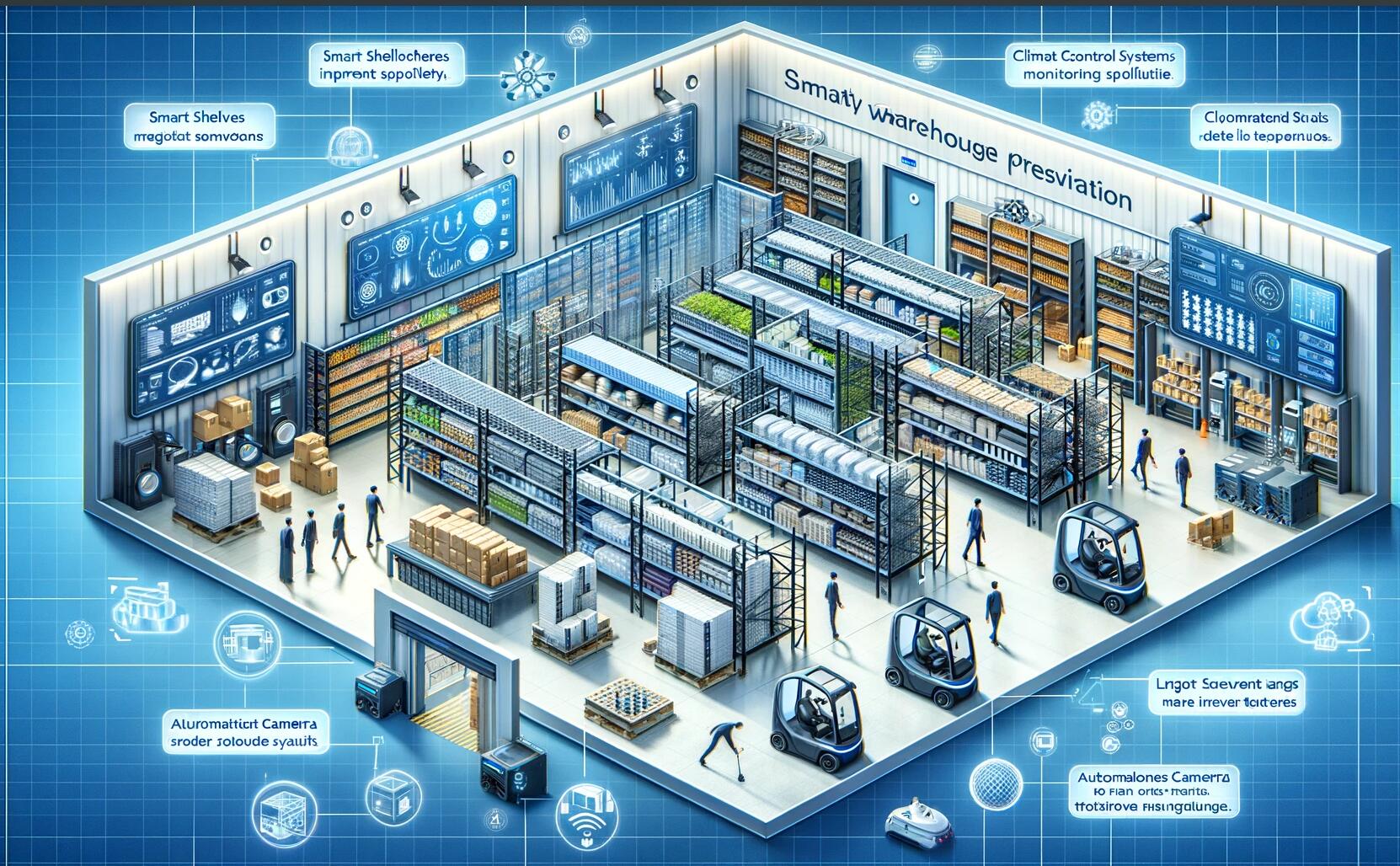 TP‑Link Enhances Warehouse Inbound/Outbound Efficiency with MingQ RFID Dock‑Door Solution
 RFID technology empowers port containers: a new direction for future logistics
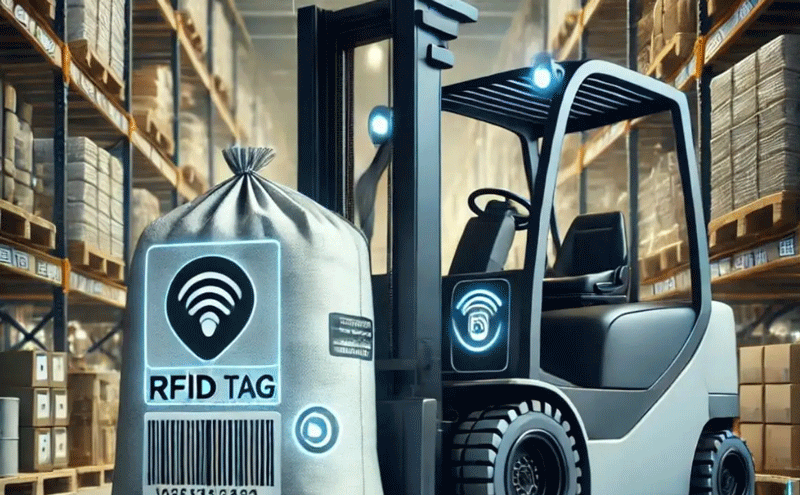 RFID technology in forklift tracking and container bag identification
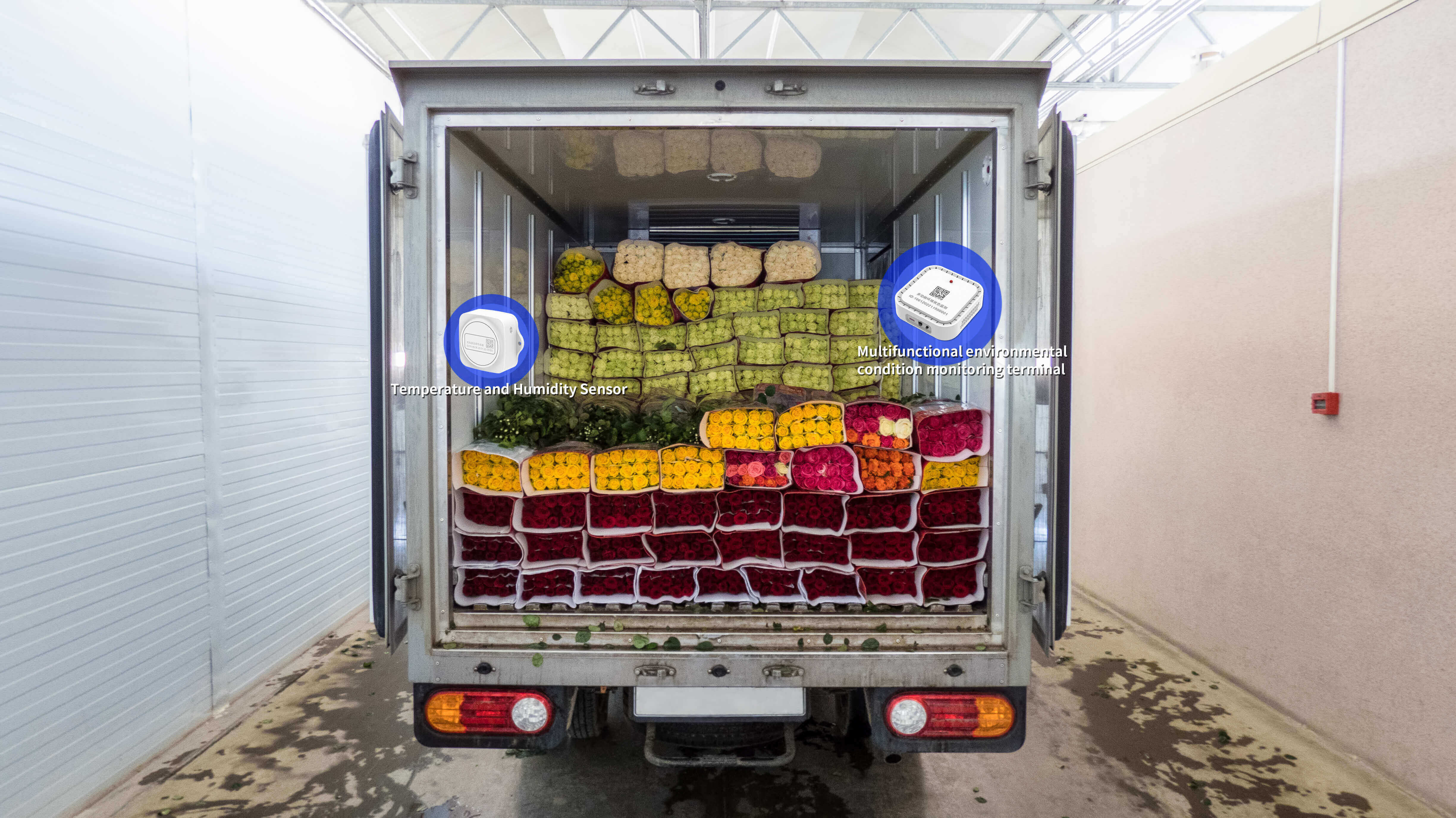 Real-Time Data, Secure Transportation: The Future Trends of Cold Chain Logistics
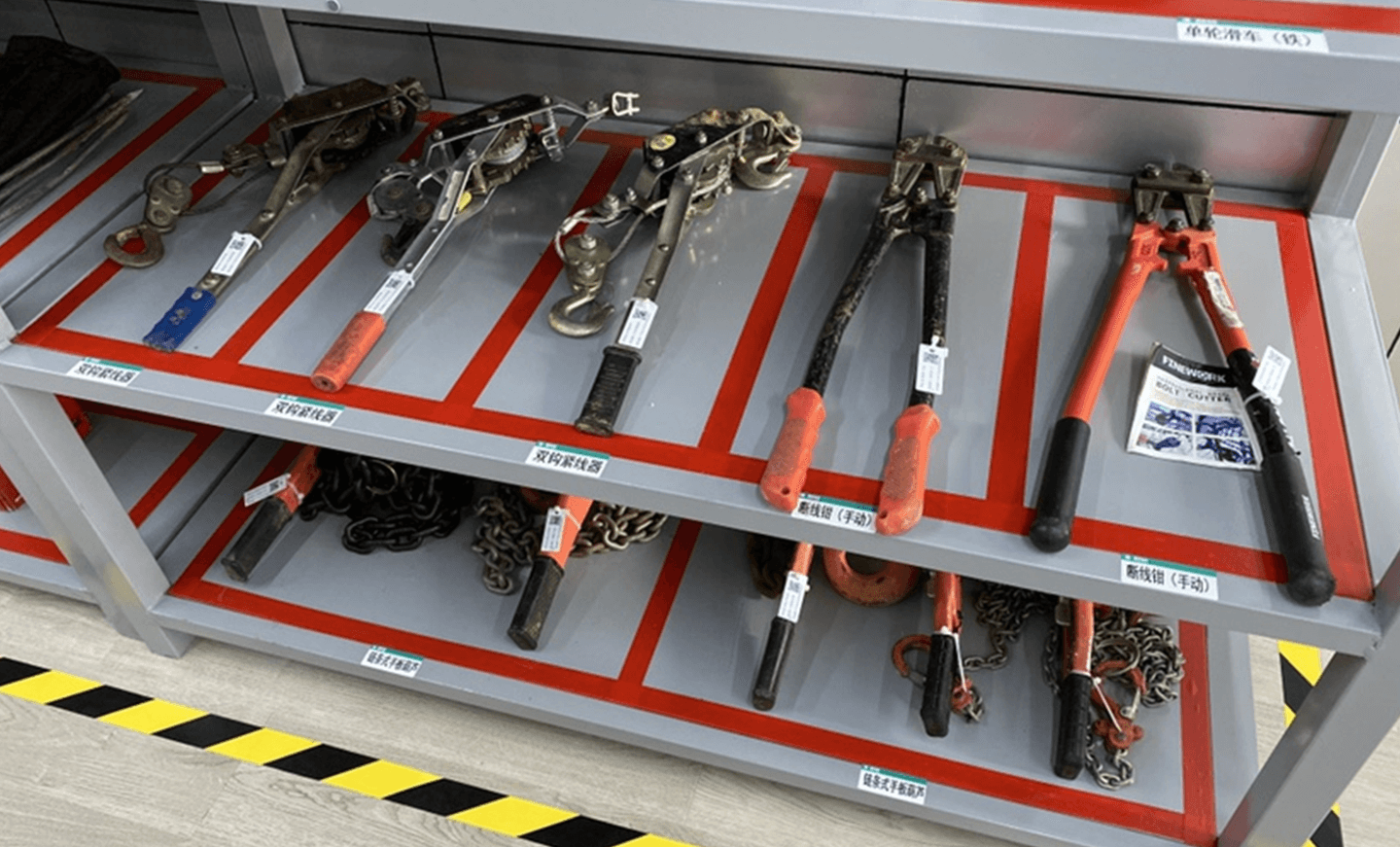 RFID Tool Management
 RFID Application in Battery Factory Production
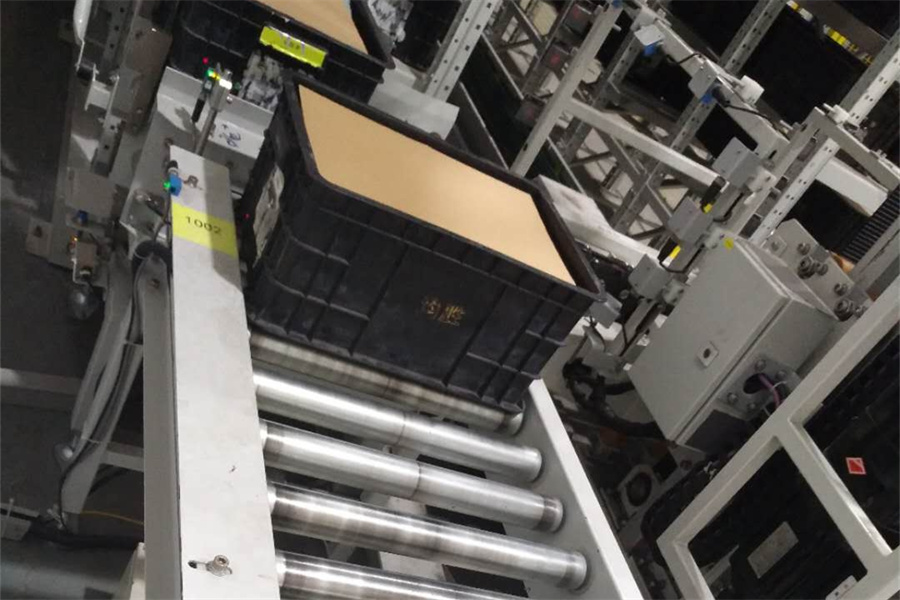 RFID Application in Production Line Rubber Box Management
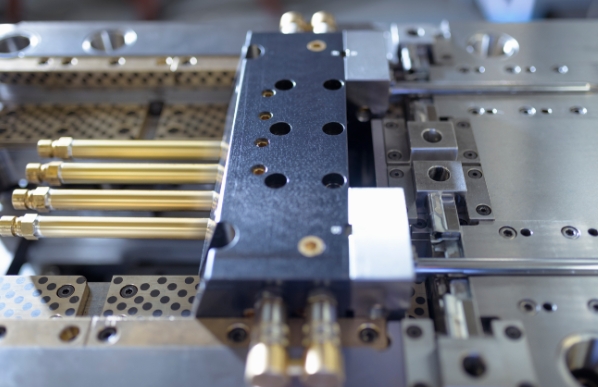 RFID Application in Mold Management on Production Lines
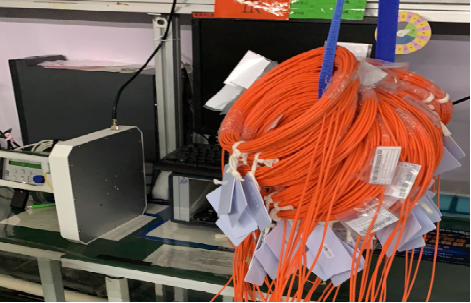 RFID Application in Fiber Optic Cable Manufacturing
 Smart Manufacturing
 The medical industry uses RFID technology to make drug tracking more accurate
 RFID technology helps beverage production and build an efficient supply chain
 RFID technology helps car seat production lines: intelligent management improves efficiency and quality
 RFID technology in the production of electronic appliances monitoring and tracing application
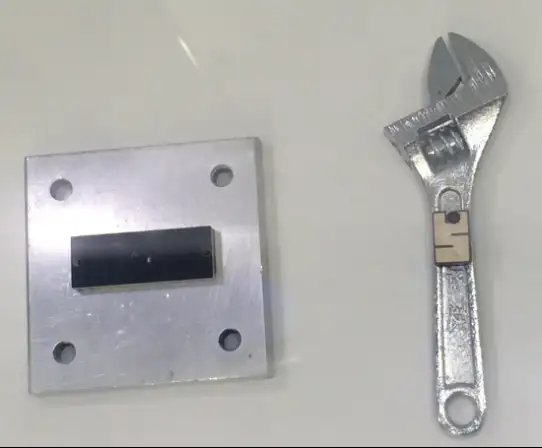 Use RFID technology to improve appliance management efficiency and security
 RFID technology helps precise installation of headrests
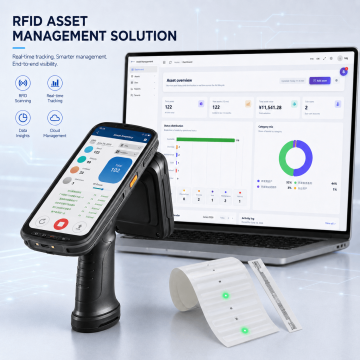 RFID Asset Management Kit
 IP67-protected Integrated RFID Reader Writer RFly-I165 for Supply Chain
 Long-range Distance UHF RFID Reader RFly-I195 for Inventory Management
 Small UHF RFID Tag Reader RFly-I300 for Cars
 Two-channel Compact Fixed RFID Reader RFly-F210 for Warehousing
 Four Channels Fixed UHF RFID Reader RFly-R6 for Supply Chain
 8-channel UHF RFID Tag Reader RFLY-MR8 for File Cabinet Identification-1
 Bluetooth Portable RFID Reader and Writer GRU-HBT100 for Inventory Management
 Industrial Grade Handheld UHF RFID Reader GRU-HC520 Suitable for Logistics
 RFID Tags for Container Turnover Management
 RFID Tags for Equipment O&M Management
 RFID Tags for Manufacturing Management
 RFID Tags for Tool Management
 A Kits for Equipment Condition Detection
 A Kits for Office Computer Room Environment Monitoring
 A Kits for Reservoir Environmental Monitoring
 A Kits for Storage Space Environment Monitoring
 A Kits for Stress Detection of Underground Tunnel
 A Kits for Urban Environment Monitoring
 Intelligent IoT Monitoring Platform