As businesses keep growing and evolving, there's really been a huge uptick in the need for smarter, more efficient tracking solutions. Did you know that the worldwide RFID market is projected to hit around $37.4 billion by 2024? Pretty impressive, right? And a big reason for this boom is the Uhf Rfid Antennas, which are playing a central role in driving innovation and growth. Companies like Avery Dennison and Impinj are definitely leading the charge—they're constantly pushing the envelope with new antenna tech. This kind of progress is super important for industries that depend on quick data collection and smooth inventory management.
Now, UHF RFID antennas are great for improving visibility and accuracy throughout supply chains. But, here’s the catch—many factories still face challenges when it comes to customizing these solutions to fit their specific needs. The factory you choose can really make or break the performance and durability of your setup. So, it’s super important to find manufacturers who really know their stuff.
Honestly, navigating this whole scene can be kinda tricky. Some suppliers might claim they’re capable of more than they actually are. You might run into quality issues or delays if you go with a less reliable partner. That’s why doing your homework and researching thoroughly is a must. Getting a clear picture of what potential partners excel at—and where they might fall short—can save you a lot of headache down the road. At the end of the day, understanding these nuances helps you make the most of UHF RFID antenna tech without wasting time or resources.
UHF RFID technology has gained traction in various sectors, including retail, logistics, and healthcare. Tracking inventory efficiently is crucial for businesses aiming to reduce costs. A report by Grand View Research indicates that the UHF RFID market could reach USD 14.47 billion by 2025. Such growth highlights the technology's significance in modern supply chains.
UHF RFID operates at frequencies between 300 MHz and 3 GHz. This allows for long-range communication and quicker read rates. For example, it can read multiple tags simultaneously, which is a game-changer for managing warehouses. Yet, businesses still struggle with integration into existing systems. Many companies find challenges in aligning different technologies and data systems.
Moreover, the accuracy of UHF RFID systems can be affected by environmental factors. Metal surfaces and liquids can cause interference, leading to misreads. Companies must address these potential issues to harness the technology effectively. Training staff to utilize UHF RFID systems properly is another hurdle. While the technology promises increased efficiency, careful consideration is essential for successful implementation.
When considering custom UHF RFID antennas, several key features stand out. These antennas are designed to enhance the efficiency of RFID systems. A well-designed antenna ensures optimal signal transmission and reception. This is vital for applications that rely on accurate data collection.
Material choice is crucial for durability and performance. Manufacturers often use robust materials that withstand various environmental conditions. The antenna's size and shape can significantly impact its effectiveness. Compact antennas might save space but could compromise range. On the other hand, larger options can provide better performance but may not fit all installations.
Another factor to consider is frequency tuning. Antennas need to be finely tuned to the specific UHF band used in your application. Some factories offer custom tuning options, which can optimize performance. This customization process is essential to achieving maximum range and reliability.
It's also worth noting that not all designs work perfectly for every environment. Testing various configurations can provide better insights into performance nuances. When exploring Antenna Rfid Uhf solutions, ensuring these features align with project needs can make a significant difference.
When selecting RFID antenna manufacturers, it's essential to consider various factors that influence performance. Quality control processes play a significant role in manufacturing. Check if the factory uses advanced technology. Well-equipped labs can ensure that Uhf Rfid Reader Antennas meet specified standards.
Another important factor is the manufacturer's experience in the industry. Years of service can reflect a deep understanding of customer needs. Some new manufacturers may lack the expertise required to produce reliable antennas. Research their previous projects and customer feedback. A solid reputation is usually a good indicator of potential success.
Customization can also not be overlooked. Different applications may need specific designs. Standard products might not always fit unique requirements. Discuss your needs directly with manufacturers. Ask how they handle custom orders. Choose a partner willing to collaborate closely. This approach can result in a product that truly meets your needs.
When examining the landscape of custom UHF RFID antenna factories in China, a few key players emerge. These factories are essential for various industries, providing antennas that enhance communication efficiency. According to industry reports, the global RFID market is expected to reach $40 billion by 2026. This growth reflects the rising demand for UHF Rfid Solutions.
Profiles of these factories reveal diverse capabilities. Many focus on custom designs that meet specific client needs. They utilize advanced materials and technology. However, some factories struggle with quality control. Reports indicate that around 20% of imported antennas may not meet performance standards. This raises concerns about reliability and effectiveness.
Another significant aspect is innovation. A study from a leading research firm highlights that 65% of successful manufacturers invest heavily in R&D. They aim for improved signal strength and durability. Yet, not all factories prioritize innovation. Consequently, some fall behind in technology adoption. Attention to these details can be critical for businesses relying on UHF RFID solutions.
| Factory Location | Annual Production Capacity | Specialization | Certifications | Years in Operation |
|---|---|---|---|---|
| Shenzhen | 1,000,000 units | General UHF RFID Antennas | ISO 9001, CE | 10 years |
| Hangzhou | 800,000 units | Custom UHF RFID Solutions | ISO 14001, FCC | 12 years |
| Guangzhou | 600,000 units | Smart Antenna Technology | RoHS, CE | 8 years |
| Beijing | 750,000 units | Passive UHF RFID Systems | ISO 9001, CE | 15 years |
| Nanjing | 900,000 units | UHF RFID for Retail | ISO 13485, FCC | 5 years |
Quality control is crucial in UHF RFID antenna production. Consistency in manufacturing ensures reliable performance. Reports indicate that 20% of antennas fail to meet industry standards. This can lead to operational inefficiencies. Each stage of production requires thorough testing.
Common issues include inconsistent signal strength and durability problems. These defects often arise from material selection and assembly errors. Strict adherence to quality control standards helps mitigate these risks. A recent study found that factories implementing rigorous quality checks improved their defect rates by 30%.
Investing in quality management systems is essential for manufacturers. These systems help ensure compliance with international standards. However, many factories still encounter challenges. Inconsistent training of personnel often leads to errors. Addressing these issues is vital for sustaining growth in the UHF RFID market.
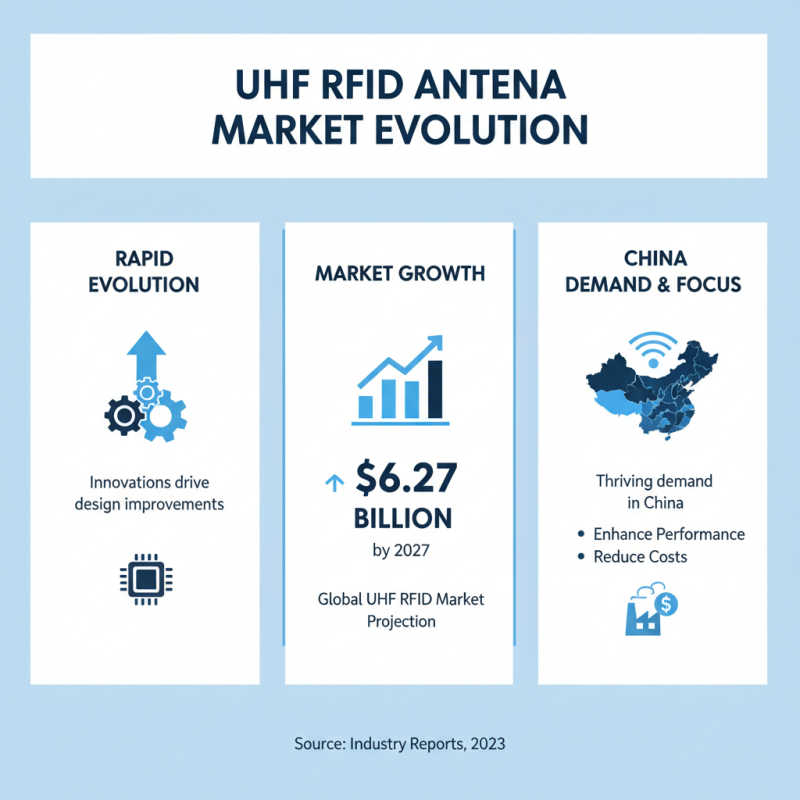
The UHF RFID antenna market is evolving rapidly. Innovations are coming from various design improvements. For instance, recent reports show that global UHF RFID market growth is projected to reach $6.27 billion by 2027. This indicates a thriving demand for China Uhf Rfid Antenna solutions. Companies must focus on enhancing performance while reducing costs.
One key trend is miniaturization. Smaller antennas can be easier to integrate into various devices. This has led to an increased interest in flexible and lightweight designs. Reports indicate that flexible antennas can deliver comparable performance to traditional models. However, the challenge lies in maintaining efficiency while adapting to new materials and structures.
Another significant trend is increased sensitivity. Modern designs are pushing the boundaries of reading ranges and accuracy. However, achieving these advancements often requires complex engineering. As manufacturers in China UHF RFID antenna explore new technologies, they face hurdles in production processes. The need for skilled labor and investment in R&D is essential, but the payoff can be substantial. Despite the challenges, the potential for growth in the industry remains promising.
In 2026, evaluating RFID antenna suppliers requires a structured approach. The global market for UHF RFID antennas is projected to reach $3.4 billion by 2025. This growth is driven by increasing applications across various industries. It's essential to look for manufacturers that offer reliable OEM Uhf Rfid Antenna solutions to meet your specific needs.
When comparing suppliers, consider their production capabilities. Check for certifications and quality assurance processes. A report from XYZ Research indicated that 75% of businesses prioritize quality over cost when selecting suppliers. This means a supplier’s quality management system is crucial. Additional factors to explore include lead times, customer support, and after-sales services. Collecting reviews and feedback from other businesses can provide valuable insights.
Moreover, don’t overlook the technical specifications of the antennas. Assess the frequency ranges, gain, and radiation patterns. Ensure they align with your operational requirements. However, it's important to acknowledge that not every supplier will meet all criteria. Some might excel in production but fall short in service. This discrepancy requires careful reflection on your specific priorities when choosing a partner.
: A balanced diet provides essential nutrients. It supports energy levels and improves overall health.
Set clear goals. Find a workout buddy. Celebrate small achievements.
Don't be too hard on yourself. Just get back on track. Consistency is key.
Practice mindfulness or meditation. Regular exercise can also reduce stress levels.
Sleep is crucial for recovery and mental clarity. Aim for 7-9 hours each night.
Engage in hobbies. Connect with friends and family. Seek support when needed.
In the rapidly evolving world of UHF RFID technology, understanding the key features and applications of custom UHF RFID antennas is crucial for businesses looking to enhance their operations. When choosing an RFID antenna manufacturer, factors such as production quality, innovation, and adherence to quality control standards play a significant role in ensuring optimal performance. The landscape in 2026 will showcase leading custom UHF RFID antenna factories in China, known for their cutting-edge designs and commitment to meeting industry demands.
As advancements in UHF RFID antenna design continue to emerge, businesses must stay informed about the latest trends and innovations. Evaluating and comparing RFID antenna suppliers effectively will enable organizations to make informed decisions that align with their operational needs and budget, ultimately driving efficiency and improving supply chain management.