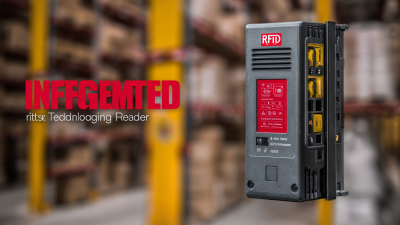
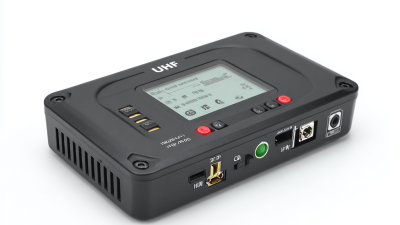
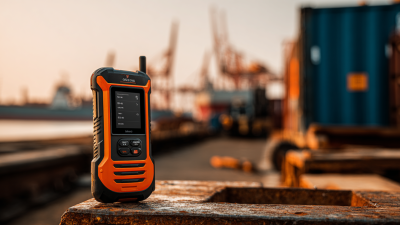
Looking ahead to 2026, it’s pretty exciting to see how the design scene for Uhf Readers in China is changing so quickly. Companies like Impinj and Zebra Technologies are really leading the charge with cool new features that boost performance and efficiency. These days, UHF readers are getting smaller, sleeker, and way easier to use. You’ll notice improvements like better antennas and options for stronger connectivity—things that make a real difference in day-to-day operations across all kinds of industries.
That said, it’s not all smooth sailing. The market’s moving fast, and it’s a challenge to stay ahead of the game. Some of the current designs still tweak out in tricky environments, and security features are more crucial than ever. To keep up, companies need to honestly look at their products’ flaws and pay close attention to user feedback. That ongoing honesty and self-assessment can lead to a stronger Uhf Rfid Reader that truly aligns with what the market needs. Plus, any new features should be practical, affordable, and actually useful.
Overall, the future for UHF readers in China looks super promising—there’s a lot of potential to unlock. Continued R&D will definitely influence how these devices evolve. As these trends develop, they’re set to change how industries use UHF tech. Companies need to stay flexible, listen to feedback, and be ready to adapt. Remember, innovation’s a journey—learning from missteps along the way is just part of the process, and that’s how progress happens.

Overview of UHF Reader Technology in China
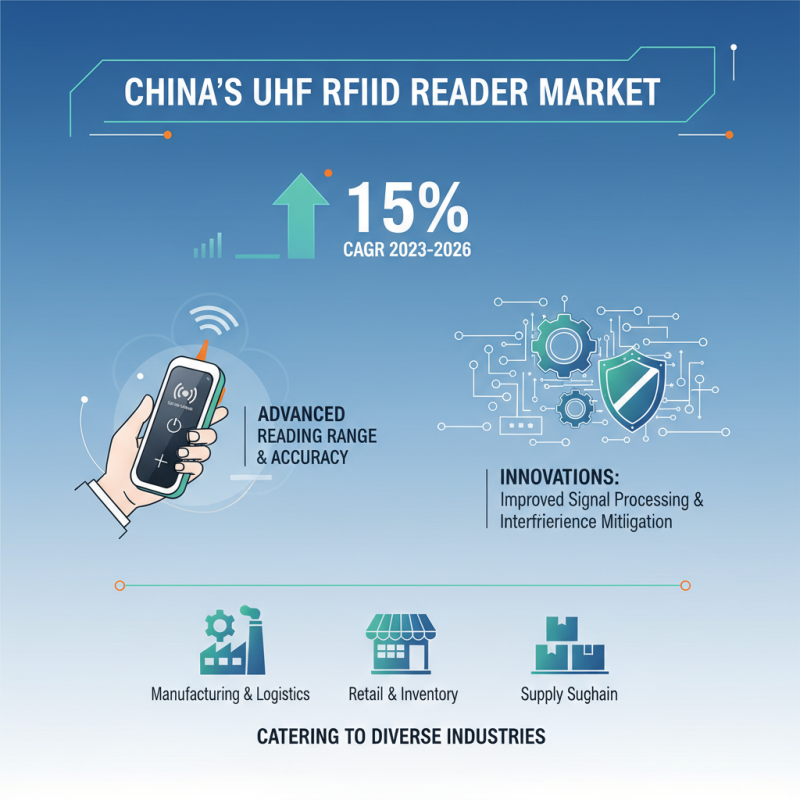
In recent years, UHF reader technology in China has experienced rapid advancements. The market is projected to grow at a compound annual growth rate (CAGR) of 15% from 2023 to 2026. Innovations are focusing on enhancing the reading range and accuracy of Uhf Rfid Tag Readers, catering to various industries. Companies are investing in research to improve signal processing and mitigate interference from other electronic devices.
Key trends include the miniaturization of components and integration of artificial intelligence. This allows for smarter Uhf Rfid Tag readers, which can analyze data in real-time. However, the challenge remains in balancing performance with cost. Many manufacturers report struggling to maintain competitive pricing without sacrificing quality.
Tip: When selecting a UHF RFID tag reader, consider the specific environment in which it will be used. Factors like temperature and humidity can impact performance. Additionally, explore options that allow for future upgrades. Investing in technology that accommodates evolving needs is crucial for long-term success. Remember, sometimes the latest isn’t the best. Prioritize reliability over novelty.
Key Innovations in UHF Reader Design for 2026
In 2026, the design trends for Uhf Readers are expected to undergo significant transformations. One key innovation is the integration of advanced sensor technology. This allows UHF readers to capture data more accurately and efficiently. Enhanced sensitivity will lead to improved range and reliability in diverse environments. Manufacturers aim to create devices that can function effectively even in challenging conditions.
Another notable trend is the focus on user-friendly interfaces. Designers are emphasizing intuitive touchscreens and streamlined navigation. A simplified design can make information access quicker for various user levels. UHF readers will likely incorporate feedback systems to gather user input, driving iterative improvements. While these innovations appear beneficial, challenges remain in maintaining durability.
Moreover, sustainability is becoming a crucial consideration. UHF reader designs are shifting towards eco-friendly materials. This can minimize environmental impact, but sourcing these materials may have limitations. Balancing innovation with responsible choices is vital. As the industry progresses, stakeholders must reflect on their practices and prioritize sustainable design.
Best China UHF Reader Design Trends and Innovations in 2026
Integration of AI and Machine Learning in UHF Readers
The integration of AI and machine learning into UHF readers is transforming the landscape of RFID technology. These advancements enable devices to process vast amounts of data quickly. The ability to analyze data patterns enhances item tracking and inventory management efficiency. For instance, a Long-range Distance UHF RFID Reader can now operate with smart algorithms that optimize reading ranges based on environmental conditions. This fosters a more adaptive approach to reading successes, which is crucial in warehouse settings.
Incorporating AI also drives predictive maintenance for UHF readers. By analyzing usage data, machines can foresee when maintenance is needed. This reduces downtime and extends equipment lifespan. Users may, however, struggle with the initial setup. Integrating software and hardware can pose challenges. Some systems may require frequent updates, which may frustrate users. There’s a learning curve to leverage these innovations fully, as they may not be intuitive for all operators.
Machine learning algorithms continuously improve performance. They learn from previous readings, minimizing errors over time. But the complexity behind these algorithms can lead to uncertainties. Users need robust training to adapt to evolving features. As AI progresses, there will be a balance to strike between sophistication and usability.
Advancements in UHF Reader Hardware and Materials
In 2026, advancements in UHF reader hardware and materials will shape the industry significantly. Materials like graphene and flexible circuits are becoming popular. These innovations enhance durability and reduce weight. They also allow for improved performance in various environments. A recent report indicates that the global UHF reader market is projected to grow by 20% annually. This trend is pushing manufacturers to prioritize innovative materials in their designs.
Tips: Choose materials wisely. Lightweight options can improve usability and reduce fatigue during long-term use. Pay attention to how these materials perform in real-world conditions. Testing in actual environments can reveal unforeseen issues, like signal interference from certain materials.
Emerging technologies, such as IoT integration, are also a focus. Readers must seamlessly connect to other devices, fostering better data collection. While the rise of smart technology is promising, some older models may struggle to integrate. Keeping legacy systems in mind is crucial for smooth transitions. Balancing innovation with reliability can pose challenges.
Enhancements in UHF Reader Software and Data Management
In 2026, UHF reader design trends emphasize significant enhancements in software and data management. These improvements are transforming Reader Rfid Uhf technology. User-friendly interfaces streamline operations. Data analytics tools provide real-time insights, enabling businesses to make quicker decisions.
One noteworthy trend is the integration of cloud-based platforms. Cloud solutions allow for seamless data sharing across devices. This enhances collaboration within organizations. However, reliance on the cloud raises questions about data security. We need to address potential risks seriously.
Tips: Always back up your data. A simple backup can save crucial information. Regular software updates enhance security and minimize vulnerabilities. Ensure your team stays informed on best practices in data privacy. Strive for a balance between innovation and security. Invest in training to keep staff updated on trends and tools.
Emerging Applications of UHF Readers in Various Industries
Emerging applications of UHF readers are transforming various industries from logistics to retail. In logistics, there's a push for enhanced supply chain visibility. According to a recent industry report, over 75% of companies are integrating UHF solutions to track assets in real time. This shift minimizes loss and improves efficiency.
In the retail sector, UHF readers enable smart inventory management. More than 65% of retailers say these devices streamline their operations. Automated stock counts reduce manual errors. This leads to improved customer satisfaction. However, some retailers struggle with implementation. Integration with existing systems often remains a challenge.
Healthcare is another area seeing rapid adoption. UHF readers help track medical supplies, reducing waste. Reports indicate that hospitals using this technology have decreased inventory costs by 30%. Yet, it is not all smooth sailing. Some facilities face data security concerns. Balancing innovation with safety is crucial. UHF technology has tremendous potential, but risks must be managed effectively.
Sustainability Trends in UHF Reader Manufacturing and Design
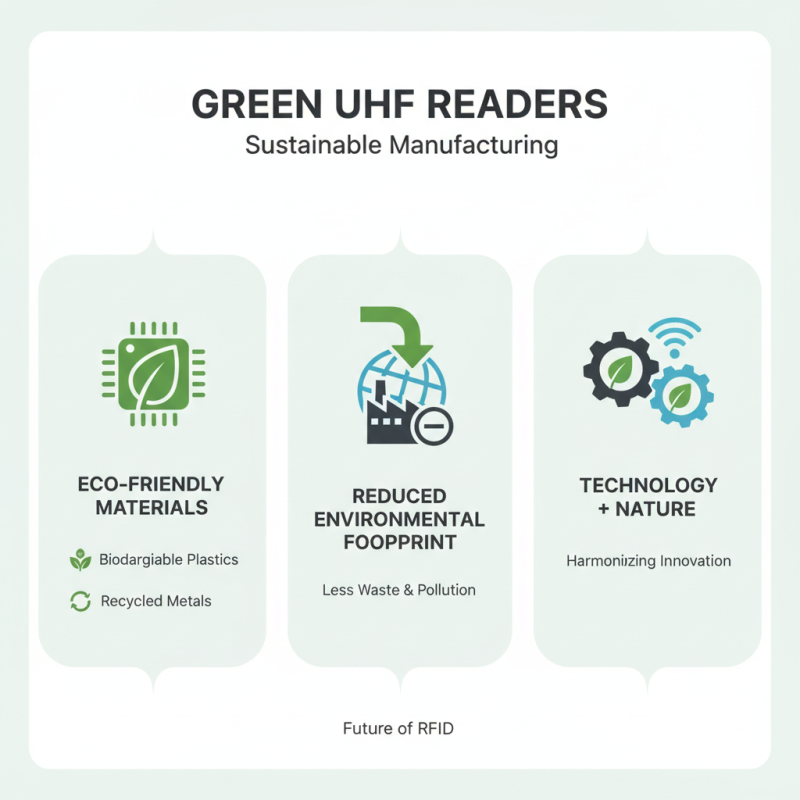
Sustainability is becoming crucial in UHF reader manufacturing. Designers are exploring eco-friendly materials. Biodegradable plastics and recycled metals are gaining traction. These choices reduce the environmental footprint. The goal is to align technology with nature.
Power consumption is another key focus. Manufacturers aim for low-energy solutions. Innovative circuit designs and energy-efficient components help lessen energy use. Solar power options are also emerging. However, this approach needs more refinement. The integration of solar panels adds complexity.
Lastly, manufacturers face challenges in sourcing sustainable materials. Not all regions have access to eco-friendly options. This inconsistency raises questions about true sustainability. As the market evolves, ongoing reflection on practices is essential. Striking a balance between innovation and sustainability is a shared goal for many.
Enhancing Supply Chain Efficiency with the IP67-Protected Integrated RFID Reader Writer RFly-I165
In the current landscape of supply chain management, enhancing efficiency is paramount. The integration of advanced technologies, such as RFID, has been proven to significantly streamline operations. The RFly-I165, a compact UHF integrated RFID reader, stands out with its built-in high-performance circular polarized antenna, enabling reliable data capture across varied settings. According to industry studies, companies that employ RFID technology can see up to a 30% improvement in inventory accuracy, leading to more efficient asset tracking and management.
The performance of the RFly-I165 is tailored for diverse industrial applications, from retail to manufacturing. By leveraging this technology, businesses can optimize processes, reduce labor costs, and minimize human error. The ability to maintain real-time visibility of inventory can significantly reduce stockouts and excess inventory, a crucial factor considering that about 17% of inventory is typically considered excess in supply chain operations. As the demand for streamlined logistics and operational transparency grows, the implementation of such RFID solutions is crucial for businesses aiming to remain competitive.
With a commitment to providing high-quality and cost-effective solutions, the RFly-I165 facilitates a seamless transition towards smarter supply chain practices. Businesses looking to maximize their operational efficiency would benefit from exploring the capabilities of integrated RFID systems. Custom solutions can be tailored to meet specific needs, ensuring that all aspects of inventory and asset management are streamlined effectively, thus paving the way for increased productivity and profitability in the supply chain sector.
FAQS
: Many people struggle to set realistic goals. They often aim too high or too broad.
Tracking small milestones can help. Use a journal or an app to note changes.
It's normal to stumble. Reflect on what went wrong, and learn from it.
Find a support system. Friends or groups can provide encouragement and accountability.
Yes, being flexible is key. Goals should evolve as circumstances change.
Regular reviews help. Consider checking in weekly or monthly to assess your path.
Conclusion
The article explores the latest trends and innovations in UHF reader technology in China for 2026. It begins with an overview of UHF reader technology, highlighting the importance of efficient data handling in various industries. Key innovations include the integration of artificial intelligence and machine learning, enhancing the capabilities of UHF readers for real-time analytics and improved accuracy.
Additionally, advancements in hardware and materials are set to make UHF readers more robust and efficient, while software improvements promise better data management and user interfaces. The article also discusses emerging applications across different sectors, emphasizing the growing role of UHF readers in supply chain management and logistics. Finally, it addresses sustainability trends in the manufacturing and design of UHF readers, pointing towards a future focused on eco-friendly practices.

 Rotary HF RFID Tag Reader GRH-I40 Suitable for Assembly Lines
 Industrial-grade High-frequency Integrated Reader GRH-I65 Suitable for Asset Tracking
 With ESD Protection HF RFID Reader GRH-I68 Suitable for Progress Tracking
 Proximity HF RFID Reader GRH-M30 Suitable for Manufacturing Workshops
 Desktop HF RFID Scanner GRH-D80-HID Suitable for Card-issuing Applications
 High Frequency Medium Distance Reader GRH-I90 Suitable for Logistics Production Line
 UHF RFID Portals and Tunnel Machine RFly-AM3000 for Access Control
 Narrow RFID Portals Series TD-P20040-SS for Single Tag Entry and Exit Identification Scenario
 RFID Transmission Line Simple Identification Tunnel Machine (TD-T3050)
 Vision and RFID Tunnel Machine TD-T7692-RV for Logistics Sorting
 RFID Transmission Line Identification Tunnel Machine TD-T10090
 RFID Mobile Inventory Tunnel Machine TD-T65150 for Conveyor Belts
 High-Performance Far-Field Antennas for Broad Coverage.
 Multi-Purpose Antennas: Flexibility for Diverse Applications
 Near-Field Antennas for Short-Distance Tag Detection.
 Portals & Tunnel Antennas for Integrated RFID Series
 Slimline PCB Antennas for Warehousing and Logistics
 Miniaturized and Thin Antennas can Provide Good Performance in a Smaller Size.
 GPS Tracker for Vehicles, Car, Kids, Assets.
 CO2 Sensors Detect CO2 Gas through Alarms, Suitable for Offices, Planting Tents.
 Door Sensor, Detect Open and Closed Doors or Windows, Sends Alerts, Triggers Siren.
 Wireless Level Sensor Equipped with a 5-Meter Detection Line, Suitable for Water Tanks
 Real Time Monitoring of Air Quality Using PM2.5/PM10 Sensors.
 Smoke Sensor, Fire Alarm Smoke Detector with Test Button and Low Battery Reminder.
 Soil Stress Sensor,Bridge and Tunnel Monitors.
 Vibration Sensor Monitors Equipment, Like Conveyors and Motors, for Operational Status.
 E -Paper Display
 Smart Water Sensor Alarms, 1.2 M Detection Line.
 CO Sensor for Basements Home Office House Bedroom Living Room Car, Light Plug and Play.
 Temperature and Humidity Sensor
 Multi-sensor GD-ME
 Temperature Sensors Monitor the Surface Temperature of Various Heating Equipment.-1
 Signal Enhancement Terminal, Long Range Coverage.
 Multi-Protocol Communication Gateway, App Remote Control.
 Edge Vision Gateway can Access Various Mainstream Cameras, Suitable for Office, Factory.
 GBS-3550 Outdoor Sensor Gateway,LoRa, 2/3/4G Communication.
 Smart WiFi Gateway, Realize Remote Control.
 Ultra-Low-Power Solar-Powered Intelligent Gateway (Outdoor)
 IP67-protected Integrated RFID Reader Writer RFly-I165 for Supply Chain
 Long-range Distance UHF RFID Reader RFly-I195 for Inventory Management
 Small UHF RFID Tag Reader RFly-I300 for Cars
 Two-channel Compact Fixed RFID Reader RFly-F210 for Warehousing
 Four Channels Fixed UHF RFID Reader RFly-R6 for Supply Chain
 8-channel UHF RFID Tag Reader RFly-R8 for File Cabinet Identification
 Bluetooth Portable RFID Reader and Writer GRU-HBT100 for Inventory Management
 Industrial Grade Handheld UHF RFID Reader GRU-HC520 Suitable for Logistics
 RFID Gateway Networking System
 RFID Passive Temperature Measurement System
 RFID Tags for Container Turnover Management
 RFID Tags for Equipment O&M Management
 RFID Tags for Manufacturing Management
 RFID Tags for Tool Management
 A Kits for Equipment Condition Detection
 A Kits for Office Computer Room Environment Monitoring
 A Kits for Reservoir Environmental Monitoring
 A Kits for Storage Space Environment Monitoring
 A Kits for Stress Detection of Underground Tunnel
 A Kits for Urban Environment Monitoring
 Intelligent IoT Monitoring Platform
 Integrating Multiple Functional OTG Demo Software
 HF Demo Software
 UHF Demo Software