Leave Your Message
0%

In today’s super fast-paced business world, innovation isn’t just a buzzword — it’s what really drives efficiency. More and more, global buyers are realizing that RFID Integrated Readers are becoming almost a must-have. Industry expert Dr. Emily Tran from SmartTech Innovations puts it simply: “RFID tech really changes the game for supply chain management by making real-time data more accurate.” Her words highlight just how impactful these readers are across different industries.

Using RFID Integrated Readers makes operations smoother, especially when it comes to keeping inventory accurate and cutting down on human mistakes. They give instant updates, so companies can keep close tabs on their goods without much hassle. Plus, they help improve customer satisfaction by cutting down wait times for products. That said, a few organizations might find the initial setup and integration a bit tricky. It's pretty important to tackle these hurdles early on to truly unlock all the benefits.

On another note, RFID Integrated Reader Writers open up some pretty exciting opportunities for brands to connect more deeply with their products. Yep, at first, it might look complex, but the payoff is huge. Companies really need to consider their specific needs and adapt accordingly. Jumping into these technologies is definitely an investment into the future, but it’s crucial to plan carefully and execute properly if you want everything to go smoothly.

Top 10 Benefits of RFID Integrated Readers for Global Buyers?

Understanding RFID Technology: An Overview

RFID technology has transformed inventory management across various industries. At its core, RFID, or Radio-Frequency Identification, employs electromagnetic fields to automatically identify and track tags attached to objects. According to recent industry reports, the RFID market is projected to reach $33.2 billion by 2026, primarily driven by its increased adoption in supply chain logistics and retail sectors.

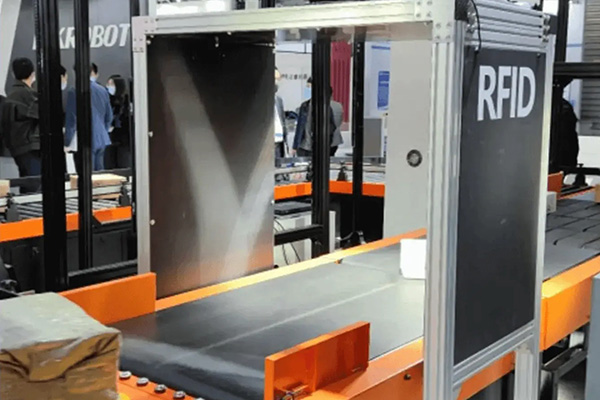
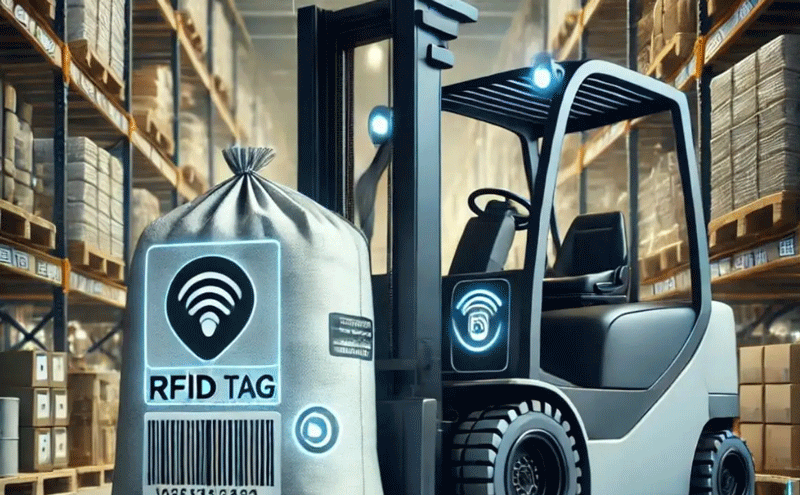
Integrated Uhf Rfid Readers are essential for efficient data collection. These readers facilitate real-time tracking, minimizing errors in inventory data. For instance, a study by the Aberdeen Group indicates that businesses using RFID technology saw inventory inaccuracies drop by 50%. This level of precision not only reduces costs but also enhances customer satisfaction by improving product availability.

Tip:When selecting an RFID reader, consider factors like read range and environmental durability. Evaluating how integrated UHf Rfid Readers perform in real-world conditions is crucial. Another tip is to conduct a pilot program before full implementation, as this helps identify potential challenges. Continuous reconsideration of strategies ensures that your RFID system aligns with your operational goals.

How RFID Integrated Readers Enhance Supply Chain Efficiency

Top 10 Benefits of RFID Integrated Readers for Global Buyers?

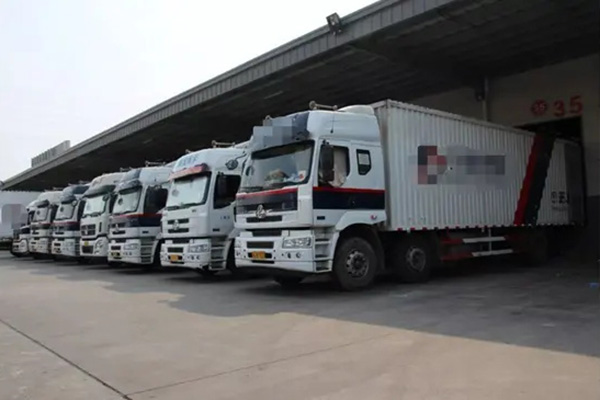
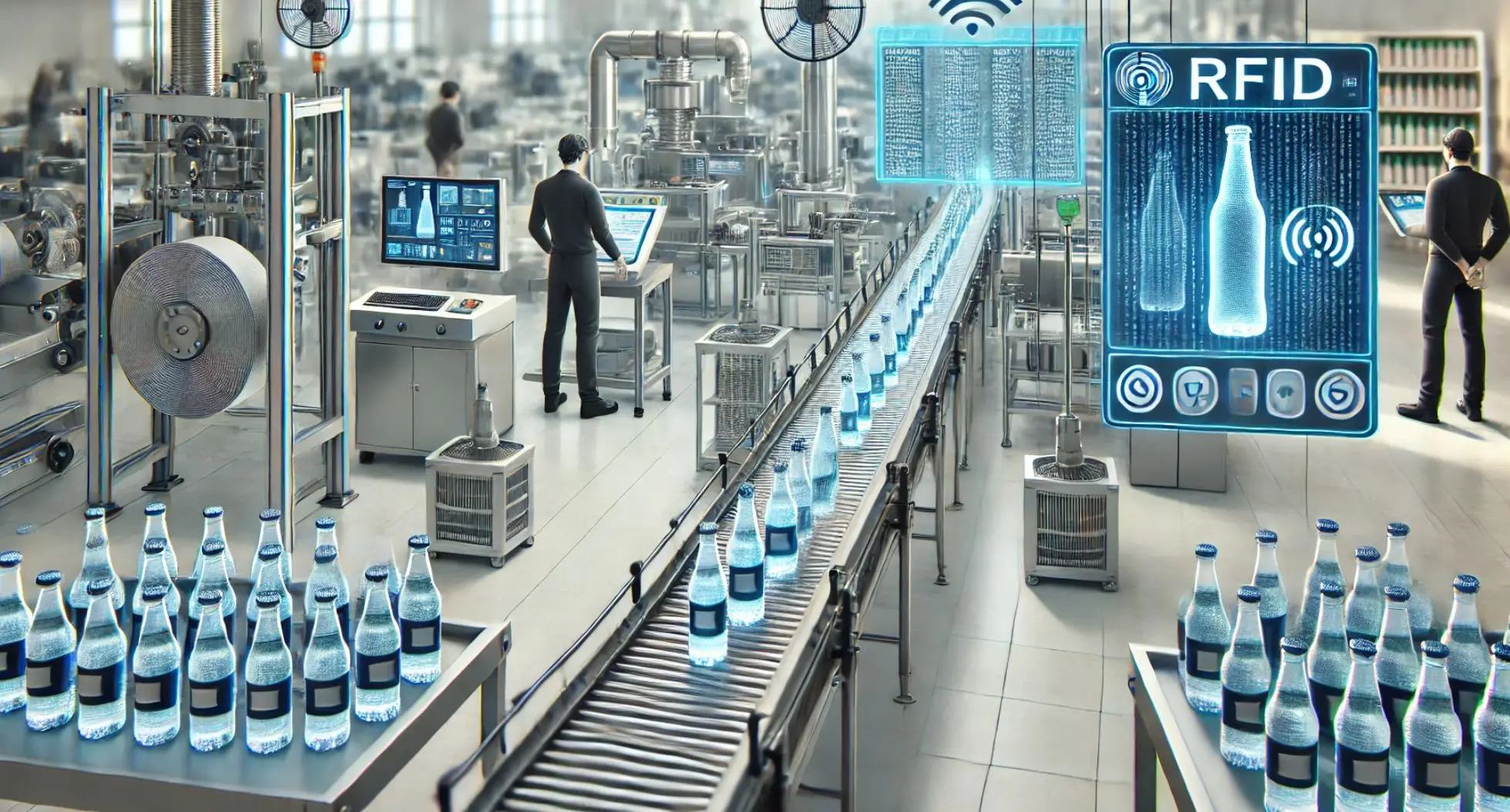
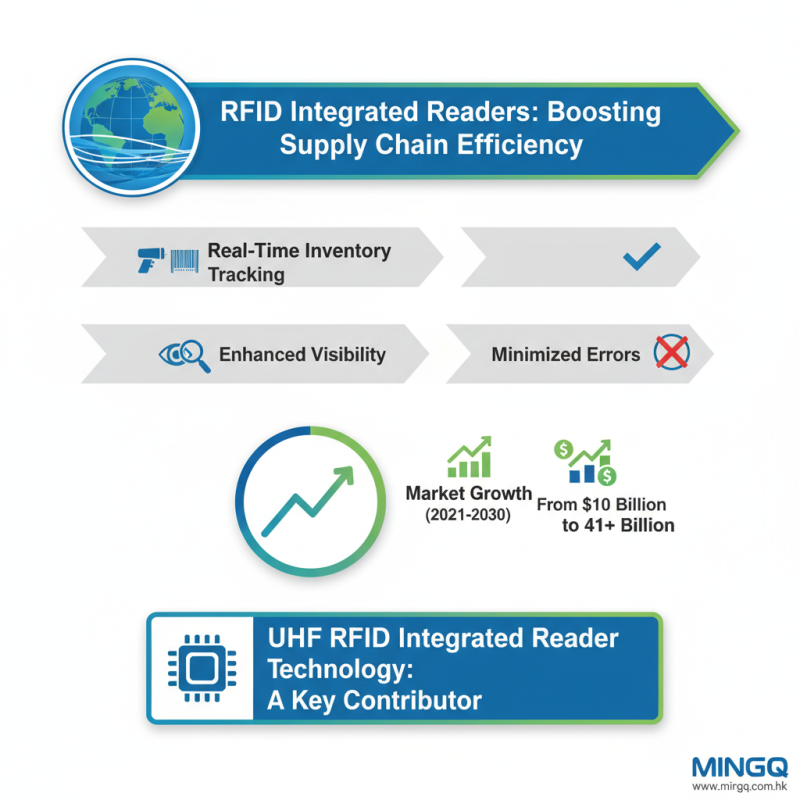
RFID integrated readers are transforming supply chain management across industries. These devices offer real-time tracking of inventory, which enhances visibility and minimizes errors. According to a report by Allied Market Research, the RFID market is anticipated to grow from $10 billion in 2021 to over $41 billion by 2030. The integration of Uhf Rfid Integrated Reader technology is a significant contributor to this growth.

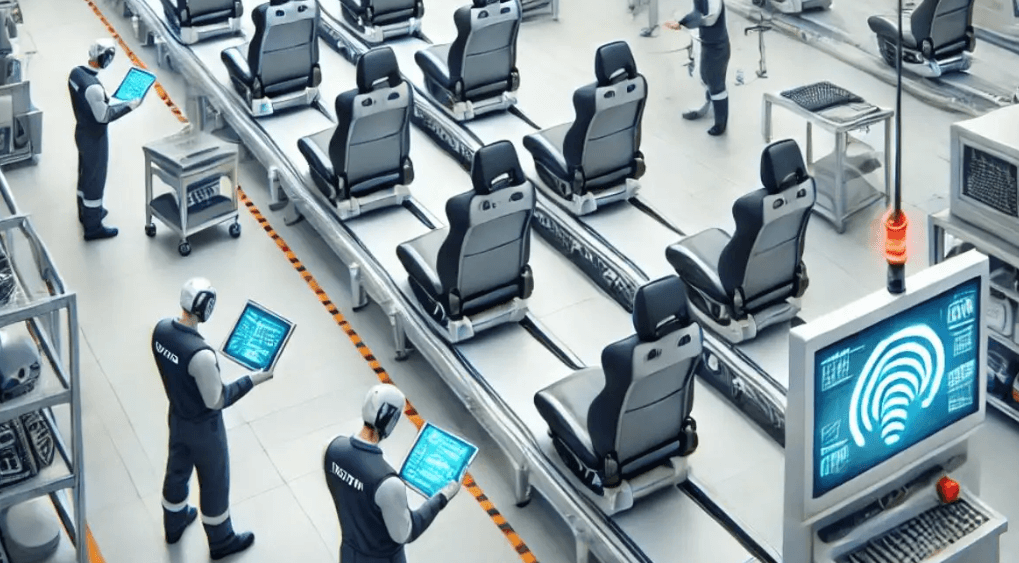
Supply chain efficiency is often hindered by manual processes and discrepancies. RFID technology automates tracking, thus reducing time spent on inventory counts. A study by Zebra Technologies revealed that warehouses using RFID saw a 33% increase in inventory accuracy and a 25% reduction in labor costs. However, some companies struggle with the initial investment and integration of new systems. The benefits gained from accurate data and improved processes often outweigh the upfront costs.

Implementing Uhf Rfid Integrated Readers can also lead to enhanced decision-making. With access to real-time data, businesses can respond quickly to stock levels, demand changes, and operational inefficiencies. Yet, reliance on technology can create its own set of challenges. Firms must ensure proper training for employees to maximize the benefits of these systems. Ongoing maintenance and updates to the system are crucial for long-term success.

Cost Savings: The Economic Advantages of RFID Solutions

RFID (Radio Frequency Identification) technology has transformed supply chain management and inventory control. According to a recent report by the International Data Corporation (IDC), Rfid Solutions can reduce inventory carrying costs by up to 25%. This significant figure highlights the economic advantages of integrating RFID readers for global buyers. By automating data capture and minimizing manual entry errors, businesses can experience increased accuracy and efficiency.

Cost savings extend beyond inventory management. A study by the University of California estimates that companies adopting RFID technology have reduced operational costs by approximately 30%. This improvement directly impacts profit margins. Moreover, RFID can enhance visibility throughout the supply chain, allowing businesses to respond to market demands more swiftly. However, the initial investment and integration challenges should not be overlooked. Companies must weigh these factors carefully.

Tip: Consider conducting a cost-benefit analysis before implementing RFID solutions. This strategy can reveal potential hidden costs and clarify expected savings.

Investing in RFID technology requires long-term vision. Look into potential supplier relationships, as strong partnerships can lead to better pricing and integrated systems. Gather as much data as possible from pilot projects to inform broader implementation decisions. Embracing these strategies improves reliability and builds a robust case for RFID adoption.

Top 10 Benefits of RFID Integrated Readers for Global Buyers

This bar chart illustrates the economic advantages of RFID solutions based on key benefits typically recognized by global buyers. The visualization focuses on various cost-saving aspects associated with RFID technology.

Improved Inventory Management with RFID Technology

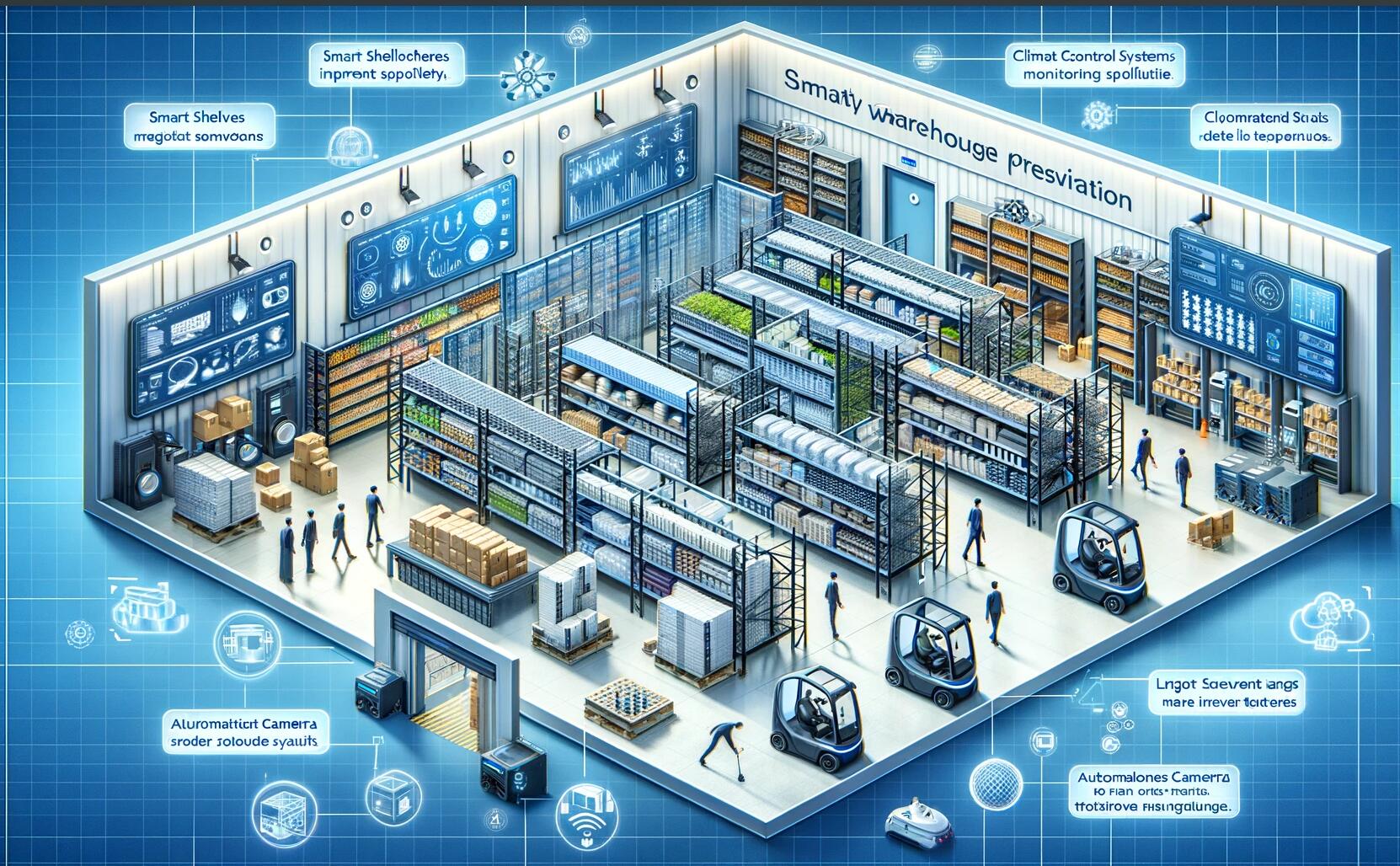
RFID technology is revolutionizing inventory management for businesses around the globe. Integrated RFID readers streamline the tracking of products from warehouse to retail shelf. This technology allows real-time visibility of inventory levels. Businesses can instantly see what is in stock and what needs replenishing. The efficiency gained through RFID reduces unnecessary stockouts and overstock situations.

However, implementing RFID systems is not without challenges. Some firms may struggle with initial setup costs and training. The technology requires a shift in how employees manage inventory. Others find data management overwhelming. It's essential to develop clear strategies and processes to maximize the benefit of RFID technology. Navigating these hurdles is critical for success.

RFID offers precise tracking and reduces human errors. Businesses can conduct audits with a simple scan, saving time and resources. Accurate data boosts decision-making, improving overall efficiency. As companies adapt, they may identify areas for further improvement. Continuous feedback and adjustment are key to making the most of RFID technology.

Boosting Security and Loss Prevention through RFID Systems

RFID systems significantly enhance security and loss prevention efforts for businesses. With Rfid Integrated Readers, companies can track inventory in real-time. According to the 2022 RFID Journal Annual Report, retailers adopting RFID technology reported a 25% reduction in inventory shrinkage. This is a compelling statistic that underscores the effectiveness of RFID.

Implementing RFID integrated readers allows for precise monitoring of assets. For instance, a warehouse using RFID can pinpoint the location of every item within seconds. This capability minimizes theft and errors in stock, but challenges remain. Some organizations face resistance in adapting to new technologies. Training staff effectively is crucial for realizing the full benefits of RFID.

Data security is another major concern. Companies must ensure that data collected by RFID systems is protected. An RFID system can enhance security, yet vulnerabilities still exist. The 2023 Data Security Report indicated a rise in cyber incidents involving RFID systems, highlighting the need for robust security measures. Thus, while RFID integrated readers offer numerous security advantages, continuous improvement and vigilance are necessary.

Enhancing Customer Experience with RFID Applications

RFID technology is transforming how businesses engage with customers. Modern RFID integrated readers streamline inventory management, enhancing the shopping experience. According to a latest report by IDTechEx, RFID can reduce stock discrepancies by over 30%. This precision directly impacts customer satisfaction, as accurate stock levels lead to fewer out-of-stock situations.

Additionally, RFID tags enable quicker checkout processes. Retailers have reported that average checkout times can decrease by up to 50% with RFID systems. This rapid processing reduces customer frustration during peak hours. Shoppers appreciate the seamless experience, leading to increased loyalty and repeat business. However, some consumers may feel uneasy about technological surveillance. A balance between efficiency and privacy is crucial for customer trust.

Yet, implementation of RFID technology isn't flawless. Businesses face challenges such as initial costs and system integration. A survey by McKinsey highlights that 70% of organizations perceive high investment costs as a barrier. Improving transparency about RFID usage can help mitigate customer concerns. Ultimately, thoughtful implementation can lead to notable enhancements in customer experiences.

Global Market Trends: The Future of RFID Integrated Readers

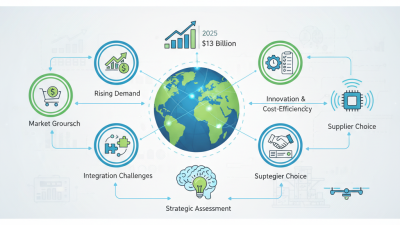
The market for RFID integrated readers continues to evolve rapidly. Increased connectivity and heightened demand for real-time data tracking drive this growth. These devices offer a streamlined approach to inventory management. They enhance operational efficiency and improve accuracy. Many industries are adopting RFID technology to stay competitive.

Buyers are looking for solutions that offer cost-effectiveness and reliability. A strong focus exists on user-friendly interfaces and seamless integration into existing systems. While the benefits are clear, challenges remain. Not all organizations effectively implement this technology. Integration can be complex and requires proper training for staff.

As global trends shift, the need for enhanced data security is also rising. Companies must ensure that RFID systems are not only efficient but also safe from data breaches. To stay ahead, businesses must continuously assess their RFID strategies and consider emerging technologies. RFID integrated readers are set to redefine supply chains, but thoughtfulness in implementation is key.

Optimizing Warehouse Management with the Two-Channel Compact Fixed RFID Reader RFly-F210

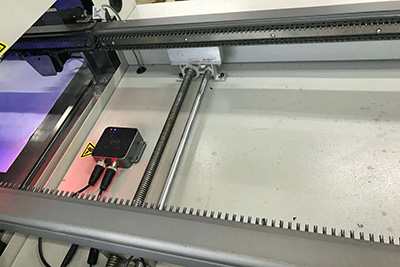
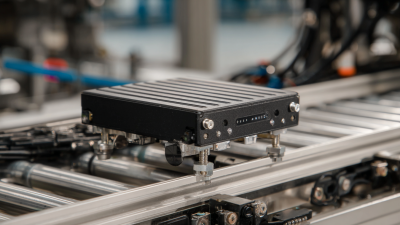
In the fast-paced world of warehouse management, efficiency and accuracy are paramount. The RFly-F210 two-channel UHF RFID reader stands out as an exceptional solution designed for optimal performance within compact environments. Its small size does not compromise its ability to deliver outstanding results, making it an ideal choice for various warehouse applications where space is at a premium.

One of the key advantages of the RFly-F210 is its versatility, thanks to extensive OEM/ODM customization options. This allows businesses to modify the reader to suit their specific requirements, whether they need unique communication protocols or specialized functionalities tailored to their operational needs. The capacity for personalized branding further enhances its adaptability, ensuring that the solution aligns seamlessly with existing systems and workflows. With a team of experts ready to collaborate, companies can expect a high degree of service and expertise in creating the perfect RFID reader for their unique warehouse management challenges.

FAQS

: What is the primary benefit of RFID integrated readers in supply chains?

: RFID integrated readers provide real-time inventory tracking, enhancing visibility and reducing errors.

How does RFID technology affect inventory accuracy?

Warehouses using RFID experienced a 33% increase in inventory accuracy compared to traditional methods.

What challenges come with implementing RFID systems?

Companies often face initial setup costs and the need for employee training to effectively use the technology.

Can RFID technology impact labor costs?

Yes, businesses reported a 25% reduction in labor costs after adopting RFID for inventory management.

How does RFID improve decision-making in businesses?

Access to real-time data allows businesses to quickly respond to changes in stock levels and demand.

What are common issues when transitioning to RFID?

Some firms find data management overwhelming and must establish clear processes for success.

Is ongoing training important for RFID systems?

Yes, continuous training helps employees utilize RFID systems effectively and maximize benefits.

What is a possible drawback of relying on RFID technology?

Dependence on technology may lead to challenges if staff are not fully trained on the system.

How can businesses ensure success with RFID integration?

Developing clear strategies and gathering continuous feedback are critical for adapting and improving.

What should companies consider for long-term RFID use?

Regular maintenance and updates to the system are essential for long-term success.

Conclusion

RFID Integrated Readers have revolutionized various sectors by enhancing supply chain efficiency and providing significant cost savings. By understanding the fundamental technology behind RFID, businesses can leverage these readers to improve their inventory management and streamline operations. The integration of RFID systems leads to better tracking of goods, reducing losses, and boosting security through advanced monitoring capabilities.

Moreover, RFID Integrated Readers play a crucial role in enhancing customer experiences, allowing for faster transaction processes and personalized services. With emerging global market trends indicating a rise in RFID adoption, organizations can anticipate a future where these integrated solutions become essential for operational success. Overall, the adoption of RFID Integrated Readers presents numerous benefits that can considerably impact the efficiency and efficacy of business processes worldwide.

Clara

Clara

Clara is a dedicated marketing professional at Shenzhen Jinruiming Technology Co., Ltd., where she excels in promoting the company's innovative products and services. With a deep understanding of the technology industry, Clara regularly updates the company’s professional blog, sharing insightful......
Previous Best USB RFID Reader for Global Sourcing in 2026?