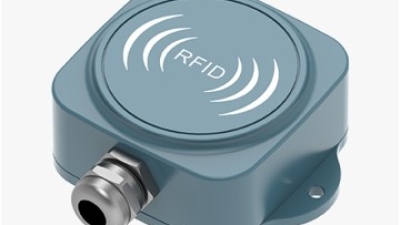
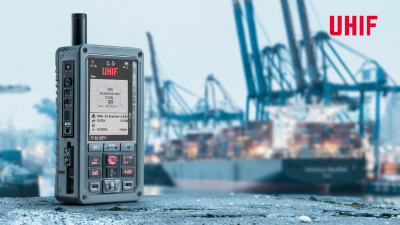
Hey, have you noticed how much technology is evolving these days? One thing that's really gaining traction across different industries is the use of Rf Card Reader tech. It’s actually making things more secure and helping businesses run smoother. I came across a report from MarketsandMarkets that said the RFID market—which includes Rf Card Readers—might hit around $40.5 billion by 2026. That growth is mainly fueled by more applications in retail, logistics, and access control stuff. MingQ Technology Limited, you know, the company that’s into IoT software and hardware, really gets how important this trend is. They focus on things like info communication, AI, and industrial IoT, so they’re pretty well-positioned to use Rf Card Reader tech to make operations easier and improve user experience. As more companies look for clever ways to handle data and keep transactions secure, understanding how Rf Card Readers work will help both consumers and businesses stay ahead in our increasingly connected world.
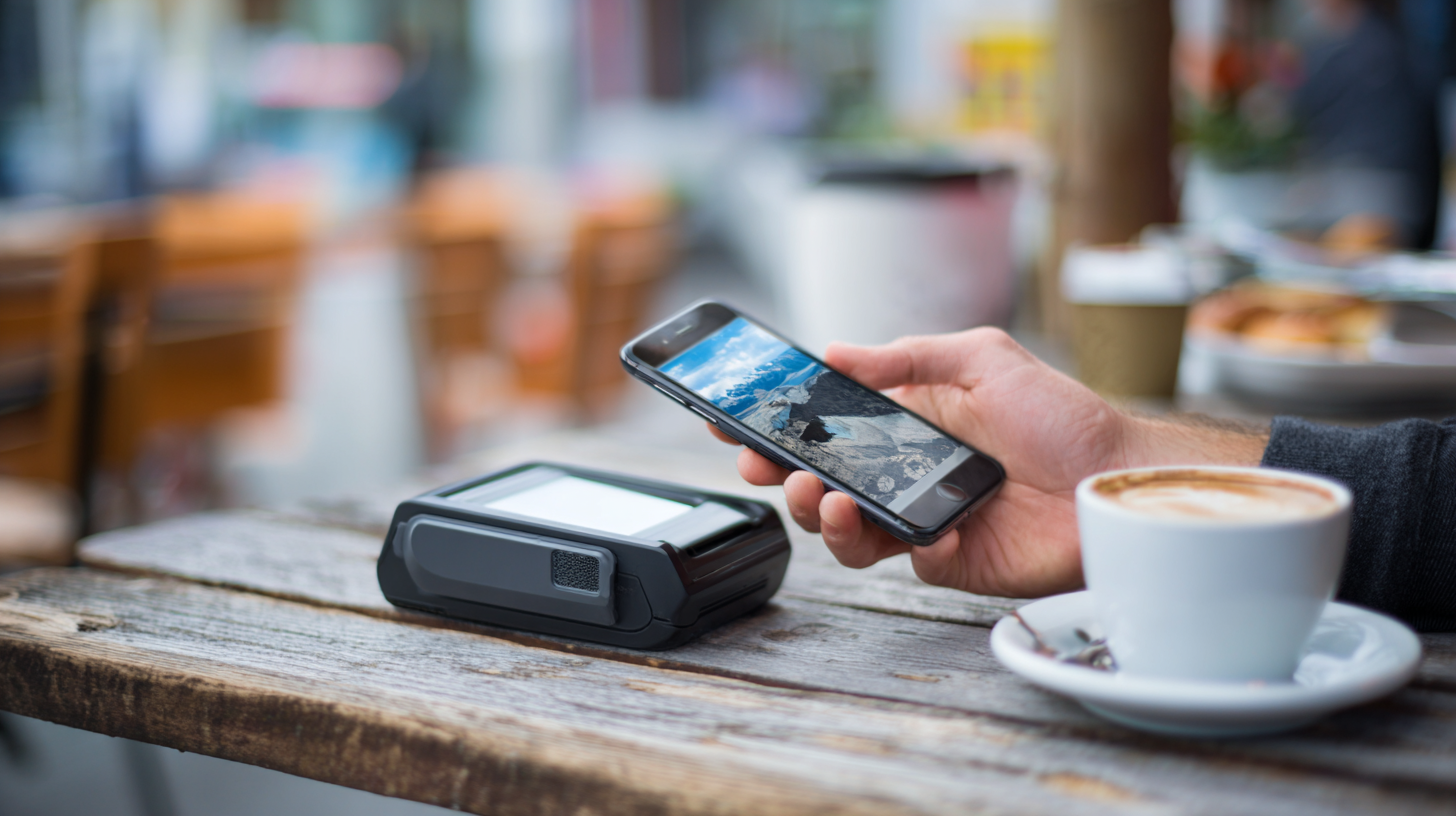
Exploring the Rising Adoption of RFID Card Readers in Retail Environments
You’ve probably noticed that RFID card readers are popping up more and more in retail stores lately, right? They’re a game-changer when it comes to making shopping smoother for both the store and the customers. Retailers are really taking advantage of RFID (Radio-Frequency Identification) tech to speed things up, keep better track of inventory, and boost security. These little devices allow staff to scan items quickly without needing a perfect line of sight—that means faster checkouts and less time waiting in line. No joke, shoppers are loving it because it cuts down on those long waits, making the whole shopping vibe way more pleasant.
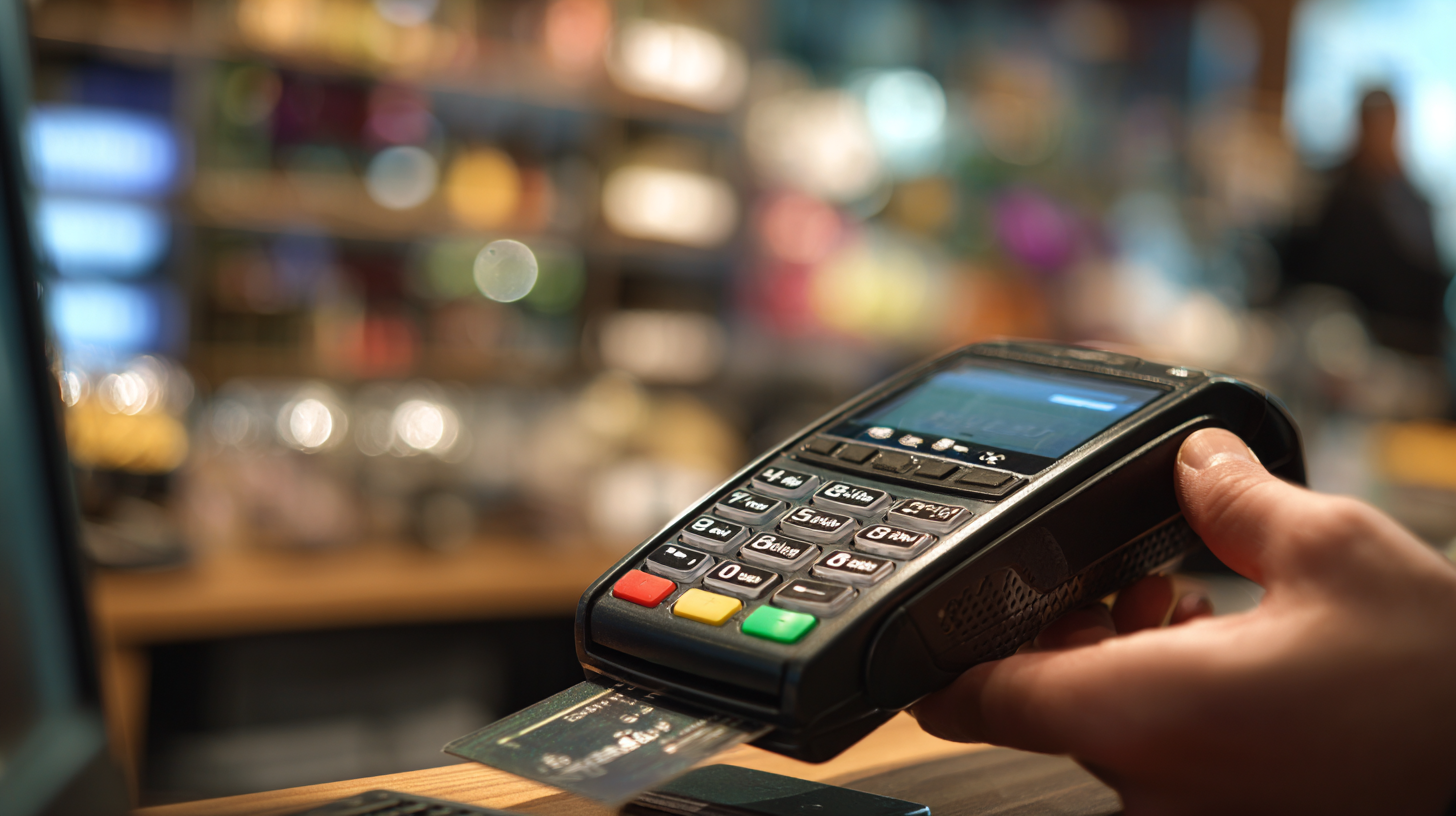
On top of that, RFID tech helps stores keep tabs on their stock in real time. So, instead of guessing or running out of an item, they can see exactly what's there at any given moment. This helps avoid overstocking or running out of popular products. Plus, it makes the whole supply chain run more smoothly, saving money in the process. And let’s not forget, with contactless payments becoming the new normal, RFID card readers fit right in—making transactions safer and more convenient, especially with everything going on globally these days. As more and more retailers jump on this bandwagon, it’s pretty clear that RFID isn’t just a passing trend—it’s shaping the future of shopping as we know it.
Enhancing Security Measures with RFID Technology in Access Control Systems
You know, RFID (Radio Frequency Identification) tech is seriously changing the game when it comes to access control. It's allowing for much more secure and contactless entry in all sorts of settings. Basically, RFID card readers let people get in quickly and safely, and it reduces the chances of someone sneaking in who shouldn’t be. The magic happens because each RFID card has a unique ID that's read by special devices—so only authorized folks can access certain areas. Not only does this make everything run more smoothly, but it also cuts down on human errors that often happen with older, more traditional methods. All in all, it’s a big boost for security.
MingQ Technology Limited is leading the charge in this space, coming up with cool IoT solutions that seamlessly incorporate RFID tech into access control systems. Their expertise spans info communication, AI, and industrial IoT, which helps them put together tailored solutions for different industries. By deploying their hardware and software with RFID, they help organizations step up their security, make operations more efficient, and protect sensitive info like a pro.
Streamlining Payment Processes: The Efficiency of RFID Card Reader Integration
You know, integrating RFID card readers into our everyday payment routines is really changing the game in so many industries. It’s pretty exciting to see the ID Card Readers Market expected to jump from about $3.12 billion in 2024 all the way up to $5.67 billion by 2033, growing at roughly 7.2% annually. That just shows how more and more businesses are jumping on board, using these tech solutions to make transactions smoother and faster. Honestly, RFID systems are making checkouts quicker, which means less waiting around for customers—and let’s be real, that makes shopping way more enjoyable. Plus, it’s not just a win for shoppers; retailers and service providers get to streamline their operations too, which is a total bonus.
Looking ahead, the RFID market isn't slowing down anytime soon, especially in North America. It’s projected to hit around $36.56 billion by 2033, driven by strong demand from retail, healthcare, and industrial sectors. The growth... well, it’s a clear sign that this tech is super versatile. It’s helping companies better manage their inventory, improve payment security, and keep customers happy. Those who have already started using RFID are seeing real improvements in how they work—more efficiency means they can spend more time focusing on engaging with customers and delivering better experiences, all while keeping transactions seamless and hassle-free.
Understanding the Impact of RFID Readers on Inventory Management and Tracking
You know, RFID (that’s Radio Frequency Identification for ya) has really shaken up how companies handle inventory and tracking these days. Instead of fumbling around with barcode scanners that need a direct line of sight, businesses now just use RFID readers to scan items—no fuss needed. It’s a game-changer because it makes counting stock way faster and way more accurate, cutting down on those annoying human errors we all dread.
And get this — RFID isn’t just sitting in a warehouse; it’s like giving businesses a real-time GPS for their goods. As products hop from suppliers to warehouses and then out to stores, RFID systems pick up the data instantly and send it along. So, companies get a clear picture of where everything is at any moment. This kind of transparency seriously improves logistics, helps catch mistakes early, and even helps prevent losses.
All in all, RFID isn’t just saving time — it’s making operations smoother and more efficient, so businesses can adapt quickly when the market throws a curveball.
Evaluating the Cost-Effectiveness of Implementing RFID Card Reader Solutions
Bringing RFID card readers into everyday use can really pay off, especially for businesses looking to boost their efficiency without blowing the budget. Sure, the upfront cost might seem a bit steep at first, but trust me, the long-term savings from making processes smoother, cutting down on labor, and reducing inventory errors totally make it worth it. Companies can automate transactions and control access more easily, which means faster service and happier customers all around.
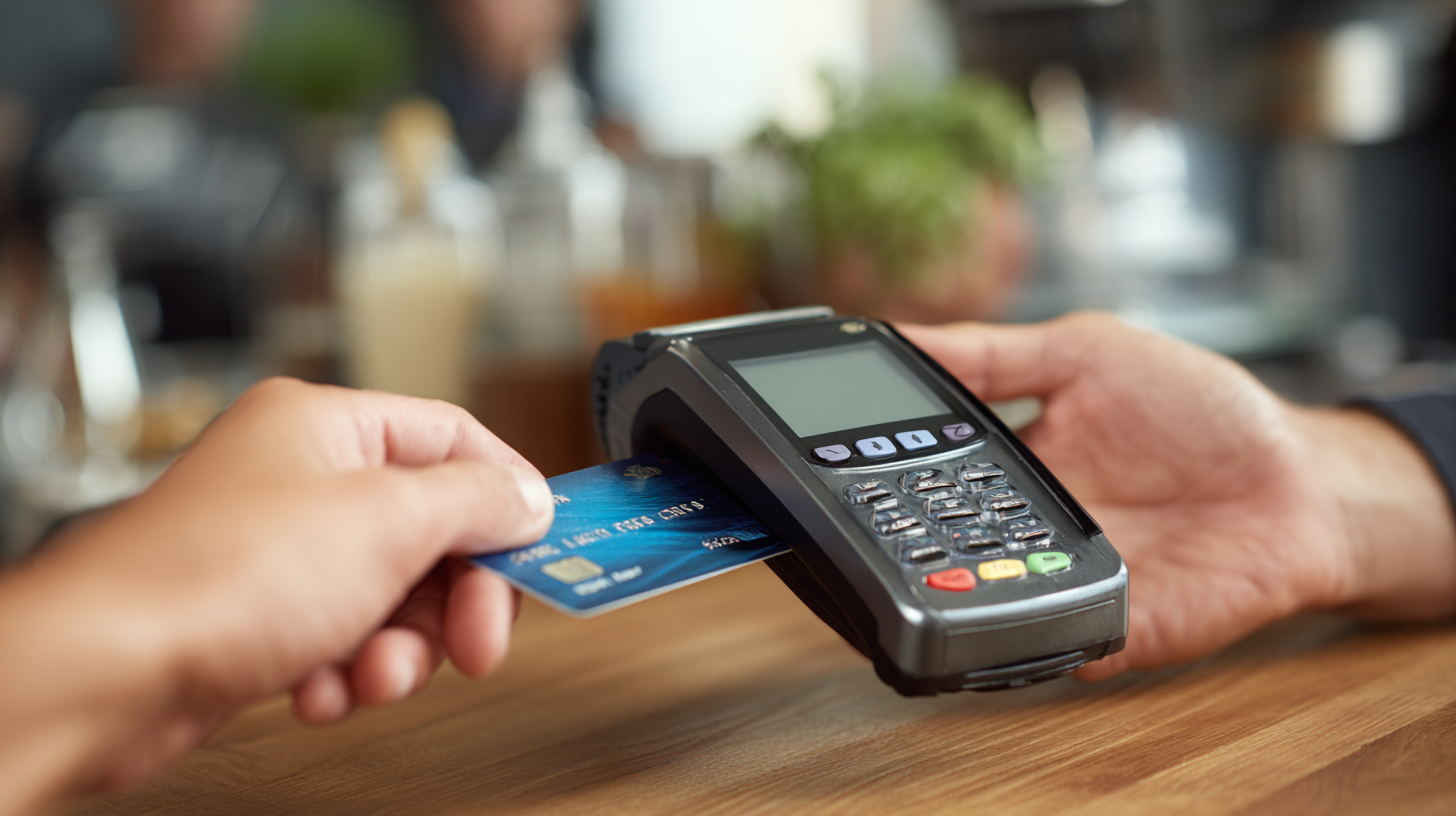
If you're thinking about jumping in, a good tip is to really understand what your specific needs are first. Doing a thorough needs assessment helps you pick the right system without wasting money on features you don't need. Also, if you can find ways to integrate RFID with your existing setup, it'll save you from spending on extra infrastructure. And don’t forget—regular maintenance and updates are key. Staying on top of tech keeps it running smoothly, avoids costly breakdowns, and helps the equipment last longer.
Another thing that makes a big difference is training your staff properly. The more they understand how to use the RFID system effectively, the better everything will run. Consider setting up ongoing training sessions or sharing resources so everyone stays in the loop. When your team gets the hang of it, operations tend to flow a lot more smoothly, leading to better overall performance. By keeping these tips in mind, your business can really get the most out of RFID technology and see a solid return on your investment.
Optimizing Asset Tracking with the GRH-I65: An In-Depth Look at Industrial-Grade High-Frequency Integrated Readers
The GRH-I65 high-frequency integrated reader is at the forefront of optimizing Asset Tracking in industrial environments. With its versatile communication options, including TCP/IP, RS485, and RS232, the GRH-I65 caters to a wide range of operational needs, allowing users to select the most appropriate method based on their specific requirements. This flexibility not only enhances system compatibility but also ensures seamless integration into diverse environments, making it an ideal choice for businesses looking to streamline their asset management processes.
According to industry reports, effective asset tracking systems can lead to a 20-50% increase in operational efficiency and a significant reduction in lost items. The GRH-I65 is designed to leverage this potential, providing reliable and high-speed data acquisition that supports real-time tracking. Whether for customized solutions or general-purpose applications, the GRH-I65's high-quality performance ensures that organizations can make informed decisions based on accurate and timely information.
In addition to its advanced reading capabilities, the GRH-I65 stands out for its commitment to cost-effectiveness. As businesses increasingly seek high-quality products that do not compromise on performance, the GRH-I65 offers a compelling solution. Users are encouraged to reach out with inquiries and orders, ensuring they receive detailed product quotations that align with their budgetary considerations and operational requirements.
FAQS
: RFID (Radio Frequency Identification) technology allows businesses to scan items with RFID tags without direct line-of-sight, enhancing speed and accuracy in inventory counts, maintaining precise stock levels, and reducing human error.
RFID systems enable real-time tracking throughout the supply chain, as readers capture and transmit data instantly as products move from suppliers to warehouses and retail locations, providing visibility and helping detect discrepancies early.
Implementing RFID card reader solutions can lead to significant cost savings from streamlined processes, reduced labor costs, and minimized inventory discrepancies, ultimately improving operational efficiency and customer satisfaction.
Businesses should perform a thorough needs assessment to ensure the RFID system aligns with specific operational requirements and to prevent unnecessary expenditure on new infrastructure by integrating with existing systems.
Organizations can maximize cost-effectiveness by conducting thorough needs assessments, integrating RFID with existing systems, performing regular maintenance, and training staff to effectively use RFID systems.
Training staff on the capabilities and best practices for using RFID technology can enhance productivity, lead to smoother operations and better overall performance, and help maximize the return on investment.
The long-term benefits of RFID technology include streamlined processes, reduced labor costs, minimized inventory discrepancies, and improved service speed, which can outweigh the initial investment costs.
Regular maintenance and updates are essential for keeping RFID technology in optimal condition, which helps avoid costly downtime and extends the lifespan of the equipment.
Enhanced transparency throughout the supply chain allows businesses to monitor goods more effectively, improving logistics, detecting discrepancies early, and aiding in loss prevention.
By streamlining processes and enabling real-time tracking, RFID technology saves time and allows businesses to respond quickly to changing market demands, thus boosting overall operational efficiency.
Conclusion
RF Card Reader technology is really changing how we go about our daily routines, especially in retail stores. You’ve probably noticed how it speeds up checkout lines and makes paying feel a whole lot smoother. It’s like, no more long waits, just quick and easy transactions—people love that. Plus, these readers are great for security too; they help control access so only the right folks can get in, which is pretty important. And when it comes to managing inventory, they make keeping track of stock levels super accurate and real-time. The best part? Implementing this tech doesn’t break the bank, and it actually pays off in the long run by making operations run more efficiently. At MingQ Technology Limited, we see a lot of potential in RF Card Reader tech—it’s really a game-changer across different industries, pushing innovation forward.

 Rotary HF RFID Tag Reader GRH-I40 Suitable for Assembly Lines
 Industrial-grade High-frequency Integrated Reader GRH-I65 Suitable for Asset Tracking
 With ESD Protection HF RFID Reader GRH-I68 Suitable for Progress Tracking
 Proximity HF RFID Reader GRH-M30 Suitable for Manufacturing Workshops
 Desktop HF RFID Scanner GRH-D80-HID Suitable for Card-issuing Applications
 High Frequency Medium Distance Reader GRH-I90 Suitable for Logistics Production Line
 UHF RFID Portals and Tunnel Machine RFly-AM3000 for Access Control
 Narrow RFID Portals Series TD-P20040-SS for Single Tag Entry and Exit Identification Scenario
 RFID Transmission Line Simple Identification Tunnel Machine (TD-T3050)
 Vision and RFID Tunnel Machine TD-T7692-RV for Logistics Sorting
 RFID Transmission Line Identification Tunnel Machine TD-T10090
 RFID Mobile Inventory Tunnel Machine TD-T65150 for Conveyor Belts
 High-Performance Far-Field Antennas for Broad Coverage.
 Multi-Purpose Antennas: Flexibility for Diverse Applications
 Near-Field Antennas for Short-Distance Tag Detection.
 Portals & Tunnel Antennas for Integrated RFID Series
 Slimline PCB Antennas for Warehousing and Logistics
 Miniaturized and Thin Antennas can Provide Good Performance in a Smaller Size.
 GPS Tracker for Vehicles, Car, Kids, Assets.
 CO2 Sensors Detect CO2 Gas through Alarms, Suitable for Offices, Planting Tents.
 Door Sensor, Detect Open and Closed Doors or Windows, Sends Alerts, Triggers Siren.
 Wireless Level Sensor Equipped with a 5-Meter Detection Line, Suitable for Water Tanks
 Real Time Monitoring of Air Quality Using PM2.5/PM10 Sensors.
 Smoke Sensor, Fire Alarm Smoke Detector with Test Button and Low Battery Reminder.
 Soil Stress Sensor,Bridge and Tunnel Monitors.
 Vibration Sensor Monitors Equipment, Like Conveyors and Motors, for Operational Status.
 E -Paper Display
 Smart Water Sensor Alarms, 1.2 M Detection Line.
 CO Sensor for Basements Home Office House Bedroom Living Room Car, Light Plug and Play.
 Temperature and Humidity Sensor
 Multi-sensor GD-ME
 Temperature Sensors Monitor the Surface Temperature of Various Heating Equipment.-1
 Signal Enhancement Terminal, Long Range Coverage.
 Multi-Protocol Communication Gateway, App Remote Control.
 Edge Vision Gateway can Access Various Mainstream Cameras, Suitable for Office, Factory.
 GBS-3550 Outdoor Sensor Gateway,LoRa, 2/3/4G Communication.
 Smart WiFi Gateway, Realize Remote Control.
 Ultra-Low-Power Solar-Powered Intelligent Gateway (Outdoor)
 IP67-protected Integrated RFID Reader Writer RFly-I165 for Supply Chain
 Long-range Distance UHF RFID Reader RFly-I195 for Inventory Management
 Small UHF RFID Tag Reader RFly-I300 for Cars
 Two-channel Compact Fixed RFID Reader RFly-F210 for Warehousing
 Four Channels Fixed UHF RFID Reader RFly-R6 for Supply Chain
 8-channel UHF RFID Tag Reader RFly-R8 for File Cabinet Identification
 Bluetooth Portable RFID Reader and Writer GRU-HBT100 for Inventory Management
 Industrial Grade Handheld UHF RFID Reader GRU-HC520 Suitable for Logistics
 RFID Gateway Networking System
 RFID Passive Temperature Measurement System
 RFID Tags for Container Turnover Management
 RFID Tags for Equipment O&M Management
 RFID Tags for Manufacturing Management
 RFID Tags for Tool Management
 A Kits for Equipment Condition Detection
 A Kits for Office Computer Room Environment Monitoring
 A Kits for Reservoir Environmental Monitoring
 A Kits for Storage Space Environment Monitoring
 A Kits for Stress Detection of Underground Tunnel
 A Kits for Urban Environment Monitoring
 Intelligent IoT Monitoring Platform
 Integrating Multiple Functional OTG Demo Software
 HF Demo Software
 UHF Demo Software