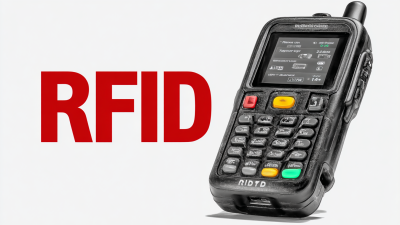
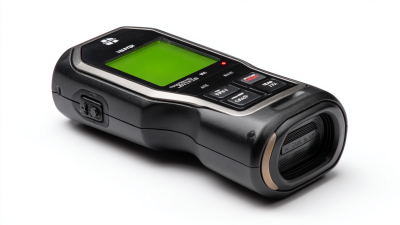
Hey there! So, if you’re into inventory management(and honestly, who isn’t these days), you’ll want to keep an eye on what’s coming in2025. That’s when some seriously exciting new Rfid Handheld Scanners are set to hit the scene—these gadgets are not just a little better; they’re game-changers. They’re all about making life easier by boosting efficiency, getting things more accurate, and giving you real-time dataon the spot. As more businesses realize how important fast, reliable inventory solutions are, getting to grips with these cutting-edge Rfid Scanners will become a must for professionals who want to streamline their workflow and stay ahead of the curve.
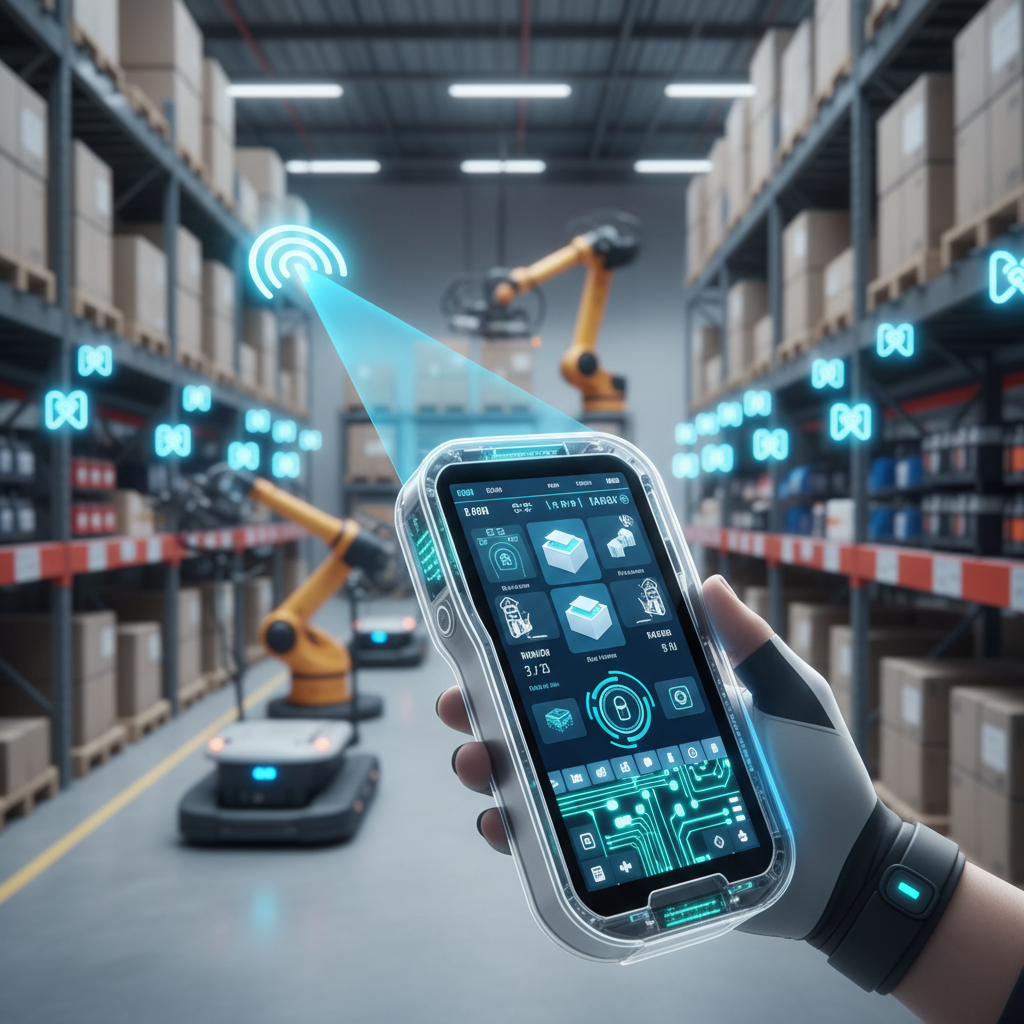
Big names like Zebra Technologies and Datalogic are leading the charge, rolling out scanners that are not only super user-friendly but packed with features that make tracking stock a breeze. This new wave of tech means we’re moving away from old-school manual counting and shifting towards automated systems that cut down on human mistakes and crank up productivity. In this guide, I’ll walk you through the coolest innovations in RFID handheld scanners for 2025—covering practical tips, the main benefits, and how you can use these tools to really boost your inventory game.
Revolutionizing Inventory Processes with Next-Gen RFID Handheld Scanners
The advancement of RFID technology has brought forth a new era in inventory management, with next-gen handheld scanners leading the charge. These innovative devices utilize radio frequency identification to streamline stock-taking processes, allowing businesses to achieve greater efficiency and accuracy. By replacing traditional barcodes with RFID tags, organizations can eliminate the manual entry errors commonly associated with older methods. This transition not only saves time but also reduces the likelihood of stock discrepancies, ultimately enhancing operational productivity.
Next-gen RFID handheld scanners are equipped with advanced features such as real-time data processing, improved battery life, and better connectivity options. These enhancements enable users to track inventory in real-time, providing instant visibility into stock levels and locations. As a result, companies can respond promptly to changes in demand, ensuring optimal inventory levels and reducing carrying costs. The seamless integration of these scanners into existing systems further exemplifies their role in revolutionizing inventory processes, making them indispensable tools for modern businesses looking to optimize their supply chain management.
2025 Top RFID Handheld Scanner Innovations for Seamless Inventory Management
| Feature | Description | Impact on Inventory Management | Expected Adoption Rate |
| Long Range Scanning | Ability to read RFID tags from distances over 30 feet. | Reduces time spent on inventory counts by eliminating the need to be close to items. | 70% |
| AI-Powered Analytics | Intelligent algorithms to predict stock needs based on trends. | Enhances efficiency in restocking and prevents overstocking. | 60% |
| Multi-Tag Reading | Capability to read multiple RFID tags simultaneously. | Accelerates the inventory verification process significantly. | 75% |
| Cloud Integration | Seamless connection to cloud-based inventory management systems. | Allows real-time updates and remote inventory tracking. | 65% |
| Durable Design | Rugged build to withstand harsh environments. | Minimizes downtime due to equipment failure in challenging conditions. | 80% |
Key Features to Look for in 2025's RFID Handheld Scanners
As businesses evolve and strive for efficiency, the demand for innovative RFID handheld scanners is set to surge in 2025. One of the key features to consider in these devices is their reading range. Advanced scanners will provide long-range capabilities, allowing users to quickly and accurately scan multiple items from a distance, significantly enhancing inventory management processes. This feature not only reduces the time spent on scanning but also minimizes errors caused by manual handling.
Another essential aspect to look for is the integration of AI and machine learning technologies. In 2025, RFID handheld scanners are expected to utilize smart algorithms to optimize scanning efficiency and inventory tracking. These intelligent systems can analyze scanning patterns and predict inventory needs, leading to a more streamlined workflow. Additionally, ergonomic design and ease of use will be paramount, as employees will benefit from lightweight devices that allow for comfortable, extended use without compromising performance. By focusing on these key features, businesses can ensure that they invest in RFID solutions that will propel their inventory management into the future.
Integrating RFID Technology for Real-Time Data Management
The integration of RFID technology in inventory management has become a game-changer, enabling businesses to achieve real-time data management and enhanced operational efficiency. According to a study by MarketsandMarkets, the global RFID market is expected to grow from $10.06 billion in 2020 to $24.21 billion by 2025, representing a compound annual growth rate (CAGR) of 18.4%. This surge is largely driven by the need for accurate inventory tracking and the reduction of human error in stock management.
RFID handheld scanners are at the forefront of this transformation, allowing for seamless data capture and processing. For instance, a report from Zebra Technologies indicates that companies using RFID technology can improve inventory accuracy from an average of 63% to up to 95%, significantly enhancing the reliability of stock levels. These devices facilitate immediate data logging and syncing with inventory management systems, ensuring that businesses can respond promptly to changes in stock levels and customer demand. Such capabilities not only streamline operations but also lead to cost savings by minimizing overstock and stockouts, fostering a more agile supply chain.
Enhancing User Experience: Ergonomics in RFID Handheld Designs
The evolution of RFID handheld scanners is heavily focused on enhancing user experience, especially through ergonomic design. Modern handheld scanners are now being crafted with user comfort in mind, reducing strain during prolonged use. Features like contoured grips, lightweight materials, and strategic button placements contribute to a more intuitive interface. These advancements not only improve the handling process but also enable users to streamline their inventory tasks without the discomfort often associated with traditional scanning devices.
Additionally, incorporating ergonomic principles extends beyond just physical design; it involves understanding user interaction patterns. For instance, some scanners now offer adjustable display angles and customizable settings, ensuring that users can operate the device in the most effective manner for their specific needs. This consideration for usability leads to heightened productivity and reduces the likelihood of errors during inventory management. As a result, businesses can expect smoother operations and an overall enhancement in inventory accuracy, showcasing how ergonomic innovations are integral to the advancement of RFID handheld scanners.
2025 Top RFID Handheld Scanner Innovations for Seamless Inventory Management
Cost-Effectiveness: The ROI of Upgrading to RFID Scanning Solutions
As businesses strive for more efficient inventory management, the role of RFID handheld scanners has become increasingly prominent. Upgrading to RFID scanning solutions can lead to significant cost savings over time. According to a study by the RFID Journal, companies that implemented RFID technology reported a 20% increase in inventory accuracy and a reduction in labor costs by up to 30%. This improved efficiency translates directly into a positive ROI as businesses minimize the losses associated with stock discrepancies and manual errors.
Tip: When considering an upgrade to RFID scanning solutions, assess your current inventory management processes to identify pain points. This way, you can select the best RFID technology that addresses your specific challenges.
Moreover, the initial investment in RFID technology is often offset by its long-term benefits. A report by IDTechEx forecasts that the global RFID market will reach $30 billion by 2025, highlighting the growing recognition of RFID's value in various industries. By streamlining operations and reducing waste, businesses can maximize their ROI, ensuring that the upgrade is not just a cost but an investment towards a more efficient future.
Tip: Be sure to conduct a thorough cost-benefit analysis to ensure your RFID investment aligns with your overall business goals.
Future Trends: What Lies Ahead for RFID Innovations in Inventory Management
As we approach 2025, the landscape of inventory management is undergoing significant transformation fueled by RFID technology. Retailers are increasingly adopting RFID systems to not only enhance inventory accuracy but also to streamline their operations. According to industry reports, the $30 billion RFID market is expected to reach by 2025, driven largely by these innovations in retail and warehouse management. This surge reflects a broader trend where technology is reshaping how businesses handle their inventory, aiming for greater visibility and efficiency.
Tips: To harness the power of RFID in your inventory management, consider conducting a thorough needs assessment to determine the key areas where RFID can provide the most benefit. Train your staff on the new technologies to ensure a smooth transition and maximize the potential of these systems.
Additionally, the integration of RFID with other technologies, such as AI and IoT, is set to elevate inventory management further. These advancements will enable real-time data analytics, allowing businesses to predict demand more accurately and optimize their stock levels. A survey by industry analysts indicates that over 65% of retailers are already exploring AI and IoT applications in conjunction with RFID to enhance their supply chain strategies.
Tips: Stay ahead by investing in up-to-date training and technology that align with these trends. Regularly review your inventory management processes to adapt to ongoing changes in technology and consumer expectations.
Optimizing Manufacturing Efficiency: Insights from RFID Tag Deployment in Smart Industry 4.0 Context
In the age of Industry 4.0, optimizing manufacturing efficiency is paramount for sustainable growth and competitiveness. A recent report by McKinsey highlights that leveraging technologies such as RFID (Radio Frequency Identification) can improve operational efficiency by up to 30%. RFID tag deployment facilitates seamless process management by enabling real-time tracking of products and assets within manufacturing settings. This technology not only enhances process and quality control but also provides critical insights into production workflows, which are essential for timely decision-making.
Moreover, the implementation of RFID systems significantly streamlines warehouse management. According to a study by Deloitte, manufacturers that adopted RFID technology reported a 20% reduction in inventory carrying costs. The ability to visualize the production process in real-time allows organizations to manage assets more effectively, reduce waste, and ultimately drive down operational costs. Our solutions cater specifically to these needs, providing customizable options that align with your unique process management challenges. We are dedicated to delivering high-quality, cost-effective products and services tailored to support your transition into the smart manufacturing landscape.
FAQS
: In 2025, key features to consider include long-range scanning capabilities, integration of AI and machine learning for enhanced efficiency, ergonomic design for ease of use, and smart algorithms for optimizing inventory tracking.
RFID technology enables real-time data management, reduces human error in stock management, and improves inventory accuracy, allowing businesses to log and sync data immediately and respond promptly to stock level changes.
The RFID market is projected to grow from $10.06 billion in 2020 to $24.21 billion by 2025, representing a compound annual growth rate (CAGR) of 18.4%.
Companies using RFID technology can improve inventory accuracy from an average of 63% to as high as 95%, significantly enhancing the reliability of stock levels.
Future trends include increased adoption of RFID systems in retail and warehouse management, integration with AI and IoT for real-time analytics, and a projected RFID market growth to around $30 billion by 2025.
Businesses should conduct a thorough needs assessment, train staff on new technologies, and regularly review their inventory management processes to adapt to ongoing changes and maximize benefits.
RFID technology allows for immediate data logging and syncing with inventory management systems, enabling businesses to quickly adjust stock levels in response to fluctuating customer demand.
Integrating AI and IoT with RFID enhances inventory management by enabling real-time data analytics, predicting demand accurately, and optimizing stock levels for improved supply chain efficiency.
Ergonomic design is important because it ensures that employees can use lightweight devices comfortably for extended periods without compromising performance, which is crucial for effective inventory management.
Over 65% of retailers are already exploring AI and IoT applications in conjunction with RFID to enhance their supply chain strategies.
Conclusion
The article "2025 Top RFID Handheld Scanner Innovations for Seamless Inventory Management" delves into the transformative potential of next-generation RFID handheld scanners in streamlining inventory processes. It outlines key features to look for in these devices, such as enhanced data capturing capabilities and real-time data management. The integration of RFID technology is not only revolutionizing how businesses manage inventory but also improving user experience through ergonomic designs tailored for extensive use. Additionally, the article discusses the cost-effectiveness and potential return on investment associated with upgrading to RFID scanning solutions, while also exploring future trends that promise further innovations in inventory management.
As a leading provider of IoT solutions, MingQ Technology Limited is at the forefront of these advancements. By offering state-of-the-art RFID handheld scanners and related technologies, MingQ empowers businesses to optimize their operations and stay competitive in a rapidly evolving market.

 Rotary HF RFID Tag Reader GRH-I40 Suitable for Assembly Lines
 Industrial-grade High-frequency Integrated Reader GRH-I65 Suitable for Asset Tracking
 With ESD Protection HF RFID Reader GRH-I68 Suitable for Progress Tracking
 Proximity HF RFID Reader GRH-M30 Suitable for Manufacturing Workshops
 Desktop HF RFID Scanner GRH-D80-HID Suitable for Card-issuing Applications
 High Frequency Medium Distance Reader GRH-I90 Suitable for Logistics Production Line
 UHF RFID Portals and Tunnel Machine RFly-AM3000 for Access Control
 Narrow RFID Portals Series TD-P20040-SS for Single Tag Entry and Exit Identification Scenario
 RFID Transmission Line Simple Identification Tunnel Machine (TD-T3050)
 Vision and RFID Tunnel Machine TD-T7692-RV for Logistics Sorting
 RFID Transmission Line Identification Tunnel Machine TD-T10090
 RFID Mobile Inventory Tunnel Machine TD-T65150 for Conveyor Belts
 High-Performance Far-Field Antennas for Broad Coverage.
 Multi-Purpose Antennas: Flexibility for Diverse Applications
 Near-Field Antennas for Short-Distance Tag Detection.
 Portals & Tunnel Antennas for Integrated RFID Series
 Slimline PCB Antennas for Warehousing and Logistics
 Miniaturized and Thin Antennas can Provide Good Performance in a Smaller Size.
 GPS Tracker for Vehicles, Car, Kids, Assets.
 CO2 Sensors Detect CO2 Gas through Alarms, Suitable for Offices, Planting Tents.
 Door Sensor, Detect Open and Closed Doors or Windows, Sends Alerts, Triggers Siren.
 Wireless Level Sensor Equipped with a 5-Meter Detection Line, Suitable for Water Tanks
 Real Time Monitoring of Air Quality Using PM2.5/PM10 Sensors.
 Smoke Sensor, Fire Alarm Smoke Detector with Test Button and Low Battery Reminder.
 Soil Stress Sensor,Bridge and Tunnel Monitors.
 Vibration Sensor Monitors Equipment, Like Conveyors and Motors, for Operational Status.
 E -Paper Display
 Smart Water Sensor Alarms, 1.2 M Detection Line.
 CO Sensor for Basements Home Office House Bedroom Living Room Car, Light Plug and Play.
 Temperature and Humidity Sensor
 Multi-sensor GD-ME
 Temperature Sensors Monitor the Surface Temperature of Various Heating Equipment.-1
 Signal Enhancement Terminal, Long Range Coverage.
 Multi-Protocol Communication Gateway, App Remote Control.
 Edge Vision Gateway can Access Various Mainstream Cameras, Suitable for Office, Factory.
 GBS-3550 Outdoor Sensor Gateway,LoRa, 2/3/4G Communication.
 Smart WiFi Gateway, Realize Remote Control.
 Ultra-Low-Power Solar-Powered Intelligent Gateway (Outdoor)
 IP67-protected Integrated RFID Reader Writer RFly-I165 for Supply Chain
 Long-range Distance UHF RFID Reader RFly-I195 for Inventory Management
 Small UHF RFID Tag Reader RFly-I300 for Cars
 Two-channel Compact Fixed RFID Reader RFly-F210 for Warehousing
 Four Channels Fixed UHF RFID Reader RFly-R6 for Supply Chain
 8-channel UHF RFID Tag Reader RFly-R8 for File Cabinet Identification
 Bluetooth Portable RFID Reader and Writer GRU-HBT100 for Inventory Management
 Industrial Grade Handheld UHF RFID Reader GRU-HC520 Suitable for Logistics
 RFID Gateway Networking System
 RFID Passive Temperature Measurement System
 RFID Tags for Container Turnover Management
 RFID Tags for Equipment O&M Management
 RFID Tags for Manufacturing Management
 RFID Tags for Tool Management
 A Kits for Equipment Condition Detection
 A Kits for Office Computer Room Environment Monitoring
 A Kits for Reservoir Environmental Monitoring
 A Kits for Storage Space Environment Monitoring
 A Kits for Stress Detection of Underground Tunnel
 A Kits for Urban Environment Monitoring
 Intelligent IoT Monitoring Platform
 Integrating Multiple Functional OTG Demo Software
 HF Demo Software
 UHF Demo Software